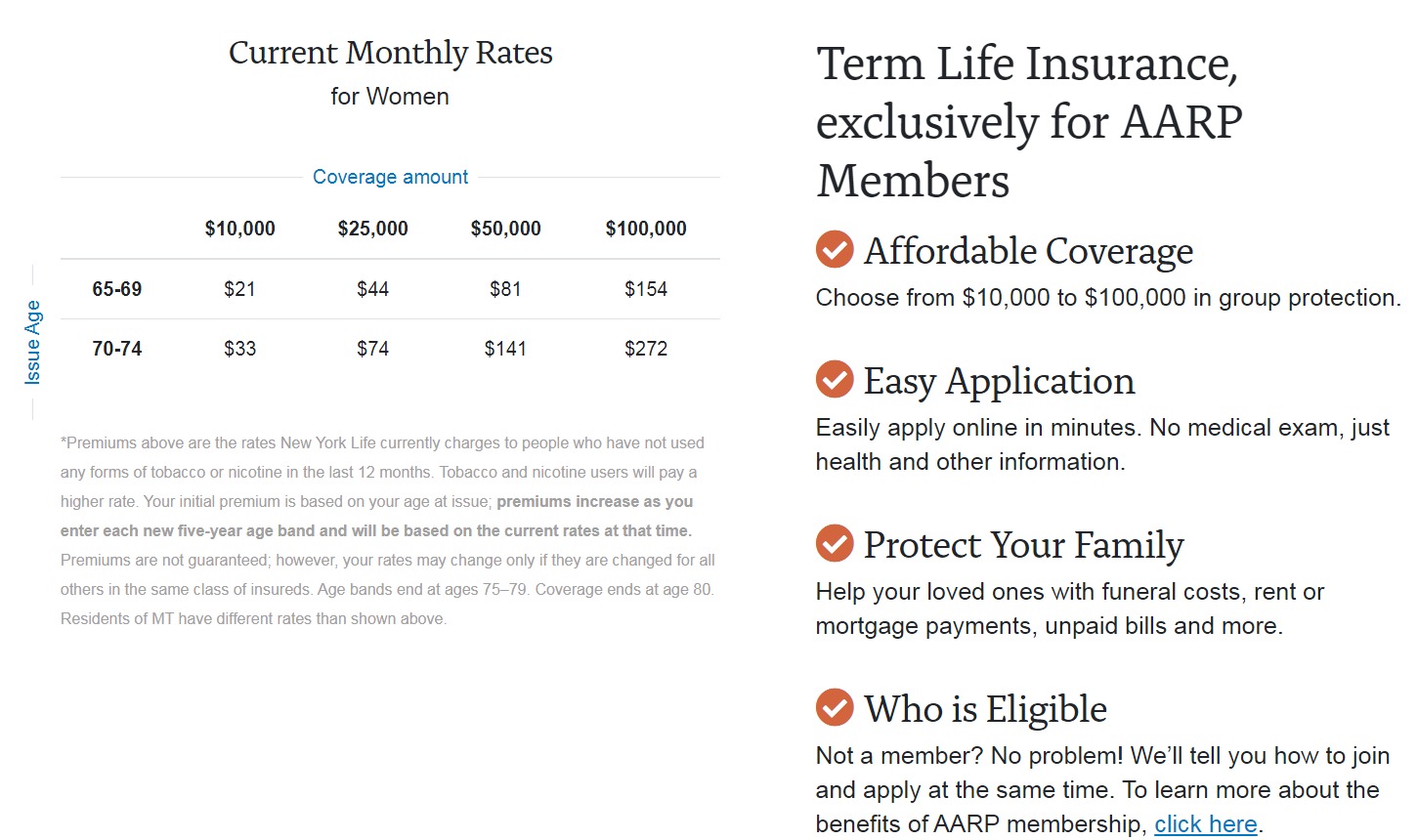
For a 52-year-old smoker in 2026, term life insurance rates typically range from $120 to $450 per month, depending on the coverage amount and term length. Because tobacco use significantly increases mortality risk, smokers pay 200% to 300% more than non-smokers of the same age and health profile.
Securing life insurance at age 52 is a pivotal financial decision. At this stage of life, many individuals are at the peak of their earning years but may still have significant financial obligations, such as a mortgage, children finishing college, or the need to protect a spouse’s retirement security. For those who smoke, the process of obtaining an affordable policy is more complex due to the "tobacco surcharge" applied by every major carrier.
The Financial Reality of the "Smoker’s Penalty"
In the insurance industry, smoking is classified as a high-risk behavior. As of 2026, actuarial data continues to show a direct correlation between long-term tobacco use and chronic conditions such as cardiovascular disease, COPD, and various forms of cancer. Because a 52-year-old has likely been smoking for several decades, the cumulative health risks are higher than those of a 25-year-old smoker.
When an underwriter evaluates a 52-year-old applicant, they use specific "tobacco tables." Even if you are in otherwise excellent health—maintaining a healthy weight and having perfect blood pressure—the mere presence of nicotine in your system during a medical exam typically disqualifies you from "Preferred" or "Select" rate classes. Instead, you are placed in the "Preferred Tobacco" or "Standard Tobacco" categories, which carry significantly higher premiums.
The cost difference is staggering. While a 52-year-old non-smoker might pay $60 a month for a $500,000 policy, a smoker of the same age could easily pay $200 or more for the exact same coverage. Over a 20-year term, this represents an additional $33,600 in premiums solely due to tobacco use.
Estimated Monthly Rates for 52-Year-Old Smokers (2026)
The following table provides estimated monthly premiums for a 52-year-old male smoker in standard health. Rates for females are generally 20% to 30% lower due to longer life expectancy. These figures represent averages across major national carriers in 2026.
| Coverage Amount | 10-Year Term | 15-Year Term | 20-Year Term | 25-Year Term |
|---|---|---|---|---|
| $100,000 | $55.00 | $72.50 | $95.00 | $125.00 |
| $250,000 | $118.00 | $158.00 | $215.00 | $285.00 |
| $500,000 | $210.00 | $295.00 | $410.00 | $550.00 |
| $1,000,000 | $395.00 | $565.00 | $790.00 | $1,050.00 |
Note: These rates are estimates for illustrative purposes. Actual premiums are determined by individual medical underwriting, family history, and lifestyle factors.
Why Age 52 is a Critical Threshold
Age 52 is often considered a "rate jump" year in the insurance world. Insurance companies typically price policies in five-year age bands or increase premiums more aggressively once an applicant passes the age of 50. For smokers, this age-related increase is compounded.
At 52, you are still eligible for most term lengths, including 10, 15, 20, and sometimes 25 or 30 years. However, many carriers begin to restrict 30-year terms for smokers once they pass age 50 or 55, as the risk of the policyholder reaching age 80+ while still smoking represents a high probability of a claim for the insurer.
If you are 52 and considering a policy, waiting even two years until age 54 can result in a 15% to 20% increase in the base premium, even if your health remains unchanged. This makes the "buy now" strategy particularly relevant for this demographic.
Defining "Smoker" in 2026: More Than Just Cigarettes
One of the most common points of confusion for applicants is what actually constitutes "smoking" in the eyes of an insurance carrier. In 2026, the definition has expanded to include a wide range of nicotine delivery systems.
- Cigarettes: This is the baseline for smoker rates. Any cigarette use in the last 12 to 24 months will result in tobacco pricing.
- Vaping and E-Cigarettes: While some boutique carriers offered non-smoker rates for vapers in the early 2020s, most major insurers in 2026 treat vaping the same as cigarette smoking due to the lack of long-term data on lung health impacts.
- Cigars: Occasional cigar users (e.g., one per month) can sometimes qualify for non-smoker rates if they disclose the use and their lab results show no cotinine (a byproduct of nicotine).
- Marijuana: Policies regarding marijuana have significantly liberalized. In many states, infrequent marijuana use (even if smoked) may be eligible for non-smoker rates, provided no tobacco is mixed with it. However, heavy daily use may still lead to higher ratings or "Smoker" classification.
- Nicotine Replacement Therapy (NRT): If you are using nicotine gum or patches to quit, most carriers will still charge you smoker rates because the medical exam will detect nicotine in your system.
Choosing the Right Term Length at Age 52
Selecting the appropriate term length is a balance between protection and budget. A 52-year-old should look at their "financial finish line"—the date when their major debts are paid, and their retirement savings are sufficient to support a surviving spouse.
- 10-Year Term: Ideal for covering the tail end of a mortgage or the remaining years of a child’s education. This is the most affordable option for a 52-year-old smoker.
- 15-Year Term: Often the "sweet spot" for 52-year-olds. It provides coverage until age 67, which is the full retirement age for Social Security for many in this age bracket.
- 20-Year Term: Best for those with late-in-life children or a mortgage that was recently refinanced. This ensures protection until age 72, covering the early high-risk years of retirement.
- 25-30 Year Term: Rare and expensive for smokers at this age. This is usually only recommended if there is a specific long-term need, such as a child with special needs who will require lifelong support.
Factors That Influence Rates Beyond Smoking
While tobacco use is the primary driver of high costs for this group, other underwriting factors can push rates even higher or help mitigate some of the costs.
Comorbidities
In insurance terminology, a "comorbidity" is the presence of two or more medical conditions. For a smoker, insurers are hyper-vigilant about:
- Blood Pressure: Smoking naturally constricts blood vessels. If you have high blood pressure and smoke, you are at a significantly higher risk for stroke, leading to a "table rating" (a surcharge on top of the smoker rate).
- Cholesterol: High LDL levels combined with smoking accelerate plaque buildup in arteries.
- Weight (BMI): A high Body Mass Index combined with smoking is a major red flag for underwriters in 2026.
Family History
If a 52-year-old smoker also has a parent or sibling who died from heart disease or cancer before age 60, the insurer may decline the application or offer only "Standard Tobacco" rates, even if the applicant currently has no health issues.
Driving Record and Lifestyle
Insurers look at "lifestyle risk" as well. Multiple speeding tickets, DUIs, or hazardous hobbies (like private piloting or scuba diving) can add "flat extras" (additional fees per $1,000 of coverage) to the policy.
Strategies to Secure Lower Rates
If you are 52 and a smoker, you are not necessarily stuck with the highest possible premiums. There are several strategic ways to lower your costs.
The "Quit Smoking" Reconsideration
Most term life policies in 2026 include a "rate reconsideration" clause. If you buy a policy today at smoker rates and then quit smoking for a minimum of 12 to 24 months (verified by a new medical exam and lab test), you can ask the insurance company to move you to a non-smoker rate class. This can cut your premiums by more than half in the future without you having to buy a brand-new policy.
The Laddering Strategy
Instead of buying one $500,000 policy for 20 years, you could buy two policies:
- One $250,000 policy with a 10-year term (to cover the mortgage).
- One $250,000 policy with a 20-year term (to protect your spouse’s retirement). This "laddering" approach reduces the total amount of insurance you carry as your debts decrease over time, potentially saving thousands in premiums.
Choosing "Standard Tobacco" over "No-Exam" Policies
In 2026, many companies offer "no-exam" or "accelerated underwriting" policies. While convenient, these are often more expensive for smokers because the insurer assumes a higher level of risk. By undergoing a full medical exam (including blood and urine tests), a relatively healthy 52-year-old smoker may prove they have no other underlying issues, qualifying them for the best possible tobacco-user rates.
The Role of Riders in 2026 Policies
When purchasing term life at 52, certain "riders" (add-ons) can provide extra value, though they may slightly increase the premium.
- Living Benefits / Chronic Illness Rider: This allows you to access a portion of the death benefit while you are still alive if you are diagnosed with a chronic or terminal illness. For a smoker, this is particularly valuable given the higher risk of stroke or respiratory failure.
- Waiver of Premium: If you become totally disabled and cannot work, the insurance company pays your premiums for you. However, at age 52, this rider can be expensive and usually expires by age 60 or 65.
- Conversion Rider: This is a crucial feature. It allows you to convert your term policy into a permanent (whole life) policy without a new medical exam. This is vital if you develop a health condition during the term that would make you otherwise uninsurable later.
Frequently Asked Questions
Can I get term life insurance if I only smoke cigars?
Yes, you can. In fact, some carriers in 2026 offer "Occasional Cigar" rates that are essentially the same as non-smoker rates, provided your lab tests are clear of nicotine and you smoke no more than one or two cigars per month. You must be honest about this on the application, as a positive nicotine test when you claimed "zero use" can lead to a denial for insurance fraud.
How long do I have to be quit to get non-smoker rates?
Most major insurers require you to be 100% nicotine-free for at least 12 months to qualify for "Standard Non-Tobacco" rates. To get "Preferred" or "Super Preferred" rates, you generally need to be nicotine-free for 3 to 5 years.
What happens if I lie about smoking on my application?
This is extremely risky. Insurance policies have a two-year "contestability period." If you pass away within the first two years of the policy and the insurer discovers you were a smoker (through medical records or the cause of death), they can deny the claim entirely. Even after two years, if they find evidence of "material misrepresentation," they may reduce the death benefit to the amount the premiums would have purchased had you been honest about your smoking status.
Is vaping considered smoking at age 52?
In the 2026 insurance market, almost all top-tier carriers treat vaping and e-cigarettes as tobacco use. Even if the e-liquid does not contain nicotine, the act of vaping is often categorized as a high-risk respiratory habit, and most lab tests are sensitive enough to detect even trace amounts of nicotine byproducts.
Are there "smoker-friendly" life insurance companies?
Yes. Some companies specialize in "clinical underwriting," meaning they look more favorably on smokers who are otherwise in great health. Working with an independent agent who has access to multiple carriers is essential for a 52-year-old smoker to find the one company whose algorithm favors their specific profile.
Final Recommendation for 52-Year-Old Smokers
If you are 52 and use tobacco, the best time to secure life insurance is today. Rates will only increase as you age, and the risk of developing a secondary health condition that could make you uninsurable grows every year.
The most effective strategy is to secure a 15-year or 20-year term policy now to protect your family. Once the policy is in force, use the high cost of the premiums as a financial incentive to quit. After being nicotine-free for one to two years, apply for a rate reconsideration or a new policy at non-smoker rates. This approach ensures your family is protected immediately while providing a clear path to significantly lower costs in the near future.