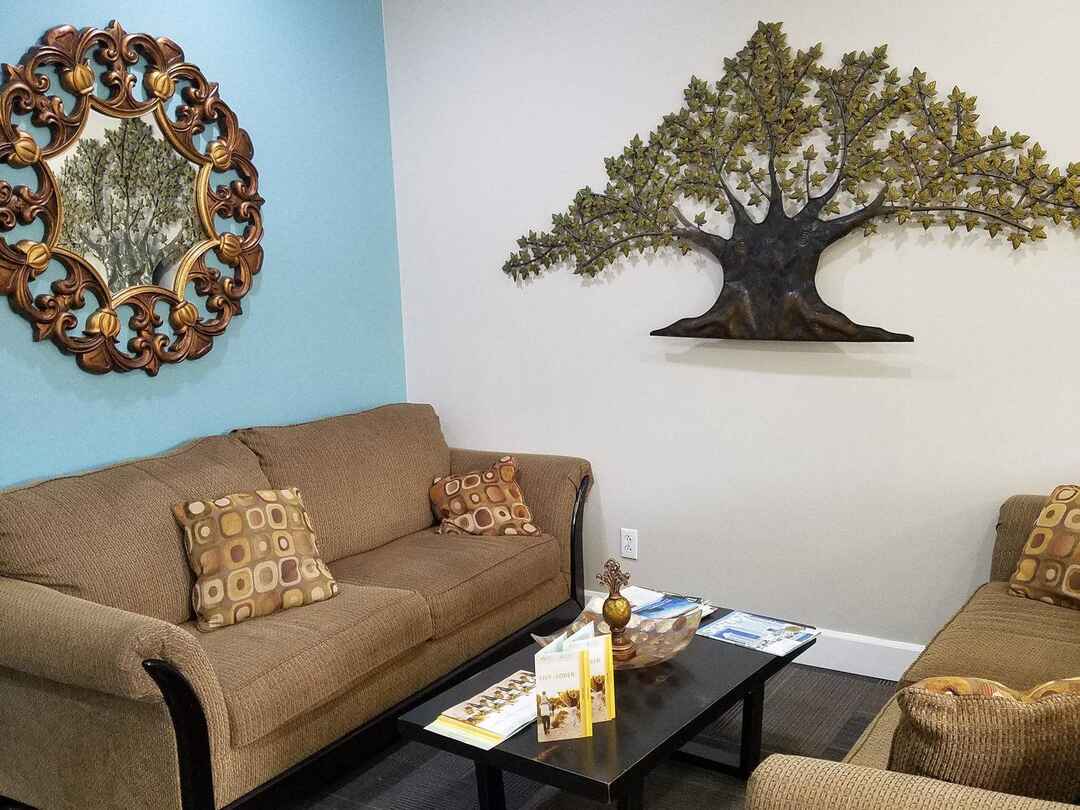
Steps Recovery Center in Payson, Utah, provides a comprehensive continuum of care for individuals struggling with substance use disorders and co-occurring mental health issues. Their program integrates medical detoxification, residential inpatient treatment, and transitional outpatient services within a supportive, home-like environment designed to foster long-term sobriety through evidence-based clinical practices and holistic wellness.
Navigating the landscape of addiction recovery can be overwhelming, especially when a loved one’s health is at stake. In 2026, the demand for high-quality, localized treatment in Utah County remains significant as communities continue to address the complexities of the opioid crisis and alcohol dependency. Steps Recovery Center has established itself as a cornerstone of the Payson community, offering a specific blend of clinical rigor and localized compassion.
When considering a facility like Steps Recovery in Payson, it is vital to look beyond the surface-level amenities and understand the clinical philosophy, the stages of care provided, and the practicalities of insurance and accreditation. Below are the five essential aspects of this facility that every prospective resident or family member should understand before beginning the intake process.
1. A Comprehensive Continuum of Care: From Detox to Sober Living
One of the most critical aspects of Steps Recovery in Payson is its "Continuum of Care" model. Recovery is rarely a linear event; it is a phased process that requires different levels of medical and psychological support as the individual progresses. Steps Recovery is structured to move patients through these phases without the jarring transitions often found when switching between different providers.
Medical Detoxification
The journey typically begins with medical detox. In Payson, this process is supervised by medical professionals who manage the physiological symptoms of withdrawal. Attempting to detox from substances like alcohol, benzodiazepines, or opioids without supervision can be life-threatening. The Payson facility ensures that the "clearance" phase is handled with pharmacological support to mitigate cravings and prevent dangerous complications such as seizures or delirium tremens.
Residential Inpatient Treatment
Following detox, the patient transitions into the residential phase. In 2026, the Payson location continues to emphasize a "small-batch" approach to residential care. Unlike large, hospital-like institutions, the Payson facility is designed to feel like a home. This reduces the "institutionalization" effect, allowing residents to practice recovery in a setting that mirrors real-life domesticity. During this stage, the focus shifts from physical stabilization to psychological restructuring through intensive daily therapy.
Transitional and Outpatient Services
Recovery does not end when a resident leaves the Payson home. The facility provides pathways into Intensive Outpatient Programs (IOP) and General Outpatient (GOP) services. This allows individuals to return to work or school while still attending several hours of therapy per week. Furthermore, Steps Recovery often coordinates with sober living environments in the Utah County area to provide a safe "buffer zone" for those who are not yet ready to return to their original home environments, which may still contain triggers.
2. Specialized Dual Diagnosis and Mental Health Integration
A significant differentiator for Steps Recovery in Payson is its focus on Dual Diagnosis (also known as co-occurring disorders). It is estimated by the Substance Abuse and Mental Health Services Administration (SAMHSA) that a vast majority of individuals with substance use disorders also suffer from underlying mental health conditions such as depression, anxiety, bipolar disorder, or PTSD.
Addressing the Root Cause
If a treatment center only addresses the substance use without treating the underlying depression or trauma, the risk of relapse is exponentially higher. The clinical team in Payson utilizes a multidisciplinary approach to identify these "invisible" drivers of addiction. By 2026, the integration of neurobiological education into therapy has become a standard at Steps, helping residents understand how their brain chemistry has been altered by both trauma and substances.
Evidence-Based Modalities
The therapeutic framework at the Payson location includes:
- Cognitive Behavioral Therapy (CBT): Helping residents identify and change destructive thought patterns.
- Dialectical Behavior Therapy (DBT): Focusing on emotional regulation and distress tolerance.
- Trauma-Informed Care: Utilizing specific protocols for those whose addiction is a coping mechanism for past abuse or combat-related PTSD.
By treating the "whole person" rather than just the symptoms of addiction, the Payson facility aims for a higher "quality of life" metric post-discharge, rather than just temporary abstinence.
3. The "Payson Advantage": Environment and Community Atmosphere
The physical location of a recovery center plays a larger role in the success of the program than many realize. Payson, Utah, offers a unique geographical advantage for those seeking a "geographic cure" that actually works—not by running away from problems, but by finding a serene space to confront them.
A Serene, Non-Clinical Setting
The Steps Recovery facility in Payson is frequently described as having a "mountain-home" feel. This is a deliberate choice. High-stress environments trigger the production of cortisol, which can exacerbate withdrawal symptoms and cravings. The quiet, suburban/rural blend of Payson provides a low-stimulus environment where the nervous system can begin to regulate.
Community Integration
Payson is a community with a strong sense of local support. For residents who are from the Utah County area, this allows for a "localized recovery" where they can build a support network that will actually be physically present after they graduate from the program. Steps Recovery leverages this by encouraging participation in local support groups and community service, ensuring that the transition back into society is grounded in local accountability.
Comparison of Care Levels at Steps Recovery Payson
| Program Level | Typical Duration | Primary Focus | Medical Supervision |
|---|---|---|---|
| Medical Detox | 3–10 Days | Physical stabilization and safety | High (24/7 Nursing) |
| Residential (Inpatient) | 30–90 Days | Behavioral change and trauma work | Moderate (On-site staff) |
| Intensive Outpatient (IOP) | 8–12 Weeks | Skill building and community re-entry | Low (Clinical hours) |
| General Outpatient (GOP) | Ongoing | Maintenance and relapse prevention | Minimum (Weekly check-ins) |
4. The 12-Step Philosophy Combined with Modern Science
While some modern centers have moved entirely away from traditional models, Steps Recovery in Payson maintains a strong foundation in the 12-Step philosophy, while simultaneously incorporating 2026-era medical advancements.
The Power of Peer Support
The 12-step model (originated by Alcoholics Anonymous) is built on the principle that "one addict helping another is without parallel." In Payson, this is translated into a robust peer-community. Residents attend meetings, work with sponsors, and learn the value of "service work." This social component is vital for overcoming the isolation that characterizes addiction.
Modern Medical Interventions
Steps Recovery does not rely on the 12 steps alone. They recognize that addiction is a chronic brain disease. In 2026, this means utilizing Medication-Assisted Treatment (MAT) when clinically indicated. MAT can include medications like Vivitrol or Suboxone to help manage long-term cravings, provided they are used as part of a comprehensive therapeutic plan. The Payson clinical team monitors these medications closely to ensure they are serving as a "bridge" to recovery rather than a permanent crutch.
5. Accreditation, Insurance, and Accessibility
The final thing to know involves the logistical and professional standards of the facility. Choosing a rehab is a significant financial and emotional investment, and verification of quality is paramount.
Joint Commission Accreditation
Steps Recovery Center is accredited by The Joint Commission (JCAHO). This is the "gold standard" in healthcare accreditation. It signifies that the facility undergoes rigorous, unannounced inspections and meets or exceeds hundreds of standards regarding patient safety, treatment efficacy, and administrative integrity. When looking at facilities in Utah, JCAHO accreditation is a non-negotiable marker of quality that separates professional clinics from "sober homes" that lack clinical oversight.
Insurance and Costs
In 2026, the landscape of healthcare remains complex, but Steps Recovery has historically worked with a wide array of private insurance providers. Most PPO plans (such as BlueCross BlueShield, SelectHealth, Cigna, and Aetna) offer some level of coverage for residential treatment.
It is important to note that:
- Pre-authorization is usually required before a resident can be admitted.
- Detox is often covered at a different rate than residential therapy.
- Out-of-pocket maximums will apply, and the facility’s intake department typically provides a "Verification of Benefits" (VOB) at no cost to help families understand their financial liability.
For more information on national standards for treatment, you can visit the Substance Abuse and Mental Health Services Administration (SAMHSA) or check the current Joint Commission status of facilities.
Frequently Asked Questions
What is the typical length of stay at the Payson facility?
While the "standard" stay is often cited as 30 days, modern addiction science suggests that longer stays lead to better outcomes. Most residents at Steps Recovery in Payson stay between 30 and 90 days. The duration is determined by clinical progress, the severity of the addiction, and the presence of co-occurring mental health issues.
Are families allowed to visit or be involved in treatment?
Yes. Steps Recovery emphasizes "Family Systems Therapy." Addiction is often described as a "family disease," and healing the family unit is crucial for preventing relapse. The Payson facility typically hosts family days or specific family therapy sessions (often via secure video conferencing or in-person) to help loved ones set healthy boundaries and understand the recovery process.
Does Steps Recovery Payson treat all types of addiction?
The facility is equipped to treat a wide range of substance use disorders, including alcohol, opioids (heroin, fentanyl), stimulants (methamphetamine, cocaine), and prescription medications. Through their dual-diagnosis program, they also treat the underlying mental health triggers associated with these substances.
What should I bring to the residential program in Payson?
Because the environment is home-like, residents are encouraged to bring comfortable, modest clothing suitable for the Utah climate. Prohibited items typically include anything containing alcohol (like certain mouthwashes), weapons, or electronic devices with internet access (to ensure a focus on recovery), though policies on phones may vary depending on the specific phase of treatment.
Is the Payson facility LGBTQ+ friendly?
Yes, Steps Recovery Center is committed to providing a safe and inclusive environment for all individuals. They recognize the unique challenges and higher rates of substance abuse within the LGBTQ+ community and incorporate culturally competent care into their therapeutic models.
Final Recommendation
If you or a loved one is considering Steps Recovery in Payson, the first step should always be a professional clinical assessment. Recovery is most successful when the level of care matches the severity of the need. Because Steps Recovery offers everything from high-acuity detox to low-intensity outpatient care, they are well-positioned to adjust a patient's treatment plan as they grow stronger.
Next Action: Contact the admissions department for a confidential Verification of Benefits. This will clarify your insurance coverage and allow you to speak with an intake coordinator about the current availability of beds in the Payson residential program. Do not wait for a "rock bottom" moment; early intervention is the most statistically significant factor in achieving permanent sobriety.