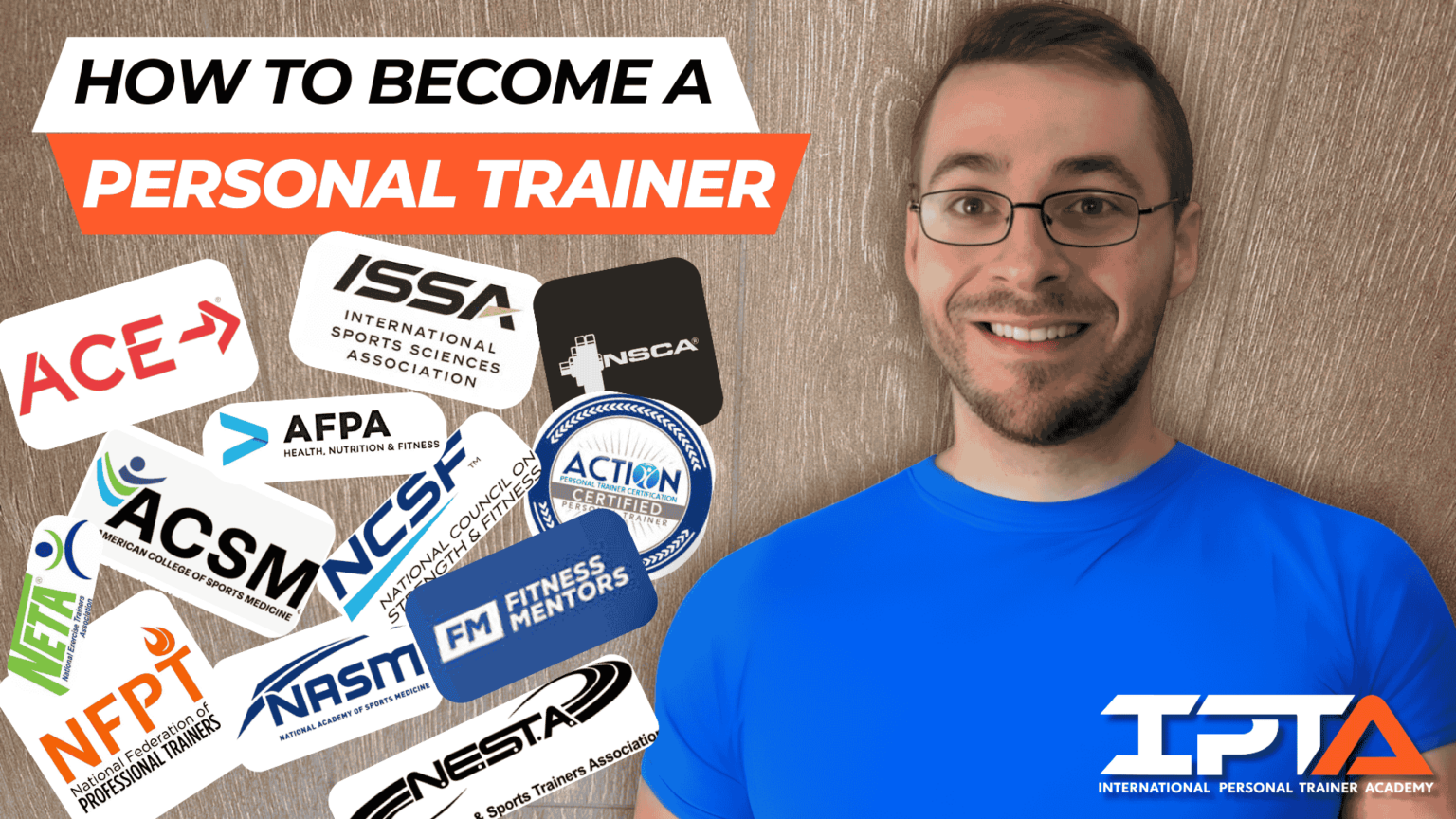
Becoming a personal fitness trainer requires a strategic combination of foundational anatomical knowledge, nationally recognized certification, practical hands-on experience, and ongoing business development. To enter this profession successfully, aspiring fitness professionals must evaluate their baseline prerequisites, complete an accredited certification program, acquire professional liability insurance, secure employment or launch an independent business, and commit to continuing education to maintain their credentials.
Transitioning from a dedicated fitness enthusiast into a credentialed, highly sought-after fitness professional involves much more than simply maintaining a personal workout routine. The health and wellness landscape demands a high level of scientific understanding, risk management, and interpersonal communication. Whether you intend to work within a commercial gym environment, build a private in-home training clientele, or scale a digital coaching brand, following a structured career roadmap ensures long-term viability and professional credibility.
Step 1: Meet the Prerequisites and Assess Your Baseline Knowledge
Before diving into certification textbooks, prospective personal trainers must verify that they meet the fundamental administrative and physical prerequisites required by major certifying agencies and employers.
Most reputable certifying bodies mandate that candidates possess the following qualifications:
- Age Requirement: Applicants must be at least 18 years old.
- Educational Background: A high school diploma or a General Educational Development (GED) certificate is almost universally required.
- Emergency Cardiovascular Care: Candidates must hold a current, hands-on certification in Cardiopulmonary Resuscitation (CPR) and Automated External Defibrillator (AED) training before taking their final certification exam. Fully online CPR courses that lack a practical, hands-on evaluation component are typically rejected by major certifying boards.
Beyond these administrative hurdles, evaluating your baseline knowledge of human anatomy, physiology, and basic movement mechanics is critical. While comprehensive certification programs teach these concepts from scratch, arriving with a foundational understanding of the skeletal system, major muscle groups, and energy systems significantly eases the study process. Dedicating time to self-assessment helps identify knowledge gaps early, allowing you to tailor your study plan effectively.
Step 2: Choose and Complete an Accredited Certification Program
The single most important technical requirement for a personal fitness trainer is earning a credential from an accredited certifying organization. In the fitness industry, accreditation bodies such as the National Commission for Certifying Agencies (NCCA) set the gold standard for quality, rigorous testing, and ethical practice. Hiring managers at major commercial health clubs almost exclusively require an NCCA-accredited credential.
Major Accrediting Bodies Compared
When selecting a certification program, weigh your career goals against the specific focus of each organization.
| Certifying Organization | Primary Focus and Strengths | Exam Difficulty | Ideal For |
|---|---|---|---|
| ACE (American Council on Exercise) | Behavioral coaching, lifestyle medicine, and working with diverse or special populations. | Moderate to High | Trainers focusing on holistic health, weight management, and behavioral change. |
| NASM (National Academy of Sports Medicine) | Corrective exercise, human movement science, and the proprietary OPT (Optimum Performance Training) model. | Moderate to High | Trainers targeting athletic performance, injury prevention, and structured, science-backed protocols. |
| ACSM (American College of Sports Medicine) | Clinical exercise science, rigorous physiological research, and medical fitness integration. | High | Professionals seeking clinical environments, physical therapy integration, and advanced exercise science. |
| NSCA (National Strength and Conditioning Association) | Strength, conditioning, athletic development, and sports-specific performance metrics. | High | Coaches working with competitive athletes, sports teams, and advanced lifting populations. |
Preparing for these certification exams requires disciplined study. Most programs offer tiered study packages ranging from self-study textbook bundles to premium packages featuring video lectures, practice exams, and live workshops. Dedicate between three to six months of consistent study to master complex topics like bioenergetics, joint kinematics, program design variables, and nutritional guidelines before scheduling your proctored exam.
Step 3: Obtain Professional Liability Insurance and CPR Certification
Once you pass your certification exam, you are technically qualified to train clients. However, practicing without professional liability insurance exposes you to significant financial and legal risks. In the fitness industry, accidents happen: a client might trip over a resistance band, drop a dumbbell on their foot, or aggravate an underlying physical condition during a session.
Why Liability Insurance Matters
Commercial gym facilities will typically require you to be listed as an additional insured on their corporate policy or mandate that you provide your own independent policy before stepping onto the training floor. If you operate independently—whether training clients in their homes, in public parks, or out of a private studio—an individual policy is non-negotiable.
Professional liability insurance typically covers two main areas:
- General Liability: Protects against third-party bodily injury or property damage (e.g., a client slipping on a wet floor near your equipment).
- Professional Liability (Errors and Omissions): Protects against claims of negligence, improper program design, or poor advice that leads to a client injury.
Concurrently, ensure your CPR/AED certification remains active. Most fitness certifications are valid for two years, and many certifying agencies require proof of current CPR/AED status to process continuing education units (CEUs) and keep your credential in good standing.
Step 4: Gain Practical Experience and Select Your Career Path
Holding a shiny new certification is only the beginning; bridging the gap between textbook theory and real-world application requires hands-on experience. The fitness industry offers several distinct career pathways, each with its own advantages, earning potential, and operational requirements.
Commercial Gym Employment
For newly certified trainers, starting in a commercial health club environment is often the most effective way to build confidence and a client base. Commercial gyms provide built-in foot traffic, mentorship from veteran trainers, structured sales training, and a steady, albeit modest, hourly base pay or commission structure. While the corporate environment involves meeting strict sales quotas and adhering to company policies, it eliminates the immediate need to market yourself from scratch.
Independent and Private Training
Once you have mastered client management, program design, and sales dynamics, you may choose to transition into independent contracting or opening your own private studio. Independent trainers keep a much larger percentage of their session fees, set their own schedules, and maintain complete creative control over their training philosophies. However, this route requires you to handle your own marketing, client acquisition, facility rental agreements, and administrative overhead.
Digital and Hybrid Coaching
The expansion of digital fitness platforms has created massive opportunities for online personal training. Hybrid trainers combine in-person sessions with remote program delivery, utilizing dedicated coaching apps to track client workouts, monitor nutrition, and review video submissions. This model allows trainers to scale their income beyond the physical limitations of a 40-hour work week.
Step 5: Commit to Continuing Education and Professional Specialization
The fitness industry evolves rapidly, driven by ongoing research in exercise science, biomechanics, and nutrition. To maintain your certification and stay competitive in the marketplace, you must commit to lifelong learning through continuing education.
Major certifying organizations require trainers to earn a specific number of Continuing Education Units (CEUs) every two years to recertify. This system ensures that fitness professionals remain up-to-date with industry standards and safety protocols.
High-Value Specializations
Diversifying your skill set through specialized certifications allows you to serve niche markets and command higher hourly rates. Consider pursuing advanced credentials in areas such as:
- Corrective Exercise: Assessing movement dysfunctions and designing corrective protocols for postural imbalances.
- Youth or Senior Fitness: Tailoring exercise prescriptions safely for developing bodies or aging populations.
- Performance Enhancement: Working with advanced athletes to maximize power, speed, and agility.
- Nutrition Coaching: Helping clients navigate caloric balance, macronutrient distribution, and sustainable dietary habits within your legal scope of practice.
Frequently Asked Questions
Can I become a personal fitness trainer without a degree?
Yes. A college degree in kinesiology, exercise science, or a related field is advantageous but not mandatory. Most major employers and insurance providers require an NCCA-accredited personal training certification, a high school diploma (or GED), and a valid CPR/AED certification rather than a four-year university degree.
Which personal training certification is the most respected?
Certifications accredited by the National Commission for Certifying Agencies (NCCA)—such as those offered by NASM, ACE, ACSM, and NSCA—are universally respected throughout the fitness industry. The "best" certification depends entirely on your specific career goals, whether that is athletic conditioning, clinical exercise physiology, or behavioral weight management.
How long does it take to become a personal trainer?
The timeline varies based on your existing knowledge and study pace. On average, preparing for and passing a certification exam takes between three to six months. Completing prerequisite CPR/AED training and securing liability insurance can typically be accomplished within a few days.
Do personal trainers need to carry liability insurance?
Yes. Professional liability insurance is essential for protecting yourself against financial ruin if a client is injured during a training session. Most commercial gyms require proof of insurance before allowing you to train clients on their premises, and independent trainers are entirely exposed without an individual policy.
How much do personal trainers make?
Earnings vary widely based on geographic location, employment model (commercial gym employee versus independent business owner), and hours worked. Entry-level commercial trainers often earn an hourly wage or commission, while established independent trainers or online coaches can scale their income significantly based on their client roster size and pricing structure.
Next Steps
To begin your journey today, choose an NCCA-accredited certifying agency that aligns with your professional goals, order your study materials, and enroll in a hands-on CPR/AED course. Dedicate specific hours each week to mastering the core scientific principles of exercise, and position yourself to enter the fitness industry with both theoretical knowledge and practical confidence.