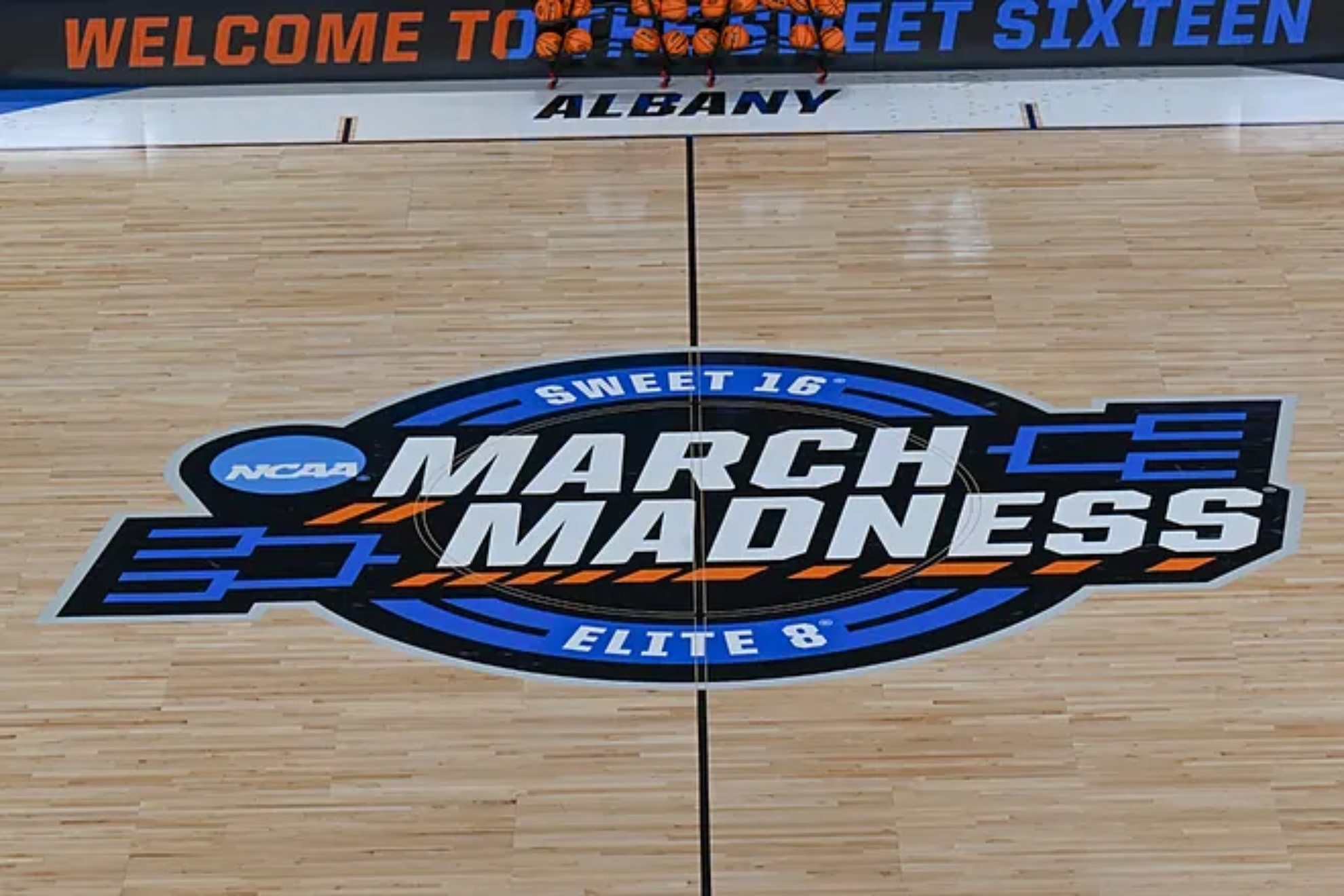
The 2025 NCAA Division I Men's Basketball Tournament schedule centers on five milestone dates across its host arenas: Selection Sunday on March 16, the First Four on March 18–19, the Opening Rounds on March 20–22, the Regional Sweet 16 and Elite Eight games from March 27–30, and the Final Four championship rounds culminating on April 5 and 7, 2025.
The annual spectacle of the NCAA Men's Basketball Tournament—universally known as March Madness—captivates sports fans, casual observers, and statistical analysts alike. Beyond the television screens and bracket pools, the tournament is an intricate logistical operation spanning multiple host cities, cutting-edge multipurpose arenas, and thousands of operations personnel. For travelers, ticket holders, and local economies, understanding the precise timeline of venue operations is vital.
The 2025 tournament cycle brought specific venues into the spotlight, each managing distinct milestones ranging from initial selection announcements to the final crowning of a national champion. Examining these dates reveals how modern sports architecture, regional tourism, and high-stakes athletic competition intersect across the United States.
Understanding the March Madness Venue Architecture
Before examining the calendar, it is essential to understand how the NCAA selects and utilizes its tournament arenas. Unlike a traditional playoff series where teams play on their home courts, March Madness utilizes neutral-site arenas curated years in advance by the NCAA Division I Men's Basketball Committee. These venues range from NBA-tier multipurpose centers to massive domed football stadiums capable of holding tens of thousands of screaming fans.
The tournament footprint expands dynamically over three weeks. It begins with regional play-in games, moves to multi-site first and second rounds, consolidates into regional hubs for the Sweet 16 and Elite Eight, and finally converges on a single host city for the Final Four. Each tier of the tournament introduces unique operational demands for the host arenas, involving rapid floor conversions, massive media setups, and stringent security protocols.
Analyzing the 2025 arena schedule requires looking at five distinct structural phases. Each phase represents a shift in venue utilization, geographic distribution, and fan engagement.
Key Date 1: Selection Sunday and Venue Finalization (March 16, 2025)
The first major date on the 2025 March Madness calendar is Selection Sunday, which took place on March 16, 2025. While games do not start on this day, it marks the exact moment arena operators, ticket holders, and participating teams learn their geographic destinations.
The Mechanism of the Reveal
During the televised selection show broadcast on CBS, the 68-team field is officially revealed. The selection committee assigns teams to four regional brackets (East, West, South, and Midwest) and pairs them with specific host sites. For arena managers in the First Four and First/Second Round locations, Selection Sunday triggers a frantic 72-hour operational sprint.
Prior to this date, venues know they are hosting games, but they do not know which fan bases will descend upon their facilities. Once the matchups are locked in, travel coordinators, hotel blocks, and ticket resale marketplaces experience an immediate surge in activity. Fans of mid-major and power-conference programs alike begin plotting travel logistics to the designated host arenas.
Operational Readiness
On March 16, host arenas shift from standard commercial operations—such as hosting concerts, family shows, or regular-season professional sports—to strict NCAA championship compliance. This includes branding takeovers, installation of standardized tournament court decals, adjustments to media row configurations, and final security sweeps.
Key Date 2: The First Four Play-In Games at UD Arena (March 18–19, 2025)
The tournament action officially tips off at the University of Dayton Arena in Dayton, Ohio, on March 18 and 19, 2025. UD Arena holds a historic and structural monopoly on this phase of the tournament, having hosted more NCAA tournament games than any other venue in history.
The Significance of Dayton
Often referred to as "Hoops Town USA," the University of Dayton Arena serves as the permanent spiritual and physical home of the First Four. The two-day event features the final four at-large teams and the four lowest-seeded automatic qualifiers battling for the last spots in the Round of 64.
| Tournament Phase | Dates (2025) | Primary Host Arenas / Cities | Key Operational Focus |
|---|---|---|---|
| First Four | March 18–19, 2025 | UD Arena (Dayton, OH) | Play-in games, rapid turnaround, local fan engagement |
| First & Second Rounds | March 20–22, 2025 | 8 Regional Sites (e.g., Denver, Providence, Raleigh) | Multi-session crowds, media integration, venue branding |
| Regional Semifinals & Finals | March 27–30, 2025 | 4 Regional Hubs (Atlanta, Newark, San Francisco, etc.) | High-capacity hosting, VIP accommodations, tactical logistics |
| Final Four & National Championship | April 5 & 7, 2025 | Alamodome / Major Domed Stadiums | Massive attendance, custom floor installation, global media |
Arena Logistics and Turnaround
Managing the First Four requires exceptional logistical agility. Arena staff must accommodate intense media scrutiny and packed houses twice in rapid succession. The quick transition from regular season or campus events to a pristine, neutral NCAA showcase sets the operational tone for the entire three-week tournament.
Key Date 3: Opening Rounds and Pod Allocation (March 20–22, 2025)
The third critical milestone encompasses the First and Second Rounds, held across eight different host arenas nationwide from Thursday, March 20, through Saturday, March 22, 2025. This is the most complex phase of tournament arena management because it requires simultaneous multi-city execution.
Geographic Distribution of Venues
To minimize travel burdens for top-seeded teams and maximize ticket sales, the NCAA divides the opening weekend across multiple regional pods. For the 2025 tournament, arenas in diverse geographic markets welcomed thousands of fans for the iconic opening weekend.
During these three days, host arenas host two distinct sessions of games. Session one typically features a pair of afternoon and evening matchups, followed by a rapid arena clearance and reset before session two. Arena operations teams execute these transitions seamlessly, managing crowd flow, concession restocking, and court maintenance while thousands of fans wait in concourses.
The Fan and Local Economic Impact
For host cities, the March 20–22 window represents a massive economic windfall. Hotels, restaurants, and local transport networks operate at peak capacity. Arena staff coordinate closely with local municipal police and traffic control departments to manage the influx of tens of thousands of out-of-town visitors within compressed windows.
Key Date 4: The Regional Sweet 16 and Elite Eight Hubs (March 27–30, 2025)
As the field narrows from 64 teams down to the final eight, the tournament transitions from decentralized pods to four massive regional hubs. These games took place from March 27 through March 30, 2025.
Elevating the Arena Experience
Regional sites demand larger arenas and more sophisticated infrastructure. These venues must accommodate international media delegations, extensive broadcast trucks, advanced instant-replay operation centers, and heightened security protocols commensurate with late-stage championship play.
The Sweet 16 games take place on Thursday and Friday, March 27 and 28, with the winners advancing to the Elite Eight games on Saturday and Sunday, March 29 and 30. Arena conversion crews work overnight between the Sweet 16 and Elite Eight games to update floor branding, adjust locker room assignments, and prepare for the single-elimination game that punches a ticket to the Final Four.
Tactical Challenges for Host Venues
Hosting a regional site involves managing high-net-worth donors, corporate sponsors, and passionate alumni groups. Arena suites, club levels, and premium seating areas operate under strict NCAA hospitality guidelines. Furthermore, technical specifications regarding lighting, acoustics, and scoreboard integration must meet exacting broadcast standards for national networks like CBS and Turner Sports.
Key Date 5: The Final Four and National Championship (April 5 & 7, 2025)
The pinnacle of the March Madness arena schedule occurred on April 5 for the National Semifinals and April 7, 2025, for the National Championship game. Unlike the earlier rounds held in standard basketball or hockey arenas, the Final Four requires massive domed stadiums configured specifically for basketball.
The Dome Configuration Challenge
Transforming a football stadium or multipurpose dome into a basketball arena is an engineering marvel. Because stadiums are designed for wide football fields, temporary seating risers are constructed directly on the stadium floor to bring spectators closer to the elevated court positioned at the 50-yard line.
- STADIUM UPPER DECK SEATING
- Temporary Riser Seating (East) and Temporary Riser Seating (West) flanking CENTER COURT (Elevated 3ft)
- STADIUM LOWER DECK SEATING
This configuration allows attendance figures to exceed 70,000 to 80,000 spectators per session—vastly outnumbering traditional arena capacities. Lighting rigs, massive center-hung or end-zone scoreboards, and specialized audio baffling are deployed to ensure optimal acoustics and visibility within the cavernous space.
The Final Weekend Timeline
- April 4, 2025: Open practices, media day, and fan festivals (such as the March Madness Music Festival) dominate the host city.
- April 5, 2025: National Semifinals tip off in front of a massive stadium crowd.
- April 6, 2025: Rest day for the two surviving teams, featuring closed practices and media availability.
- April 7, 2025: The National Championship game crowns the ultimate winner, concluding the arena cycle for the year.
Operational Standards and Venue Compliance
Behind the excitement of buzzer-beaters and Cinderella runs lies a rigid framework of NCAA operational standards that every host arena must satisfy. Compliance is non-negotiable and spans several core domains.
Floor Safety and Specifications
The playing surface itself is subject to rigorous inspection. The portable wooden floor panels—often custom-designed and painted for each round—must be assembled precisely. Technicians test bounce consistency, surface traction, and seam alignment across every square foot. Temperature and humidity within the arena are strictly regulated to prevent condensation on the playing surface, which poses severe injury risks to elite athletes.
Broadcast and Media Infrastructure
Modern March Madness arenas must support complex broadcast ecosystems. This includes dedicated fiber-optic lines, camera wells positioned strategically around the perimeter, courtside media seating with power and data hookups, and sprawling flash-interview corridors. Arena facilities teams collaborate months in advance with television network engineers to test signal redundancies and power supplies.
Security and Crowd Management
With millions of viewers tuning in and tens of thousands packed into confined spaces, arena security is a multi-agency undertaking. Local law enforcement, private security contractors, and federal partners coordinate baggage screening protocols, metal detector operations, and emergency evacuation plans.
Common Misconceptions About March Madness Arenas
Navigating tournament logistics often leads to confusion among fans and media members. Clarifying these points helps set accurate expectations.
- Misconception 1: Arenas are chosen based on team proximity.
- Fact: Host arenas are selected years in advance through a formal bidding process by the NCAA. Teams are assigned to regional sites based on their seeding and bracket placement after Selection Sunday, frequently resulting in games played far from the host institutions' home regions.
- Misconception 2: Regular-season tenant teams manage the tournament games.
- Fact: Once tournament week begins, operational control of the arena transfers entirely to the NCAA championship staff. Local arena staff assist, but NCAA committees dictate branding, ticketing, and media access.
- Misconception 3: Final Four venues are standard basketball arenas.
- Fact: Modern Final Four events require massive domed stadiums to accommodate crowds exceeding 70,000 people, requiring temporary seating structures built over the stadium floor.
Frequently Asked Questions
How are March Madness host arenas selected?
The NCAA solicits bids from cities and arenas years in advance. Selection committees evaluate venues based on seating capacity, hotel availability, transportation infrastructure, local organizing committee support, and compliance with strict NCAA technical and financial standards.
Why do some arenas host multiple rounds while others host only one?
Venues hosting First and Second rounds manage multi-session blocks across a few days, whereas Regional sites handle fewer games over a weekend with greater media and fan density. Final Four venues require massive stadium capacity that standard basketball arenas cannot provide.
What happens to the basketball court after the tournament concludes?
Portable tournament floors are carefully dismantled, cataloged, and often repurposed. Sections are frequently sold to fans and donors, retained by the host universities, or preserved by the NCAA as historical memorabilia.
Can arena seating configurations change between tournament rounds?
Yes. Opening-round pods use standard arena seating configurations, while Final Four venues require complex temporary seating risers constructed over stadium floors to dramatically increase capacity for the championship weekend.
What are the primary technical requirements for a March Madness arena?
Venues must provide high-speed fiber-optic connectivity for broadcast networks, strict temperature and humidity control to protect the wooden playing surface, adequate locker room space for four teams simultaneously during opening rounds, and extensive security screening perimeters.
Conclusion and Next Actions
Understanding the five key dates for 2025 March Madness arenas—Selection Sunday on March 16, the First Four on March 18–19, the Opening Rounds on March 20–22, the Regional Hubs from March 27–30, and the Final Four on April 5 and 7—highlights the immense logistical choreography required to execute college basketball's premier championship. For travelers, sports enthusiasts, and industry professionals, tracking these milestones ensures better preparation for ticket acquisition, travel planning, and appreciation of elite venue management. When planning for future tournament cycles, review official NCAA venue announcements early, monitor ticket allocation timelines, and verify hotel and travel policies well in advance of Selection Sunday.