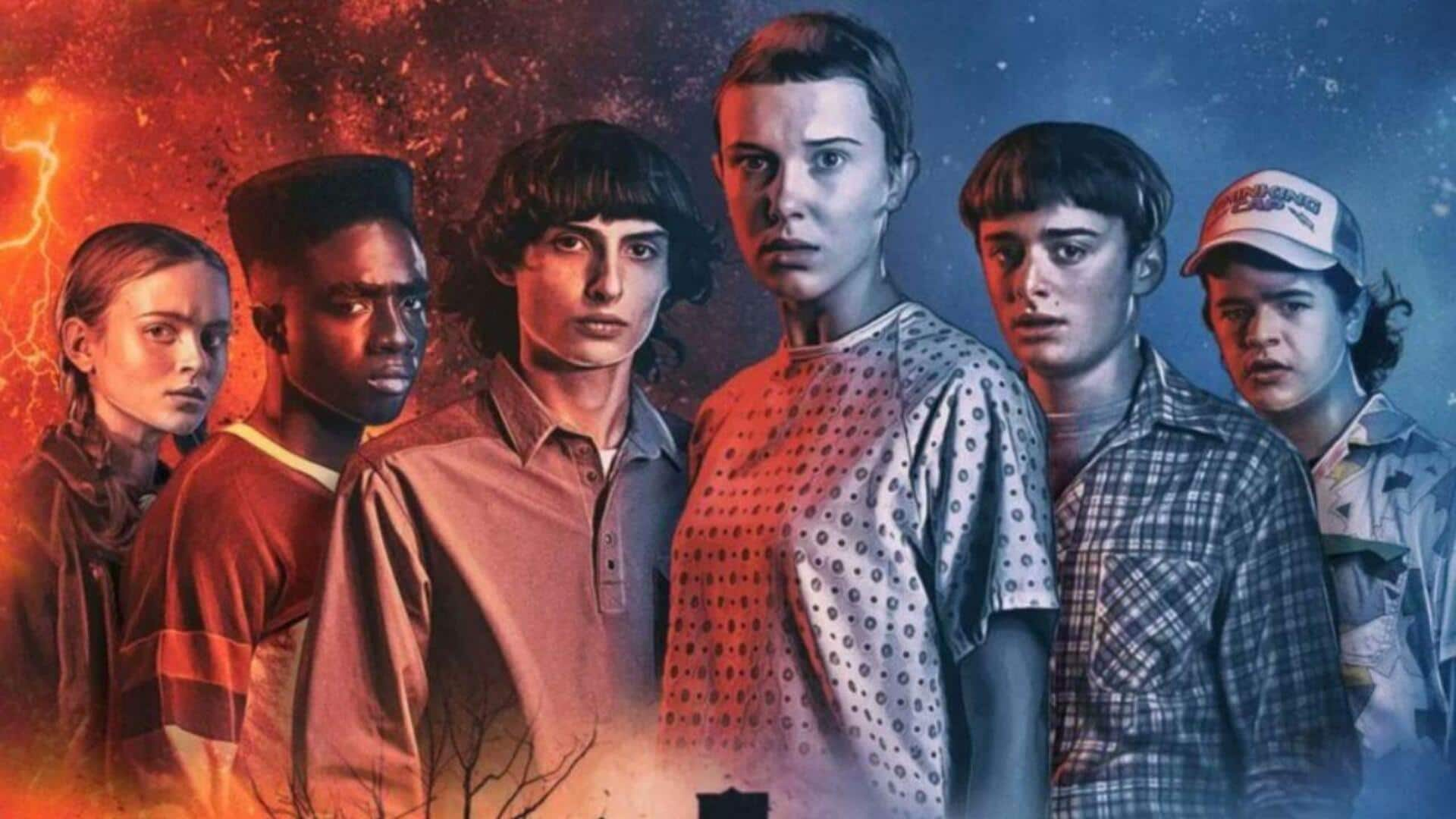
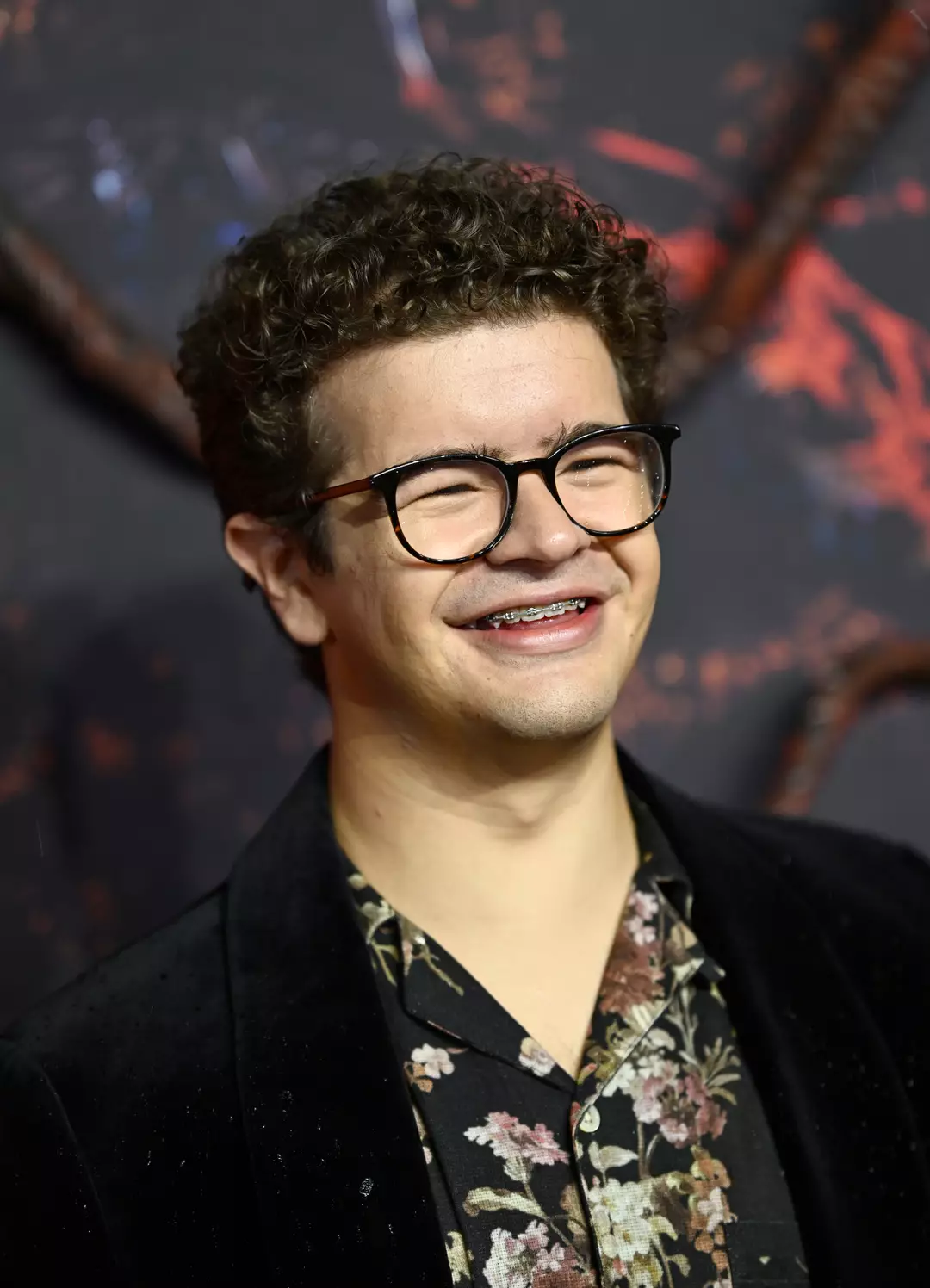
The young cast of Stranger Things was chosen to capture authentic coming-of-age experiences, with the core actors ranging from 11 to 14 years old when production began in 2015, which created unique logistical considerations as the characters aged alongside real-world developments over multiple seasons.
Introduction to the Phenomenon of Aging in Long-Form Television
When the Duffer Brothers introduced the fictional town of Hawkins, Indiana, in the summer of 2016 through Netflix, audiences were immediately captivated by a group of pre-teen boys playing Dungeons & Dragons in a damp basement. This ensemble cast quickly became a cultural touchstone. However, one of the most fascinating behind-the-scenes realities of modern television production is the discrepancy between the ages of characters in a script and the chronological ages of the actors portraying them. This divergence becomes exponentially more pronounced when children and teenagers star in multi-season sci-fi epics that require extensive post-production, complex visual effects, and unforeseen scheduling delays, such as those caused by global industry strikes and health crises.
Examining the ages of the Stranger Things cast offers a compelling window into the mechanics of Hollywood casting, labor laws regarding minor actors, and the natural human maturation process captured on film. Because seasons do not release in consecutive calendar years, the actors have often grown up far faster than their on-screen counterparts. Understanding these chronological realities deepens the appreciation of how these performers transitioned from absolute relative unknowns into globally recognized adult actors.
Fact 1: The Age Gap Between Characters and Actors in Season 1
When principal photography for the first season commenced in November 2015, the core group of young actors was carefully selected to mirror the 12-year-old characters written in the script. Yet, even in the very first season, minor casting discrepancies existed between the fictional timeline and real-world birthdays.
Millie Bobby Brown, who portrayed the enigmatic telekinetic character Eleven, was born in February 2004, making her 11 years old during the majority of the filming for Season 1 and turning 12 shortly before the series premiered in July 2016. Finn Wolfhard (Mike Wheeler) and Gaten Matarazzo (Dustin Henderson) were both born in 2002, placing them around 13 years old during production. Caleb McLaughlin (Lucas Sinclair) was born in October 2001, making him 14 years old on set, though still playing a middle school student. Noah Schnapp (Will Byers), born in October 2004, was 11 years old during filming.
| Actor Name | Character Played | Birth Year | Approx. Age During Season 1 Filming (2015) |
|---|---|---|---|
| Millie Bobby Brown | Eleven | 2004 | 11 |
| Noah Schnapp | Will Byers | 2004 | 11 |
| Finn Wolfhard | Mike Wheeler | 2002 | 13 |
| Gaten Matarazzo | Dustin Henderson | 2002 | 13 |
| Caleb McLaughlin | Lucas Sinclair | 2001 | 14 |
| Sadie Sink | Max Mayfield (Joined Season 2) | 2002 | 14–15 (Season 2 filming) |
This table illustrates that while casting directors aimed for early adolescence, the physical development rates of 11-year-olds versus 14-year-olds varied significantly, setting the stage for noticeable growth spurts in subsequent seasons.
Fact 2: The Production Gaps Caused Real-World Aging to Outpace the Script
One of the defining characteristics of Stranger Things is the expansive time gap between individual seasons. While television shows in the 20th century routinely produced a new season every 12 months like clockwork, prestige streaming dramas often require two to three years between releases due to sprawling cinematic scopes, elaborate visual effects workloads, and external disruptions.
For instance, Season 3 premiered in July 2019, but Season 4 did not debut until May 2022—a three-year hiatus exacerbated by global production shutdowns. During this period, the young actors naturally aged from mid-teens into late teens and young adulthood. To compensate for this rapid biological maturation, the Duffer Brothers intentionally incorporated time jumps into the narrative structure of the show. Season 4, for example, took place in the spring of 1986, roughly eight months after the events of the Starcourt Mall catastrophe in Season 3, pushing the characters into high school. Despite these narrative bridges, viewers could visibly witness the deepening voices, changing facial structures, and added height of actors who had transformed from children into adults before the camera lens.
Fact 3: The Older Teen Cast Members Were Significantly Older Than Their Roles
While the focus often remains on the younger core group, the actors portraying high school students in Season 1 were already legal adults or significantly older than the teenagers they played. This is a common Hollywood practice designed to bypass stringent child labor laws, which strictly limit the number of hours minors can work per day, restrict night shoots, and mandate on-set tutors.
Natalia Dyer (Nancy Wheeler), Charlie Heaton (Jonathan Byers), and Joe Keery (Steve Harrington) played high school juniors and seniors in Season 1. When filming began in late 2015, Natalia Dyer was 18 years old, Charlie Heaton was 21 years old, and Joe Keery was 23 years old. By the time the series reached its later seasons, these actors were firmly in their late twenties and early thirties, portraying characters who were navigating university applications, early careers, and early adulthood. This age stratification allowed the production crew to maintain flexible shooting schedules, as adult actors could legally work longer shifts, handle complex night sequences involving the Upside Down without educational restrictions, and perform more demanding physical stunts.
Fact 4: Child Labor Laws and Working Hour Restrictions on Set
Managing a cast where the principal actors are minors introduces complex legal compliance requirements under United States federal and state labor regulations, as well as Screen Actors Guild (SAG-AFTRA) guidelines. Georgia, where the majority of Stranger Things was filmed, has specific statutes regarding the employment of minors in the entertainment industry.
During the early seasons, actors under the age of 16 were legally restricted regarding how many consecutive hours they could spend on set. These limitations included mandatory periods for education with studio-provided teachers, mandatory rest breaks, and strict curfews that prohibited late-night outdoor filming. Consequently, assistant directors and script supervisors had to carefully orchestrate shooting schedules, often utilizing body doubles, clever lighting angles, and stand-ins for wide shots when the minor actors were legally required to step away from the cameras. As the actors grew older and crossed the threshold of 16 and 18 years old, these restrictive educational and hourly mandates gradually relaxed, granting the production significantly more flexibility during intensive night shoots and complex action sequences.
Fact 5: The Final Season and the Culmination of a Decade-Long Journey
As production stretched into the final phases leading toward the series conclusion, the generational evolution of the cast became a defining narrative and cultural talking point. The actors who began their tenure as children entered adulthood over the course of the multi-year production cycle.
This real-world aging process created a unique artistic dynamic: the characters in Hawkins were forced to grow up quickly due to supernatural horrors, mirroring how the actors themselves were forced to mature under the intense spotlight of international stardom. The transition from middle school awkwardness to the gravity of early adulthood mirrored the tonal shift of the series itself, moving from a nostalgic Amblin-esque science-fiction adventure into a dark, high-stakes apocalyptic battle. The aging of the cast thus became an inseparable part of the show's legacy, permanently stamping the production as a rare coming-of-age chronicle captured live over a generation.
Frequently Asked Questions
How old were the main actors when Stranger Things started?
The core child actors were between 11 and 14 years old when filming began in late 2015. Millie Bobby Brown and Noah Schnapp were 11, Finn Wolfhard and Gaten Matarazzo were 13, and Caleb McLaughlin was 14. The older teen cast members, such as Joe Keery and Charlie Heaton, were in their early twenties.
Why did the characters age faster in real life than on the show?
Extended production timelines, complex visual effects, and multi-year gaps between season releases caused the actors to age significantly faster in the real world than the fictional timeline of Hawkins permitted. To account for this, writers implemented narrative time jumps between seasons.
Did child labor laws affect how Stranger Things was filmed?
Yes. During the earlier seasons, actors under 16 were subject to strict legal limits on working hours, mandatory on-set schooling, and nighttime curfews. This required the production team to schedule scenes meticulously and utilize stand-ins or body doubles when young actors were off the clock.
How old are the main cast members now?
By 2026, the core young actors who began the series as pre-teens are in their early-to-mid twenties. Having spent nearly a decade growing up in front of a global audience, they have successfully transitioned into adult film and television careers.
Will there be digital de-aging used for the actors in the final season?
While industry speculation often surrounds long-running series with aging casts, the Duffer Brothers and production team relied primarily on natural narrative time jumps, wardrobe adjustments, and professional hair and makeup styling rather than extensive digital de-aging.
Conclusion and Next Action
Tracking the ages and developmental milestones of the Stranger Things cast reveals the intricate logistical and artistic challenges of producing long-form serial television with a youthful ensemble. To explore this topic further, review official production notes, retrospective interviews with the Duffer Brothers, and official SAG-AFTRA guidelines regarding minor employment in media production to understand the full scope of bringing such a massive project to the screen.