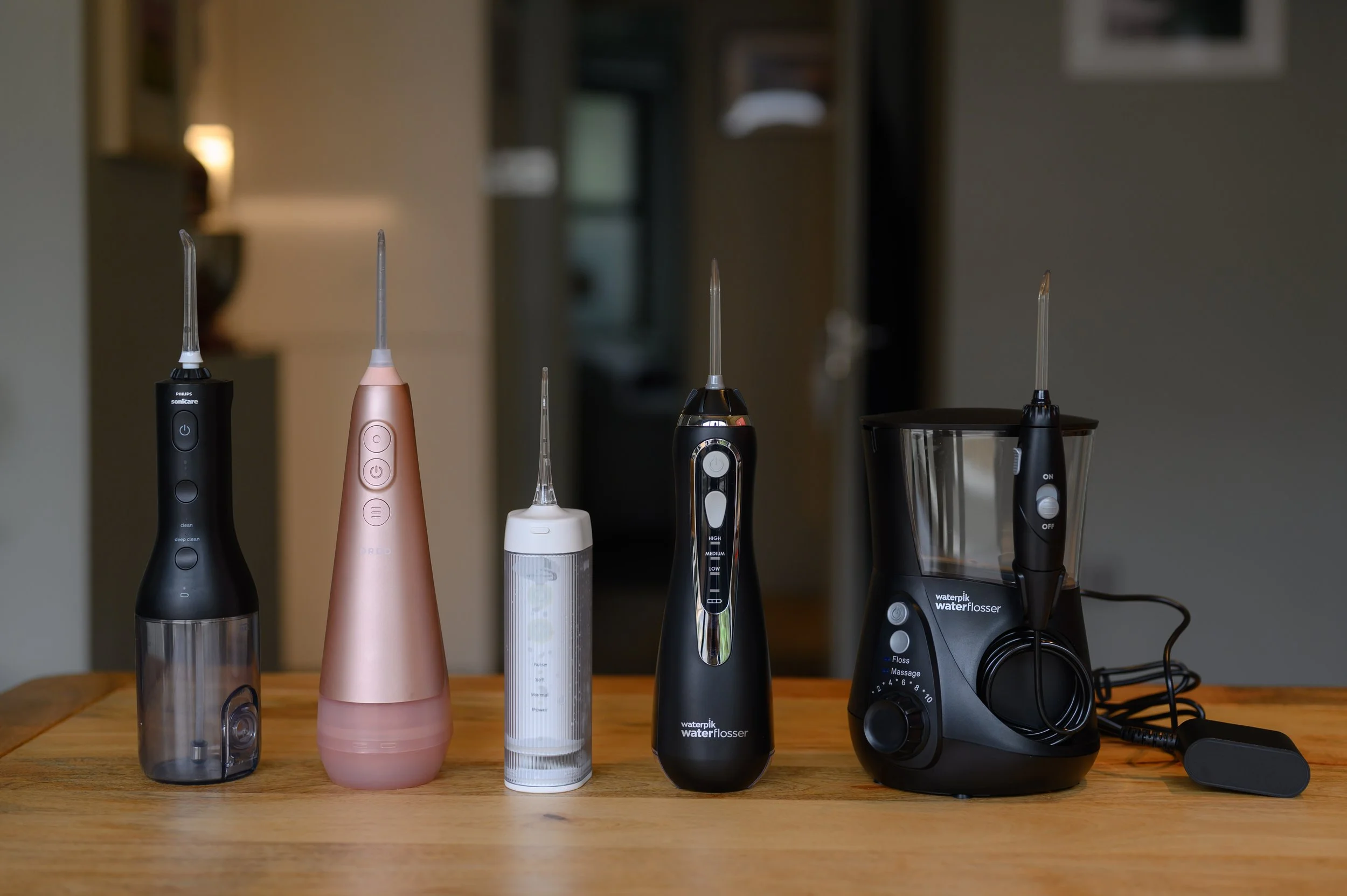
Selecting the best water flosser in the UK requires balancing pressure performance, reservoir capacity, and bathroom space constraints. For most users in 2026, the Waterpik Aquarius Professional remains the gold standard for deep cleaning, while the Philips Sonicare Power Flosser 7000 leads in coverage technology. Those with limited space should prioritise the Waterpik Cordless Advanced.
The Evolution of Oral Irrigation in the UK
By 2026, the landscape of dental hygiene in the United Kingdom has shifted significantly toward preventative home care. Water flossers, or oral irrigators, have moved from niche orthodontic tools to mainstream essentials. Clinical studies have consistently shown that high-quality water flossers can be up to 50% more effective than traditional string floss for improving gum health and removing plaque.
The UK market is unique due to specific bathroom regulations (such as the prevalence of two-pin shaver sockets) and a growing demand for sustainable, long-lasting appliances. When comparing the top models, we look beyond simple water pressure; we examine pulsation technology, nozzle versatility, and the longevity of internal pumps.
1. Waterpik Aquarius Professional (WP-660UK) – The Definitive Benchmark
The Waterpik Aquarius Professional remains the most recommended model by UK dental professionals. It is a "countertop" unit, meaning it requires a permanent spot on your bathroom vanity and a connection to a power source.
Technical Performance and Pressure
The Aquarius features an advanced pressure-control system with ten distinct settings ranging from 10 to 100 PSI. This granularity is vital; beginners or those with gingivitis can start at level 2 or 3, while experienced users can move to level 10 for maximum plaque debridement. The device delivers 1,400 water pulses per minute, a frequency engineered to disrupt subgingival bacteria that string floss cannot reach.
Features and Design
One of its standout features is the "Floss Mode" vs. "Hydro-Pulse Massage Mode." Floss mode provides maximum plaque removal, while the massage mode uses a specific pulsation pattern to stimulate blood flow in the gums, aiding in the recovery of recessed or inflamed tissue. The 600ml reservoir provides over 90 seconds of continuous flossing, which is generally sufficient for a thorough clean without refilling.
Pros and Cons
- Pros: Exceptional durability; includes seven different tips (Orthodontic, Plaque Seeker, etc.); large reservoir.
- Cons: Requires a 2-pin shaver socket; takes up significant counter space.
2. Philips Sonicare Power Flosser 7000 – The Best for Coverage
Philips has challenged Waterpik's dominance with the Power Flosser 7000, focusing heavily on user experience and "Quad Stream" technology. This model is designed for those who find the manual aiming of a traditional flosser tedious.
Quad Stream Technology
The primary innovation here is the Quad Stream nozzle. Unlike a single jet of water, this tip creates an X-shaped stream that covers four times more surface area. This allows the user to move the tip quickly along the gumline without missing the interdental gaps. For many UK users, this reduces the "mess factor" often associated with water flossing.
Whisper-Quiet Operation
A common complaint with countertop water flossers is the noise of the pump. The Power Flosser 7000 is engineered with acoustic dampening that makes it significantly quieter than the Waterpik Aquarius. It also features a magnetic dock for the handle, preventing it from rattling or falling off the base.
Pros and Cons
- Pros: Fastest cleaning time; extremely quiet; sleek, modern aesthetic.
- Cons: Higher price point; Quad Stream tips are more expensive to replace than standard jet tips.
3. Waterpik Cordless Advanced (WP-560UK) – The Best Portable Solution
In the UK, many older bathrooms lack a shaver socket near the sink. This makes the Waterpik Cordless Advanced a top contender. It is a handheld, waterproof unit that contains the motor, battery, and reservoir in a single wand.
Charging and Power
This model utilizes a magnetic rapid-charging system. In 2026, this is a preferred standard as it eliminates open charging ports that can corrode in humid environments. It reaches a full charge in roughly four hours, which lasts for approximately one to two weeks of daily use.
Portability and Waterproofing
The WP-560 is IPX7 rated, meaning it is safe to use in the shower—a common habit for users who want to avoid splashing the bathroom mirror. While the reservoir is smaller (approx. 200ml), providing about 45 seconds of use, the trade-off is total mobility and a smaller footprint.
Pros and Cons
- Pros: No cables required; travel-friendly; includes a microfiber travel bag.
- Cons: Frequent refilling required; only three pressure settings compared to ten on countertop models.
4. Panasonic EW1511 – Ultrasonic Technology
The Panasonic EW1511 takes a different technical approach. Rather than relying solely on high pressure, it uses a proprietary ultrasonic nozzle to generate micro-bubbles within the water stream.
The Ultrasonic Advantage
When these micro-bubbles collapse against the tooth surface, they create shockwaves that help to loosen stubborn plaque and food debris. This allows for an effective clean at lower, more comfortable pressure settings. It is particularly effective for those with sensitive teeth or dental implants, where high-pressure jets might cause discomfort.
Ergonomics
The handle is designed with a tapered grip, making it easier to maneuver at the back of the mouth. It also features a very rapid 1-hour charging time, which is the fastest in its class for 2026.
Pros and Cons
- Pros: Very gentle on sensitive gums; incredibly fast charging; lightweight.
- Cons: Lower maximum PSI than Waterpik; reservoir can be difficult to clean thoroughly.
5. Oclean W10 – The Best Design and Value
Oclean has gained a strong foothold in the UK market by offering high-tech features at a mid-range price. The W10 is their flagship portable model, known for its stylish design and variety of modes.
Cleaning Modes and Intelligence
The W10 offers five distinct modes, including a "Pulse Mode" and a "Point-to-Point" mode designed specifically for those with braces. It uses a high-frequency brushless motor that is both energy-efficient and durable. Unlike older portable models, the W10 includes a translucent reservoir so you can easily monitor the water level.
Modern Connectivity
One of the most appreciated features of the Oclean W10 in 2026 is the USB-C charging port. Since most UK consumers already have USB-C cables for phones and laptops, this reduces the need for proprietary chargers and makes it an excellent choice for international travel.
Pros and Cons
- Pros: Modern USB-C charging; attractive design; excellent battery life (up to 30 days).
- Cons: Customer support is less established in the UK compared to Philips or Waterpik.
Technical Comparison Table
The following table compares the essential metrics for the top 5 water flossers available in the UK as of 2026.
| Model | Type | Pressure Settings | Reservoir Capacity | Power Source | Key Advantage |
|---|---|---|---|---|---|
| Waterpik Aquarius | Countertop | 10 (10–100 PSI) | 600ml | 2-Pin Shaver Plug | Maximum clinical efficacy |
| Philips Sonicare 7000 | Countertop | 10 (Adjustable) | 600ml | 2-Pin Shaver Plug | Quad-Stream coverage |
| Waterpik Cordless Adv. | Portable | 3 (45–75 PSI) | 200ml | Magnetic USB | Shower-safe & Compact |
| Panasonic EW1511 | Portable | 5 (Adjustable) | 200ml | Charging Stand | Ultrasonic bubble tech |
| Oclean W10 | Portable | 5 (Adjustable) | 200ml | USB-C | Best value & battery |
Essential Technical Buying Factors
When choosing between these models, understanding the technical specifications is more important than the marketing claims.
Water Pressure (PSI) vs. Pulsation
Pressure (measured in Pounds per Square Inch) is what dislodges the debris, but pulsation is what disrupts the biofilm. A high PSI without pulsation is just a sharp stream of water that can hurt the gums. The best devices, like those from Waterpik, maintain a pulse rate between 1,200 and 1,600 per minute. This specific frequency is designed to create a "compression and decompression" effect on the gum tissue, which flushes out bacteria from deep periodontal pockets.
Nozzle Types and Their Uses
Most premium flossers come with a variety of tips. Understanding their purpose is key to getting value for your money:
- Classic Jet Tip: For general use.
- Orthodontic Tip: Features a tapered brush to clean around braces and wires.
- Plaque Seeker Tip: Designed for implants, crowns, and bridges with three thin tufts of bristles.
- Pik Pocket Tip: A soft rubber tip designed to deliver medicated rinses deep into gum pockets (used on the lowest pressure setting only).
Power and Charging in the UK
UK bathrooms are governed by the BS 7671 wiring regulations, which generally prohibit standard 3-pin sockets in zones near water. Consequently, countertop models always use the 2-pin "shaver" plug. If your bathroom lacks this, you must either use an adapter in another room or opt for a cordless model. In 2026, USB-C has become the preferred charging method for cordless units, offering much more convenience than proprietary charging cradles.
Maintenance and Long-term Care
A water flosser is a mechanical device that handles water, making it susceptible to two main issues: limescale and mould.
Dealing with UK Hard Water
Many areas of the UK, particularly in the South and East of England, have very hard water. Limescale can build up inside the pump and the internal tubing, reducing pressure over time. To prevent this, it is recommended to run a solution of water and white vinegar through the machine once every two months. Fill the reservoir with warm water and 2 tablespoons of white vinegar, run it through, and then run a full reservoir of clean water to rinse.
Hygiene and Nozzle Replacement
Nozzles should be replaced every 3 to 6 months. Over time, the plastic tip can develop microscopic scratches that house bacteria. Furthermore, always empty the reservoir after each use. Leaving stagnant water in the tank can lead to the growth of biofilm or mould, especially in the warm, humid environment of a bathroom.
Common Mistakes to Avoid
- Using Cold Water: For those with sensitive teeth, cold water can be painful. Use lukewarm water for a more comfortable experience.
- Starting on High Pressure: Never start a water flosser on the highest setting. This can cause gum trauma and bleeding. Always start at the lowest setting and gradually increase it over several weeks.
- Looking in the Mirror: Looking in the mirror while flossing usually results in water spraying everywhere. The correct technique is to lean over the sink, place the tip in your mouth, close your lips slightly to prevent splashing, and let the water flow out of your mouth into the basin.
- Replacing String Floss Entirely: While water flossers are excellent, some dentists still recommend occasional string flossing to remove "sticky" plaque that requires physical scraping. Consult your dental professional for a personalized plan.
Frequently Asked Questions
Can a water flosser replace traditional string floss?
While clinical evidence from the Oral Health Foundation suggests that water flossers are highly effective at reducing gingivitis and removing plaque, many dentists view them as a powerful supplement rather than a 100% replacement. Water flossers are superior for cleaning around braces and implants, but string floss provides a mechanical scraping action that is unique. Using both is the "gold standard" for oral hygiene.
Can I use mouthwash in my water flosser?
Yes, most models allow you to add a small amount of mouthwash to the reservoir. However, it should always be diluted with water (usually a 1:1 or 1:2 ratio). After using mouthwash, it is critical to flush the unit with plain water to prevent the chemicals in the mouthwash from gumming up the internal pump and seals.
Is it normal for gums to bleed when first using a water flosser?
Small amounts of bleeding can be normal during the first week of use, especially if you have not been flossing regularly. This is often a sign of early-stage gum inflammation. However, if the bleeding is heavy or persists after two weeks of daily use, you should stop and consult a dentist.
How often should I use it?
For optimal results, you should use your water flosser once per day, preferably before brushing your teeth at night. Removing the debris between the teeth first allows the fluoride in your toothpaste to reach the interdental surfaces more effectively.
Final Recommendation: Which One Should You Buy?
Your choice depends largely on your bathroom setup and specific dental needs:
- For the best possible clean: Choose the Waterpik Aquarius Professional. Its range of pressure settings and specialized tips make it the most versatile tool for long-term gum health.
- For speed and ease of use: Choose the Philips Sonicare Power Flosser 7000. The Quad Stream nozzle is a genuine time-saver and reduces the learning curve for beginners.
- For small bathrooms or travel: Choose the Oclean W10. The combination of USB-C charging, long battery life, and a competitive price makes it the most practical portable option in 2026.
Regardless of the model you choose, consistency is the key to results. Regular water flossing significantly reduces the risk of periodontal disease and can lead to shorter, less invasive dental check-ups.