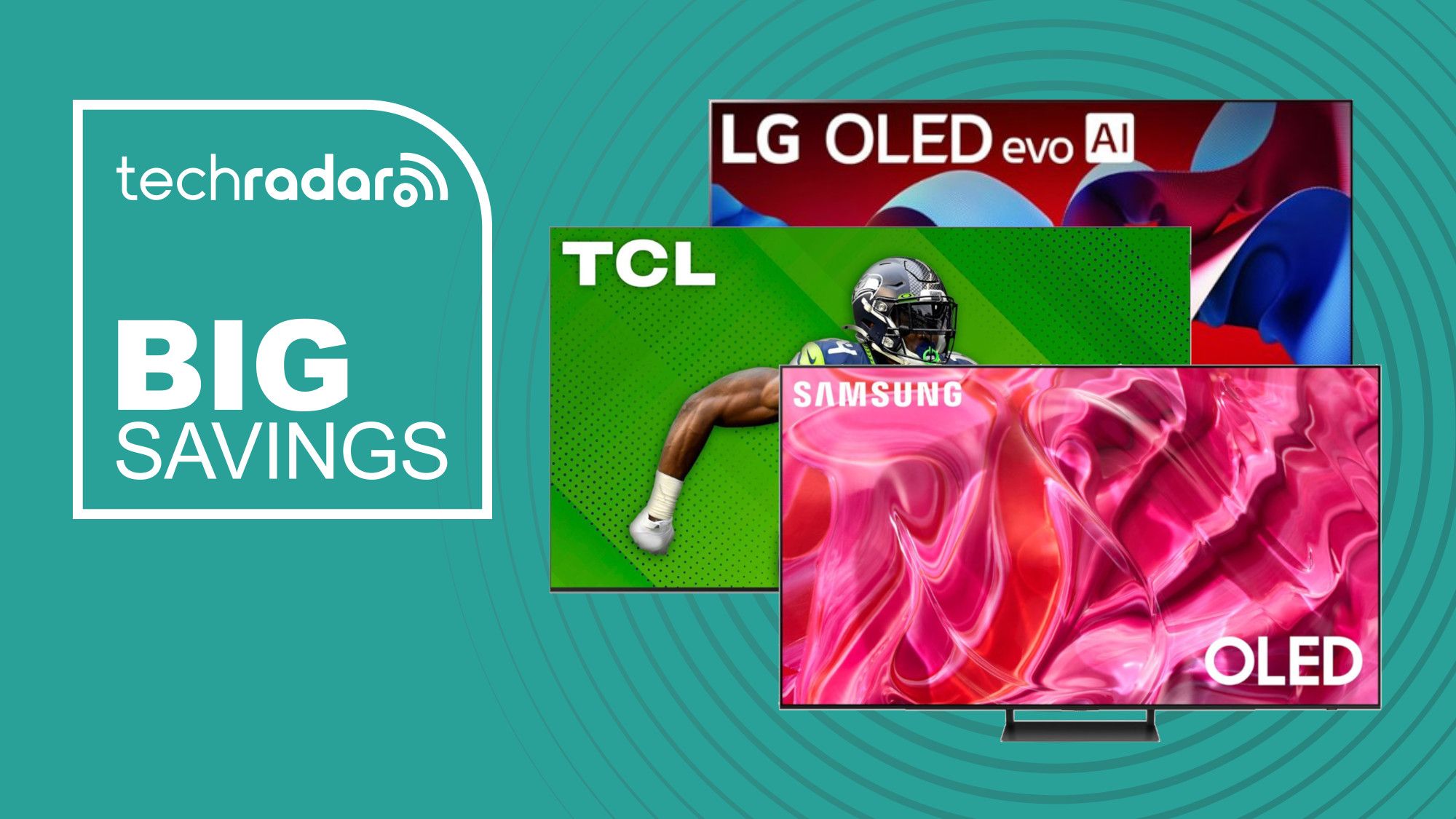
Navigating the market for extra-large displays involves balancing panel technology, screen real estate, and pricing to find the best big screen TV deals available. When evaluating these oversized displays, buyers must weigh the visual fidelity of premium technologies like OLED and Mini-LED against the pure cost-per-inch advantage of massive budget-friendly LED-LCD panels, ensuring their investment matches both their room layout and viewing habits.
Understanding the Big Screen TV Landscape
The market for large displays has shifted dramatically, making screen sizes once reserved for luxury home theaters accessible to mainstream consumers. Panel technologies have matured, lowering manufacturing costs for screens measuring 75 inches, 85 inches, and beyond. However, a lower price tag does not automatically mean a good bargain. Understanding the distinctions between panel types, processing engines, and operating systems is essential before evaluating any price cut or promotional bundle.
Big screen televisions generally fall into three distinct categories based on panel architecture: standard LED-LCD, Mini-LED, and OLED. Standard LED-LCD models use traditional backlighting and offer the lowest cost per square inch of screen space. Mini-LED technology introduces thousands of microscopic LEDs for local dimming, vastly improving contrast and peak brightness without the extreme costs associated with organic displays. OLED panels, which feature self-lit pixels capable of absolute black levels, represent the gold standard for dark-room viewing, though ultra-large OLED panels command a substantial price premium.
Beyond the panel, screen size drastically impacts pixel density and viewing distance requirements. A 75-inch or 85-inch display magnifies compression artifacts and low-resolution source material much more than a smaller screen. Consequently, advanced upscaling processors powered by artificial intelligence have become a critical differentiator among major manufacturers. Evaluating a deal requires looking past the discount percentage to examine how well the television handles standard-definition content, motion smoothing, and off-angle viewing.
Key Factors in Comparing Large Screen Promotions
When retailers launch major promotional events or clearance cycles, distinguishing a genuine markdown from a marketing illusion requires analyzing several core metrics. Manufacturers often produce derivative model numbers specifically for mass-market retailers during shopping seasons, which can feature stripped-down ports, inferior processors, or lower-tier sound systems compared to their flagship counterparts.
| Feature / Metric | Budget LED-LCD (75"+) | Mid-Range Mini-LED (75"+) | Premium OLED (77"+) |
|---|---|---|---|
| Peak Brightness | Moderate (300–500 nits) | High (1,000–2,000+ nits) | Low to Moderate (600–900 nits) |
| Contrast Ratio | Basic (Standard backlighting) | Excellent (Local dimming zones) | Infinite (Self-emissive pixels) |
| Cost per Inch | Extremely Low ($10–$15/inch) | Moderate ($20–$30/inch) | Very High ($50+/inch) |
| Best Used For | Bright rooms, casual viewing | Mixed usage, HDR movies, sports | Dedicated home theaters, dark rooms |
Panel uniformity and blooming control are also vital considerations unique to large-scale displays. As screens stretch past 75 inches, maintaining even backlight distribution becomes mechanically challenging. Cheaper panels often suffer from dirty screen effect (DSE), where vertical banding or cloudy patches become visible during panning shots in sports broadcasts or nature documentaries. Reviewing independent technical measurements rather than relying solely on manufacturer specifications prevents buyers from purchasing an oversized screen that sacrifices fundamental picture uniformity for sheer square footage.
Evaluating the Top 5 Big Screen TV Categories and Deals
To structure a comprehensive comparison, the market can be broken down into five distinct categories representing the most sought-after big screen configurations. Each category serves a specific user profile, balancing cost, brightness, and advanced features.
1. The Value Champion: Ultra-Large Budget LED-LCDs (85-Inch Class)
For shoppers prioritizing maximum screen coverage for the lowest possible financial outlay, 85-inch entry-level LED-LCDs from brands like TCL, Hisense, and Roku present an aggressive value proposition. These models typically retail below historical price points, making massive home cinema setups attainable for under a modest budget threshold.
- Strengths: Unbeatable size-to-price ratio; adequate brightness for sunlit living rooms; integrated smart platforms that require no external streaming devices.
- Trade-offs: Limited local dimming zones lead to noticeable backlight blooming around bright objects on dark backgrounds; narrow viewing angles degrade color accuracy for viewers seated off to the side.
2. The Performance Sweet Spot: Mid-Range Mini-LED TVs (75-Inch to 85-Inch)
Mini-LED technology has emerged as the most practical choice for mainstream home theater enthusiasts. Brands such as Samsung, Sony, and Hisense offer aggressive promotions on these units during seasonal sales events, bridging the gap between budget LCDs and elite OLEDs.
- Strengths: High peak brightness levels that make HDR content pop even in well-lit environments; robust local dimming algorithms that minimize light bleed.
- Trade-offs: Higher upfront cost than standard LED models; slight blooming can still occur in extreme high-contrast scenarios, though significantly reduced compared to traditional backlighting.
3. The Cinematic Standard: Large-Format OLED Displays (77-Inch Class)
For enthusiasts with dedicated media rooms or controlled lighting environments, 77-inch OLED televisions from LG and Sony represent the pinnacle of image fidelity. While smaller OLEDs have dropped significantly in price, 77-inch models command a higher tier, though periodic rebates and bundle deals provide strategic entry points.
- Strengths: Pixel-level illumination provides infinite contrast and perfect black levels; exceptional color volume and wide viewing angles with zero off-axis color shifting.
- Trade-offs: Lower absolute peak brightness compared to high-end Mini-LED units, making them less ideal for sun-drenched spaces; higher price-per-inch ratio.
4. The Gaming-Centric Gigantic Screen: High-Refresh Rate 4K Displays
Gamers utilizing modern consoles like the PlayStation 5 or Xbox Series X require specific technical specifications, including HDMI 2.1 ports, 4K resolution at 120Hz, variable refresh rate (VRR) support, and ultra-low input lag. Several manufacturers package these features into large-format displays tailored for interactive media.
- Strengths: Butter-smooth motion handling; instantaneous response times; automated low latency mode (ALLM) activation.
- Trade-offs: Premium pricing on models that combine both massive screen real estate and comprehensive gaming suites; potential compromises on built-in audio quality.
5. The Lifestyle and Design Focus: Frame-Style and Anti-Glare Displays
Consumers seeking to integrate a massive display into formal living spaces without sacrificing interior aesthetics often look toward art-frame televisions or models featuring specialized matte, anti-glare screen coatings. These displays are frequently discounted during spring and autumn home-improvement sales cycles.
- Strengths: Matte finishes eliminate distracting reflections from windows and lamps; flush-wall mounting hardware mimics hanging artwork.
- Trade-offs: Anti-glare coatings can slightly mute black levels and contrast perception in dark rooms; premium styling commands a markup over standard-chassis televisions of identical size.
Practical Considerations Before Purchasing
Securing a competitive price on a big screen television is only the first step in the acquisition process. Physical installation logistics and hardware requirements often catch buyers off guard. Standard television stands included in the box may require an exceptionally wide media console, as many extra-large panels position their feet near the extreme left and right edges of the chassis.
Wall mounting an 85-inch or larger display requires locating robust wooden studs or utilizing specialized hardware for masonry surfaces, given that these panels frequently exceed 100 pounds with their stands removed. Furthermore, audio integration deserves careful budgeting. The ultra-thin profiles of modern big screen TVs leave minimal physical space for adequate speaker enclosures, meaning most users will want to pair their new display with a dedicated soundbar or an external multi-channel audio receiver.
Finally, verifying warranty terms, return policies, and restocking fees is essential when purchasing heavy freight items. Because shipping large-format displays involves specialized freight carriers, returning a damaged panel or an unresolvable defect can involve complex logistical hurdles. Purchasing through authorized dealers with comprehensive delivery and unboxing protection ensures recourse if panel damage occurs during transit.
Frequently Asked Questions
What is the ideal viewing distance for an 85-inch 4K TV?
For a 4K resolution display measuring 85 inches diagonally, industry standards generally recommend sitting between 8.8 and 11 feet away from the screen. This distance allows the human eye to perceive the full detail of 4K content without forcing the viewer to strain their neck scanning across the expansive panel.
Are budget big screen TVs worth buying, or should I buy a smaller premium model?
Choosing between a massive budget screen and a smaller high-end display depends entirely on your primary content and room lighting. If you watch primarily casual television, sports, and casual streaming in a bright room, a large budget panel delivers an immersive scale that a smaller premium screen cannot match. For critical movie watching in dark rooms, a smaller OLED or high-tier Mini-LED is usually the superior choice.
Do I need an HDMI 2.1 cable for my new big screen TV?
An HDMI 2.1 cable is necessary only if you plan to connect sources that output 4K video at 120Hz, such as current-generation gaming consoles or high-end gaming PCs. For standard cable boxes, older streaming sticks, and standard Blu-ray players, traditional HDMI 2.0 cables provide sufficient bandwidth.
How do I protect my investment with extended warranties?
Most manufacturers include a standard one-year limited warranty covering manufacturing defects. When purchasing major electronics, check whether your credit card issuer offers complimentary warranty extension benefits. Third-party extended warranties should be evaluated carefully against the cost of potential repairs, keeping in mind that panel replacement costs on large screens often approach the price of a brand-new television.
Can I install a massive big screen TV by myself?
Installing any television larger than 75 inches safely requires at least two adults. The combination of heavy weight, fragile glass panel construction, and awkward weight distribution makes solo installation a significant risk for both personal injury and catastrophic screen cracking.
Conclusion
Finding the right big screen TV deal requires balancing physical dimensions, room lighting conditions, and specific performance features rather than focusing solely on the discount percentage. Assess your space, verify your connectivity requirements for gaming or external audio, and select the panel technology that aligns with your primary viewing habits to maximize your investment in home entertainment.