Navigating a specific automotive retail location requires understanding its operational footprint, inventory allocation patterns, and service department logistics. Dealership 290 represents a crucial regional hub for automotive transactions, offering buyers and current vehicle owners unique logistical considerations regarding inventory depth, specialized servicing capabilities, and customer acquisition protocols.
The automotive retail landscape has evolved significantly. Dealerships situated along major commercial arteries—frequently designated by regional highway numbers such as Highway 290 in markets like Houston, Austin, or Chicago—face distinct operational realities. They must balance high-volume foot traffic with complex supply chain variables, regional vehicle demand, and manufacturer-mandated certification standards. Analyzing these dynamics provides prospective buyers and returning customers with actionable intelligence to optimize their dealership experience, whether they are purchasing a new electric vehicle, sourcing certified pre-owned parts, or scheduling routine warranty maintenance.
Understanding the Operational Footprint of Dealership 290
When examining a major highway-adjacent automotive facility, the physical layout and logistical capacity dictate much of the consumer experience. Dealerships positioned along primary commuter corridors typically operate on expanded footprints compared to suburban or inner-city lots. This larger physical footprint directly influences vehicle inventory capacity, parking availability for service customers, and the scale of the back-of-house mechanical bays.
The primary advantage of a high-volume corridor dealership is inventory breadth. Because these locations serve as primary regional distribution points for the brand, they often maintain higher allocations of popular models, specialized trim packages, and hard-to-find configurations. However, this high volume can also introduce operational friction points. Service appointment queues may run longer, sales floors can experience high congestion during peak weekend hours, and administrative processing times for financing and title transfers may require additional patience.
Understanding how to navigate these operational rhythms is the first step toward a successful transaction. Customers who recognize the peak hours—typically Saturday afternoons and weekday evenings—can schedule their visits strategically to secure uninterrupted attention from sales consultants and finance managers. Furthermore, understanding the division between the new vehicle sales division, the certified pre-owned (CPO) lot, and the service reception area ensures that visitors do not waste time wandering between disconnected departments.
Insight 1: Inventory Management and Model Allocation Strategies
The first major insight regarding major corridor locations centers on how vehicles are allocated, priced, and displayed. Dealership 290 environments operate under strict manufacturer guidelines regarding floor-plan financing and minimum stock requirements.
Factory Allocations Versus Regional Demand
Manufacturers allocate vehicles based on historical sales velocity, regional demographic profiles, and regional marketing pushes. A location situated on a major commercial highway frequently receives preferential allocation for high-demand segments, such as compact SUVs, full-size trucks, and emerging electric vehicle (EV) platforms.
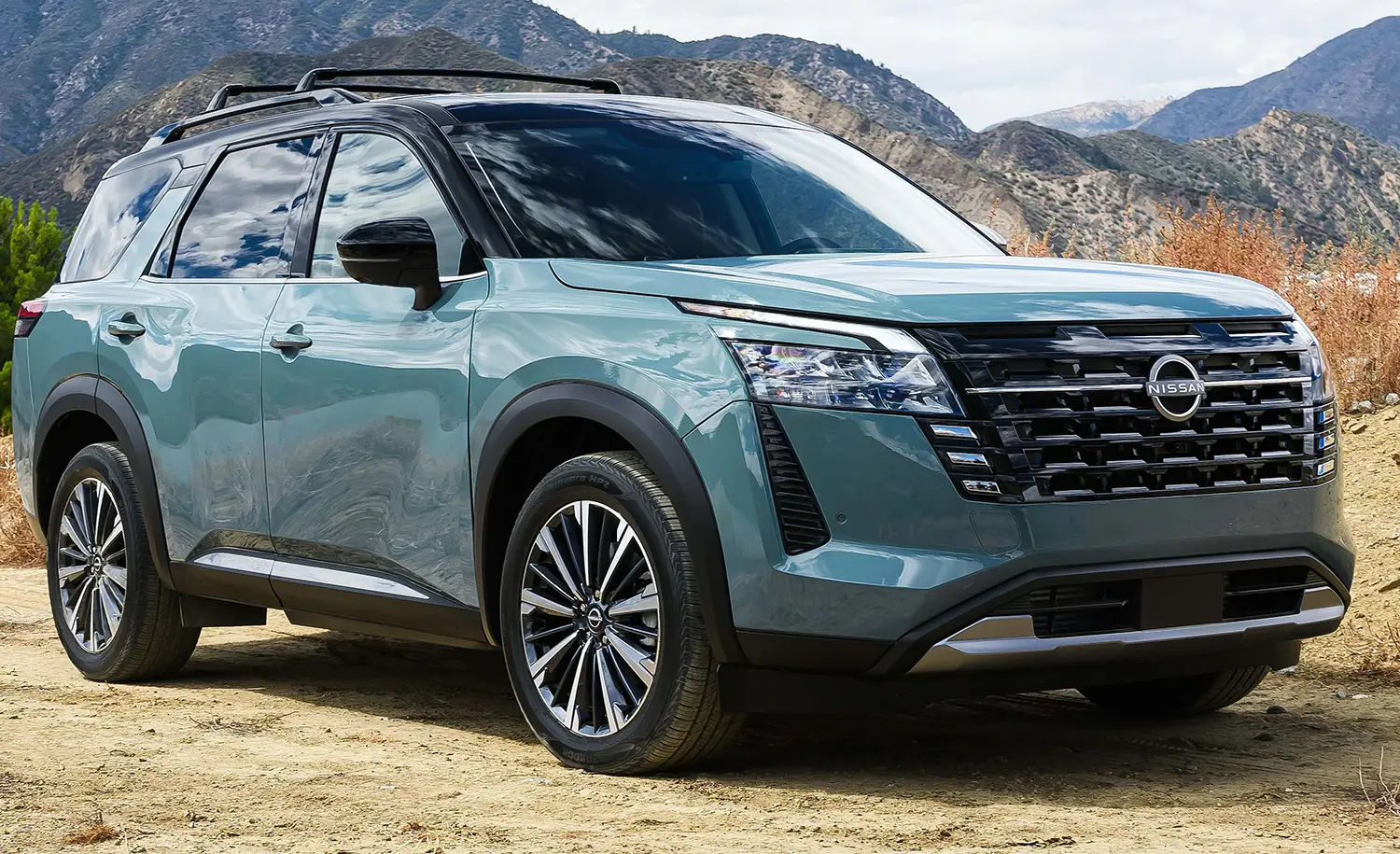
- Core Volume Models: Vehicles like the Nissan Rogue, Altima, and Sentra typically form the baseline of daily inventory. These units are managed with high turnover expectations.
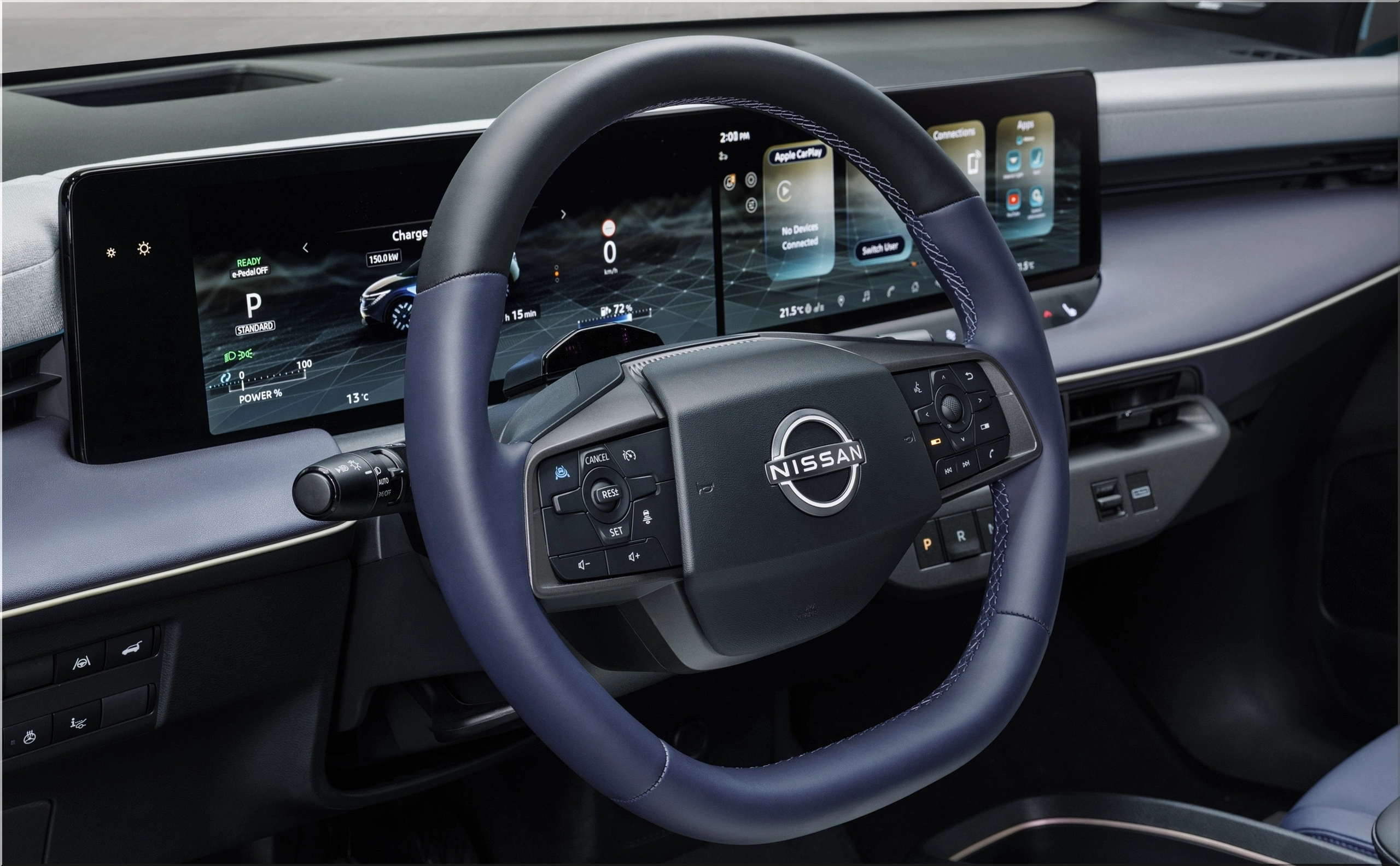
- Specialty and Performance Trims: Specialized vehicles, such as the Nissan Z or high-end electric models like the Ariya, may have limited physical presence on the lot, requiring buyers to navigate transit pipelines or factory orders.
- Fleet and Commercial Options: Corridor dealerships often maintain dedicated commercial sales arms, catering to small businesses seeking cargo vans or utility trucks.
Pricing Transparency and Market Adjustments
Pricing strategies at high-volume volume locations often leverage automated inventory pricing tools that adjust based on local competitor pricing, days-on-lot metrics, and manufacturer incentives. Buyers must look beyond the headline sticker price to evaluate dealer-installed accessories, document fees, and destination charges. Requesting a transparent, itemized out-of-the-door (OTD) price sheet before engaging in formal financing discussions remains the most effective defense against unexpected administrative add-ons.
| Inventory Segment | Typical Stock Depth | Primary Consumer Advantage | Key Buying Consideration |
|---|---|---|---|
| High-Volume Sedans & SUVs | High (20+ units per trim) | Immediate availability, deep incentives | Watch for fleet-dumped previous model years |
| Certified Pre-Owned (CPO) | Moderate (10–30 units) | Factory warranty backing, multi-point inspection | Verify reconditioning records and service history |
| Electric & Hybrid Vehicles | Variable (5–15 units) | Federal tax credit eligibility support | Check charging infrastructure readiness and battery health reports |
| Commercial & Utility | Low to Moderate | Dedicated business leasing terms | Confirm payload and towing package specifications |
Insight 2: Service Department Logistics, Diagnostics, and Warranty Work
The service department is often the long-term revenue engine of any major dealership, yet it is frequently a source of customer friction if expectations are misaligned. Dealership 290 facilities typically feature expansive service bays equipped with specialized diagnostic computers calibrated specifically for modern powertrain architectures, driver-assistance sensor arrays, and high-voltage EV battery management systems.
Navigating Express Service Versus Complex Diagnostics
Understanding the distinction between routine maintenance and complex mechanical troubleshooting is essential for an efficient service visit.
- Express Lane Services: Oil changes, tire rotations, cabin air filter replacements, and multi-point inspections generally do not require advance appointments at high-volume locations, though utilizing online scheduling portals significantly reduces wait times.
- Diagnostic Troubleshooting: Intermittent electrical issues, transmission hesitations, or warranty claims involving complex powertrain components require formal diagnostic appointments. Customers should request a certified master technician evaluation rather than a general express technician for deep mechanical concerns.
Warranty Compliance and Documentation
Maintaining warranty coverage requires strict adherence to manufacturer-specified service intervals. Dealership service centers maintain digital service records tied directly to the vehicle identification number (VIN). Utilizing the dealership for routine service creates a centralized paper trail that protects resale value and ensures seamless claims processing under factory powertrain or bumper-to-bumper warranties. However, vehicle owners should note that under the Magnuson-Moss Warranty Act, routine maintenance performed by independent mechanics does not void factory warranties, provided OEM-grade parts and documented specifications are used.
Insight 3: Financing, Trade-In Valuations, and Digital Integration
The final operational pillar involves the financial transaction engine of the dealership. Securing an advantageous auto loan or lease requires understanding how trade-in valuations are calculated and how digital pre-approval tools interact with physical finance and insurance (F&I) offices.
Trade-In Valuation Dynamics
Dealerships acquire a significant portion of their pre-owned inventory directly from consumer trade-ins. High-volume locations utilize third-party algorithmic valuation platforms alongside physical inspections to determine wholesale trade-in values.
- Preparation: Cleanliness, documented maintenance history, and resolved minor cosmetic issues can marginally improve trade-in offers.
- Market Realities: Trade-in offers reflect wholesale auction values, reconditioning costs, and expected retail profit margins. Consumers seeking maximum return often explore private party sales, while those prioritizing tax advantages (where trade-in value reduces taxable vehicle purchase price) find dealership trade-ins more efficient.
Digital Integration and F&I Efficiency
Modern automotive retail relies heavily on digital retailing platforms that allow buyers to complete credit applications, value trade-ins, and select finance terms online before stepping onto the physical lot. While these digital tools streamline the initial steps, buyers should verify whether online quotes include mandatory state fees, local taxes, and dealer preparation charges.
When entering the F&I office, transparency regarding interest rates, loan terms, and optional protection products (such as GAP insurance, extended service contracts, and prepaid maintenance plans) is critical. Buyers are encouraged to secure pre-approval from external credit unions or banks prior to visiting the dealership to establish a competitive baseline for financing terms.
Common Pitfalls and How to Avoid Them
Navigating a high-volume automotive facility involves several well-documented traps that can inflate costs or lengthen the transaction process. Recognizing these pitfalls protects the consumer's financial interests.
- Focusing Exclusively on Monthly Payments: Dealerships can stretch loan terms (e.g., from 60 to 72 or 84 months) to lower monthly payments while significantly increasing total interest paid and creating negative equity risks. Always negotiate the total vehicle purchase price before discussing monthly financing structures.
- Overlooking Dealer Add-Ons: Protection packages, window tinting, nitrogen tire fills, and security etchings are frequently pre-installed and billed as non-negotiable extras. Buyers must explicitly ask for an itemized breakdown and decline unrequested additions.
- Failing to Verify Pre-Owned Reconditioning: When purchasing a used or certified pre-owned vehicle, never assume mechanical perfection. Always request the independent inspection sheet and verify whether open safety recalls have been completed by the service department prior to delivery.
Frequently Asked Questions
How far in advance should I schedule a service appointment at a high-volume dealership?
Routine express services can often be booked within 24 to 48 hours, or handled via walk-in express lanes. However, complex diagnostic work, warranty repairs, or appointments requiring specialized parts replacement typically require booking 1 to 2 weeks in advance. Utilizing online scheduling tools provides the most accurate real-time availability.
Can I negotiate the price of a vehicle listed online by a corridor dealership?
Yes, vehicle prices are generally negotiable, even when listed online with promotional discounts. Online prices often factor in conditional rebates (such as military or college graduate incentives) or trade-in allowances that you may or may not qualify for. Always request an itemized breakdown to see which rebates are included in the advertised price.
What documents do I need to bring when trading in a vehicle?
You must bring the physical title (or lienholder payoff information, including account number and customer service contact), a valid government-issued photo ID, current vehicle registration, active proof of insurance, and all sets of keys and remotes associated with the vehicle.
Are certified pre-owned vehicles from major brand dealerships worth the higher price?
Certified Pre-Owned (CPO) vehicles command a price premium over standard used cars because they undergo rigorous multi-point inspections and include manufacturer-backed extended warranties. For buyers seeking peace of mind and lower immediate repair risks, the CPO designation offers substantial value compared to buying an uncertified used vehicle "as-is."
What should I do if my financing falls through after taking delivery?
This situation, sometimes referred to as "spot delivery" or "yo-yo financing," occurs when a dealer lets you drive off the lot before final loan approval from a third-party lender. If the lender rejects the terms, the dealer may attempt to recall the vehicle or force a higher interest rate. To prevent this, secure independent financing beforehand or ensure the purchase contract explicitly states that delivery is contingent upon final financing approval.
Conclusion and Next Actions
Successfully navigating Dealership 290 or any comparable high-volume automotive facility requires a methodical, prepared approach. Begin by defining your exact vehicle requirements, securing external financing pre-approval, and researching realistic market valuations for both your prospective purchase and your current trade-in. When visiting the facility, maintain focus on the total out-the-door price, verify service history and warranty coverage meticulously, and approach administrative interactions with clarity and patience. By treating the transaction as an informed business negotiation rather than an emotional purchase, you can secure favorable terms, reliable transportation, and a smooth long-term service relationship.