Understanding "big league teams" requires a look at the franchises that define the pinnacle of professional sports. In the context of Major League Baseball (MLB), three teams—the New York Yankees, the Los Angeles Dodgers, and the Chicago Cubs—stand as the primary pillars representing historical legacy, financial power, and cultural significance within the American sporting landscape.
These three organizations are often used to explain the evolution of professional sports from local pastimes to multi-billion dollar global enterprises. As of 2026, they continue to lead the league in market valuation, viewership, and the ability to attract top-tier talent through both deep farm systems and massive payroll expenditures.
The Essence of "Big League" Status
In North American vernacular, the term "big league" has transcended sports to describe the highest level of any endeavor. However, its roots remain firmly planted in the soil of Major League Baseball. To be a "big league team" in the truest sense involves more than just participating in the MLB; it requires a combination of historical longevity, a massive fan base (often spanning multiple states or countries), and the financial infrastructure to sustain competitiveness over decades.
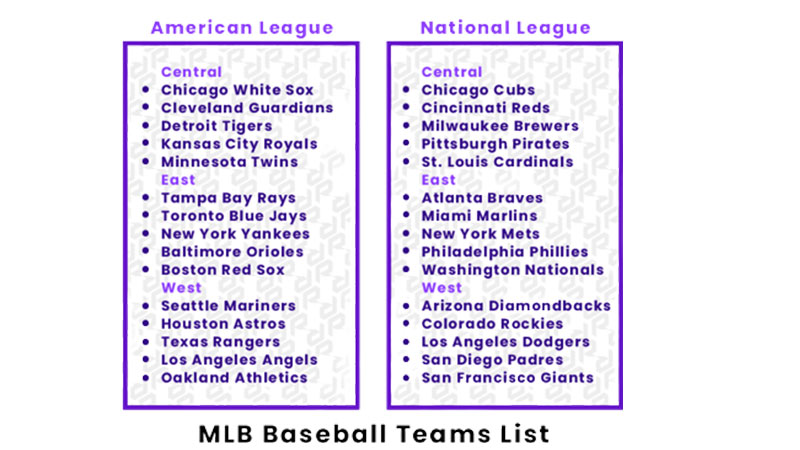
While there are 30 teams in the MLB, the Yankees, Dodgers, and Cubs serve as the most effective case studies for explaining how different types of "big league" identities are formed and maintained. The Yankees represent the "Empire" model of constant winning; the Dodgers represent the "Innovator" model of blending deep pockets with high-level player development; and the Cubs represent the "Legacy" model, where a historic venue and a resilient fan base create a brand that survives even the longest championship droughts.
1. The New York Yankees: The Gold Standard of Professional Sports
The New York Yankees are not merely a baseball team; they are a global brand synonymous with success and high expectations. Founded in 1903 as the New York Highlanders before officially becoming the Yankees in 1913, the franchise has won 27 World Series championships, more than any other team in the four major North American sports leagues.
The Dynasty Model
The Yankees’ "big league" identity was forged during the era of Babe Ruth and Lou Gehrig in the 1920s. This period established the "Bronx Bombers" persona—a team built on power hitting and an aura of inevitability. Throughout the mid-20th century, with stars like Mickey Mantle and Joe DiMaggio, the Yankees became the most dominant force in sports history.
In 2026, the Yankees continue to operate under the "Championship or Bust" philosophy. This mindset creates a unique environment where a season ending in a playoff loss is considered a failure. For fans and analysts, explaining the Yankees requires understanding this pressure. The organization’s ability to consistently reload its roster through free agency is a byproduct of its massive revenue streams, largely driven by the YES Network and high-attendance figures at the current Yankee Stadium, which opened in 2009.
Financial Gravity and the Luxury Tax
One of the technical aspects of the Yankees' big league status is their relationship with the Competitive Balance Tax (CBT), often called the luxury tax. Because the Yankees consistently spend above the league-mandated threshold to acquire elite talent, they often pay significant penalties. In 2026, the Yankees remain one of the few teams capable of sustaining a payroll that exceeds $300 million, a testament to their financial gravity. This allows them to outbid smaller market teams for "generational" talents, a point of contention and fascination for those studying league parity.
2. The Los Angeles Dodgers: The Modern Blueprint for Excellence
If the Yankees represent traditional dominance, the Los Angeles Dodgers represent the modern peak of organizational efficiency. Originally based in Brooklyn, the team moved to Los Angeles in 1958, a move that fundamentally changed the geography of the MLB and helped cement baseball as a truly national "big league" sport.
The Power of Integration and Innovation
The Dodgers’ history is highlighted by the signing of Jackie Robinson in 1947, breaking the baseball color barrier. This act of social and sporting significance is a core part of the "Dodger Way." In the 21st century, and specifically looking at the landscape in 2026, the Dodgers are explained through their "Death Star" approach to team building: a combination of limitless financial resources and an industry-leading analytical department.
Unlike teams that rely solely on buying veteran stars, the Dodgers have perfected the art of the Farm System. Their ability to draft and develop players like Walker Buehler or Will Smith while simultaneously signing global superstars like Shohei Ohtani (who joined in late 2023) makes them a unique hybrid. By 2026, the Dodgers have set the standard for how a big-market team uses data to maximize player performance, often finding "diamonds in the rough" from other teams’ discarded rosters and turning them into All-Stars.
Global Branding and the Pacific Rim
The Dodgers have also expanded the definition of a "big league team" by becoming the unofficial team of the Pacific Rim. Through their historical ties to players from Japan, South Korea, and Mexico (dating back to the "Fernandomania" of Fernando Valenzuela in the 1980s), the Dodgers have a larger international footprint than perhaps any other MLB franchise. This global reach ensures that their merchandise and broadcasting rights are among the most valuable in the world, providing the capital necessary to remain at the top of the standings year after year.
3. The Chicago Cubs: The Cultural Icon of the Midwest
The Chicago Cubs offer a different perspective on what it means to be a "big league" team. For over a century, the Cubs were defined by the "Curse of the Billy Goat" and a 108-year championship drought that ended in 2016. However, even during their leanest years, the Cubs remained one of the most valuable and beloved franchises in sports.
Wrigley Field: The Living Museum
A significant part of the Cubs' explanation involves Wrigley Field. Built in 1914, it is the second-oldest ballpark in the majors. The "Friendly Confines," with its ivy-covered outfield walls and manual scoreboard, acts as a primary draw for the team. Being a "big league" team in Chicago means balancing the weight of this history with the demands of modern sports.
The Ricketts family, who purchased the team in 2009, transformed the Cubs from a lovable but underperforming asset into a modern powerhouse. By 2026, the area surrounding Wrigley Field, known as "Wrigleyville," has been completely modernized into a year-round entertainment district. This real estate development model has become a blueprint for other teams looking to maximize their "big league" status beyond the 81 home games played each year.
The Resilient Fan Base
The Cubs are the ultimate example of how a team’s brand can transcend its on-field performance. Their "big league" status is rooted in a loyal, multi-generational fan base that treats every game as a cultural event. In 2026, the Cubs occupy a specific niche: they are a big-market team with the resources to compete with the Yankees and Dodgers, but they retain the "underdog" spirit that was cultivated during their century of struggle. This makes them a critical study in how narrative and "vibe" contribute to a team's market value.
Comparing the Three Titans of the Big Leagues
To better understand how these teams stack up against one another in 2026, the following table compares their core metrics and historical significance.
| Feature | New York Yankees | Los Angeles Dodgers | Chicago Cubs |
|---|---|---|---|
| Primary Identity | The "Empire" / Legacy | The "Innovator" / Analytical | The "Cultural Icon" / Traditional |
| World Series Titles | 27 (League Leader) | 7+ (Consistently Competitive) | 3 (The 2016 Breakthrough) |
| Home Stadium | Yankee Stadium (2009) | Dodger Stadium (1962) | Wrigley Field (1914) |
| Market Size | Largest (New York) | 2nd Largest (Los Angeles) | 3rd Largest (Chicago) |
| Payroll Strategy | High Free Agent Spending | Hybrid: Spending + Elite Drafting | Development + Targeted Spending |
| Key Attraction | Monument Park / History | Hollywood Star Power / Ohtani | The Ivy Walls / Wrigleyville |
Operational Differences: How These Teams "Big League" Differently
While all three are "big league" teams, their day-to-day operations in 2026 reflect different philosophies.
Scouting and Development
- The Dodgers prioritize "positionless" players and high-spin-rate pitchers. Their scouting department is arguably the most advanced in the world, using proprietary software to predict player growth.
- The Yankees have shifted in recent years toward a more balanced approach, but they still lean heavily on "exit velocity" and home-run-heavy lineups. They often trade their top prospects for established stars, a classic big-market move.
- The Cubs focus on "high-floor" collegiate players and have invested heavily in a "pitching lab" to revitalize the careers of veteran hurlers.
Revenue Streams
Beyond ticket sales, these teams utilize their "big league" status to generate revenue in diverse ways:
- Media Rights: The Yankees' YES Network and the Dodgers' SportsNet LA provide hundreds of millions in annual revenue, regardless of team performance.
- Sponsorships: In 2026, the "jersey patch" sponsorships for these three teams are among the most expensive in sports, as brands want to be associated with these global logos.
- Tourism: All three stadiums are major tourist destinations. For many visitors to New York, LA, or Chicago, a trip to the ballpark is as essential as visiting a museum or landmark.
Common Challenges for "Big League" Organizations
Despite their success, being a top-tier team in 2026 comes with significant hurdles. The "big league" environment is more competitive than ever due to the rise of advanced analytics and the increasing parity efforts by the MLB.
- The Tax Threshold: All three teams must navigate the Luxury Tax. Staying under the threshold for a year to "reset" the tax penalty is a common strategy, even for the wealthiest owners.
- Fan Expectations: Unlike smaller teams where a winning season is a bonus, for these three, anything less than a deep playoff run leads to intense media scrutiny and fan unrest.
- Aging Infrastructure: While the Yankees have a relatively new stadium, the Dodgers and Cubs must spend millions annually to maintain their historic parks (Dodger Stadium and Wrigley Field) while adding modern amenities like Wi-Fi 7, luxury suites, and digital betting kiosks.
FAQs About Big League Teams
What is the difference between a "Big League" team and a "Small Market" team?
The primary difference lies in revenue and spending capacity. Big league teams like the Yankees or Dodgers play in massive media markets (New York, LA), allowing them to generate significantly more income from local television deals and ticket sales. This "financial muscle" allows them to sign multiple star players to contracts worth hundreds of millions of dollars, a feat that small-market teams like the Tampa Bay Rays or Kansas City Royals can rarely afford.
Can a team lose its "Big League" status?
Technically, a team remains in the Major Leagues regardless of performance. However, in a cultural sense, a team can lose its "big league" aura if it fails to invest in its roster or stadium over a long period. Conversely, teams can "level up" into this elite tier by consistently winning and expanding their brand, as the Houston Astros have attempted to do over the last decade.
Why are the Yankees, Dodgers, and Cubs considered the "Big Three"?
These three are highlighted because they represent the three largest cities in the U.S. and have the most distinct brand identities. They consistently rank at the top of Forbes' most valuable sports teams list and have historical narratives that are deeply woven into the fabric of American culture.
How does the 2026 season differ from past eras for these teams?
In 2026, the game is faster due to the continued evolution of the pitch clock and other pace-of-play rules. Additionally, the integration of AI-driven analytics is now standard. "Big league" teams distinguish themselves by how they use this data to prevent injuries and optimize player recovery, moving the competition from the field to the laboratory.
Is "Big League" the same as the "Major Leagues"?
Yes, "Big League" is a synonymous, more colloquial term for the Major Leagues. While it is most commonly applied to MLB, it is sometimes used to describe the NFL, NBA, or NHL, though the Yankees, Dodgers, and Cubs remain the quintessential examples of the phrase.
Next Steps for Fans and Analysts
If you are looking to follow these teams in 2026, the best course of action is to monitor the MLB standings and Competitive Balance Tax reports. These financial documents provide a clear picture of how much each team is "all-in" on a championship. For a deeper dive into their histories, visiting the National Baseball Hall of Fame or attending a game at Wrigley Field or Dodger Stadium offers a tangible connection to the "big league" legacy that these franchises have built over the last century.