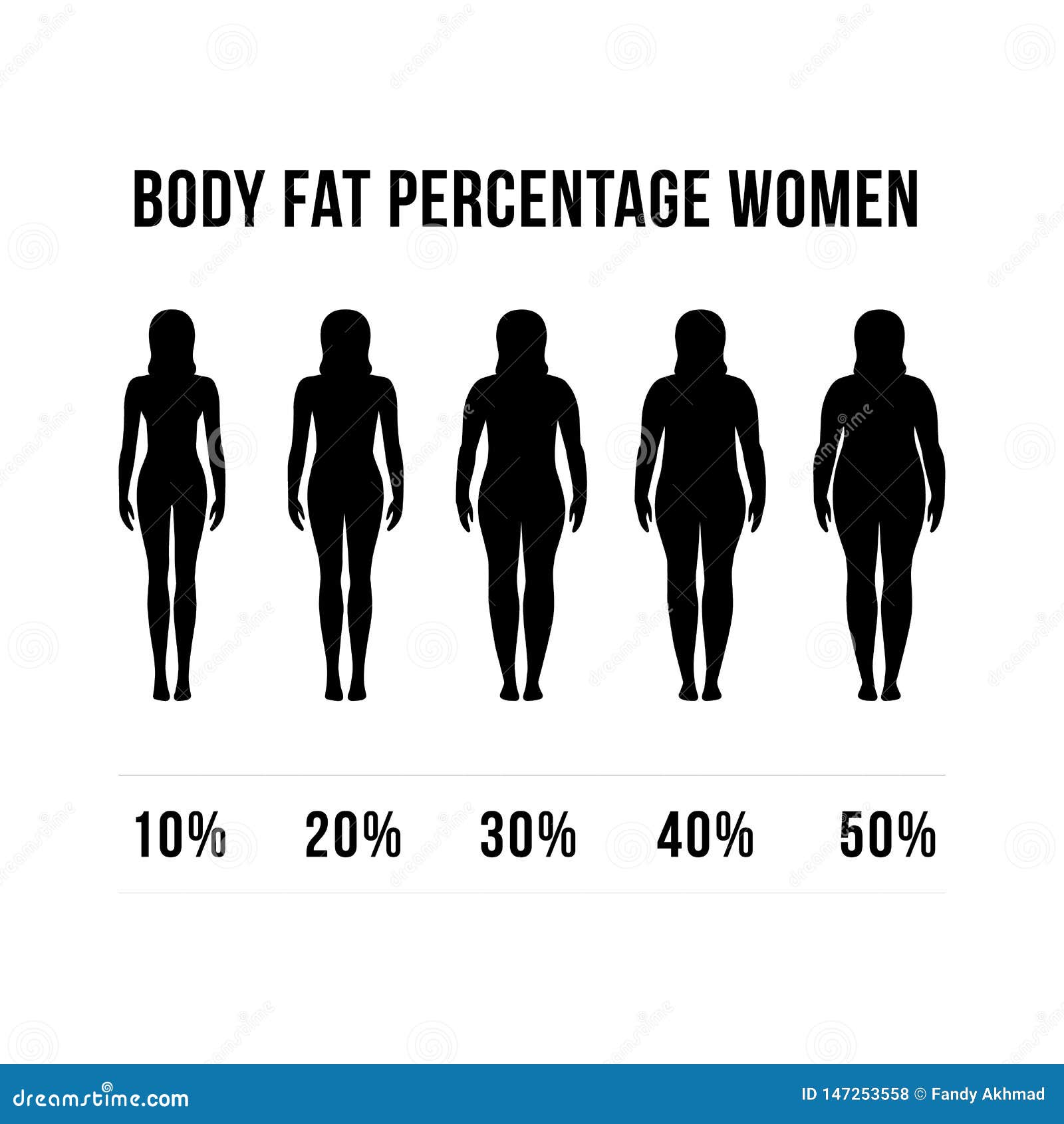
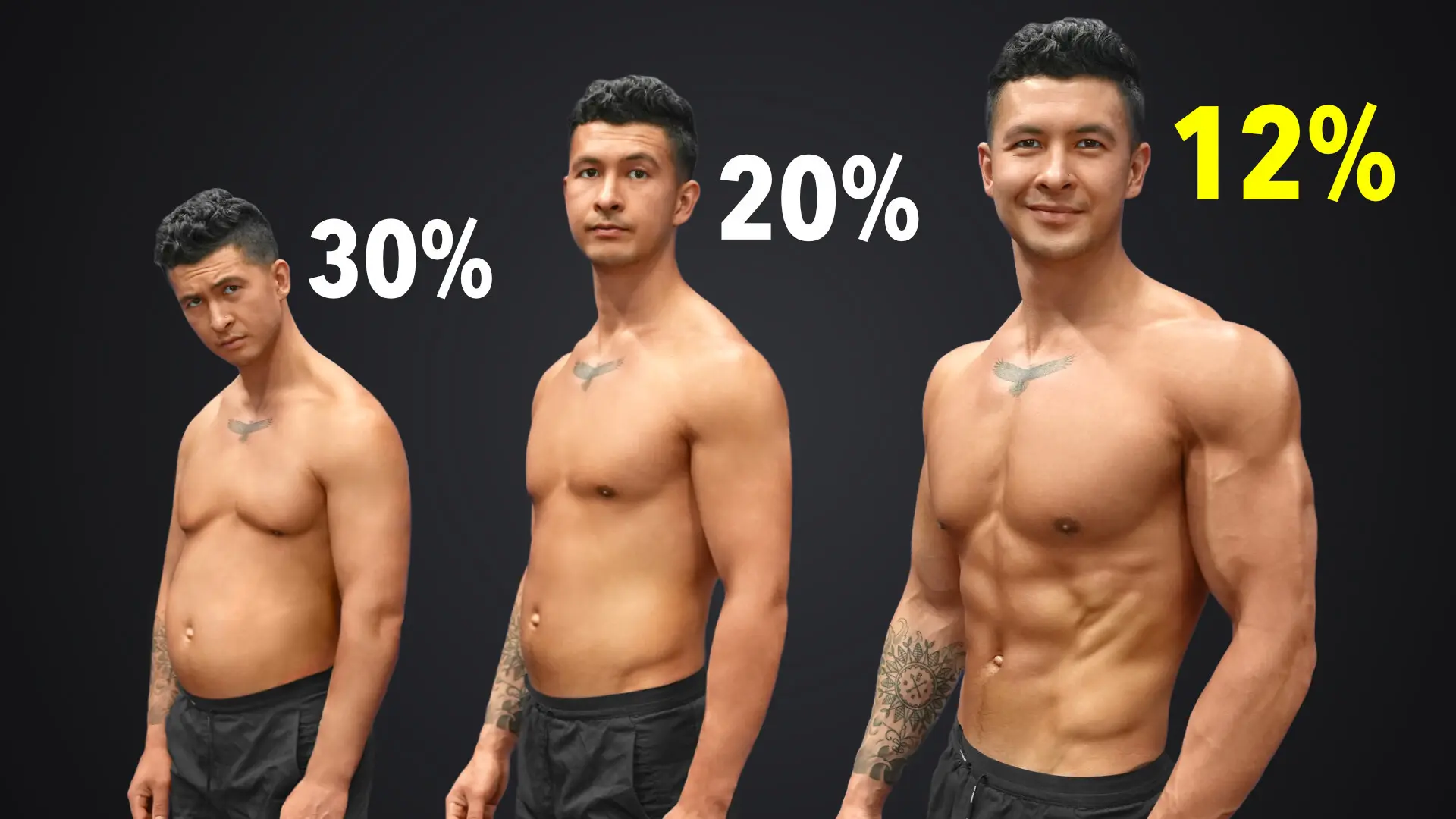
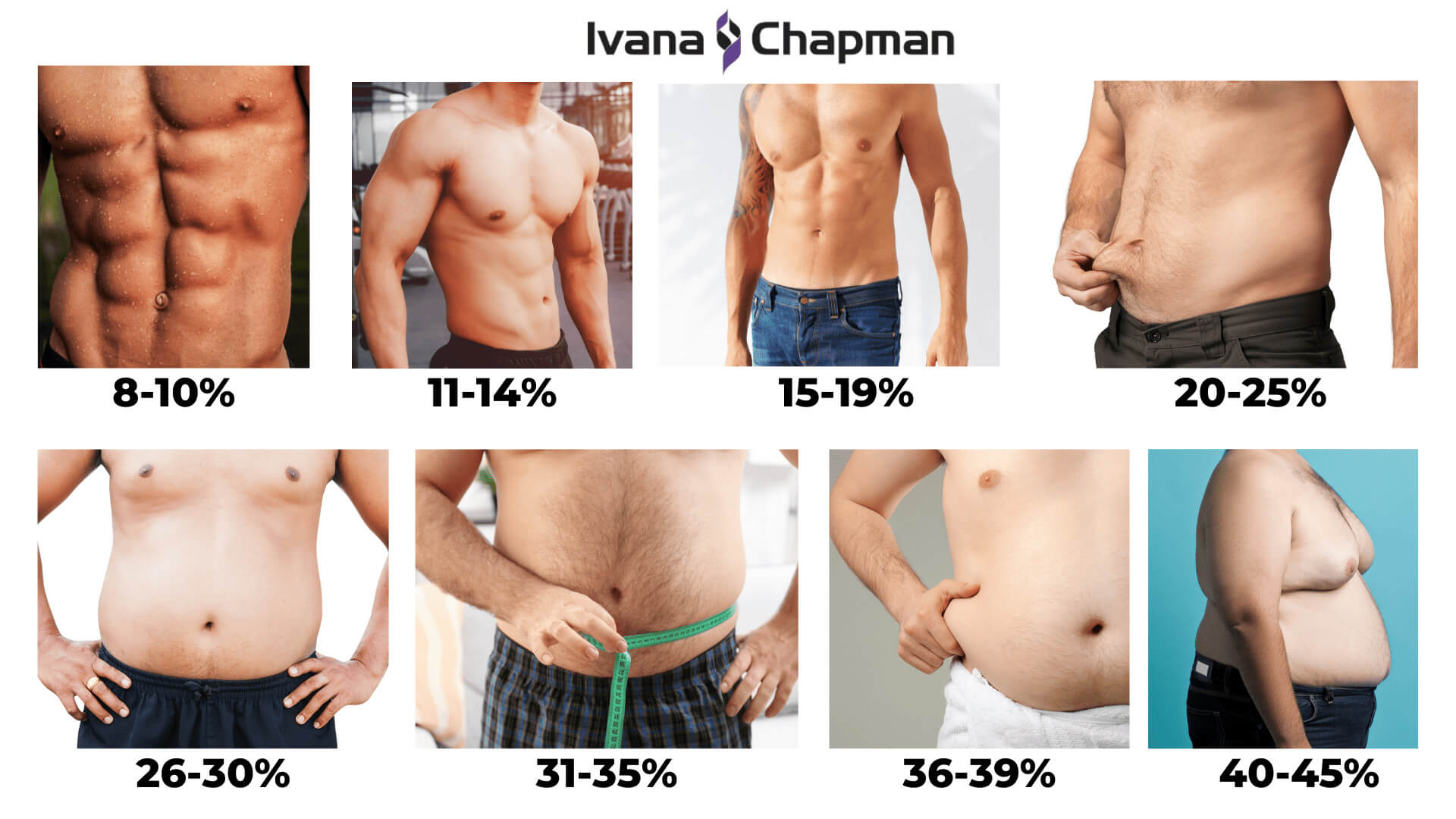
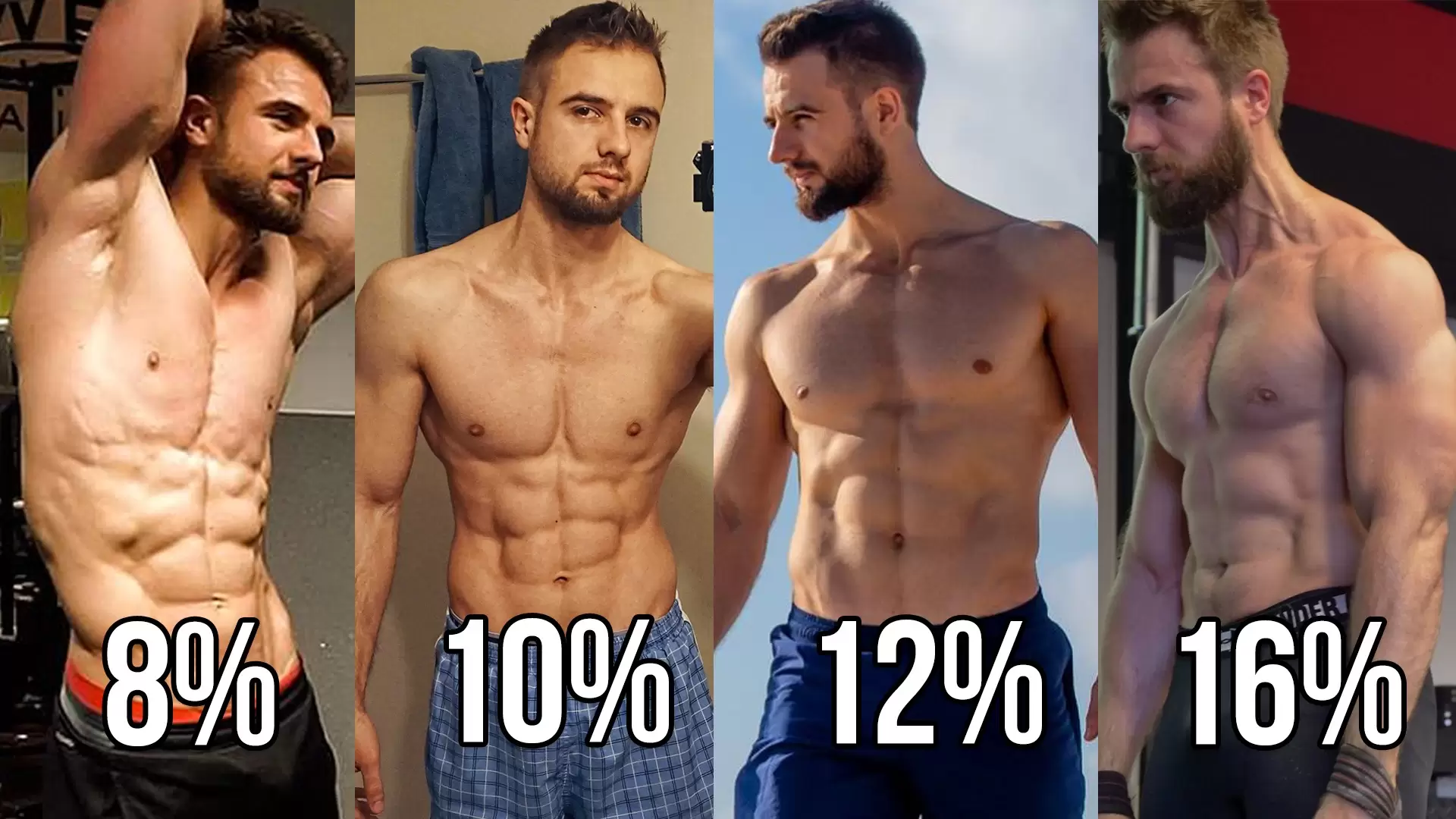
A body fat percentage of 22% represents a distinct physiological threshold that carries different implications depending on biological sex, age, and individual health goals. For men, 22% body fat generally falls into the classification of overweight or under-muscular, whereas for women, the exact same percentage is typically categorized as lean, athletic, or within the optimal fitness range. Understanding this metric requires looking beyond the raw number to examine how adipose tissue functions, how body composition is measured, and what this specific percentage means for long-term health and metabolic performance.
Introduction to Body Composition and Adipose Tissue
When evaluating human physical fitness, body composition provides a far more accurate assessment of health than traditional body mass index (BMI) calculations. BMI relies solely on height and weight, failing to distinguish between lean muscle mass, bone density, water weight, and stored fat. Body fat percentage addresses this limitation by measuring the proportion of total weight that consists of adipose tissue versus lean mass.
Adipose tissue is not merely an inactive energy storage depot. It is an active endocrine organ that secretes hormones, regulates inflammatory responses, and influences metabolic signaling. Fat tissue is divided into two primary categories: essential fat and storage fat. Essential fat is strictly necessary for basic physiological functioning, supporting the central nervous system, hormone regulation, and organ cushioning. Storage fat accumulates in adipose tissue beneath the skin and around internal organs.
Reaching a specific body fat level like 22% involves a complex interplay of genetics, hormonal balance, caloric intake, and physical activity. Because physiological norms differ dramatically between biological sexes, evaluating 22% body fat requires context regarding sex-specific metabolic requirements and body fat distribution patterns.
Defining 22 Body Fat Across Demographics
To understand what 22% body fat signifies, it must be evaluated through the lens of standard clinical and fitness classifications. The American Council on Exercise (ACE) and the Jackson-Pollock body composition guidelines categorize body fat ranges differently for men and women.
Men: Classification and Metabolic Impact
For an adult male, a body fat measurement of 22% places him comfortably in the "acceptable" to "overweight" category, depending on his age.
- Essential fat for men: 2% to 5%
- Athletes: 6% to 13%
- Fitness enthusiasts: 14% to 17%
- Acceptable range: 18% to 24%
- Obesity threshold: 25% and above
At 22% body fat, an adult male carries more storage fat than is typically optimal for athletic performance or aesthetic definition. While this level is generally not associated with the acute metabolic risks of severe obesity, it often indicates low relative muscle mass (sometimes referred to as being "skinny fat") or a positive energy balance where daily caloric intake consistently exceeds energy expenditure. Testosterone levels, insulin sensitivity, and cardiovascular efficiency can all be optimized by reducing body fat percentage closer to the 12% to 15% range for most adult men.
Women: Classification and Metabolic Impact
For an adult female, a body fat measurement of 22% carries an entirely different physiological meaning.
- Essential fat for women: 10% to 13%
- Athletes: 14% to 20%
- Fitness enthusiasts: 21% to 24%
- Acceptable range: 25% to 31%
- Obesity threshold: 32% and above
For women, 22% body fat falls squarely within the "fitness" to "athletic" category. Women naturally require a higher percentage of essential and storage fat than men to support reproductive health, hormonal balance, and endocrine function. Maintaining 22% body fat allows a woman to preserve regular menstrual cycles, optimal bone mineral density, and robust immune function while displaying clear athletic conditioning and muscle tone.
| Demographic Group | Essential Fat | Fitness Range | Acceptable Range | 22% Body Fat Context |
|---|---|---|---|---|
| Adult Men | 2% – 5% | 14% – 17% | 18% – 24% | Acceptable, approaching the upper boundary of normal/average fitness; often indicates low muscle mass. |
| Adult Women | 10% – 13% | 21% – 24% | 25% – 31% | Lean and fit; well below average population levels, supporting strong athletic performance and metabolic health. |
| Older Adults (Men, 60+) | 3% – 6% | 16% – 20% | 21% – 26% | Normal and healthy range for aging populations, accounting for natural shifts in metabolic rate. |
| Older Adults (Women, 60+) | 12% – 15% | 23% – 27% | 28% – 35% | Leaner than average age-adjusted norms, promoting lower cardiovascular risk. |
Methods of Measuring Body Fat Accurately
Obtaining a reliable body fat percentage requires understanding the limitations and mechanics of various measurement techniques. Consumer scales and fitness trackers often provide estimates, but clinical accuracy varies significantly.
Dual-Energy X-ray Absorptiometry (DEXA)
DEXA scans are widely considered the gold standard for measuring body composition. The procedure involves lying on a table while a low-dose X-ray scanner passes over the body. It provides a precise breakdown of bone mineral density, lean soft tissue, and fat tissue, mapping visceral and subcutaneous fat distribution across specific body regions.
Hydrostatic Weighing
This underwater weighing technique calculates body density based on Archimedes' principle. Because fat tissue is less dense than muscle and bone, an individual's submerged weight can be used to calculate total body volume and estimate body fat percentage with high accuracy. However, accessibility is limited, as it requires specialized laboratory equipment.
Skinfold Calipers
When executed by an experienced technician using standardized protocols (such as the 3-site or 7-site Jackson-Pollock formulas), skinfold calipers measure subcutaneous fat thickness at specific bodily landmarks. While affordable and portable, the method relies heavily on operator skill and assumes a constant relationship between subcutaneous fat and total body fat.
Bioelectrical Impedance Analysis (BIA)
BIA devices, ranging from household smart scales to professional multi-frequency clinical units, send a low-level electrical current through the body. Because lean tissue contains high water content and conducts electricity easily, whereas fat tissue offers high resistance, the device estimates body fat percentage. Hydration levels, caffeine intake, skin temperature, and recent exercise can heavily influence BIA accuracy.
Health Implications and Metabolic Context
Evaluating 22% body fat involves analyzing how stored adipose tissue interacts with systemic health, chronic disease risk, and energy metabolism.
Visceral Versus Subcutaneous Fat
Not all fat is distributed equally. Subcutaneous fat lies directly beneath the skin and, while visible and often a target for aesthetic improvements, poses relatively lower direct health risks. Visceral fat, by contrast, accumulates deep within the abdominal cavity, wrapping around vital organs such as the liver, pancreas, and intestines. High levels of visceral fat are strongly correlated with insulin resistance, type 2 diabetes, dyslipidemia, and cardiovascular disease.
An individual at 22% body fat can exhibit drastically different metabolic profiles depending on whether their fat storage is predominantly subcutaneous or visceral. Genetic predisposition, age, stress levels, and dietary composition heavily influence fat distribution patterns.
Hormonal Regulation
Adipose tissue secretes hormones collectively known as adipokines, including leptin and adiponectin. Leptin signals satiety to the brain, while adiponectin enhances insulin sensitivity and exerts anti-inflammatory effects. When body fat increases beyond optimal thresholds, adipocyte dysfunction can occur, leading to leptin resistance and chronic low-grade systemic inflammation. For men, elevated body fat can also increase the activity of the aromatase enzyme, which converts testosterone into estrogen, potentially impacting energy levels, muscle protein synthesis, and mood.
Common Misconceptions Regarding Body Fat Percentages
Evaluating fitness metrics often gives rise to persistent myths that can misguide training programs and nutritional approaches.
- The "One-Size-Fits-All" Ideal: Many individuals assume that a single target percentage, such as 15% or 20%, represents the universal ideal for health. In reality, optimal body fat ranges vary significantly across sex, age, ethnic background, and individual genetic makeup.
- Spot Reduction Fallacy: A common belief is that exercising a specific muscle group will burn the fat directly covering it—such as performing endless abdominal crunches to lose belly fat. The body mobilizes triglycerides from fat stores systemically rather than locally, meaning overall caloric deficit dictates fat loss location.
- Weight on the Scale Equals Fat Loss: Rapid weight loss achieved through crash dieting frequently results in the loss of valuable water weight and lean muscle tissue rather than pure adipose tissue, ultimately lowering resting metabolic rate.
Practical Steps to Optimize Body Composition
For individuals looking to adjust their body fat percentage—whether a man seeking to reduce 22% body fat down to a leaner athletic range, or a woman maintaining a healthy fitness baseline—a strategic approach combining nutrition, resistance training, and recovery is required.
1. Establish a Sustainable Caloric Balance
Fat loss requires a modest caloric deficit, where energy expenditure exceeds energy intake. Severe caloric restriction often backfires by causing muscle wasting and severe metabolic adaptation. A moderate deficit of 15% to 20% below maintenance calories promotes gradual, sustainable fat loss while preserving lean mass.
2. Prioritize Resistance Training
Lifting weights or engaging in high-intensity resistance training signals the body to retain muscle tissue while drawing upon stored adipose tissue for energy. Progressive overload stimulates muscle protein synthesis, protecting metabolic rate during periods of fat loss.
3. Optimize Protein Intake
Adequate dietary protein is essential during body composition restructuring. Protein provides the amino acids necessary for muscle repair and growth while offering a high thermic effect of food (TEF), meaning the body expends more energy digesting protein compared to fats and carbohydrates.
4. Monitor Recovery and Sleep
Chronic sleep deprivation elevates cortisol levels, increases appetite for hyper-palatable foods, and impairs muscle recovery. Prioritizing 7 to 9 hours of quality sleep per night supports optimal hormonal balance and adherence to training and nutrition protocols.
Frequently Asked Questions
Is 22% body fat considered healthy?
For adult women, 22% body fat is considered very healthy, fitting squarely into the fitness and athletic category. For adult men, 22% body fat is on the higher side of normal or acceptable, often signaling an opportunity to improve body composition by increasing muscle mass or reducing excess fat stores.
How accurate are smart scales that measure 22% body fat?
Consumer bioelectrical impedance scales provide convenient estimates, but their accuracy can fluctuate based on hydration status, time of day, recent meals, and skin moisture. While they are useful for tracking long-term trends, single measurements should not be treated as absolute clinical truths.
Can someone have 22% body fat and still look out of shape?
Yes, particularly in men. This phenomenon, often termed "skinny fat," occurs when an individual possesses low muscle mass and relatively high body fat percentage despite having a normal or average body weight on a standard scale. Focusing on resistance training helps resolve this disparity.
What is the fastest way to drop from 22% body fat to a lower percentage?
The most effective approach combines a controlled, moderate caloric deficit with progressive resistance training, adequate daily protein intake, and consistent cardiovascular activity. Rapid crash dieting should be avoided because it sacrifices metabolically active muscle tissue.
Does body fat percentage change with age?
Yes. As individuals age, natural hormonal shifts, decreases in physical activity, and reductions in resting metabolic rate typically lead to a gradual increase in body fat percentage and a loss of lean muscle mass (sarcopenia) unless actively counteracted through targeted training and nutrition.
Conclusion and Next Actions
Evaluating 22% body fat requires looking past a single numeric reading to consider biological sex, age, fat distribution, and metabolic health. For women, this percentage represents an excellent level of physical fitness and robust metabolic function, whereas for men, it serves as a baseline indicator that signals potential room for body recomposition. To make informed adjustments, individuals should utilize reliable measurement techniques like DEXA scans or calibrated skinfold assessments, establish a sustainable nutritional strategy emphasizing adequate protein and a moderate caloric balance, and incorporate structured resistance training to optimize long-term health and physical performance.