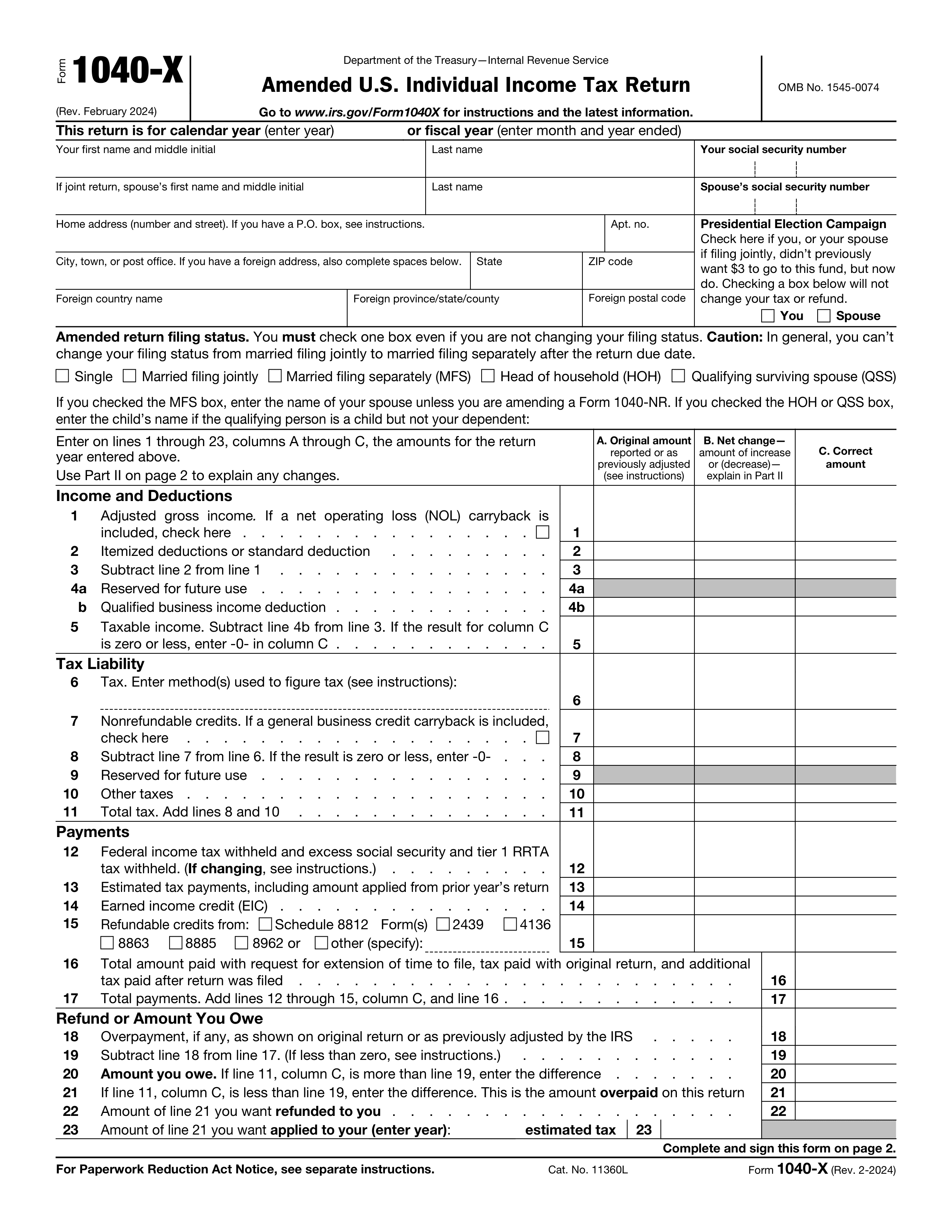
The 2026 I-9 form, officially known as the Employment Eligibility Verification form, is a mandatory document for all U.S. employers to verify the identity and employment authorization of every new hire. As of 2026, employers must utilize the current edition of the form issued by U.S. Citizenship and Immigration Services (USCIS) to remain compliant with federal law, ensuring that every employee is legally permitted to work in the United States.
Understanding the Importance of the I-9 Form
The Employment Eligibility Verification process is a cornerstone of U.S. immigration policy and labor law. By requiring employers to examine specific documents provided by new employees, the government ensures that the workforce is composed of individuals authorized to work. Whether an employee is a U.S. citizen, a permanent resident, or a foreign national with a valid work visa, the I-9 process remains a non-negotiable step in the onboarding sequence.
In 2026, the stakes for compliance remain high. Failure to properly complete, store, or update these forms can result in significant civil penalties, audits by Immigration and Customs Enforcement (ICE), and potential legal liability for the organization. Understanding the specific requirements of the 2026 edition of the I-9 form is not merely a bureaucratic task; it is a critical component of risk management for every business, from small startups to multinational corporations.
Accessing the Official 2026 I-9 Form PDF
To ensure legal compliance, employers should only obtain the I-9 form directly from the official USCIS website. Relying on third-party websites or outdated PDF files can lead to the use of an incorrect version, which may invalidate the verification process.
The form is available in a fillable PDF format, which allows employers and employees to input information digitally. However, even when using the digital version, the document must ultimately be signed according to the specific regulations regarding electronic versus wet signatures. Employers who choose to use electronic I-9 systems must ensure those systems meet the standards set forth by the Department of Homeland Security (DHS), including security, audit trails, and data integrity protections.
Identifying the Current Edition
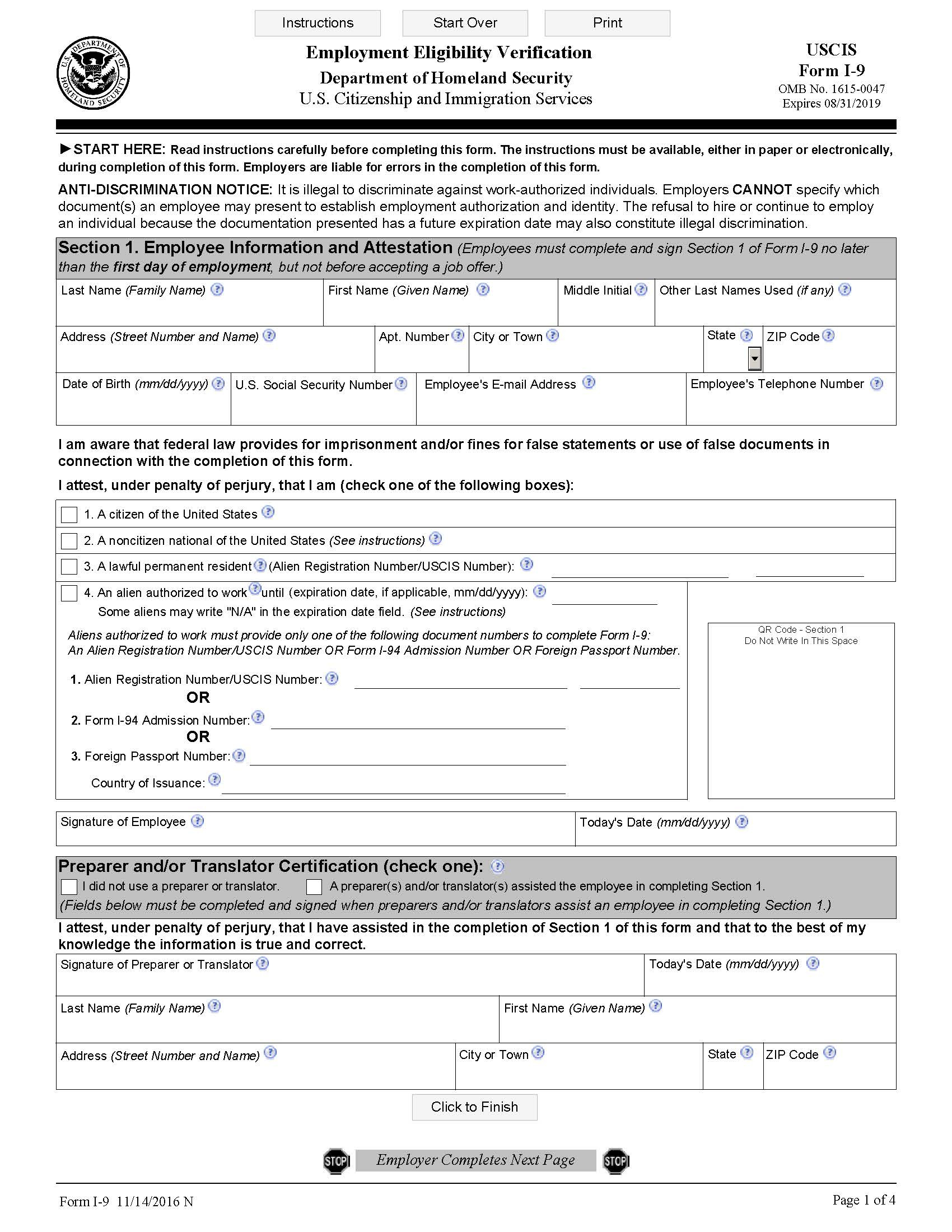
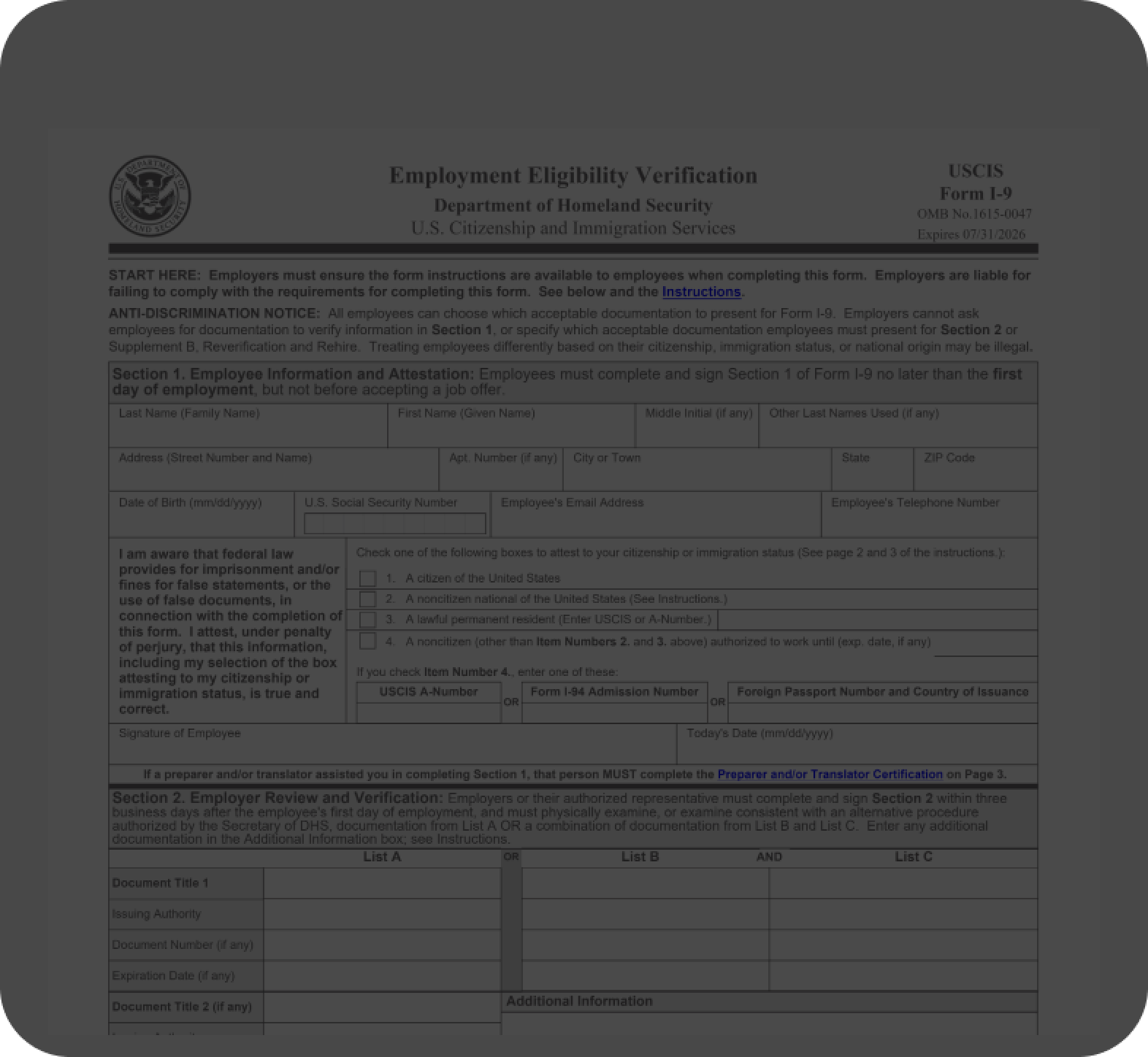
The official 2026 I-9 form is characterized by its specific OMB control number and expiration date listed in the top corner of the document. Always verify that the form version is current before providing it to a new hire. If you possess a template saved on a company server from previous years, delete it immediately to prevent accidental use of obsolete documentation.
Step-by-Step Completion Requirements
The I-9 process is divided into three distinct sections, each with its own set of responsibilities and deadlines.
Section 1: Employee Information and Attestation
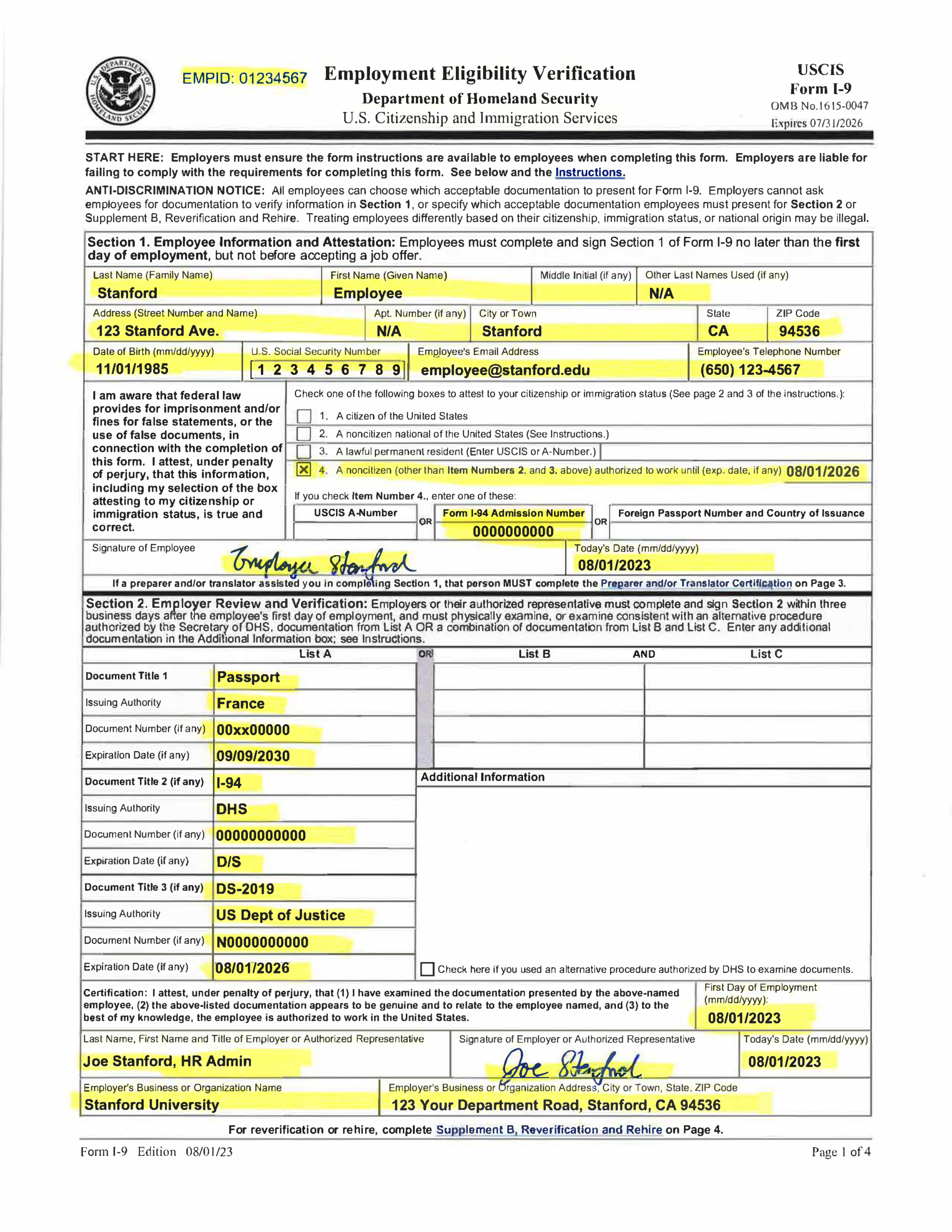
This section must be completed by the employee no later than the first day of employment. The employee is required to provide their full legal name, address, date of birth, and Social Security number (if applicable). Additionally, the employee must attest to their citizenship or immigration status by selecting the appropriate category and providing relevant documentation numbers if they are non-citizens.
Section 2: Employer Review and Verification
The employer—or an authorized representative—must complete Section 2 within three business days of the employee's first day of work. During this stage, the employer must physically examine the documents presented by the employee to verify their identity and work authorization. These documents must be original; photocopies are not acceptable, with the exception of certified copies of birth certificates.
Section 3: Reverification and Rehires
Section 3 is used when an employee’s work authorization has expired or if an employee is rehired within three years of the date the original I-9 was completed. This section ensures that the employer continues to monitor the legal status of their workforce throughout the duration of employment.
Acceptable Documents for Verification
To complete the I-9 process, employees must present documents from either List A, or a combination of one document from List B and one from List C.
| List A (Identity & Work Authorization) | List B (Identity Only) | List C (Work Authorization Only) |
|---|---|---|
| U.S. Passport or Passport Card | Driver’s License (State ID) | Social Security Account Number Card |
| Permanent Resident Card (Form I-551) | School ID with Photograph | Birth Certificate (Certified) |
| Foreign Passport with I-94/I-94A | Voter Registration Card | Native American Tribal Document |
| Employment Authorization Document (I-766) | Military Dependent ID Card | Employment Authorization Letter |
Note: Employers must allow employees to choose which documents they wish to present, provided those documents are on the official USCIS list of acceptable items. An employer cannot specify which documents an employee must provide.
The Role of E-Verify in 2026
E-Verify is an internet-based system that compares information from an employee’s I-9 form to data from the U.S. Department of Homeland Security and the Social Security Administration. While E-Verify is mandatory for federal contractors and employers in certain states, it remains voluntary for many private-sector businesses. However, many employers in 2026 choose to use E-Verify as an additional layer of compliance to mitigate the risk of hiring unauthorized workers. If an employer chooses to participate in E-Verify, they must do so consistently for all new hires, regardless of their background.
Common Mistakes and How to Avoid Them
Even with clear instructions, I-9 compliance is prone to human error. Being aware of these pitfalls can save your organization from unnecessary scrutiny during an audit.
- Late Completion: Section 1 must be completed by the first day of work, and Section 2 by the third. Missing these deadlines is the most common cause of technical non-compliance.
- Improper Document Review: Accepting expired documents or documents that do not appear to be genuine can invalidate the verification. Always ensure the documents look legitimate and relate to the person presenting them.
- Refusal of Valid Documents: If a document is on the list of acceptable documents, the employer cannot refuse it or demand a "better" document.
- Incomplete Forms: Every field must be populated. If a field does not apply, it should be marked as "N/A" rather than left blank.
- Improper Storage: I-9 forms should be stored separately from other personnel files to protect sensitive data and to facilitate easier access during an inspection.
Retention and Storage Guidelines
Under federal regulations, employers are required to retain I-9 forms for a specific duration: three years after the date of hire or one year after the date employment ends, whichever is later. Because these forms contain personally identifiable information (PII), they should be stored in a secure location—whether digital or physical—with restricted access. Many 2026 employers are transitioning to cloud-based document management systems that offer automated retention scheduling, ensuring that forms are purged only when they meet the legal requirements for destruction.
Frequently Asked Questions
Can an employer accept a photocopy of a birth certificate? No, an employer must review an original, certified birth certificate. Photocopies are not acceptable for the I-9 verification process, as they are susceptible to tampering or inaccuracies.
What should I do if an employee presents a document that is not on the list? You should explain to the employee that the document provided is not on the list of acceptable documents provided by USCIS. Allow the employee to select a different document from the provided list that meets the requirements.
Are remote employees exempt from the physical document review? As of 2026, the standard rule requires the physical examination of documents. However, employers who use E-Verify may be eligible for alternative procedures, such as remote document verification through specific secure video technologies authorized by DHS.
Can I correct an error on a previously signed I-9 form? Yes, if you discover an error, you should correct it as soon as possible. Do not use white-out. Instead, draw a line through the incorrect information, write the correct information, and initial and date the correction.
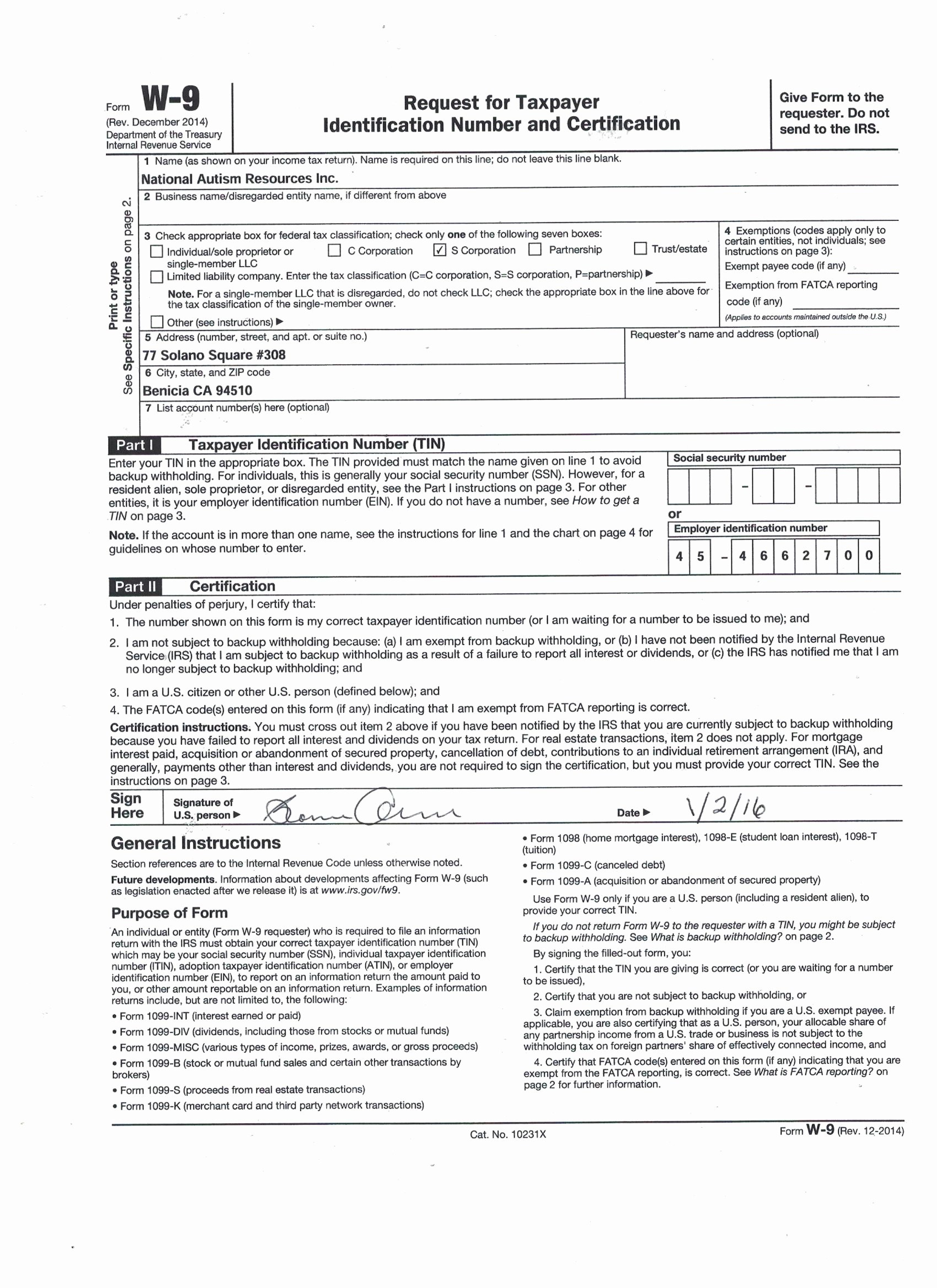
Is the I-9 form required for independent contractors? No, the I-9 form is strictly for employees. If you are hiring an independent contractor, you do not need to complete an I-9, but you should verify their status using a W-9 form for tax purposes.
Professional Advice Disclaimer
This article provides general information regarding the 2026 I-9 process and does not constitute legal, tax, or human resources advice. Immigration and employment laws are subject to change and may vary based on specific circumstances or state-level requirements. For complex hiring situations, audit concerns, or specific compliance questions, always consult with a qualified labor attorney or a human resources professional.
Recommended Next Steps
To ensure your organization is fully compliant for the remainder of 2026, take these immediate actions:
- Audit your current I-9 process to ensure every employee has a valid form on file.
- Verify that your HR team is using the most current version of the I-9 form by checking the USCIS website.
- If your business is large or hires frequently, consider integrating a compliant electronic I-9 system to reduce manual data entry errors.
- Schedule a brief training session for hiring managers to ensure they understand the importance of strict document verification deadlines.