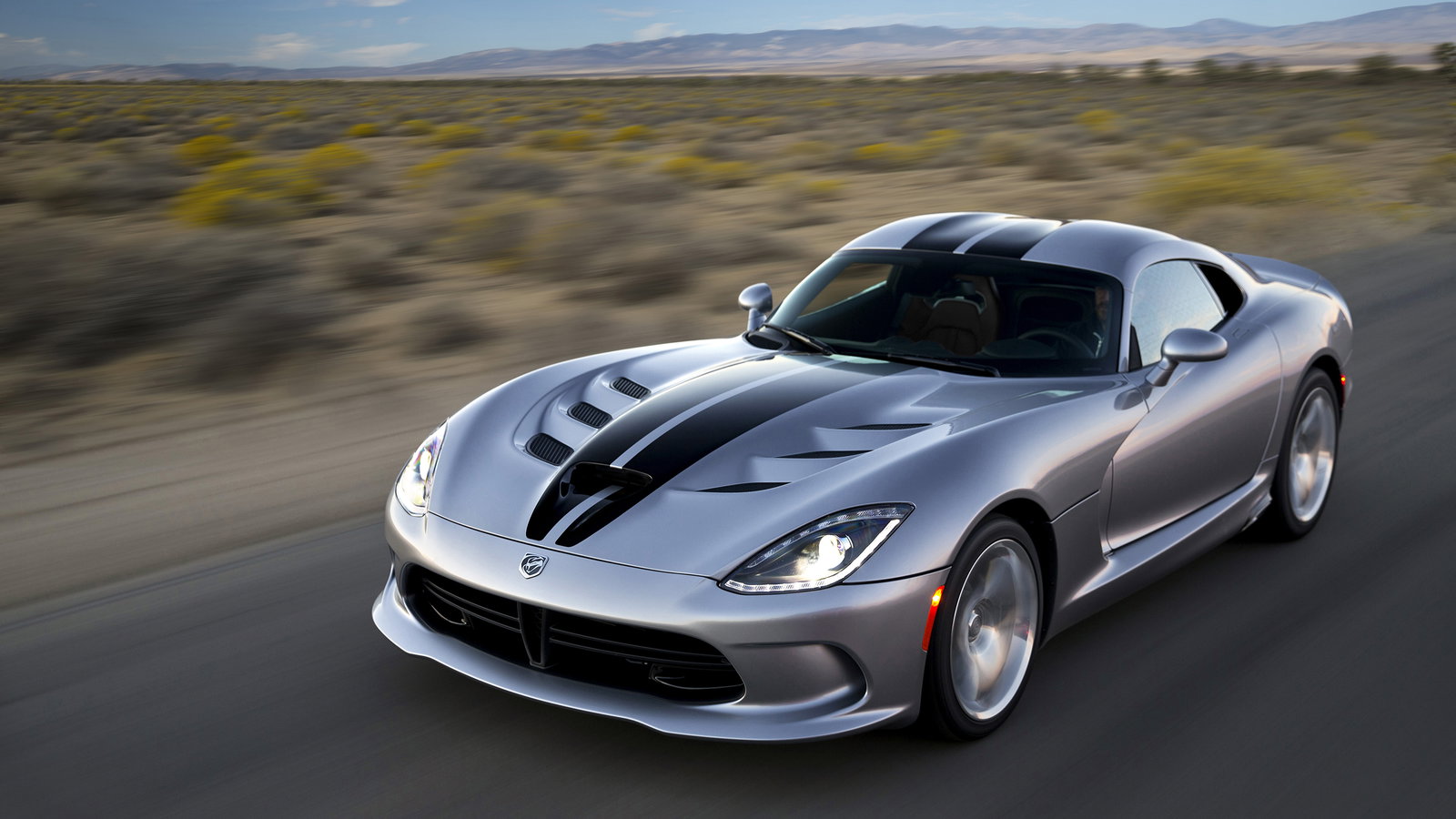
The Dodge Viper remained out of production through 2024, with no new models released since the nameplate was retired in 2017. As of 2026, the Viper exists exclusively as a high-value collector vehicle. While 2024 saw intense speculation regarding a revival, the brand’s current focus remains on the electrification of its muscle car lineup and the rollout of the Hurricane straight-six engine architecture.
The Reality of the 2024 "Phantom" Viper
Despite a flurry of social media rumors and AI-generated renderings that circulated throughout late 2023 and early 2024, a new Dodge Viper did not materialize for the 2024 model year. The "2024 Viper" exists only in the digital realm and the hopes of enthusiasts. To understand why these rumors persist, one must look at the vacuum left by the discontinuation of the internal combustion (ICE) Charger and Challenger models in 2023.
When Dodge announced its "Last Call" models for the HEMI V8 platform, enthusiasts naturally looked for a flagship successor. The Viper, being the ultimate expression of American performance, was the logical candidate for a "halo car" return. However, Dodge’s parent company, Stellantis, directed resources toward the STLA Large platform, which underpins the new generation of electric and multi-energy muscle cars. In 2024, the "status" of the Viper was defined by its absence from the showroom floor, contrasting sharply with its surging popularity in the pre-owned market.
Current Market Status: 2024 to 2026 Valuation Trends
The secondary market for the Dodge Viper has seen a dramatic shift between 2024 and 2026. What was once a niche enthusiast car has transitioned into a blue-chip investment asset. The Gen V (2013–2017) models, in particular, have experienced significant price appreciation.
The ACR Premium
The American Club Racer (ACR) variants, especially those equipped with the "Extreme Aero Package," became the focal point of collector interest in 2024. These cars, which were originally sold for approximately $120,000 to $150,000, began crossing the $250,000 threshold at major auctions like Bring a Trailer and Barrett-Jackson. By 2026, low-mileage ACR-Extreme examples are frequently listed for over $300,000, driven by the realization that a naturally aspirated V10 manual-transmission supercar is unlikely to be built again.
Entry-Level Appreciation
Even the Gen I (1992–1995) and Gen II (1996–2002) models, which were once considered the "accessible" Vipers, saw a 20-30% increase in floor prices during the 2024 calendar year. Buyers who were priced out of modern supercars turned to the Viper for its raw, analog driving experience. As of 2026, finding a "clean title" Viper of any generation for under $60,000 has become increasingly difficult.
Technical Retrospective: Why the Gen V Still Dominates
To understand the future outlook, we must analyze the technical height the Viper reached before its sunset. The Gen V Viper, produced from 2013 to 2017, remains a benchmark for performance even by 2026 standards.
The 8.4-Liter V10 Heart
The centerpiece of the Viper’s identity is the all-aluminum 8.4-liter V10 engine. This massive powerplant produced 645 horsepower and 600 lb-ft of torque. Unlike modern performance cars that rely on small-displacement turbocharging or hybrid assistance, the Viper utilized pure displacement. This "no-replacement-for-displacement" philosophy is exactly what makes the car so desirable in the current era of downsized engines.
Engineering Constraints: The Airbag Issue
A major factor in the Viper’s 2017 discontinuation—and a hurdle for any 2024 revival—was the Federal Motor Vehicle Safety Standard 226 (FMVSS 226). This regulation mandated side-curtain airbags to prevent occupant ejection. The Viper’s cabin architecture, specifically its narrow roofline and cockpit packaging, could not accommodate these airbags without a total structural redesign. In 2024, this remains the primary technical reason why a simple "re-release" of the old chassis is impossible. Any future Viper would require a ground-up engineering effort.
Future Outlook: The Path to a Potential Rebirth
As we look at the landscape in 2026, the "future outlook" for the Viper nameplate is intertwined with the evolution of Stellantis’ propulsion technology. There are three primary scenarios that automotive analysts and insiders discuss:
1. The All-Electric Halo (EV Viper)
Stellantis has committed heavily to the STLA Large platform, which is capable of delivering over 800 horsepower in a dual-motor configuration. A "Viper EV" would theoretically offer performance that eclipses the Gen V in every metric except for sound and engagement. The challenge for Dodge is maintaining the "Viper DNA"—which is inherently raw and analog—in a digital, electric package.
2. The Hurricane Straight-Six Alternative
Dodge’s transition to the 3.0-liter Hurricane Twin-Turbo I6 engine provides another avenue. In its High Output (HO) configuration, this engine produces over 550 horsepower. A future Viper could potentially use a hybridized version of this I6 to achieve 700+ horsepower. While this would solve the emissions and fuel economy (CAFE) hurdles that plagued the V10, it would be a significant departure from the car's ten-cylinder heritage.
3. The Boutique ICE Model
There is a persistent rumor that Dodge may follow the lead of European manufacturers by producing a limited-run, track-only, or "boutique" internal combustion Viper. This would allow them to bypass certain fleet-wide emissions requirements, catering specifically to the high-net-worth collector market. However, as of mid-2026, no official confirmation of such a project has been provided by Dodge leadership.
| Feature | Dodge Viper ACR (Gen V) | Corvette Z06 (C8) | Porsche 911 GT3 RS (992) |
|---|---|---|---|
| Engine | 8.4L V10 (Naturally Aspirated) | 5.5L V8 (Flat-Plane Crank) | 4.0L Flat-6 (Naturally Aspirated) |
| Transmission | 6-Speed Manual | 8-Speed Dual-Clutch | 7-Speed PDK |
| Horsepower | 645 hp | 670 hp | 518 hp |
| Torque | 600 lb-ft | 460 lb-ft | 342 lb-ft |
| Driving Experience | Analog / Raw | Mid-Engine / Precise | Track-Focused / Surgical |
| 2026 Status | Discontinued (Collector) | In Production | In Production |
Maintenance and Ownership in 2026
For those who currently own a Viper or are looking to purchase one in 2026, maintenance has become a specialized endeavor. While the V10 engine itself is famously robust—often referred to as a "truck engine" due to its durability—other components are becoming scarce.
- Body Panels and Glass: Since the Viper utilized carbon fiber and specialized plastics, replacement body panels are difficult to source. The windshield and rear glass for the Gen V are notoriously hard to find, often requiring owners to source from specialized salvage yards.
- Electronics: As the cars age, the proprietary electronic control modules (ECMs) and infotainment systems in the Gen V are beginning to show their age. Enthusiast groups like the Viper Club of America have become essential resources for sourcing refurbished parts.
- Tires: The Viper requires massive rear tires (355/30R19 for the Gen V). Fortunately, manufacturers like Michelin and Kumho continue to produce these sizes due to the car's enduring popularity in the track community.
Why a Viper Return is Complicated
The primary barrier to a new Viper in the 2024–2026 window is not a lack of interest, but the business case. The Viper was always a "low-volume, high-overhead" project. It required a dedicated assembly plant (the now-shuttered Conner Avenue Assembly Plant in Detroit). For Stellantis to greenlight a new Viper, it would need to share a platform with other vehicles to be profitable.
Furthermore, the "halo car" role has changed. In the 1990s and 2000s, a halo car was meant to prove mechanical dominance. In 2026, a halo car is expected to prove technological and sustainable dominance. A V10-powered Viper struggles to fit into the modern corporate narrative of "Dare Forward 2030," Stellantis’ strategic plan for carbon neutrality.
Frequently Asked Questions
Did Dodge release a 2024 Viper?
No. There was no production 2024 Dodge Viper. The last Dodge Viper was produced in 2017. Any advertisements or articles claiming a 2024 release are typically based on speculative renders or "clickbait" rumors.
How much does a Dodge Viper cost in 2026?
Prices vary significantly by generation. A Gen I or II in decent condition typically costs between $65,000 and $90,000. Gen V models (2013–2017) range from $140,000 for a base model to over $350,000 for a low-mileage ACR-Extreme.
Is the Dodge Viper coming back as an EV?
There is no official confirmation from Dodge, but the company’s shift toward the STLA Large platform makes an electric performance flagship a possibility. If the Viper returns, it is highly likely to feature some form of electrification to comply with global emissions standards.
Why was the Viper discontinued in the first place?
The Viper was discontinued due to a combination of slow sales and new federal safety regulations (FMVSS 226) that required side-curtain airbags. The car's unique design made it impossible to fit these airbags without a complete and costly redesign of the chassis.
Are parts still available for the Dodge Viper?
Mechanical parts for the V10 engine are relatively available due to their simplicity. However, cosmetic parts, body panels, and specialized electronics for the Gen V are becoming increasingly difficult to find and expensive to purchase on the secondary market.
Final Recommendation for Enthusiasts and Investors
If you are looking to enter the Viper market in 2026, the window for "affordable" examples has largely closed. For investors, the Gen V ACR-Extreme remains the most secure asset, as it represents the absolute pinnacle of the car's development. For drivers who want the Viper experience without the quarter-million-dollar price tag, a well-maintained Gen III (2003–2006) or Gen IV (2008–2010) offers a similar raw V10 experience at a more attainable price point.
Regardless of whether a new Viper ever reaches the assembly line, the current status of the vehicle is one of legendary permanence. The 2024-2026 period has solidified its place as one of the most important American performance cars ever built, standing alongside the Ford GT and the Chevrolet Corvette as a true icon of the road.