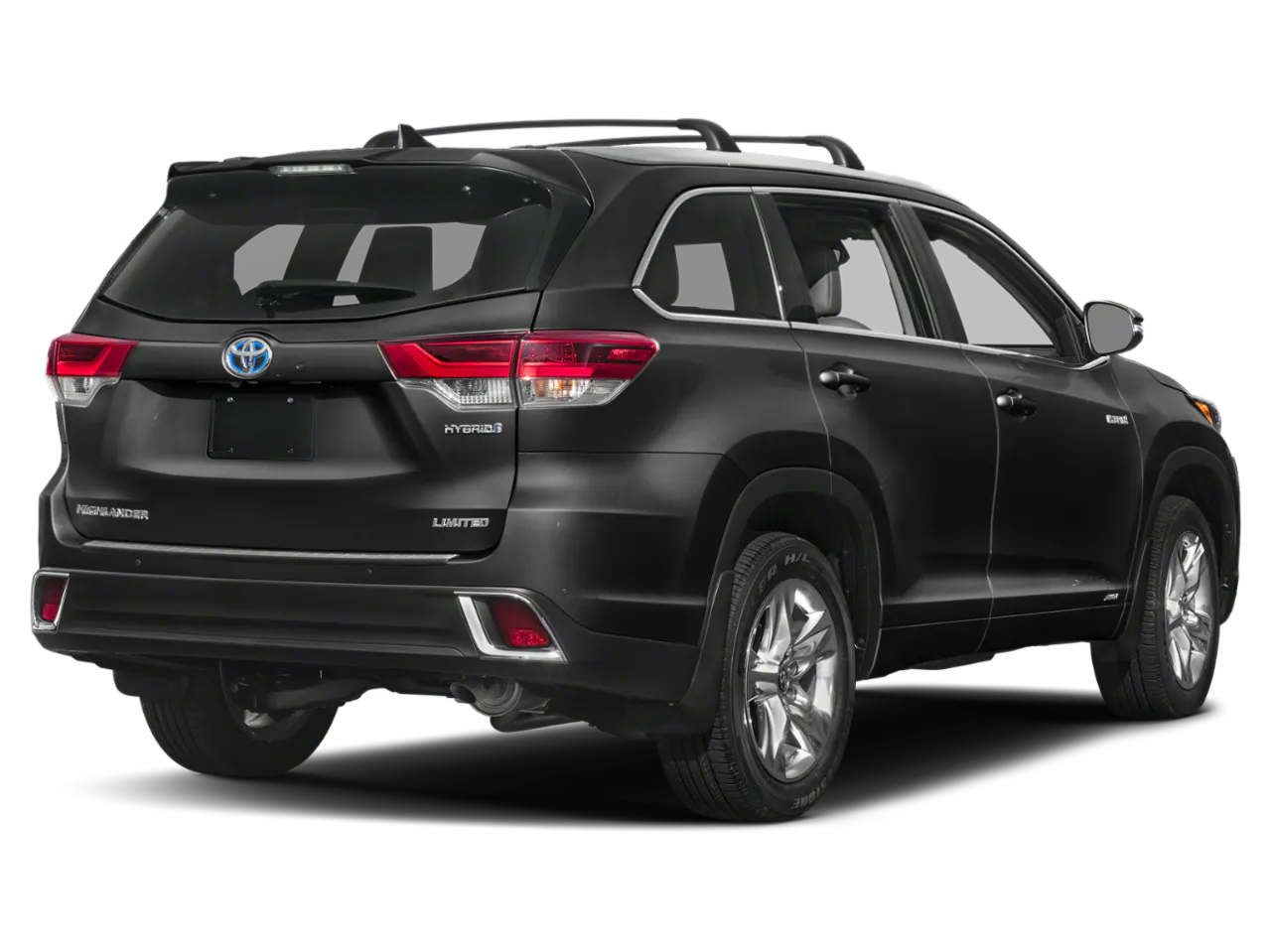
The 2019 Toyota hybrid lineup represents a pivotal year in the manufacturer’s commitment to electrification, offering a diverse range of vehicles that balance fuel efficiency, reliability, and modern technological integration. This collection includes long-standing nameplates like the Prius and the Camry Hybrid, as well as the expansion of hybrid technology into the RAV4, catering to drivers seeking lower operational costs without sacrificing utility.
The Landscape of Toyota Hybrid Technology in 2019
By 2019, Toyota had refined its Hybrid Synergy Drive (HSD) system to a high degree of maturity. This proprietary system utilizes a series-parallel architecture, allowing the vehicle to be powered by the electric motor, the internal combustion engine, or a combination of both. The primary objective of this technology in the 2019 model year was to maximize thermal efficiency and kinetic energy recovery through regenerative braking.
For the consumer, the 2019 lineup offered distinct choices based on body style and performance requirements. Whether one required the high-mileage capabilities of the liftback Prius or the balanced sedan dynamics of the Camry Hybrid, the core engineering remained consistent: a high-voltage battery pack (typically Nickel-Metal Hydride or Lithium-ion), a power control unit (PCU), and an electronically controlled continuously variable transmission (eCVT).
Model-Specific Breakdown and Technical Specifications
Understanding the 2019 lineup requires looking at the individual specifications of the most prominent hybrid vehicles offered that year. Each model served a unique market niche, ranging from the subcompact efficiency of the Prius c to the midsize utility of the Highlander Hybrid.
1. Toyota Prius (Liftback)
The 2019 Prius maintained its status as the benchmark for efficiency. It utilized a 1.8-liter four-cylinder engine paired with two motor-generators.
- Engine: 1.8L 4-cylinder DOHC 16-Valve VVT-i.
- Total System Net Power: 121 hp.
- Transmission: Electronically controlled Continuously Variable Transmission (eCVT).
- Fuel Economy: Approximately 54 MPG city / 50 MPG highway.
- Notable Feature: The 2019 model year saw the introduction of the available Electronic On-Demand AWD-i system, which provided better traction in inclement weather without significantly compromising fuel economy.
2. Toyota Camry Hybrid
The 2019 Camry Hybrid shifted the perception of hybrids from purely economical to engaging. Built on the Toyota New Global Architecture (TNGA) platform, it offered a lower center of gravity and improved handling.
- Engine: 2.5L 4-cylinder Dynamic Force Engine.
- Total System Net Power: 208 hp.
- Transmission: eCVT with Sport Mode.
- Fuel Economy: Up to 51 MPG city / 53 MPG highway (LE trim).
3. Toyota RAV4 Hybrid
Redesigned for the 2019 model year, the RAV4 Hybrid became a market leader by combining SUV utility with hybrid efficiency. Unlike previous generations, this model came standard with Electronic On-Demand AWD.
- Engine: 2.5L 4-cylinder Dynamic Force Engine.
- Total System Net Power: 219 hp.
- Transmission: eCVT.
- Fuel Economy: 41 MPG city / 38 MPG highway.
Comparison Table: 2019 Toyota Hybrid Specifications
The following table provides a high-level comparison of the technical core of the primary 2019 Toyota hybrid models.
| Model | Engine Type | System Horsepower | Drive Type | EPA Est. Combined MPG |
|---|---|---|---|---|
| Prius (FWD) | 1.8L I4 | 121 hp | FWD | 52 |
| Camry Hybrid | 2.5L I4 | 208 hp | FWD | 52 |
| RAV4 Hybrid | 2.5L I4 | 219 hp | AWD | 40 |
| Highlander Hybrid | 3.5L V6 | 306 hp | AWD | 29 |
Operational Considerations and Battery Longevity
A frequent point of inquiry for potential owners of 2019 models concerns the long-term health of the hybrid battery. Toyota’s hybrid batteries are designed to last the life of the vehicle, provided they are maintained correctly. By 2019, Toyota utilized advanced Battery Management Systems (BMS) that constantly monitor the state of charge and temperature of individual cells.
Owners should be aware of the "Hybrid Battery Cooling Intake," usually located near the rear seat. Keeping this vent free of dust, debris, and pet hair is essential. If the intake is blocked, the battery cannot regulate its temperature properly, which can lead to premature degradation and reduced fuel efficiency. While the 2019 models were backed by an 8-year/100,000-mile hybrid component warranty (and in some cases, longer for the battery itself), proactive maintenance of the cooling system is the most effective way to ensure longevity.
Driving Dynamics and User Experience
Driving a 2019 Toyota hybrid is distinct from driving a traditional internal combustion vehicle. The eCVT does not have fixed "gears" in the traditional sense, resulting in a linear acceleration feel that some drivers find unfamiliar initially. However, the 2019 models were engineered to minimize the "rubber-band" effect—where engine RPMs rise significantly without a corresponding increase in vehicle speed—by utilizing more aggressive electric motor assist during initial acceleration.
Each model includes selectable drive modes:
- EV Mode: Allows the vehicle to run on electric power alone for short distances at low speeds.
- Eco Mode: Adjusts throttle response and climate control settings to maximize fuel efficiency.
- Sport Mode: Improves throttle response and, in the Camry and RAV4, adjusts the steering feel for a more spirited drive.
Common Maintenance and Troubleshooting
Maintaining a 2019 hybrid does not significantly differ from standard vehicle care, though there are specific points of attention.
- Regenerative Braking Maintenance: Because the electric motor handles much of the deceleration, the physical brake pads on a 2019 hybrid often last significantly longer than those on traditional cars. However, because they are used less frequently, they are more susceptible to seizing due to rust if the car is driven in salt-heavy environments. Periodic inspections are recommended.
- Inverter Coolant: The hybrid system has its own cooling circuit for the inverter. This coolant should be inspected and flushed according to the manufacturer's recommended schedule, which is often found in the "Maintenance Guide" supplement provided with the owner's manual.
- 12-Volt Battery: Every hybrid still carries a traditional 12-volt auxiliary battery to power the electronics and initiate the "startup" sequence of the hybrid system. If the car fails to "Ready" despite the hybrid battery being charged, the 12-volt battery is the primary suspect.
Frequently Asked Questions
Does the 2019 Toyota Prius require plug-in charging? No, the standard 2019 Prius is a "Self-Charging" Hybrid Electric Vehicle (HEV). It charges its battery through regenerative braking and the internal combustion engine. Only the "Prius Prime" model is a Plug-in Hybrid (PHEV) that requires external charging.
Is it safe to drive the 2019 RAV4 Hybrid in deep snow? The 2019 RAV4 Hybrid features Electronic On-Demand AWD, which uses an independent electric motor to drive the rear wheels when needed. While it is highly capable in light-to-moderate snow, it is not a dedicated off-road vehicle. Always use winter tires for optimal traction.
What is the "Hybrid Battery" warranty for 2019 models? For the 2019 model year, Toyota provided a hybrid battery warranty covering 10 years or 150,000 miles (whichever comes first) for the hybrid battery. This was an extension from previous years, reflecting Toyota’s confidence in the technology.
Can I use synthetic oil in these engines? Yes, and it is mandatory. All 2019 Toyota hybrid engines require specific grades of high-quality synthetic oil (typically 0W-16 or 0W-20) to ensure low internal friction and efficient operation. Using the wrong viscosity can negatively impact fuel economy and engine longevity.
Are these vehicles suitable for long-term storage? If a 2019 Toyota hybrid is left parked for more than 30 days, the 12-volt battery may drain. It is recommended to use a battery maintainer or drive the vehicle for at least 30 minutes every few weeks to keep the high-voltage battery stable and the 12-volt battery charged.
Next Steps for Owners and Buyers
For current owners, ensure your vehicle is up to date with all software recalls. Toyota occasionally issued firmware updates for the Power Control Unit (PCU) to optimize energy management and prevent warning light malfunctions. You can verify your vehicle's status by entering your Vehicle Identification Number (VIN) into the official Toyota recall lookup portal.
For those considering the purchase of a 2019 Toyota hybrid in 2026, prioritize vehicles with comprehensive service records. A pre-purchase inspection by a technician familiar with the Hybrid Synergy Drive is strongly advised. Focus specifically on the health of the hybrid battery and the condition of the inverter cooling system. By adhering to the maintenance schedules outlined in the original owner's manual, these vehicles remain highly reliable and efficient transportation solutions.