The 2019 Rugby World Cup, hosted by Japan, concluded with South Africa winning their third title by defeating England 32–12 in the final match held at the International Stadium Yokohama. The tournament, which took place from September 20 to November 2, 2019, marked the first time the event was held in Asia, featuring 20 national teams competing across 12 venues.
Historical Context and Tournament Structure
The 2019 Rugby World Cup (RWC 2019) represented the ninth iteration of the quadrennial world championship for men's rugby union teams. Organized by World Rugby, the governing body of the sport, the tournament was defined by its objective to expand the sport's reach beyond its traditional strongholds in the Six Nations and The Rugby Championship.
The tournament structure followed a standard format: 20 teams were divided into four pools of five teams each. The top two teams from each pool advanced to the knockout stages, which consisted of quarterfinals, semifinals, the third-place playoff, and the final. Qualification was based on the performance of teams in the 2015 tournament and subsequent regional qualification processes.
Pool Stage Overview
The pool stage provided a mix of expected outcomes and significant upsets. Each team played four matches within their pool, earning points for wins and draws, with bonus points awarded for scoring four or more tries or losing by seven points or fewer.
Pool A
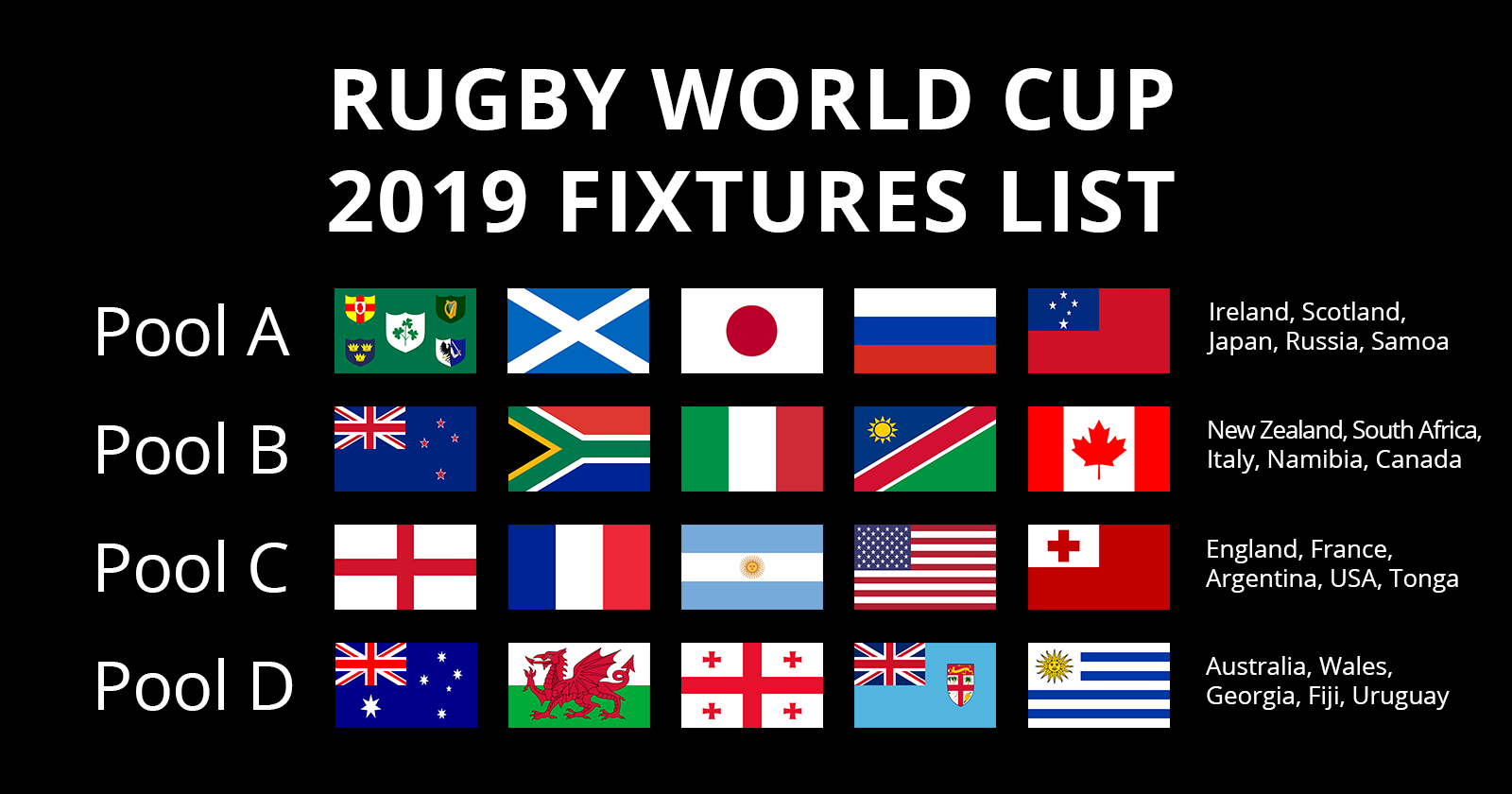
Pool A included Ireland, Scotland, Japan, Russia, and Samoa. The host nation, Japan, emerged as the standout team, finishing at the top of the pool with an undefeated record. Their victories, particularly against Ireland and Scotland, were pivotal in the tournament’s narrative, marking the first time a tier-two rugby nation had reached the knockout stages in this format.
Pool B
Pool B comprised New Zealand, South Africa, Italy, Namibia, and Canada. South Africa’s progression was marred only by an opening loss to New Zealand. By securing second place, South Africa advanced to the quarterfinals, setting the stage for their eventual championship run.
Pool C
Pool C featured England, France, Argentina, Tonga, and the United States. England dominated the pool, remaining undefeated. France secured the second qualification spot, though their performance was marked by inconsistency, setting up a challenging route through the knockout stages.
Pool D
Pool D included Wales, Australia, Fiji, Georgia, and Uruguay. Wales topped the pool with a perfect record, while Australia took the second position. Notably, Uruguay achieved a significant upset by defeating Fiji, highlighting the growing competitiveness of nations outside the traditionally dominant unions.
Knockout Stage and Final Results
The knockout stage commenced on October 19, 2019. The intensity of the competition increased as the top teams faced elimination-style fixtures.
The Quarterfinals
- England 40–16 Australia: England’s clinical execution saw them defeat the Wallabies convincingly.
- New Zealand 46–14 Ireland: The defending champions displayed their typical dominance, ending Ireland’s campaign.
- Wales 20–19 France: In a closely contested match, Wales narrowly edged out France.
- South Africa 26–3 Japan: South Africa ended the host nation's historic run with a physically dominant performance.
The Semifinals
- England 19–7 New Zealand: This match is often cited as one of the finest defensive displays in modern rugby history. England’s tactical discipline neutralized New Zealand’s attack, propelling them into the final.
- South Africa 19–16 Wales: A gritty, defensive struggle saw South Africa progress to the final through a late penalty goal.
The Final: South Africa vs. England
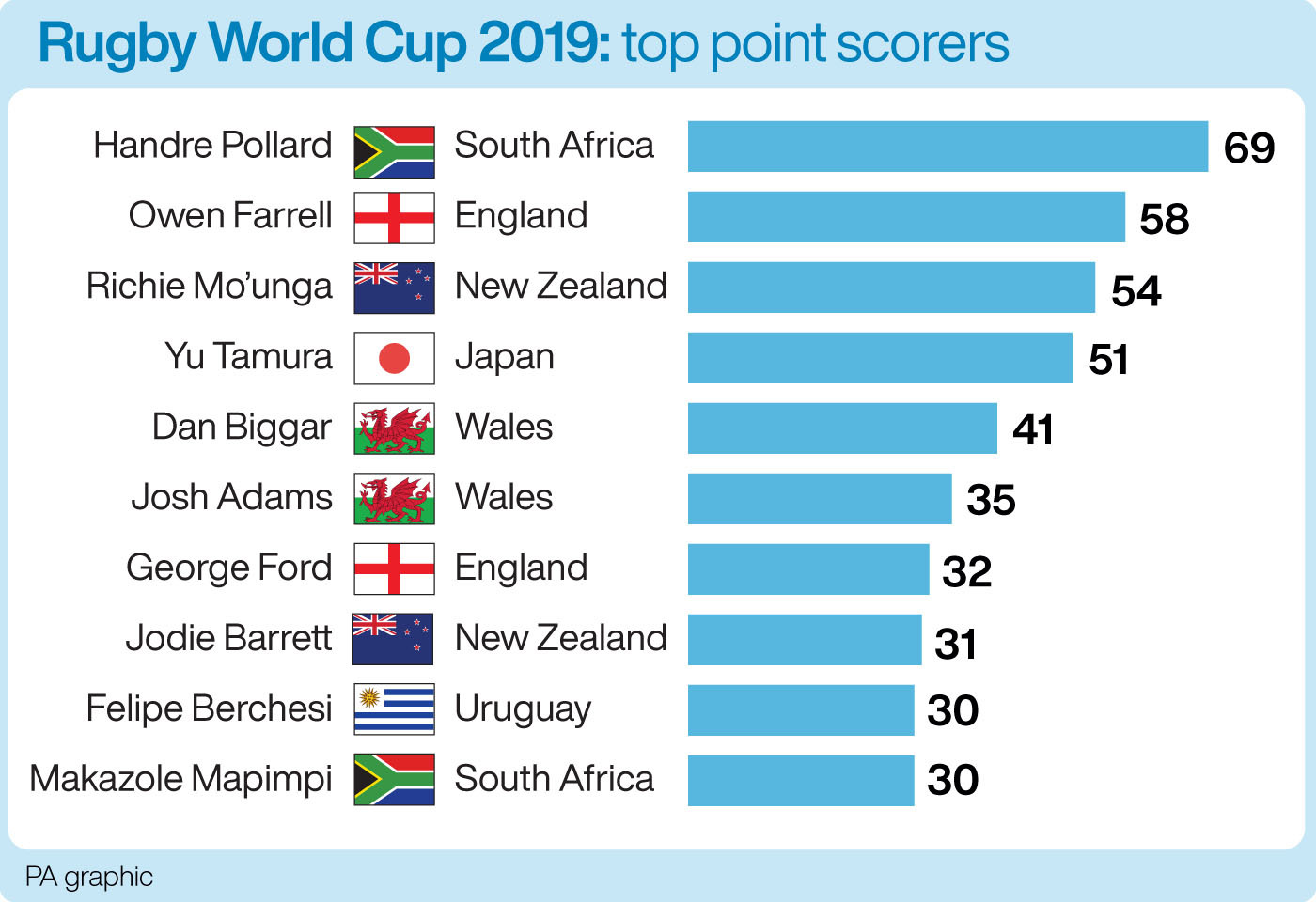
The final, held on November 2, 2019, was a showcase of forward dominance and defensive fortitude. South Africa’s game plan focused on a powerful scrum and high-pressure defense. By halftime, South Africa held a 12–6 lead through penalties. In the second half, tries from Makazole Mapimpi and Cheslin Kolbe broke the game open, leading to a 32–12 victory. This win moved South Africa level with New Zealand for the most Rugby World Cup titles at the time.
Comparative Performance Summary
The following table provides a high-level summary of the top four finishers in the 2019 tournament.
| Nation | Final Position | Key Result | Total Points in Final |
|---|---|---|---|
| South Africa | Winner | 32–12 vs England | 32 |
| England | Runner-up | 12–32 vs South Africa | 12 |
| New Zealand | 3rd Place | 40–17 vs Wales | 40 |
| Wales | 4th Place | 17–40 vs New Zealand | 17 |
Statistical Highlights and Tactical Trends
The 2019 tournament demonstrated a shift in tactical approaches. Teams increasingly prioritized defensive line speed and territorial kicking strategies.
- Try Scoring: A total of 280 tries were scored across the 45 matches (with one match cancelled due to Typhoon Hagibis).
- Discipline: The officiating focus on high tackles led to a record number of red and yellow cards compared to previous tournaments, forcing teams to adapt their defensive techniques mid-tournament.
- The "Typhoon Factor": Typhoon Hagibis, a powerful tropical cyclone, forced the cancellation of three pool-stage matches. Per tournament regulations, these matches were recorded as 0–0 draws, which significantly impacted the final standings in pools where qualification margins were slim.
Impact on World Rugby Rankings
Following the conclusion of the tournament, the World Rugby Rankings underwent significant shifts. South Africa ascended to the number one position globally, a spot they held intermittently over the following years. The performance of "tier two" nations, specifically Japan and Uruguay, led to discussions within World Rugby regarding the expansion of the tournament and increased funding for emerging rugby nations.
Frequently Asked Questions
Who won the 2019 Rugby World Cup?
South Africa won the 2019 Rugby World Cup. They defeated England in the final with a score of 32–12, marking their third title in the competition's history.
Which country hosted the 2019 Rugby World Cup?
Japan hosted the tournament. It was the first time the Rugby World Cup was held in Asia, and matches were distributed across 12 cities throughout the country.
How many teams participated in the 2019 tournament?
Twenty teams participated in the 2019 Rugby World Cup. These teams were divided into four pools of five, based on their performance in the previous tournament and the qualification pathways managed by World Rugby.
Did any matches get cancelled during the tournament?
Yes, due to the impact of Typhoon Hagibis, three pool matches were cancelled: New Zealand vs. Italy, England vs. France, and Namibia vs. Canada. These matches were registered as 0–0 draws according to the official tournament rules.
Where can I view the official records for the 2019 tournament?
The official records, match statistics, and historical results for the 2019 Rugby World Cup are maintained by World Rugby on their official website. You can access the tournament archive for detailed player statistics, match reports, and disciplinary records.
Practical Recommendations for Researchers
For those conducting further research into the 2019 Rugby World Cup, it is recommended to utilize the official World Rugby archives. The tournament was a turning point for global engagement in the sport, and the match reports provide deep insight into the strategic shifts that defined the era. When analyzing player performance, note that the physical intensity of the tournament led to frequent substitutions; referring to the official "Player of the Match" selections for each game is an effective way to identify standout performances that may not be immediately obvious in raw scorecards.