The 2018 Volkswagen Jetta primarily requires fully synthetic 5W-40 engine oil that meets the Volkswagen 502 00 oil quality standard. Depending on the specific engine variant—typically the 1.4L TSI or the 2.0L TSI—using the manufacturer-specified oil is critical to maintaining turbocharger health, preventing sludge buildup, and ensuring compliance with the original powertrain warranty requirements.
Understanding the Importance of VW Oil Standards
Volkswagen does not simply rely on viscosity grades like 5W-40 to define the oil requirements for its vehicles. Instead, the company utilizes a proprietary set of "VW Standards." For the 2018 Jetta, the VW 502 00 specification is the gold standard for gasoline engines.
When you purchase motor oil, you will notice various industry certifications from the API (American Petroleum Institute) or ACEA (European Automobile Manufacturers' Association). While these are important, they do not replace the VW specification. The VW 502 00 standard signifies that the oil has undergone rigorous testing to ensure it can withstand the high-heat environment of a turbocharged direct-injection engine. Using an oil that lacks this specific certification can lead to carbon deposits on intake valves, premature oxidation, and increased wear on internal engine components.
Engine Variants and Viscosity Requirements
The 2018 Volkswagen Jetta was produced with different engine configurations, most notably the 1.4-liter turbocharged four-cylinder and the 2.0-liter turbocharged engine found in the GLI trim. Understanding your specific engine is the first step in ensuring a successful oil service.
- 1.4L TSI Engine: This engine is known for its efficiency. It relies on the VW 502 00 specification, and 5W-40 is the most commonly recommended viscosity for a wide range of operating temperatures.
- 2.0L TSI Engine (GLI): The higher-performance 2.0L engine experiences greater thermal stress. While the 502 00 standard remains the baseline, owners often prioritize high-quality full-synthetic oils that offer superior shear stability, which helps the oil maintain its protective film under the increased boost pressures generated by the GLI’s turbocharger.
Regardless of the engine, the owner’s manual remains the final authority for your specific VIN (Vehicle Identification Number). Always check the under-hood sticker, which serves as a secondary verification tool provided by the factory at the time of assembly.
The Role of Full Synthetic Oil
For a 2018 Jetta, conventional oil is not a viable option. Synthetic oils are chemically engineered to provide consistent performance across extreme temperature fluctuations. In a turbocharged engine like those found in the Jetta, the oil is not only used for lubrication but also serves as a coolant for the turbocharger bearings.
Synthetic oil resists "coking," a process where oil breaks down into solid carbon deposits when exposed to the intense heat of the turbocharger. If you use non-synthetic or lower-grade oil, these deposits can obstruct oil passages, leading to turbocharger failure. Furthermore, synthetic oils possess better flow characteristics during cold starts, ensuring that critical engine components receive immediate lubrication the moment the ignition is turned on.
Comparing Common Oil Specifications and Viscosities
The following table outlines the typical requirements and considerations for selecting the correct oil for a 2018 VW Jetta.
| Feature | Requirement / Specification |
|---|---|
| Primary Specification | VW 502 00 |
| Common Viscosity | 5W-40 (or 5W-30 depending on climate) |
| Oil Type | Fully Synthetic Only |
| Change Interval | Every 10,000 miles or 12 months (whichever comes first) |
| Capacity (1.4L TSI) | Approximately 4.2 quarts (4.0 liters) |
| Capacity (2.0L TSI) | Approximately 5.7 quarts (5.4 liters) |
Note: Always verify exact capacity during the oil change process by checking the dipstick after filling.
The Risks of Using Incorrect Oil
Selecting the wrong oil grade or a product that does not meet the required VW standard can have long-term consequences for your vehicle. One of the most common issues is the formation of sludge. Sludge occurs when oil additives break down, causing the oil to thicken and lose its ability to circulate.
In a modern direct-injection engine, incorrect oil can also negatively impact the emission control systems. High-sulfur or incorrect additive packages can increase the rate at which combustion byproducts accumulate in the PCV (Positive Crankcase Ventilation) system, potentially leading to oil leaks from seals and gaskets. Furthermore, if you are still within a period where manufacturer-backed repairs or extended coverage might apply, using the wrong oil can void those protections, as the manufacturer may attribute engine failure to improper maintenance.
Essential Tools and Preparations for an Oil Change
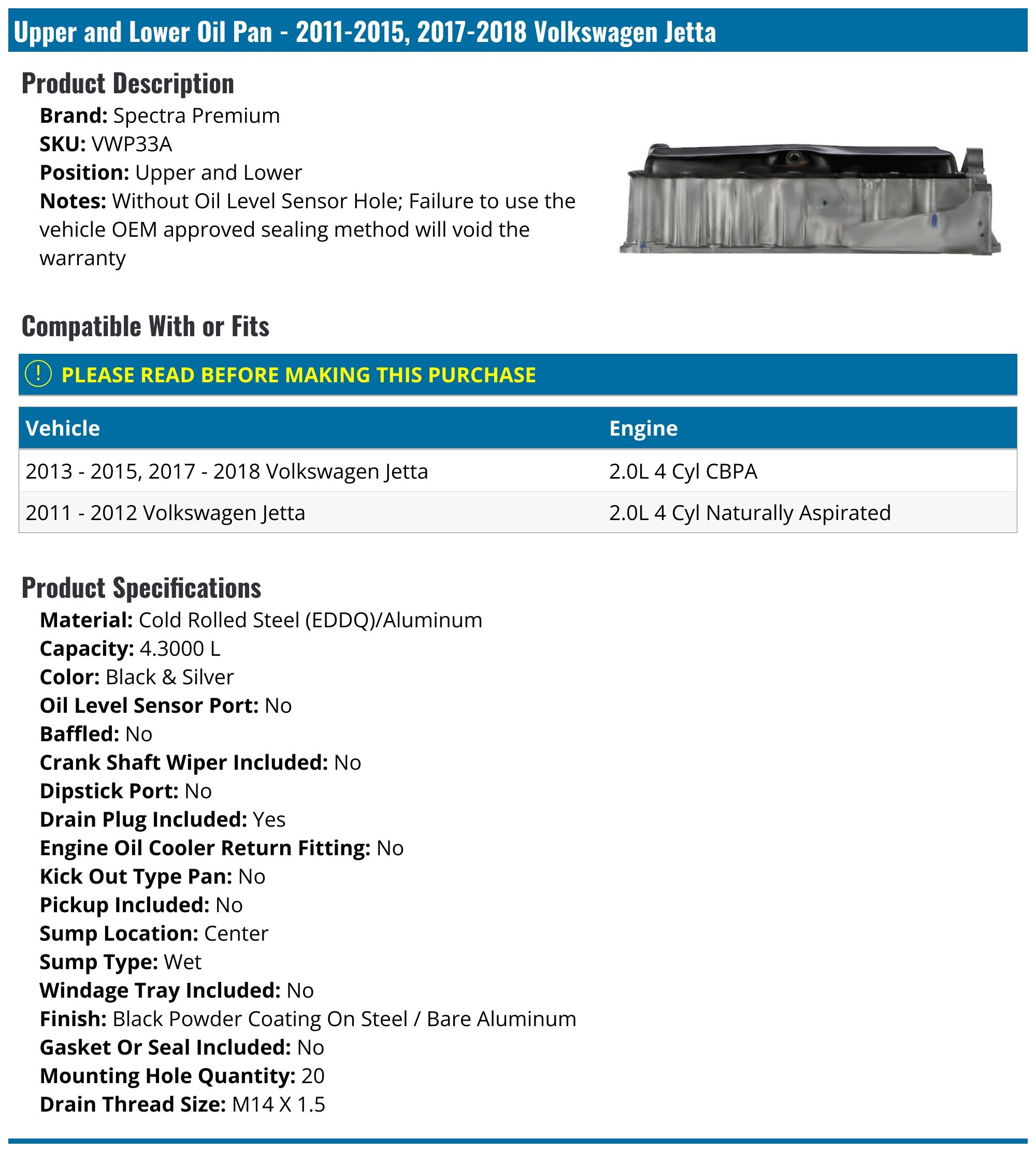
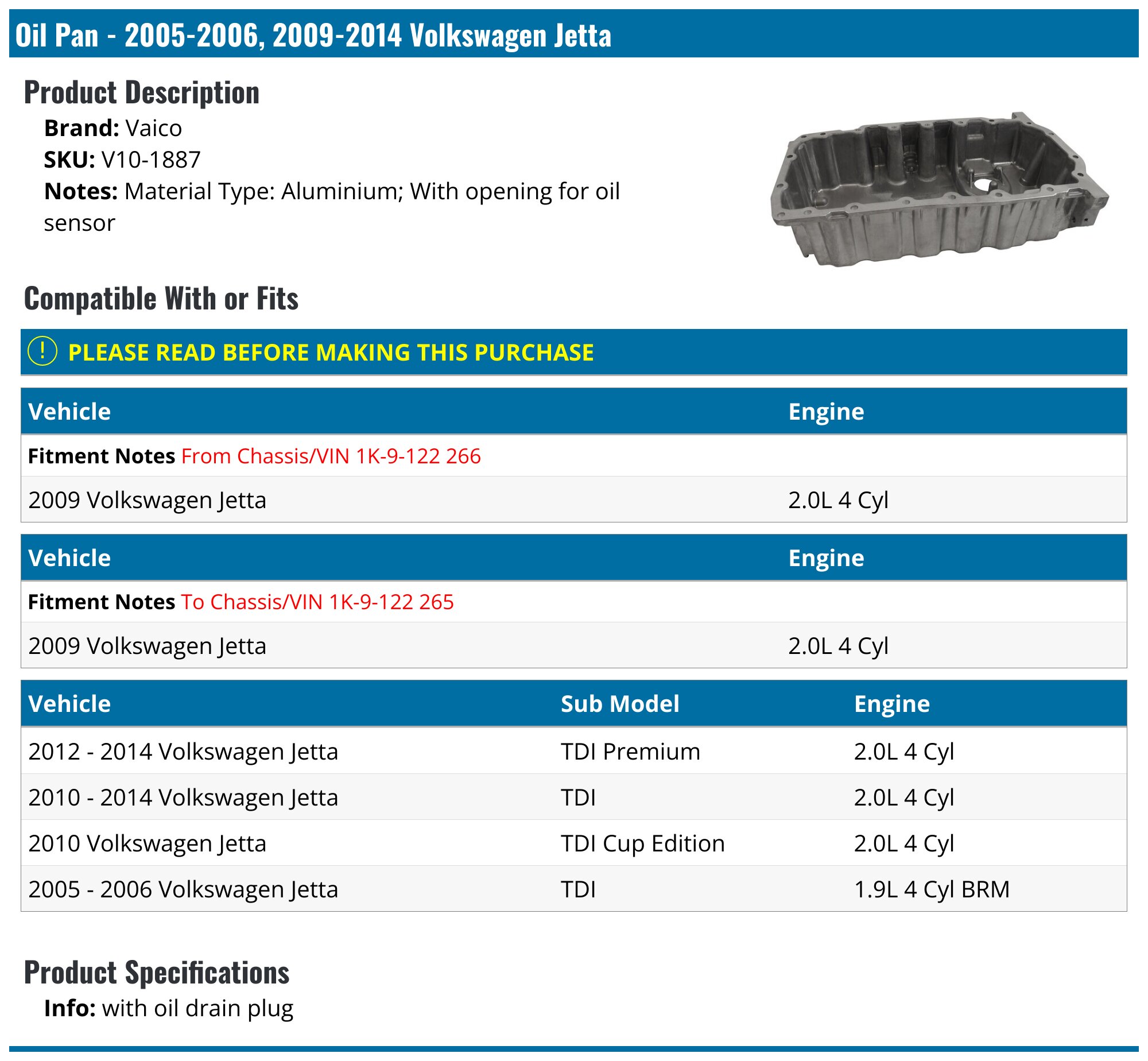
If you choose to perform the oil change yourself, preparation is key. Aside from the correct oil, you must ensure you have the proper filter. The 2018 Jetta utilizes a cartridge-style or spin-on filter depending on the specific engine build date and model configuration; ensure you verify the part number with an authorized parts dealer using your VIN.
Required Items Checklist:
- Correct Oil: Typically 5 quarts of 5W-40 synthetic meeting VW 502 00.
- Oil Filter: OEM-spec filter to ensure proper flow and bypass valve operation.
- Drain Plug/Washer: It is best practice to replace the drain plug crush washer or the entire drain plug assembly to prevent slow oil leaks.
- Oil Filter Wrench: A dedicated tool is often required for the cartridge housing.
- Torque Wrench: Crucial for the drain plug and the filter housing to prevent over-tightening, which can crack plastic components.
Environmental Considerations and Disposal
When handling used motor oil, remember that it is a hazardous pollutant. Never pour used oil into the ground, storm drains, or trash containers. Many local auto parts retailers and municipal recycling centers accept used oil for free. Collect the drained oil in a sealable container and transport it to a certified collection point. By recycling the oil, you contribute to the circular economy, as refined used oil can be processed into new lubricants or industrial fuel.
Troubleshooting and Common Questions
How can I be sure I have the right VW 502 00 oil? Check the back of the oil bottle. Reputable manufacturers will explicitly state "Meets VW 502 00" on the label. If the label only lists generic API ratings like "SN" or "SP" without mentioning the manufacturer's specific certification, the oil may not be suitable for your Jetta's engine.
Can I switch to a different viscosity if I live in a cold climate? The 5W-40 weight is designed to provide a balance between cold-start flow and high-temperature protection. While 5W-30 may be acceptable in some specific regional guidelines for the 2018 Jetta, always default to the recommendation in your owner’s manual. If you reside in an area with extreme arctic temperatures, consult a local authorized service center for an approved alternative.
What happens if I go past the 10,000-mile interval? The 10,000-mile or 12-month interval is based on the use of high-quality synthetic oil and high-efficiency filters. Exceeding this limit leads to oil degradation, which increases the likelihood of engine wear. If your driving habits include frequent short trips, city idling, or high-speed driving in hot climates, it is often advisable to perform the oil change every 7,500 miles as a precautionary measure.
Is it necessary to use a Volkswagen-branded oil? No, you do not need to use oil labeled "Volkswagen." You only need to use oil that is officially certified to meet the VW 502 00 standard. Several aftermarket manufacturers like Mobil 1, Castrol, and Liqui Moly offer products that carry this official certification.
Should I use an oil additive? Volkswagen strongly advises against the use of aftermarket oil additives. The engine oil is already a complex, chemically balanced fluid. Introducing additives can disrupt the chemistry of the oil, potentially causing it to lose its protective properties or negatively affecting internal sensors.
Final Guidance for Long-Term Maintenance
Maintaining your 2018 VW Jetta with the correct oil is the most effective way to ensure engine longevity. Do not be tempted by sales or lower prices on oils that do not explicitly state they meet the VW 502 00 standard. If you are taking your vehicle to an independent shop, explicitly ask the service advisor if they use oil that is certified for VW engines. If you are performing the work yourself, keep a log of the dates, mileage, and the specific brand of oil and filter used. This documentation is invaluable for maintaining the resale value of your vehicle and ensures you are adhering to the highest standards of automotive care.