The 2018 Nissan Sentra is equipped with an Xtronic Continuously Variable Transmission (CVT) that lacks a conventional, user-accessible transmission dipstick for routine fluid level checks. Unlike traditional automatic transmissions, this sealed unit relies on a specialized service port and precise fluid temperature management to monitor and maintain the internal transmission fluid, which is integral to the vehicle’s long-term mechanical reliability.
Understanding the CVT Design Philosophy
The transmission system in the 2018 Nissan Sentra is a sophisticated piece of engineering designed to provide seamless acceleration by eliminating fixed gear ratios. Instead of gears, the system utilizes a high-strength steel belt and two variable-diameter pulleys. The fluid, specifically formulated as Nissan Genuine NS-3 CVT Fluid, acts as both a hydraulic medium to actuate the pulleys and a critical lubricant for the metal-to-metal contact points within the belt-and-pulley assembly.
Because of the high-pressure environment required for the CVT to operate efficiently, Nissan designed the 2018 Sentra’s transmission as a "sealed" system. In automotive engineering, "sealed" does not imply that the fluid never needs changing; rather, it indicates that the system is not intended to be accessed by the vehicle owner via a dipstick. This design minimizes the risk of dirt, moisture, or improper contaminants entering the transmission—all of which are fatal to the sensitive valve body and pulleys within a CVT.
Why No Accessible Dipstick Exists
Many vehicle owners accustomed to older automatic transmissions find the absence of a dipstick perplexing. In legacy systems, a dipstick served as an early warning sign for leaks or degradation. However, for the 2018 Nissan Sentra, the omission of the dipstick is a strategic choice driven by three primary technical factors:
- Contamination Sensitivity: Even a microscopic amount of debris or the wrong type of transmission fluid can cause the CVT to experience "belt slip," leading to catastrophic internal damage. By removing the dipstick, Nissan reduces the likelihood of users inadvertently introducing contaminants or overfilling the unit with generic fluid.
- Strict Leveling Requirements: CVT fluid levels are hyper-sensitive to temperature. A dipstick provides a static reading, but because fluid expands significantly as it heats, a static measurement is often inaccurate. The service procedure requires the fluid to be at a precise temperature range, verified by an OBD-II scan tool, to ensure the internal level corresponds to the factory specification.
- Pressure Regulation: Modern CVTs operate with very specific internal pressures. An overfilled or underfilled transmission can lead to pressure fluctuations that force the transmission control module (TCM) to enter "limp mode" or, eventually, cause structural failure of the pulleys.
The Service Procedure: How Technicians Check Fluid
Since a user-accessible dipstick is absent, verifying the fluid level or condition requires a specific technical protocol. While this is typically performed by a dealership or a transmission specialist, understanding the process helps owners grasp why this is not a "do-it-yourself" maintenance task.
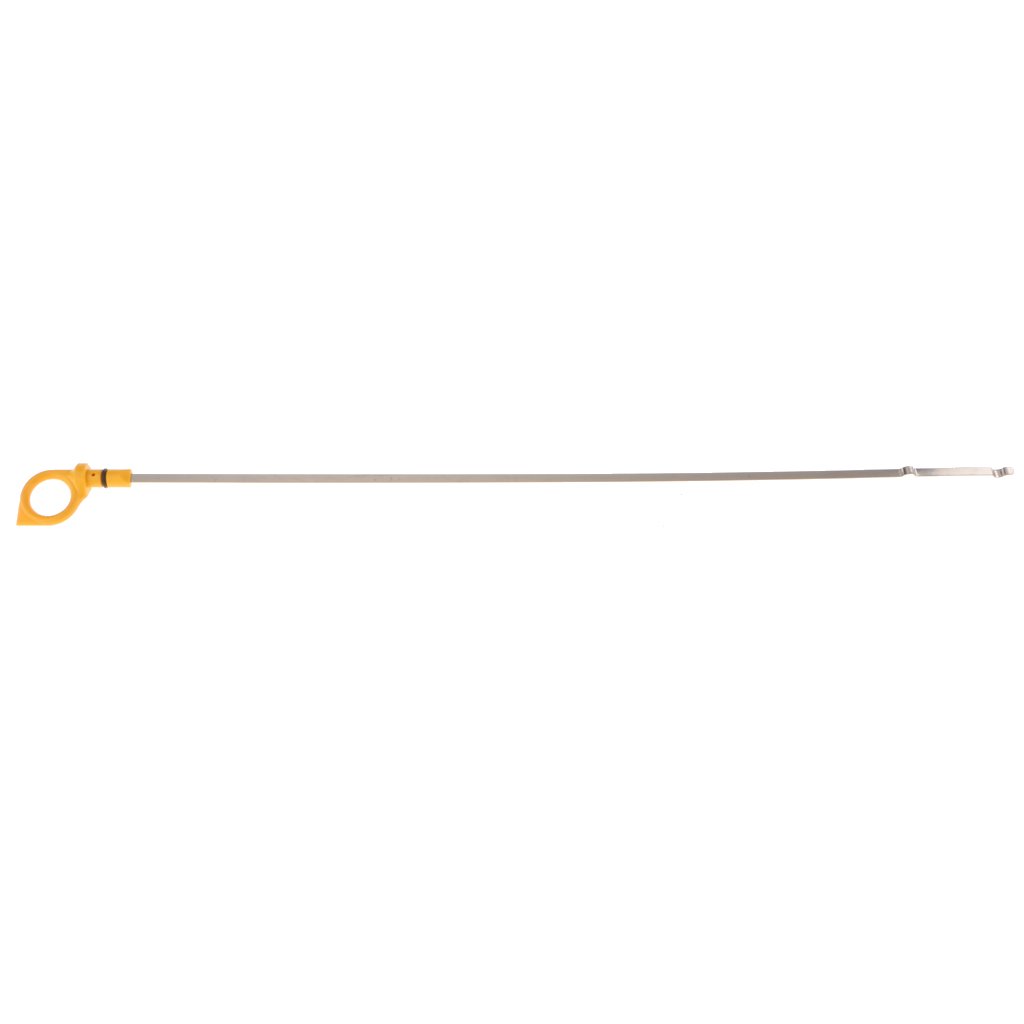
To check the fluid, a technician must place the vehicle on a lift to ensure it is perfectly level. They then remove a specialized bolt or plug located on the transmission casing. In some cases, a shop-standard service tool—a dipstick meant for measurement rather than storage—is inserted into the service port once the transmission has been warmed to a specific temperature (usually verified via a diagnostic scanner).
The technician measures the fluid level against the graduated markings on the service tool and correlates that depth with the current fluid temperature. If the level is low, fluid is added through the same service port or the fill hole atop the transmission housing, using a pump to ensure exact volume.
Comparison: Conventional Automatic vs. 2018 Sentra CVT
The following table outlines the key differences between traditional transmissions and the 2018 Nissan Sentra’s sealed CVT system regarding maintenance.
| Feature | Conventional Automatic | 2018 Nissan Sentra CVT |
|---|---|---|
| Dipstick Access | Standard (under hood) | None (sealed unit) |
| Fluid Type | AT Fluid (Varies) | Nissan NS-3 (Proprietary) |
| Maintenance Interval | Periodic checking encouraged | Sealed for service/pro-only |
| Verification Method | Visual dipstick check | Diagnostic scanner & thermal check |
| Contamination Risk | Low/Moderate | Very High (Critical) |
Common Signs of Fluid Issues
Because there is no dipstick to provide a visual check, owners must rely on performance symptoms to identify potential transmission fluid issues. If your 2018 Nissan Sentra exhibits any of the following, it may indicate a fluid-related problem:
- Delayed Engagement: A noticeable "hesitation" when shifting from Park to Drive or Reverse.
- Whining Noise: High-pitched sounds coming from the transmission area, which often suggest that the fluid is failing to provide adequate lubrication for the pulleys.
- Reduced Acceleration: If the engine RPM rises significantly, but the vehicle does not increase speed proportionately, this is a hallmark symptom of belt slip, potentially caused by degraded fluid or incorrect pressure.
- Overheating Warnings: In extreme cases, the TCM may detect high fluid temperatures, triggering a warning light on the dashboard.
Maintenance Recommendations and Longevity
While the transmission is considered "sealed," it is not maintenance-free. Professional automotive technicians generally recommend a drain-and-fill service for the 2018 Sentra CVT every 60,000 miles, or more frequently if the vehicle is subjected to "severe" driving conditions. Severe driving includes heavy stop-and-go traffic, frequent short trips, or driving in extremely hot climates, all of which accelerate the thermal breakdown of the NS-3 fluid.
Never attempt to "top off" the fluid by adding generic fluid into the wrong port. There are several openings on a transmission case, and adding fluid to the wrong one could damage internal components. Always consult your owner’s manual or a qualified technician to verify the specific fluid type and capacity.
Frequently Asked Questions
Can I buy an aftermarket dipstick for my 2018 Nissan Sentra? No. While some aftermarket parts manufacturers sell "service dipsticks" intended for professional mechanics, these are calibrated measurement tools, not permanent caps. They should not be left inside the transmission housing while driving, as they are not designed to seal the unit against heat and road debris.
How do I know if my fluid is low if there is no dipstick? You cannot perform a visual check yourself. If you suspect low fluid levels, you must visit a certified repair facility. They will use a diagnostic computer to check the fluid temperature and a specialized measurement tool to verify the level against the manufacturer’s technical data.
Is it safe to change the fluid myself? Changing CVT fluid is significantly more complex than a standard engine oil change. It requires specific tools, the ability to monitor internal transmission temperatures via an OBD-II scanner, and the use of precise OEM-specified fluid. Improper fluid levels or the use of non-NS-3 fluid can cause immediate and permanent damage to your CVT.
What happens if I overfill the transmission? Overfilling the transmission causes the fluid to foam. Because air is compressible and hydraulic fluid is not, foaming fluid causes inconsistent pressure, leading to sluggish performance, erratic shifting, and long-term damage to the internal seals and pulley assembly.
Does the 2018 Sentra have a transmission fluid filter? Yes, the system does utilize internal filters. These are typically replaced during an internal transmission overhaul or a major service. Like the fluid, these are not considered routine consumer-replaceable items.
Professional Recommendation
If you own a 2018 Nissan Sentra, treat the transmission with a "proactive maintenance" mindset rather than a "reactive" one. Because the system lacks a simple dipstick, do not wait for symptoms of failure. If you are nearing the 60,000-mile threshold, schedule a professional fluid service with a facility that has experience with Nissan CVT systems and the appropriate diagnostic equipment to monitor fluid temperatures during the refill process. Prioritizing this service is the most effective way to protect the longevity of your transmission.