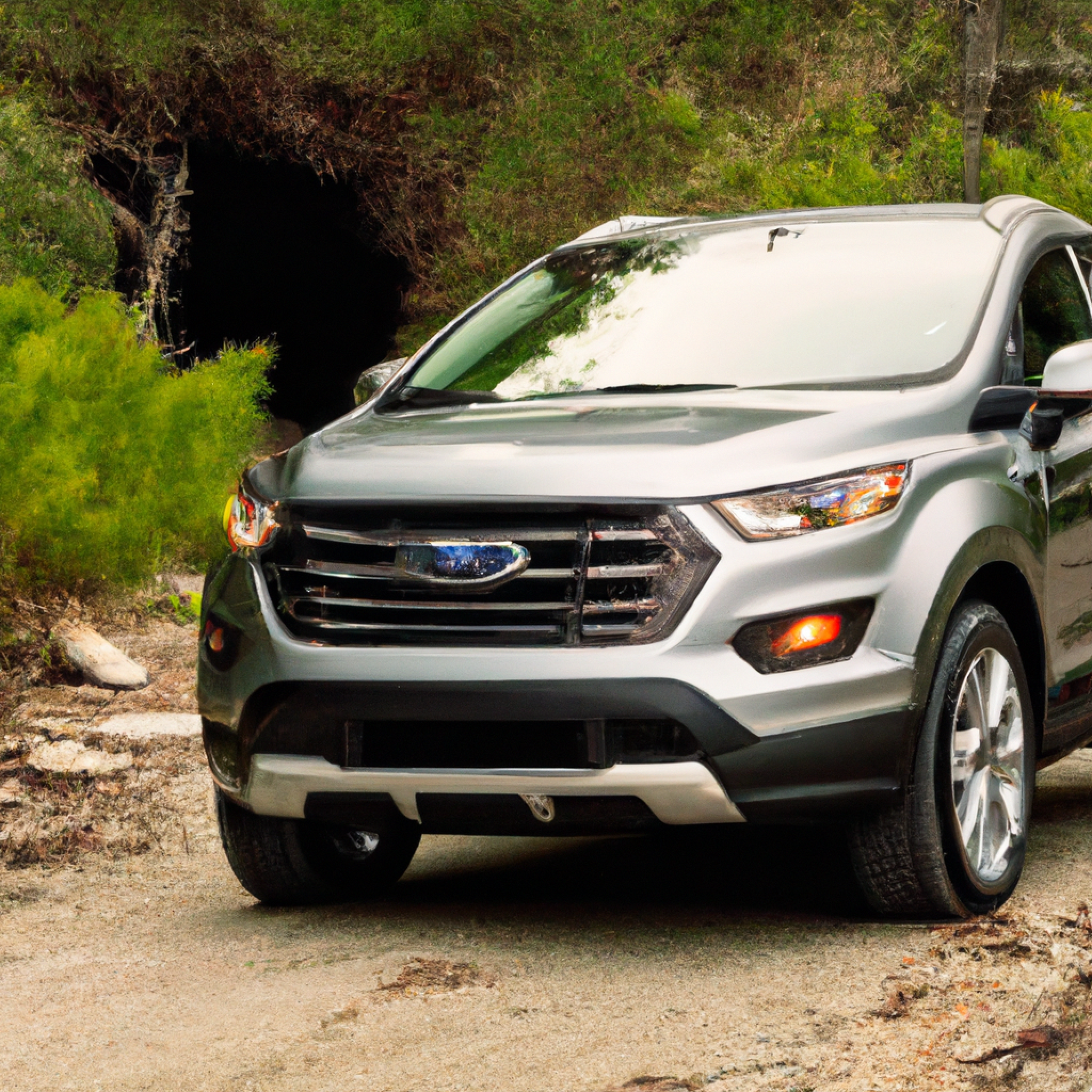
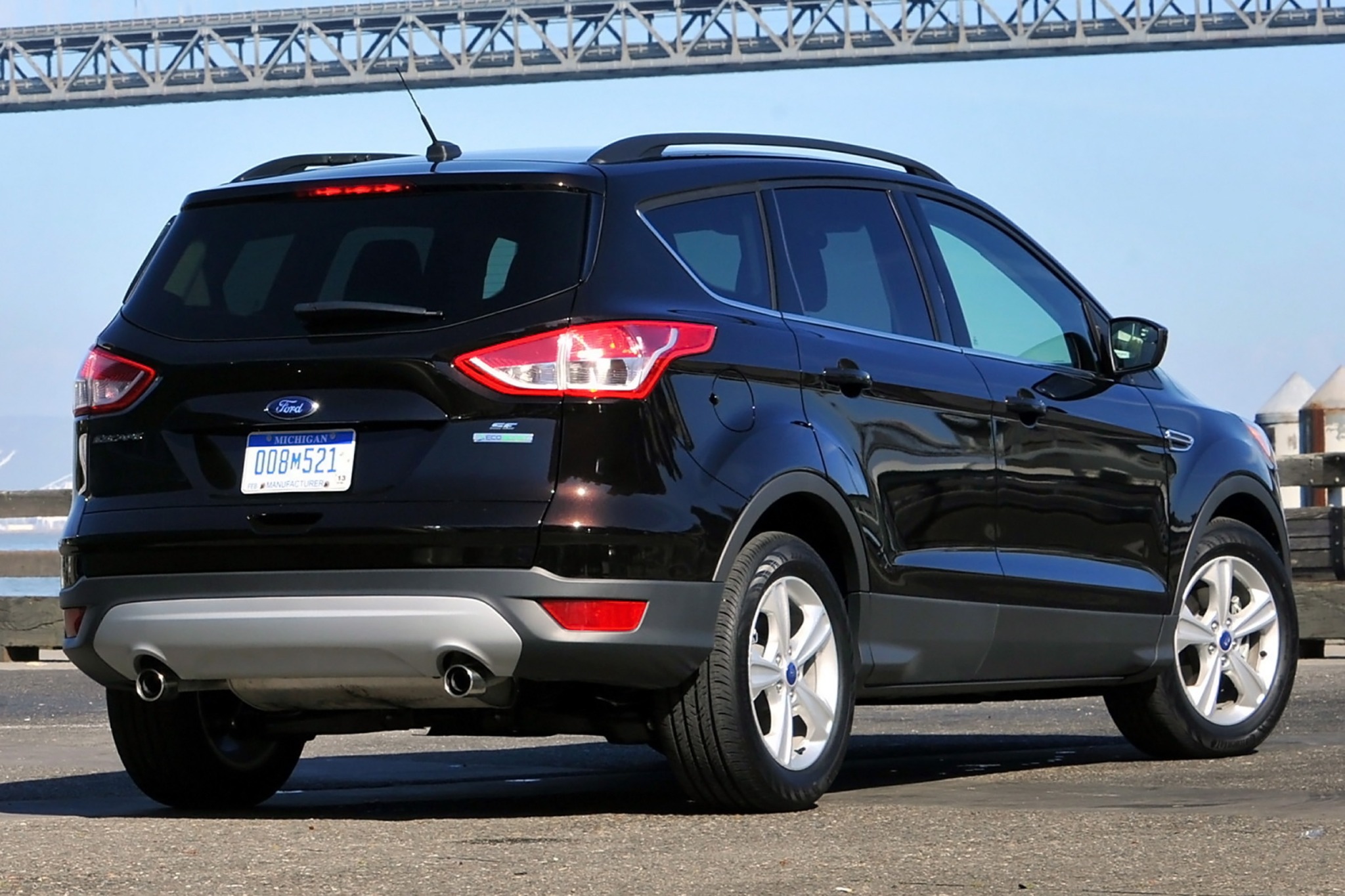
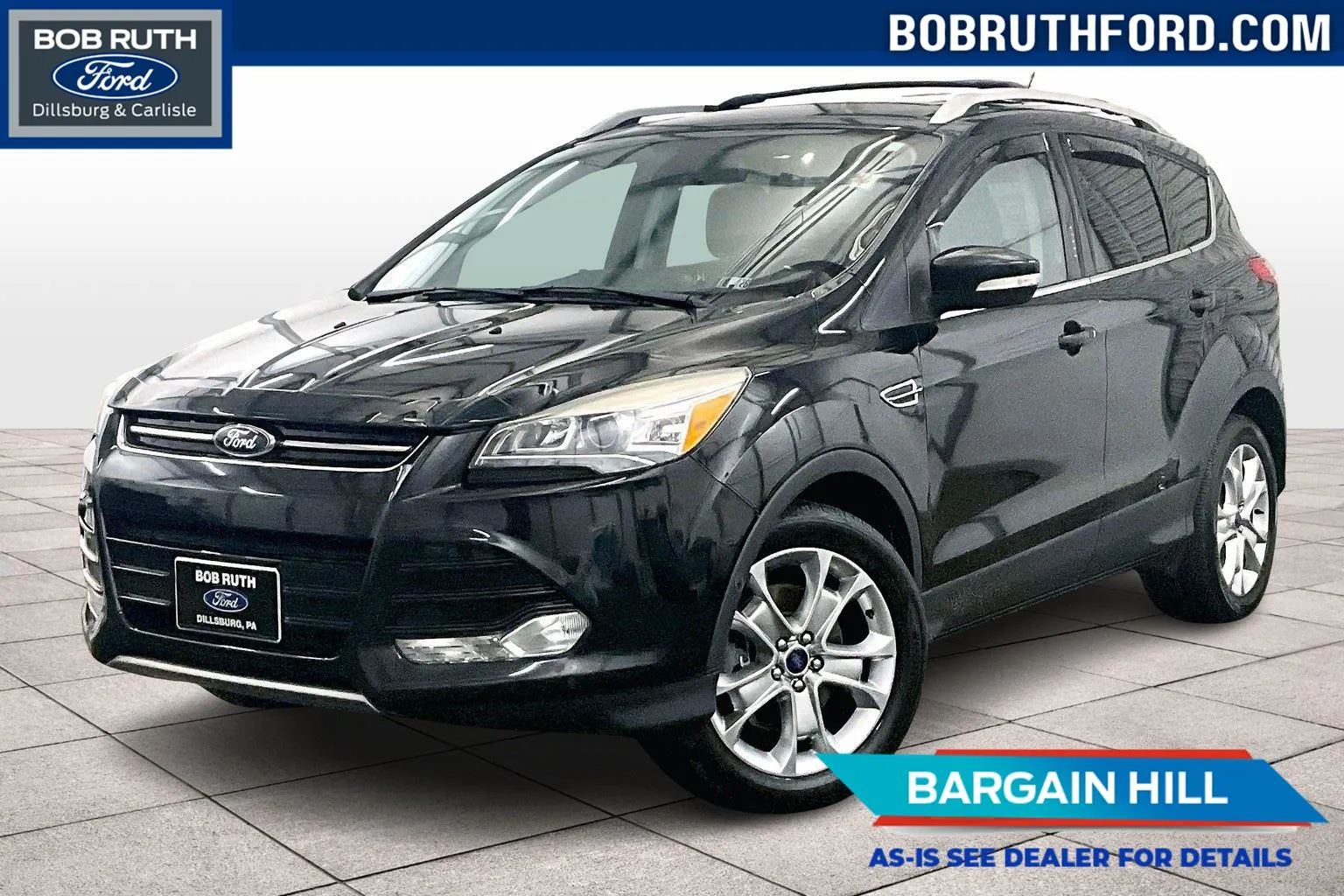
As of 2026, the 2016 Ford Escape Titanium remains a popular choice on the used compact SUV market, but owners must address several critical safety recalls to ensure vehicle reliability. The most significant recalls involve the transmission shifter bushing, which can lead to unintended vehicle rollaway, and faulty side door latches that may allow doors to open while the vehicle is in motion. All recall-related repairs are performed free of charge by authorized Ford dealerships, regardless of the vehicle's current mileage or warranty status.
Understanding the Recall Landscape for the 2016 Ford Escape Titanium
The 2016 Ford Escape was manufactured during a transitional period for Ford’s small SUV platform. While the 2016 model year saw improvements in engine reliability over the earlier 2013–2014 iterations, it inherited several mechanical design flaws common to the third-generation Escape. For the Titanium trim—which typically features the more powerful 2.0L EcoBoost engine and advanced electronic features—staying informed about recalls is a matter of both safety and preserving the vehicle's resale value in 2026.
A safety recall is issued when a manufacturer or the National Highway Traffic Safety Administration (NHTSA) determines that a vehicle model has a safety-related defect or does not comply with federal safety standards. For a vehicle that is now a decade old, these recalls are even more vital, as wear and tear can exacerbate the underlying mechanical failures described in the official recall notices.
The Most Critical Concern: Transmission Shifter Bushing (Recall 22S43)
One of the most widespread and dangerous issues affecting the 2016 Ford Escape Titanium involves the transmission shifter cable bushing. This recall, identified by Ford as 22S43 (and NHTSA campaign 22V413), addresses a failure point that can lead to catastrophic safety failures.
The Nature of the Defect
The transmission shifter cable is what connects the gear shift lever inside the cabin to the actual transmission under the hood. The cable is held in place by a small plastic bushing. Over time, particularly in areas with high ambient temperatures and humidity, this bushing can degrade, crack, and eventually fall out.
When the bushing fails, the cable may detach from the transmission. This results in a "transmission-shifter mismatch." For example, the driver may move the gear selector to "Park" and remove the key, but the transmission itself remains in "Drive" or "Neutral" because the cable is no longer pulling the linkage.
Safety Risks and Symptoms
The primary risk associated with this recall is a vehicle rollaway. Because the instrument cluster might indicate the car is in Park when it is not, a driver might exit the vehicle without engaging the parking brake. If the car is on even a slight incline, it can roll away, potentially causing injury or property damage.
Owners should be alert for the following warning signs:
- The gear shifter feels unusually "loose" or "light" when moving between gears.
- The digital display on the dashboard shows a different gear than the one selected by the physical lever.
- The car refuses to start (as the computer does not detect it is in Park or Neutral).
The Official Fix
The remedy for this issue involves technicians replacing the under-hood shifter cable bushing with a new component made of a more durable material. Ford also adds a protective cap over the bushing to shield it from the environmental heat and contaminants that caused the original part to fail. This repair is essential for every 2016 Escape Titanium, as the original bushing was almost guaranteed to fail over a 10-year lifespan.
The Side Door Latch Failure (Recall 20S30)
Another major safety hurdle for the 2016 Escape Titanium is the side door latch recall (Ford recall 20S30 / NHTSA 20V331). This issue has plagued various Ford models for years, leading to multiple recall expansions.
Why the Doors May Not Stay Latched
The defect lies within the "pawl spring" tab inside the door latch assembly. This component is responsible for keeping the door securely closed once it is shut. In certain environmental conditions, specifically high heat, the plastic housing around the spring can crack. If this happens, the door may fail to latch properly when closed.
More dangerously, the door might appear to be closed but could unlatch while the vehicle is in motion. This poses an obvious risk to passengers, particularly children in the rear seats, and can lead to the door swinging open during turns or at highway speeds.
Identifying the Problem
Drivers may notice a "door ajar" warning light on the Titanium’s digital instrument cluster that refuses to turn off, even when the doors are slammed shut. Alternatively, the door may require multiple attempts to close. If you experience any resistance or a "clicking" sound that doesn't result in a locked door, the latch mechanism is likely failing.
The Dealership Remedy
Authorized Ford dealers are tasked with inspecting the date codes on the door latches. If the latches fall within the suspect production window, they are replaced with a redesigned part that uses a more robust pawl spring housing. Given the luxury-oriented nature of the Titanium trim, which often includes keyless entry and complex locking sensors, ensuring these mechanical components are sound is vital for the electronic systems to function correctly.
Engine and Cooling System Concerns (2.0L EcoBoost)
While the 2016 Ford Escape Titanium primarily uses the 2.0L EcoBoost engine—which avoided many of the fire-related recalls associated with the smaller 1.6L EcoBoost—it is not entirely exempt from cooling system scrutiny.
Potential for Overheating
In previous years, Ford issued recalls (such as 17S09) for 1.6L engines due to a lack of coolant circulation that could lead to cylinder head cracking and oil leaks. While the 2.0L engine in the 2016 Titanium is a different design, many owners have reported similar cooling system vulnerabilities as the vehicles age into 2026.
Ford has issued several Technical Service Bulletins (TSBs) regarding the 2.0L EcoBoost's coolant loss and potential EGR (Exhaust Gas Recirculation) cooler failures. While a TSB is not a formal recall, it represents a known manufacturer issue. In 2026, owners should be diligent about checking coolant levels, as a "low coolant" warning in a 2016 Titanium could lead to expensive engine damage if the underlying leak isn't addressed.
The Power Liftgate and Electrical TSBs
The Titanium trim is known for its "hands-free" power liftgate. While not a safety recall, there have been numerous reports and TSBs regarding the liftgate's sensors failing or the liftgate opening/closing unexpectedly. If you find your Titanium's liftgate acting erratically, a dealer software update is often the required fix.
Summary of Major Recalls for 2016 Ford Escape Titanium
The following table summarizes the most critical recalls that owners of the 2016 Ford Escape Titanium should verify in 2026.
| NHTSA Campaign ID | Ford Recall Number | Affected Component | Potential Consequence |
|---|---|---|---|
| 22V413 | 22S43 | Transmission Shifter Bushing | Vehicle rollaway due to unintended gear mismatch. |
| 20V331 | 20S30 | Side Door Latches | Doors may unlatch and open while the vehicle is moving. |
| 16V220 | 16S19 | Driver's Knee Airbag | Airbag may not inflate properly during a collision. |
| 15V606 | 15C09 | Adaptive Cruise Control | System may fail to detect vehicles, increasing crash risk. |
Note: The Adaptive Cruise Control recall applies specifically to Titanium models equipped with the Technology Package.
Step-by-Step Guide: How to Check and Resolve Recalls in 2026
In 2026, many 2016 Escapes have changed hands multiple times. This means the current owner may not be in Ford’s mailing database for recall notifications. It is the owner's responsibility to verify the vehicle's status.
1. Locate Your VIN
The 17-digit Vehicle Identification Number (VIN) is unique to your car. You can find it:
- On the driver’s side dashboard, visible through the windshield.
- On the sticker located on the driver’s side door jamb.
- On your vehicle registration or insurance documents.
2. Use Official Search Tools
Do not rely on third-party "history report" sites, which may have delayed data. Instead, use the following official resources:
- NHTSA Recall Lookup: Visit nhtsa.gov/recalls and enter your VIN.
- Ford Support: Use the Ford Owner website to check for open recalls and Customer Satisfaction Programs (CSPs).
3. Schedule Your Repair
If an open recall is found, contact your local Ford dealership. You do not need to take the vehicle to the original selling dealer. Provide them with your VIN and the recall number. Because these vehicles are now a decade old, ensure the dealer has the parts in stock before dropping off the car.
4. Understand Your Rights
Recall repairs are completely free. This includes both parts and labor. If a dealership attempts to charge you for a recall-related fix, you should report them to Ford Corporate or the NHTSA. However, be aware that if the dealer finds other issues during the inspection (like a worn belt or unrelated oil leak), those repairs are not covered by the recall.
Maintenance and Long-Term Reliability in 2026
Beyond recalls, owning a 2016 Ford Escape Titanium in 2026 requires a proactive approach to maintenance. The Titanium trim is packed with electronics—sync 3 infotainment, Sony audio systems, and ambient lighting—which can become temperamental as they age.
Transmission Health
The 6F35 6-speed automatic transmission in the 2016 Escape is generally durable but benefits immensely from regular fluid changes. If you are getting the shifter bushing recall performed, ask the technician to inspect the transmission fluid condition. Smooth shifting is a hallmark of a well-maintained Titanium, and ignoring fluid intervals can lead to "shuddering" or delayed engagement.
Turbocharger Care
The 2.0L EcoBoost uses a turbocharger to deliver its impressive performance. To protect the turbo in a high-mileage 2016 vehicle:
- Use high-quality synthetic oil.
- Stick to a strict 5,000 to 7,500-mile oil change interval.
- Allow the engine to idle for 30 seconds after a long highway drive before shutting it off to let the turbo cool down.
Professional Advice Limitation
This article provides information based on publicly available recall data and automotive service standards. While recalls are safety-critical, this guide does not replace the advice of a certified mechanic or official communications from Ford Motor Company. If your vehicle is exhibiting dangerous behavior, stop driving it immediately and have it towed to a service center.
Frequently Asked Questions (FAQ)
1. How much does it cost to fix a 2016 Ford Escape recall?
The cost is zero dollars. Under federal law, manufacturers are required to fix safety recalls for free. This includes the parts required for the fix and the labor hours the mechanic spends on the vehicle. You are not required to be the original owner, and the vehicle does not need to be under any form of warranty.
2. Can I drive my Escape if it has an open shifter bushing recall?
It is highly recommended that you get the recall performed as soon as possible. If you must drive the vehicle before the repair, always engage the mechanical parking brake before exiting the car. This provides a secondary fail-safe to prevent the vehicle from rolling away if the shifter cable detaches while you are parked.
3. Does the 2016 Ford Escape Titanium have engine fire recalls?
While the 2013 and 2014 Escape models were notorious for engine fire recalls due to cylinder head overheating, the 2016 model (especially the 2.0L Titanium) was largely spared from these specific "fire" recalls. However, any internal combustion engine can pose a fire risk if fuel lines or cooling systems are neglected. Always check for fuel odor or visible coolant leaks.
4. What if the parts for my recall are not available?
In some cases, especially for older models in 2026, parts shortages may occur. If a dealership tells you a part is on backorder, ask them to "open a case" with Ford Corporate. In rare instances where a vehicle is deemed "too dangerous to drive" and parts are unavailable, Ford may provide a loaner vehicle, though this is at the manufacturer's discretion and usually reserved for the most severe cases.
5. How long does the recall repair take at the dealership?
Most 2016 Escape recalls, such as the shifter bushing or the door latch inspection, can be completed in 2 to 4 hours. However, dealerships often require you to leave the car for a full day due to their scheduling and the time needed for administrative processing.
Final Recommendation for Owners
For owners of the 2016 Ford Escape Titanium, the most important action to take in 2026 is to verify that the shifter bushing (22S43) and door latch (20S30) recalls have been completed. These are not merely "suggestions"—they address failures that can occur without warning and lead to serious accidents. By ensuring these free repairs are performed, you maintain the safety of your passengers and extend the functional life of one of Ford’s most popular compact SUVs.