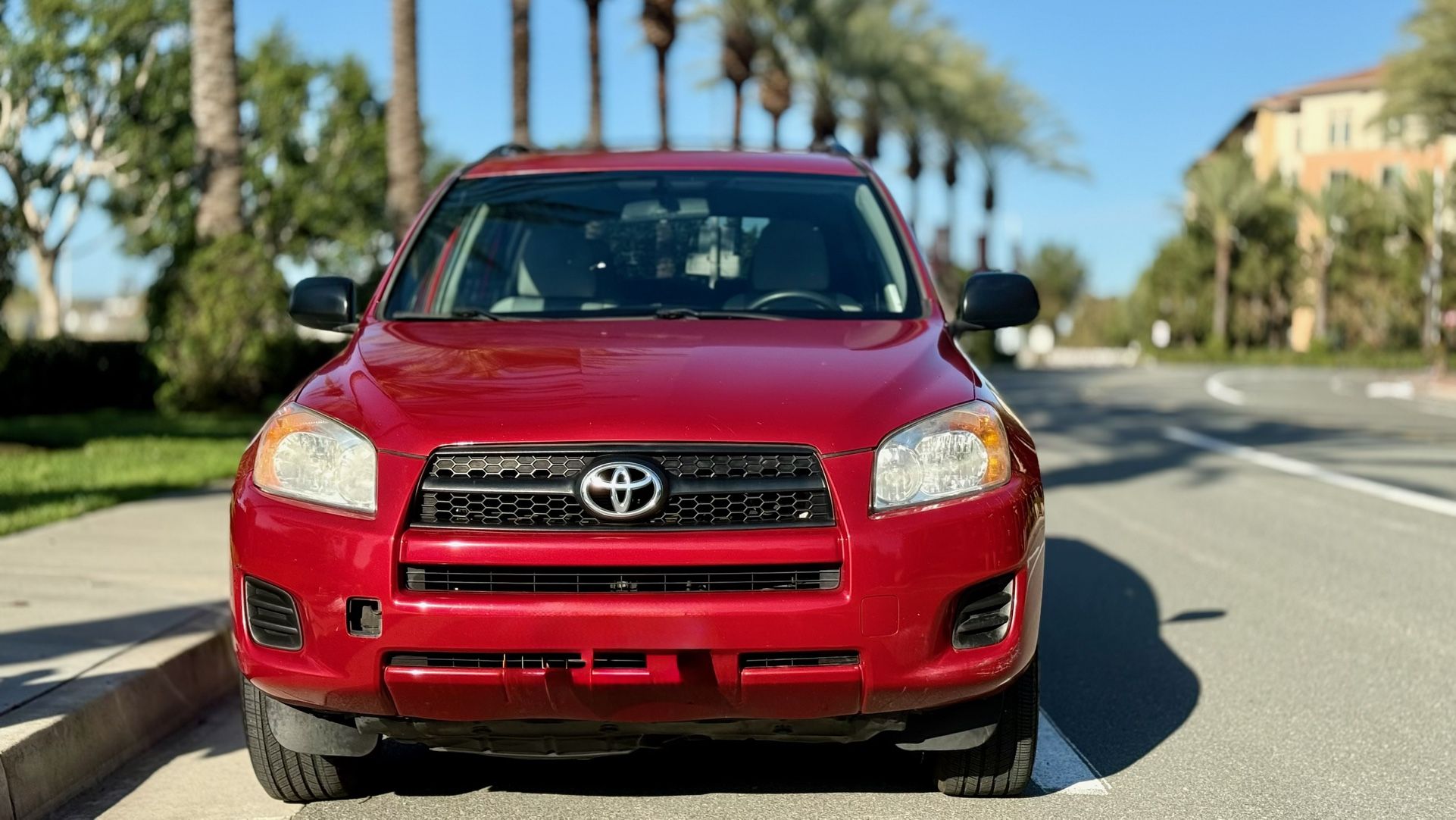
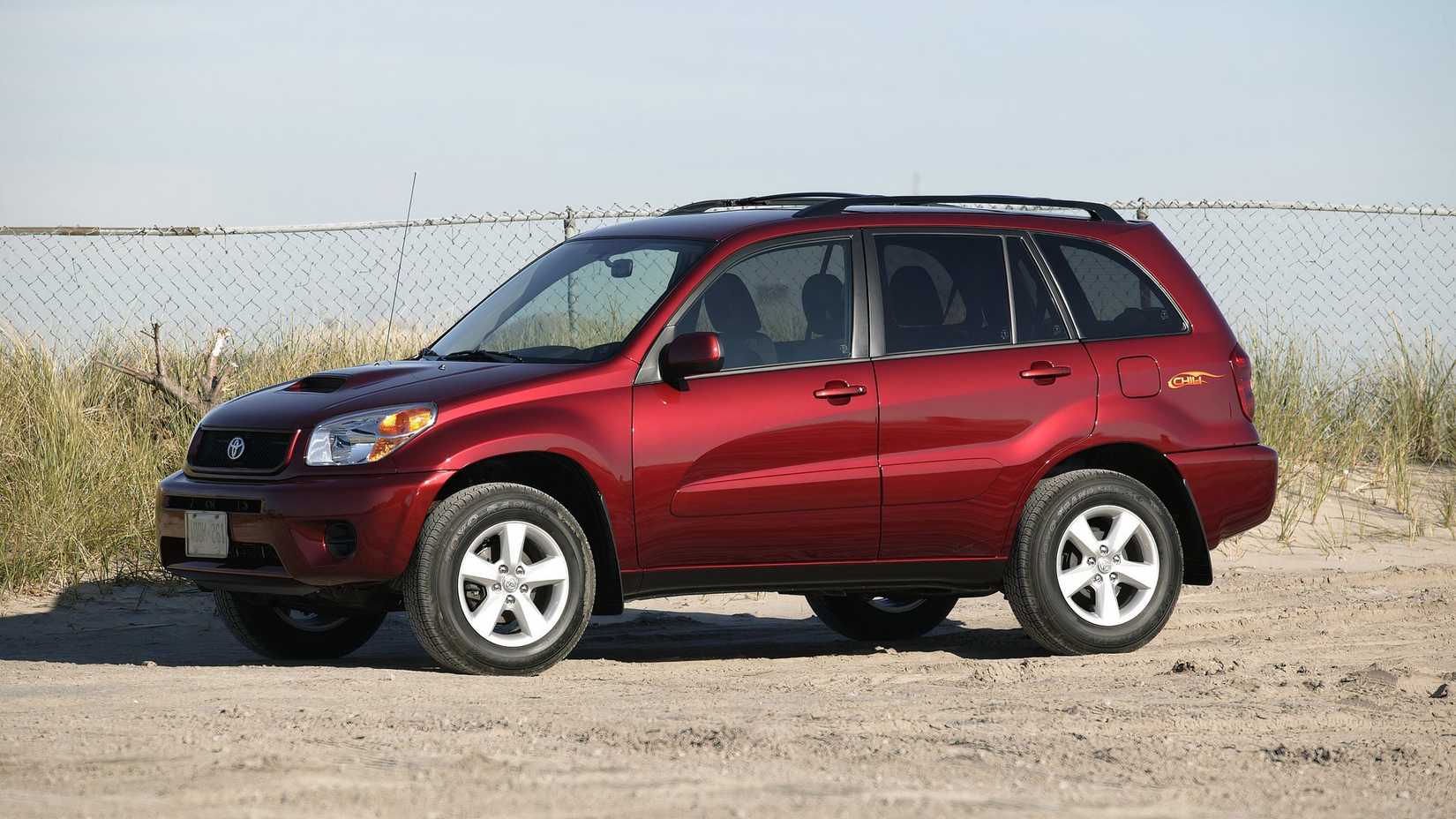
The 2011 Toyota RAV4 is widely considered one of the most reliable used compact SUVs on the market, characterized by its robust powertrain options and high build quality. While it exhibits minor known issues with water pumps and steering components, its 2.5L and 3.5L engines frequently exceed 200,000 miles with standard maintenance.
The Legacy of the Third-Generation (XA30) RAV4
In 2026, the 2011 Toyota RAV4 stands as a testament to Toyota’s engineering philosophy from the late 2000s. As a late-cycle model of the third generation (XA30), the 2011 version benefited from years of refinements. By this time, Toyota had addressed many of the early-generation teething issues, such as the significant oil consumption problems found in the older 2.4L engines.
The 2011 model year is particularly desirable for used car buyers because it strikes a balance between mechanical simplicity and modern safety features. Unlike newer SUVs that rely heavily on turbocharged small-displacement engines and complex continuously variable transmissions (CVTs), the 2011 RAV4 utilizes naturally aspirated engines and traditional torque-converter automatic transmissions. This mechanical "old school" approach is precisely why these vehicles remain on the road fifteen years after their initial production.
Powertrain Reliability: The 2.5L I4 vs. the 3.5L V6
The reliability of a 2011 RAV4 is largely dictated by which of the two available engines is under the hood. Both are highly regarded, but they possess distinct maintenance profiles and potential failure points.
The 2.5L 2AR-FE Four-Cylinder
The 2.5L four-cylinder engine replaced the older, more problematic 2.4L engine in 2009. By 2011, this engine had established itself as a workhorse. It produces 179 horsepower and is paired with a 4-speed automatic transmission.
The 2AR-FE is known for its timing chain (rather than a belt), which significantly reduces long-term maintenance costs. However, owners should be aware of the water pump longevity. It is common for the water pump to develop a slow leak or bearing noise between 80,000 and 120,000 miles. In 2026, most 2011 models will have already had this replaced, but it remains a critical inspection point for any prospective buyer.
The 3.5L 2GR-FE V6
The 2011 RAV4 V6 was, at its time, one of the fastest vehicles in Toyota’s lineup, producing 269 horsepower. This engine uses a 5-speed automatic transmission and is generally considered "bulletproof" in terms of internal mechanicals.
The primary reliability concern for the V6 is the VVT-i (Variable Valve Timing with intelligence) oil gear. In some units, a brief rattling sound may occur upon a cold start. While often just a nuisance, severe cases can lead to timing issues. Additionally, the V6 engine bay is much tighter than the I4, meaning labor costs for standard repairs—like changing spark plugs or the aforementioned water pump—are significantly higher due to the lack of clearance.
Transmission and Drivetrain Durability
The transmissions in the 2011 RAV4 are noted for their longevity, provided the fluid has been serviced. Toyota marketed the transmission fluid as "World Standard" (WS) life-time fluid, but most mechanics in 2026 recommend a drain and fill every 60,000 miles to ensure the clutches remain healthy.
Four-Wheel Drive (4WD) System
The 2011 RAV4 utilizes an Electronic On-Demand 4WD system. Unlike a permanent 4WD system, this uses an electromagnetic coupling attached to the rear differential to engage the rear wheels when slip is detected.
The most common failure point in this system is the rear differential coupling bearing. If you hear a whining or growling noise from the rear of the vehicle that increases with speed, it is likely the bearing failing. If caught early, the bearing can be replaced; if ignored, the entire coupling assembly may require replacement, which can be an expensive repair in the used market.
Common Mechanical Issues and Troubleshooting
Despite its stellar reputation, the 2011 RAV4 is not without its specific quirks. Understanding these can help owners prevent catastrophic failures.
- Steering Column Clunk: Many owners report a "clunking" or "popping" sensation in the steering wheel when turning at low speeds. This is usually caused by the intermediate steering shaft. While it rarely poses a safety risk, the noise can be irritating. Replacing the shaft with the updated Toyota part is the permanent fix.
- Rear Suspension Control Arms: A major recall was issued for 2006–2011 RAV4s regarding the rear tie rods (suspension arms). If the nuts were not tightened properly during an alignment, they could corrode and eventually fail, leading to a loss of vehicle control. Prospective buyers should verify that this recall work was performed by a certified Toyota technician.
- Evaporative Emission (EVAP) System: Like many vehicles of this era, the 2011 RAV4 can trigger a "Check Engine" light due to a failing charcoal canister or a loose gas cap. While this doesn't affect drivability, it will prevent the vehicle from passing emissions testing.
Comparison of 2011 RAV4 Configurations
| Feature | 2.5L I4 (Base/Sport/Limited) | 3.5L V6 (Base/Sport/Limited) |
|---|---|---|
| Horsepower | 179 hp | 269 hp |
| Transmission | 4-Speed Automatic | 5-Speed Automatic |
| Timing Component | Timing Chain | Timing Chain |
| Towing Capacity | 1,500 lbs | 3,500 lbs (with Tow Prep Package) |
| Common Issue | Water pump leaks | VVT-i rattle, Water pump access |
| Real-World MPG | 22–28 MPG | 19–26 MPG |
| Drive Type | FWD or 4WD | FWD or 4WD |
Interior Quality and Electronic Reliability
The interior of the 2011 RAV4 is functional but heavy on hard plastics. From a reliability standpoint, this is actually a benefit, as there are fewer "soft-touch" materials to peel or degrade over time.
The electronics are remarkably simple. In 2026, the absence of a complex integrated infotainment screen is often seen as a plus, as these older units are easy to replace with modern Apple CarPlay or Android Auto head units without interfering with vital vehicle settings. The most common electronic issues are limited to failing door lock actuators or power window switches, both of which are relatively inexpensive and easy to repair for a DIY mechanic.
Maintenance Requirements for Longevity
To keep a 2011 RAV4 running beyond the 200,000-mile mark in 2026, a strict maintenance schedule is required. Because of the vehicle's age, rubber components are now the primary concern.
- Cooling System Refresh: By 15 years of age, the radiator hoses and the plastic radiator end tanks are prone to cracking. A preventative replacement of the radiator and hoses can save the engine from an overheating event.
- Suspension Bushings: The rubber bushings in the front control arms often tear by 150,000 miles, leading to vague steering and uneven tire wear.
- Fluid Exchange: Beyond engine oil, the transfer case (on 4WD models), rear differential, and brake fluid should be changed every 30,000 to 50,000 miles to prevent internal corrosion.
For official technical service bulletins and safety recall information, owners should refer to the NHTSA website or the Toyota Owners portal.
Safety Ratings and Considerations
The 2011 RAV4 was a Top Safety Pick by the Insurance Institute for Highway Safety (IIHS) when it was released. It features standard electronic stability control, traction control, and a comprehensive airbag system. However, it is important to note that by 2026 standards, it lacks modern driver-assistance features like automatic emergency braking or lane-keep assist.
One historical safety concern was the Takata Airbag Recall, which affected millions of Toyotas. Owners must ensure that the driver and passenger side airbag inflators have been replaced. You can check your specific VIN on the Toyota recall lookup tool to confirm compliance.
FAQs About 2011 Toyota RAV4 Reliability
Does the 2011 RAV4 have the oil burning issue?
No, the 2011 RAV4 uses the 2.5L 2AR-FE engine, which resolved the piston ring issues found in the 2.4L 2AZ-FE engines used in 2006–2008 models. While no engine is immune to oil consumption at very high mileages, the 2011 model is considered highly resistant to this specific flaw.
Is the V6 model more reliable than the 4-cylinder?
Both are exceptionally reliable, but they serve different needs. The 4-cylinder is simpler and cheaper to maintain due to better engine bay access. The V6 offers significantly better performance and towing capability but is more complex to service. The V6's 5-speed transmission is also considered slightly more robust than the 4-speed found in the 4-cylinder.
How long will a 2011 RAV4 last?
With proper maintenance, a 2011 RAV4 can easily last 250,000 to 300,000 miles. The main "killers" of these vehicles in 2026 are usually frame rust (in northern climates) or neglect of the cooling system, leading to a blown head gasket.
Does the 2011 RAV4 have a timing belt or chain?
Both the 2.5L I4 and the 3.5L V6 engines in the 2011 RAV4 use timing chains. Unlike timing belts, these chains are designed to last the life of the engine and do not require periodic replacement, provided the engine oil is changed regularly to prevent chain stretch.
What should I look for when buying a used 2011 RAV4?
Check the service records for frequent oil changes and look for pink crusty buildup around the water pump. Test the 4WD system by driving in tight circles to listen for rear differential binding or growling. Finally, check the frame for excessive rust, particularly near the rear suspension mounting points.
Final Recommendation
The 2011 Toyota RAV4 remains a premier choice for those seeking a reliable, low-cost-of-ownership vehicle in 2026. If you prioritize fuel economy and ease of maintenance, the 2.5L Four-Cylinder is the ideal choice. If you require towing capacity or enjoy a more spirited driving experience, the 3.5L V6 is one of the best powerplants Toyota has ever produced. Regardless of the engine choice, prioritize a vehicle with a documented service history and confirmed recall completions to ensure another decade of dependable service.