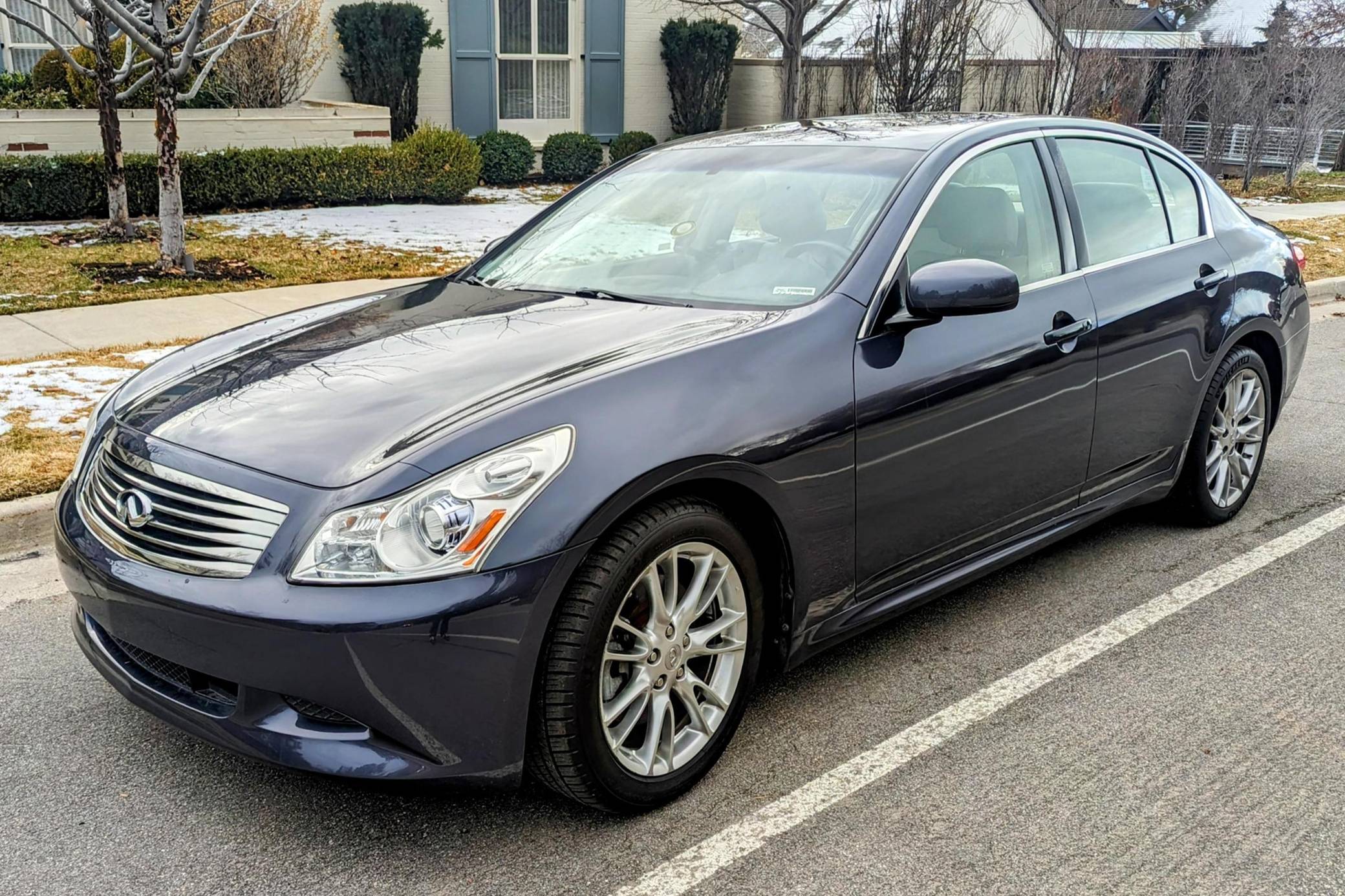
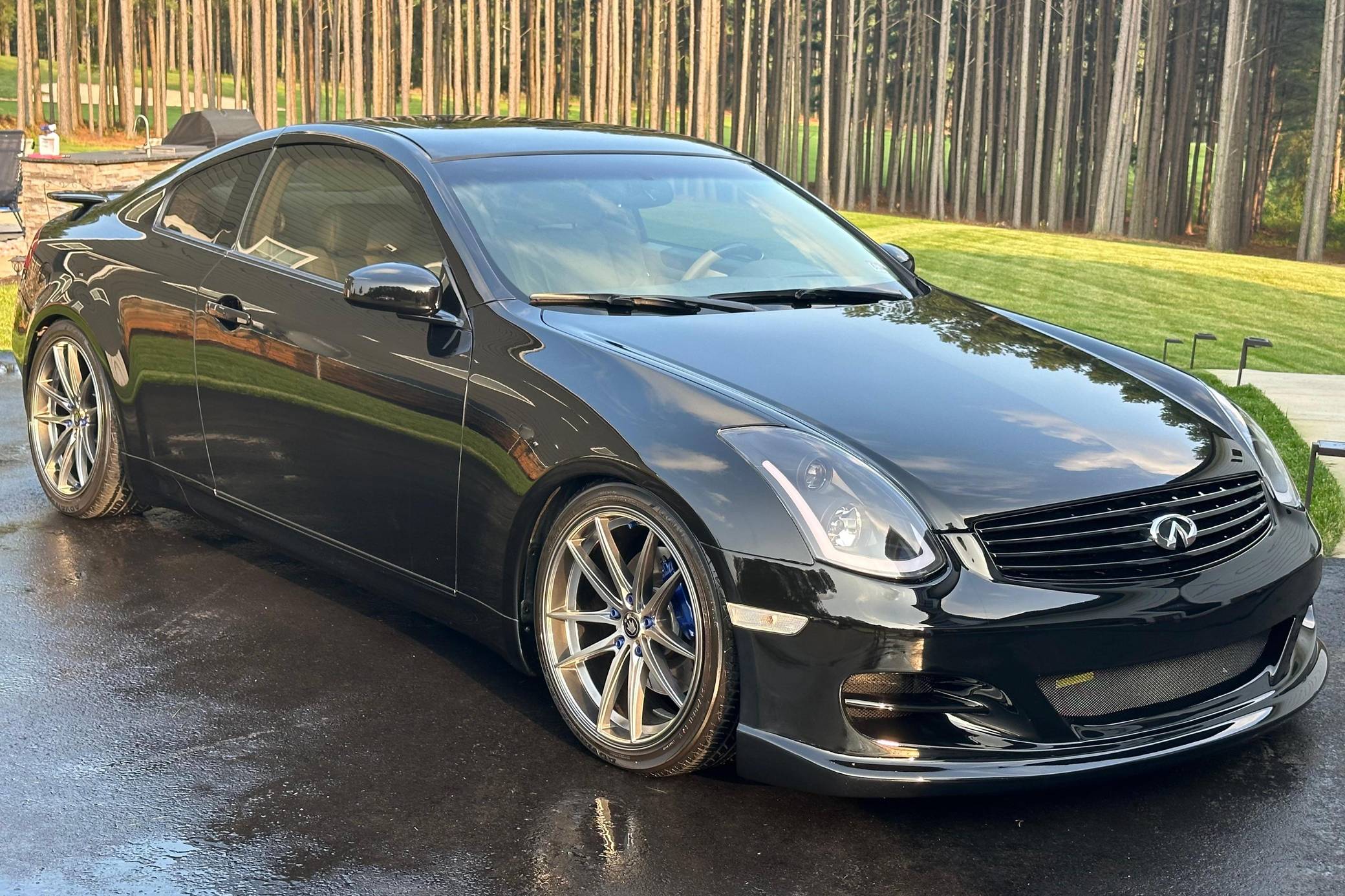
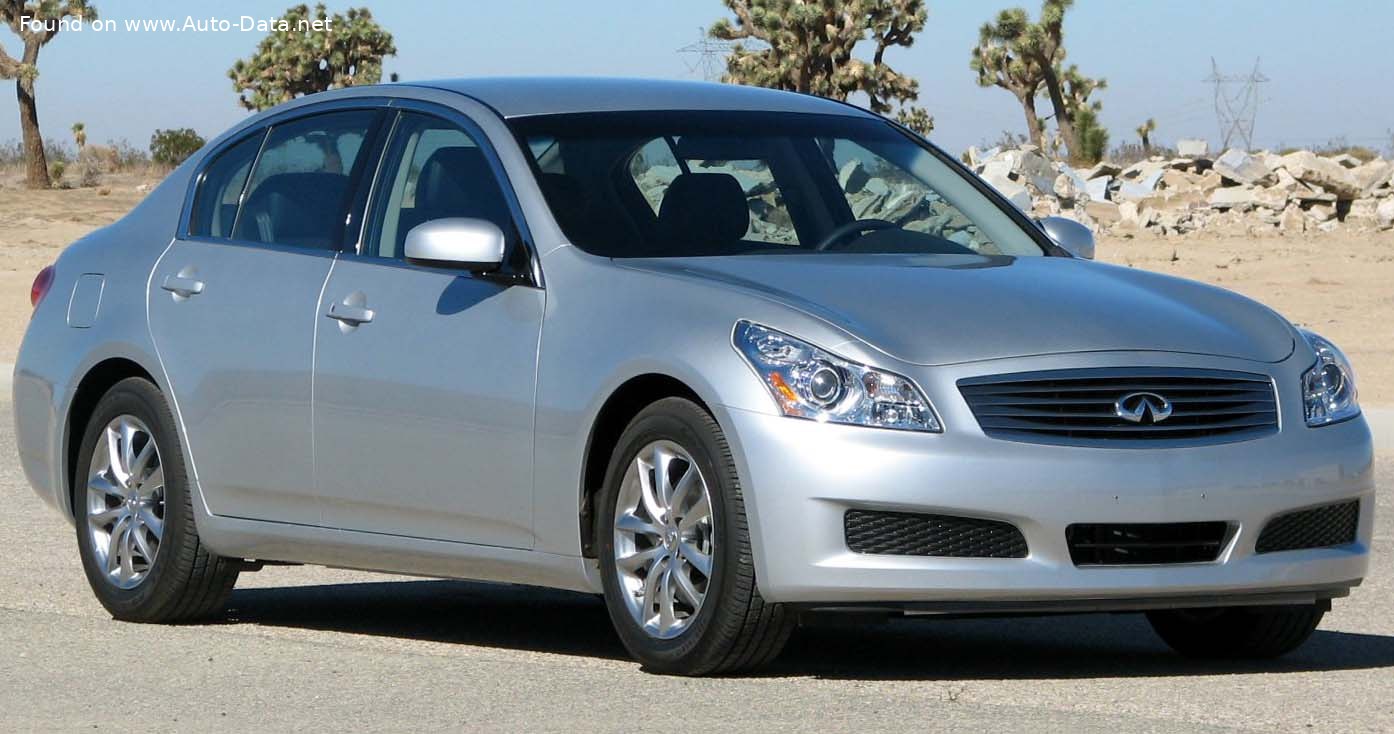
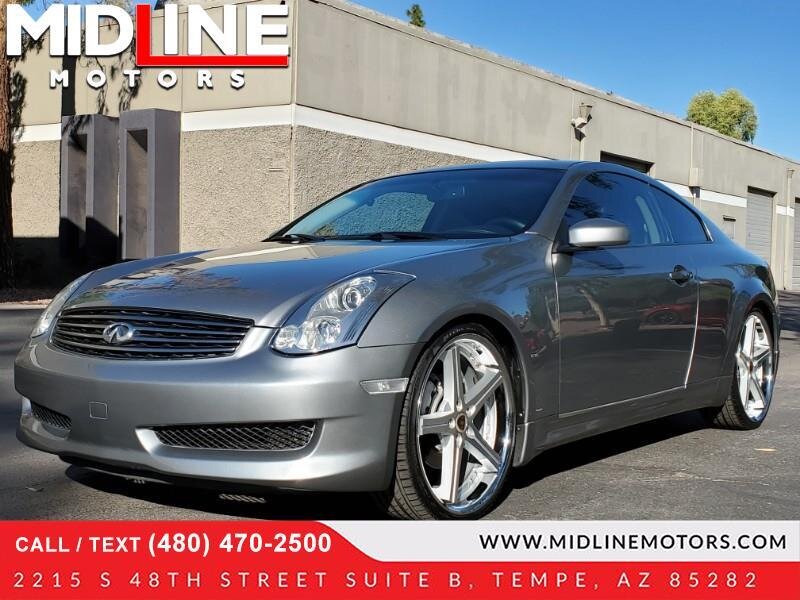
The 2007 Infiniti G35, equipped with the VQ35HR 3.5-liter V6 engine, is officially rated by the EPA at approximately 17–19 mpg in city driving and 24–26 mpg on the highway. Achieving these figures depends heavily on transmission type, drivetrain configuration, driving habits, and the vehicle's ongoing maintenance state as it enters its second decade of operation.
Evolution of the VQ35HR Powertrain
The 2007 model year represented a significant turning point for the Infiniti G-series. It was the introduction of the VQ35HR engine—the "HR" standing for "High Revolution" and "High Response." This engine featured a redesigned intake system, a higher compression ratio, and a dual-throttle body setup compared to the outgoing VQ35DE.
While the primary goal of the 2007 redesign was to improve horsepower—yielding a jump to 306 hp—engineers also refined the combustion process to balance this performance with fuel efficiency. The transmission options were also critical: a 5-speed automatic and a 6-speed manual. The automatic transmission offered a more relaxed cruising gear, which generally aids highway fuel economy, while the manual transmission provided more direct control, often resulting in varying fuel usage depending on how aggressively the driver utilized the high-revving nature of the powerband.
Official EPA Fuel Economy Ratings
To establish a baseline for your 2007 Infiniti G35, it is essential to reference the official Environmental Protection Agency (EPA) estimates. These figures are determined in controlled laboratory settings and are used for comparative purposes rather than guaranteeing real-world results in every environment.
| Configuration | City MPG | Highway MPG | Combined MPG |
|---|---|---|---|
| 5-Speed Automatic (RWD) | 17 | 24 | 20 |
| 6-Speed Manual (RWD) | 17 | 25 | 20 |
| 5-Speed Automatic (AWD) | 17 | 23 | 19 |
It is important to note that the All-Wheel Drive (AWD) variants, designated as the G35x, carry a slightly higher weight penalty due to the transfer case and front-axle components, which leads to a marginal decrease in highway efficiency compared to the Rear-Wheel Drive (RWD) models.
Factors Influencing Real-World Fuel Economy
While the EPA figures provide a standardized benchmark, your actual mileage may fluctuate significantly based on several variables. Because the 2007 G35 is now a mature vehicle, these factors are often more influential than the factory engineering itself.
Maintenance and Mechanical Health
As the vehicle reaches higher mileage intervals, the condition of critical fuel-delivery and ignition components dictates efficiency. A neglected engine often struggles to maintain the stoichiometric air-fuel ratio—the ideal mix of air and fuel for complete combustion.
- Mass Air Flow (MAF) Sensors: If the MAF sensor is dirty or failing, it will send incorrect data to the Engine Control Unit (ECU), potentially leading to a "rich" mixture that wastes fuel.
- Spark Plugs: The G35 uses iridium-tipped spark plugs designed for longevity, but they must be replaced per the service interval. Worn plugs result in incomplete combustion and misfires, which directly reduce energy extraction from every gallon of gas.
- Tire Pressure and Alignment: Rolling resistance is a significant factor in fuel economy. Improper tire pressure or a wheel alignment that is "toed-in" or "toed-out" increases drag, forcing the engine to work harder to maintain speed.
Driving Environment and Technique
The VQ35HR engine is designed to operate efficiently under load, but it is not inherently an economy engine. Its design encourages spirited driving. Rapid acceleration, high-RPM shifts, and frequent heavy braking in traffic will quickly drop the average miles per gallon well below the 17 mpg city estimate. To maximize efficiency, drivers should utilize the automatic transmission’s taller gears at cruising speeds and avoid excessive idling, which consumes fuel while providing zero miles of travel.
Fuel Quality and Octane Requirements
The 2007 Infiniti G35 requires premium unleaded gasoline, typically 91 octane or higher. This is not a suggestion for performance alone; it is a requirement for the engine's management system. The compression ratio of the HR engine is calibrated for high-octane fuel to prevent "knocking" or "pinging" (pre-ignition). If you use lower-octane fuel, the ECU will detect the knock and automatically retard the ignition timing. While this prevents engine damage, it also degrades fuel efficiency and reduces the total power output. Over time, trying to save money at the pump by using lower-octane fuel often results in lower MPG, effectively negating any savings.
Troubleshooting Persistent Low MPG
If you find that your 2007 G35 is consistently achieving significantly lower fuel economy than the EPA estimates—such as averaging 12–14 mpg despite standard driving—the vehicle may have an underlying mechanical issue.
- Check for Diagnostic Trouble Codes (DTCs): Even if the "Check Engine" light is not illuminated, the ECU may have stored "pending codes." Use an OBD-II scanner to verify if the oxygen sensors or catalytic converters are functioning correctly.
- Examine the Air Intake Path: A clogged air filter restricts airflow, forcing the engine to expend more energy to intake air. Similarly, check the integrity of the rubber intake boots for cracks that could create a "vacuum leak," introducing unmetered air into the combustion chamber.
- Inspect the Fuel System: A failing fuel pressure regulator or leaking fuel injectors will cause the vehicle to consume significantly more fuel than necessary. If you smell raw gasoline, address this immediately, as it is both a fuel efficiency problem and a significant fire hazard.
Practical Comparisons and Expectations
Comparing the 2007 G35 to modern vehicles often highlights the progress in transmission technology. Many modern luxury sedans utilize 8- or 10-speed transmissions, which allow for lower engine RPMs at highway speeds compared to the 5-speed automatic found in the 2007 G35.
While the G35 is not a high-efficiency vehicle by 2026 standards, it offers a specific performance profile. Owners prioritize the linear power delivery of the naturally aspirated V6 over the higher-efficiency turbocharged four-cylinder engines common today. When assessing your vehicle’s economy, balance the cost of fuel against the driving experience that the G35 continues to provide.
Frequently Asked Questions
Does the 2007 Infiniti G35 require premium gas? Yes, premium gasoline with an octane rating of 91 or higher is required. The engine’s compression ratio is specifically designed for high-octane fuel to ensure proper combustion. Using lower-octane fuel will trigger the engine's knock sensor, which retards timing and results in reduced power and decreased fuel efficiency.
Will changing to synthetic oil improve my gas mileage? Using high-quality synthetic oil reduces internal engine friction compared to conventional oils. While the improvement in MPG is often minimal (usually less than 1%), synthetic oil provides better protection against thermal breakdown, which helps maintain the engine's overall health and efficiency over the long term.
Why does my G35 consume more fuel in the winter? Cold weather impacts fuel economy for three main reasons: the engine takes longer to reach optimal operating temperature, winter-blend gasoline has slightly lower energy content, and increased use of the heater and rear defroster places a higher electrical load on the alternator, which is powered by the engine.
What is the best way to monitor my actual fuel mileage? The most accurate method is the manual calculation approach. Fill your gas tank until the pump clicks off. Record the odometer reading or reset your trip computer. At your next fill-up, divide the miles driven by the gallons required to fill the tank again. This provides a precise "miles per gallon" figure for that specific tank of fuel.
Are there modifications that can increase my MPG? Most aftermarket modifications, such as "cold air intakes" or "performance exhausts," are designed for power, not efficiency. They often alter the air-fuel ratio or increase noise without providing any tangible benefit to fuel economy. Maintaining the vehicle to its original factory specifications—clean air filters, proper tire pressure, and clean fuel injectors—is the most reliable way to maintain original factory-rated fuel efficiency.
Final Recommendation
To ensure your 2007 Infiniti G35 performs as efficiently as possible, prioritize the "three pillars of maintenance": ignition, airflow, and rolling resistance. Regularly inspect your spark plugs, replace your air filters at every service interval, and ensure your tires are properly inflated to the manufacturer’s recommended pressure (found on the door jamb sticker). By maintaining the engine in its factory-intended state, you will ensure that you are achieving the best possible fuel mileage for the vehicle's design and age. If you suspect an issue, perform a scan for OBD-II error codes first, as this is the most cost-effective way to identify if a specific sensor is hampering your fuel efficiency.