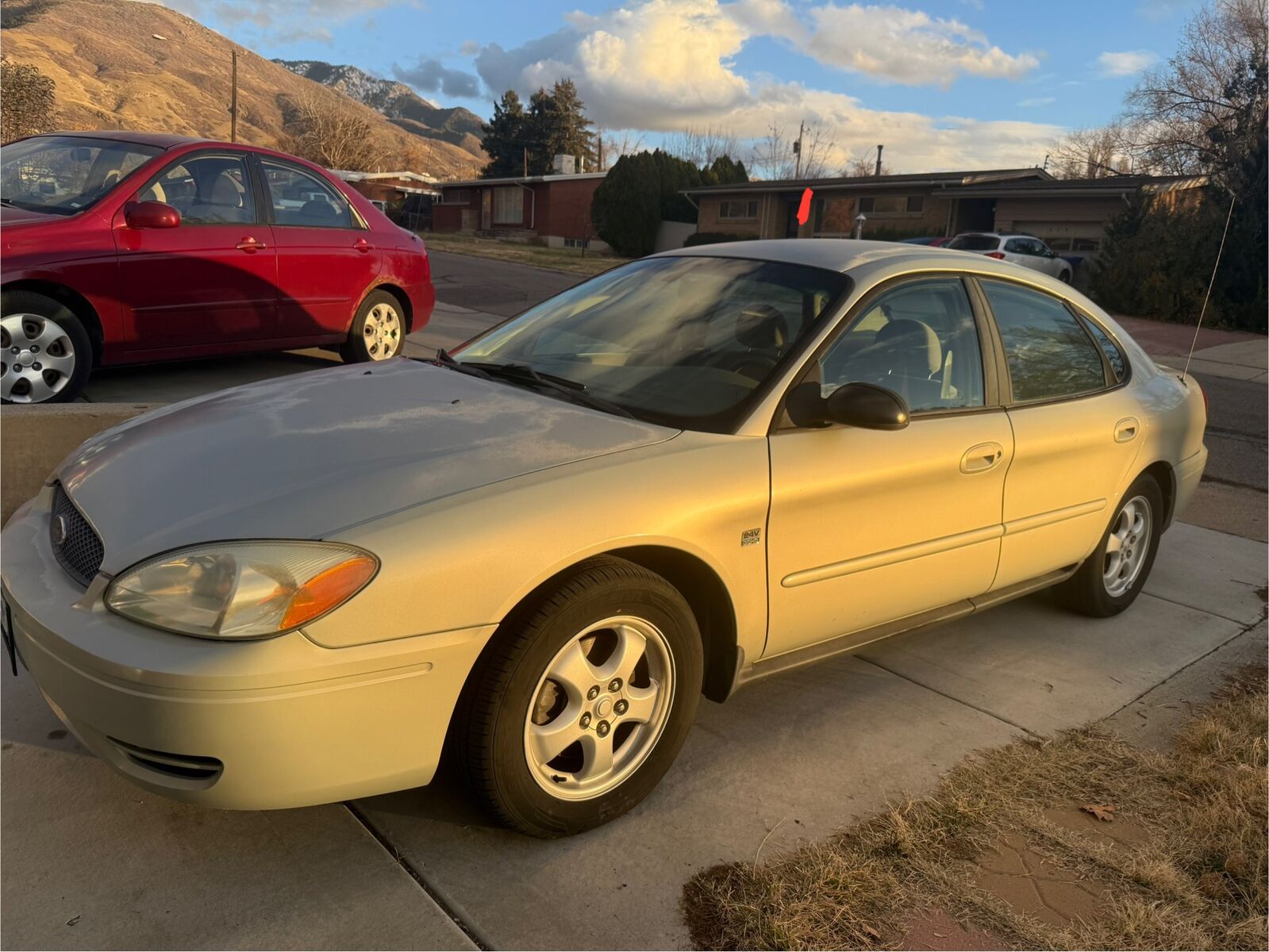
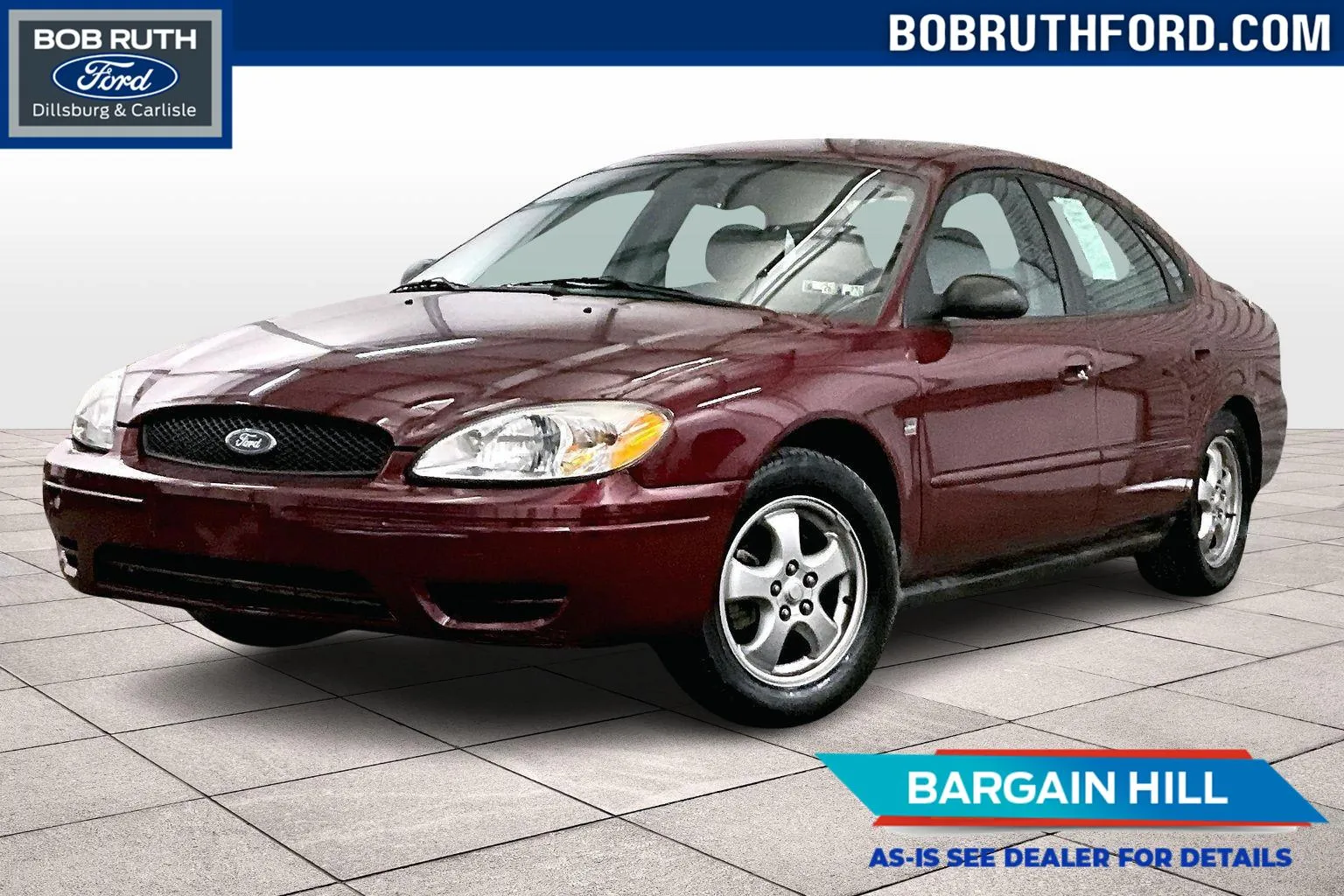
The 2004 Ford Taurus SES occupies a pivotal middle tier in Ford’s lineup for that model year, bridging the gap between the base LX and the more upscale SEL trim. Powered by a dependable 3.0-liter Vulcan V6 engine paired with a four-speed automatic transmission, the SES offers a balanced blend of everyday practicality, comfort-oriented features, and accessible midsize sedan or wagon utility. Understanding its mechanical design, interior specifications, safety features, and historical context helps automotive enthusiasts and prospective used-car buyers evaluate its enduring utility on the secondary market.
Historical Context and Positioning in the 2004 Lineup
Entering the mid-2000s, the Ford Taurus was a ubiquitous fixture on American roadways. Having undergone a major redesign in 2000 that smoothed out the controversial ovoid styling of the third generation, the fourth-generation Taurus (2000–2007) focused on refinement, interior packaging, and fleet practicality. By 2004, Ford had streamlined the Taurus lineup, shifting significant production focus toward fleet and rental markets while retaining retail appeal through value-packed trim levels like the SES.
The SES trim level was designed for buyers who wanted a step up from the bare-bones LX without paying the premium commanded by the leather-laden SEL or the high-performance SHO variants of previous years. It introduced desirable aesthetic touches such as alloy wheels, a rear spoiler on sedan models, and body-colored exterior mirrors, alongside incremental interior upgrades. Positioned directly against midsize competitors like the Toyota Camry, Honda Accord, and Chevrolet Malibu, the 2004 Taurus relied heavily on its spacious cabin, plush ride quality, and aggressive pricing rather than cutting-edge handling dynamics.
Powertrain and Mechanical Specifications
At the heart of the 2004 Ford Taurus SES lies Ford's stalwart 3.0-liter Vulcan V6 engine. Known for its pushrod design and iron-block construction, the Vulcan V6 was engineered primarily for longevity, low-end torque, and ease of maintenance rather than high-revving horsepower.
| Specification Category | 2004 Ford Taurus SES Detail |
|---|---|
| Engine Type | 3.0L OHV V6 (Vulcan) |
| Horsepower | 155 hp @ 5,250 RPM |
| Torque | 185 lb-ft @ 3,950 RPM |
| Transmission | 4-speed automatic (AX4N / 4F50N) |
| Drivetrain | Front-Wheel Drive (FWD) |
| Front Suspension | Independent MacPherson struts |
| Rear Suspension | Independent multi-link control arms |
| Steering Type | Power-assisted rack-and-pinion |
| Braking System | Power front disc / rear drum (ABS opt.) |
While the higher-tier SEL occasionally featured the overhead-cam 3.0-liter Duratec V6 engine, the SES predominantly utilized the Vulcan powerplant. Delivering 155 horsepower at 5,250 RPM and 185 lb-ft of torque at 3,950 RPM, the Vulcan engine provides adequate acceleration for daily commuting and highway merging. It is mated exclusively to a four-speed automatic transaxle, which channels power to the front wheels.
The chassis features a fully independent suspension system utilizing MacPherson struts up front and a multi-link setup in the rear. This architecture absorbs road imperfections effectively, yielding the soft, compliant ride quality that characterized American family sedans of the era. Steering is handled by a power-assisted rack-and-pinion system that prioritizes light effort over sharp feedback. Stopping duties are managed by power-assisted front disc brakes and rear drums, with anti-lock brakes (ABS) available as an optional extra.
Exterior Design and Dimensions
The exterior styling of the 2004 Ford Taurus SES reflects an evolutionary refinement of the fourth-generation design language. It eschews the polarizing, oval-heavy aesthetic of the 1990s in favor of cleaner, more conservative lines, trapezoidal headlights, and a straightforward grille accented with chrome highlights.
Available in both four-door sedan and five-door station wagon body styles, the SES trim added distinct visual indicators to separate it from the entry-level LX. These included standard 16-inch alloy wheels, body-colored side moldings, a subtle trunk-lid spoiler for the sedan, and SES badging on the front fenders.
Dimensionally, the sedan version spans a total length of approximately 198.4 inches, riding on a 108.5-inch wheelbase. It stands 56.1 inches high and measures 74.2 inches in width. The wagon variant stretches slightly longer to accommodate expanded cargo space while sharing the same wheelbase and width metrics. This footprint provides a stable, planted stance on the highway and ensures predictable handling characteristics during crosswinds or inclement weather.
Interior Comfort, Ergonomics, and Cargo Capacity
Inside the cabin, the 2004 Ford Taurus SES prioritizes passenger comfort and utilitarian layout. The standard seating arrangement typically features front bucket seats with a center console or a 60/40 split bench setup with a folding armrest, depending on original factory configuration. Premium cloth upholstery was standard on the SES, offering better durability and tactile comfort than the base vinyl or lower-grade cloth found in rental-spec LX models.
Dashboard ergonomics are straightforward, placing climate and audio controls within easy reach of the driver. Large, legible analog gauges monitor vehicle speed, fuel level, coolant temperature, and engine RPM. Power windows, power door locks, air conditioning, and a tilting steering column were standard equipment for the SES trim.
Passenger volume is generous, offering ample head, leg, and shoulder room for up to five adult occupants. The sedan provides a spacious 17.0 cubic feet of trunk space, capable of swallowing multiple golf bags or suitcases. For buyers requiring maximum utility, the Taurus wagon variant expands cargo capacity significantly, offering up to 81.3 cubic feet of volume with the rear seats folded flat. This made the SES wagon a popular alternative to early crossover SUVs before the crossover market fully matured.
Safety Ratings and Equipment
Safety standards in the mid-2000s focused heavily on structural crashworthiness and occupant restraint systems. The 2004 Ford Taurus SES performed commendably in government and insurance industry crash tests during its production run.
In testing conducted by the National Highway Traffic Safety Administration (NHTSA), the fourth-generation Taurus earned five-star ratings for driver and front-passenger protection in frontal impact evaluations. Side-impact testing yielded solid four-star ratings for front and rear occupants. The Insurance Institute for Highway Safety (IIHS) awarded the Taurus a "Good" rating in moderate overlap frontal crash evaluations, reflecting robust energy-management crumple zones engineered into the front frame rails.
Standard safety equipment for the SES included dual front multi-stage airbags, three-point safety belts for all seating positions, and emergency internal trunk releases. Front seat-mounted side airbags and anti-lock braking systems (ABS) were available as optional safety packages. Traction control was also offered on select models, enhancing stability on slippery road surfaces.
Fuel Economy and Operating Costs
Fuel efficiency was a critical consideration for midsize sedan buyers in 2004. Equipped with the 3.0L Vulcan V6 and the four-speed automatic transmission, the front-wheel-drive Taurus SES achieves EPA fuel economy ratings of approximately 20 miles per gallon (mpg) in city driving and 27 mpg on the highway, translating to a combined average of around 23 mpg.
From a maintenance perspective, the 2004 Taurus SES benefits from exceptional parts availability and mechanical simplicity. Because millions of fourth-generation Tauruses were produced, replacement components—both Original Equipment Manufacturer (OEM) and aftermarket—are widely available at affordable price points. Routine service items, such as spark plugs, oil filters, and serpentine belts, are easily accessible within the engine bay, reducing labor times for DIY mechanics and professional technicians alike.
Common Mechanical Considerations
While the 2004 Ford Taurus SES is generally regarded as a durable and robust vehicle, certain mechanical tendencies warrant attention, particularly when evaluating used examples:
- Transmission Durability: The AX4N/4F50N four-speed automatic transmission is relatively sturdy, but neglect or missed fluid changes can lead to harsh shifting, slipping, or premature internal wear. Regular maintenance with certified MERCON fluid is essential.
- Cooling System Integrity: The intake manifold crossover and thermostat housing areas are prone to coolant leaks as plastic components age and degrade under thermal cycling. Periodic inspection of hoses and coolant levels prevents overheating.
- Suspension Component Wear: Due to the weight of the vehicle and age-related degradation, front control arm bushings, sway bar links, and struts frequently require replacement to restore tight steering response and ride comfort.
- Camshaft Synchronizer Noise: The Vulcan V6 utilizes a camshaft synchronizer to drive the oil pump and camshaft sensor. A failing synchronizer often produces an audible chirping or squealing noise, requiring prompt replacement to avoid oil pump failure.
Frequently Asked Questions
What is the difference between the 2004 Ford Taurus LX, SES, and SEL?
The LX serves as the base model, focused on fleet and budget-conscious buyers with fewer standard amenities. The SES is the mid-tier sporty/value trim, adding alloy wheels, a rear spoiler, upgraded cloth interior, and enhanced exterior styling cues. The SEL sits at the top of the lineup, frequently featuring leather seating surfaces, automatic climate control, and the higher-output Duratec V6 engine.
Does the 2004 Ford Taurus SES have a timing belt or a timing chain?
The 3.0-liter Vulcan V6 engine utilized in the 2004 Ford Taurus SES uses a timing chain rather than a rubber timing belt. This chain is designed to last the lifetime of the engine under normal operating conditions and proper oil maintenance schedules, eliminating the need for periodic timing belt replacement intervals.
How much cargo space does the 2004 Ford Taurus SES sedan offer?
The sedan variant provides 17.0 cubic feet of enclosed trunk space. If you require significantly more storage, the Taurus SES wagon model expands cargo capacity to 38.8 cubic feet with the rear seats up and up to 81.3 cubic feet with the rear bench folded down.
Is the 2004 Ford Taurus SES safe for daily driving today?
While the 2004 Taurus earned strong safety ratings for its era—including five-star NHTSA frontal impact scores—it lacks modern electronic driver-assistance technologies such as electronic stability control (standardized later), lane-keep assist, and automatic emergency braking. However, its solid steel structure, dual front airbags, and available ABS still provide respectable baseline protection for routine commuting.
What kind of fuel does the 2004 Ford Taurus SES require?
The 2004 Ford Taurus SES is engineered to run on standard regular unleaded gasoline with an octane rating of 87. Using premium fuel provides no performance or efficiency benefits for this engine architecture.
Conclusion and Next Actions
The 2004 Ford Taurus SES represents a practical, comfortable, and mechanically straightforward option for drivers seeking dependable midsize transportation. Its combination of a simple V6 engine, spacious cabin, and sturdy build quality makes it an enduring presence on the used vehicle market. Prospective buyers or current owners should prioritize inspecting transmission shift quality, cooling system integrity, and suspension component wear. For those seeking affordable, reliable daily transit or versatile wagon utility, verifying these baseline mechanical systems ensures continued, trouble-free operation.