The 2002 Ford Explorer XLS occupies a unique transitional space in automotive history, bridging the gap between traditional body-on-frame truck-based SUVs and modern unibody crossovers while representing a specific trim level of a beloved American platform. Although often colloquially associated with the broader heritage of utility vehicles that share DNA with Ford's light truck architectures, the 2002 model year marked a complete redesign of the Explorer line, introducing independent rear suspension and refined utility trims like the XLS that reshaped how families and workers utilized mid-size SUVs.
To understand the 2002 Ford Explorer XLS, one must look closely at its engineering, its position within the third-generation Explorer overhaul, and its relationship to the broader evolution of rugged, utility-focused American vehicles. This analysis explores the technical architecture, trim-level positioning, performance metrics, and enduring legacy of this classic SUV platform.
The Third-Generation Revolution: Redefining the Explorer Platform
For the 2002 model year, Ford completely overhauled the Explorer platform, moving away from the aging architecture that had dominated the 1990s SUV boom. While the first and second generations shared a heavy familial resemblance to Ford's Ranger compact pickup truck—sharing chassis components, suspension design, and interior ergonomics—the 2002 redesign marked a significant departure.
The most monumental engineering change for 2002 was the abandonment of the live rear axle in favor of an Independent Rear Suspension (IRS) system. This shift was engineered to drastically improve ride comfort, reduce road harshness, and enhance handling stability, moving the Explorer away from its truck-like driving dynamics toward a more refined, passenger-friendly experience. However, because the Explorer still utilized a robust, fully boxed frame welded with hydroformed steel sections, it retained considerable towing capacity and structural rigidity.
| Feature / Metric | 2001 Ford Explorer (2nd Gen) | 2002 Ford Explorer XLS (3rd Gen) |
|---|---|---|
| Rear Suspension | Live axle with leaf springs | Independent Rear Suspension (IRS) |
| Frame Architecture | Modified truck-based channel frame | Fully boxed hydroformed frame |
| Seating Capacity | Standard 5, optional 7 | Standard 5, available optional 3rd row |
| Base Engine | 4.0L OHV V6 | 4.0L SOHC V6 |
| Transmission | 4-speed automatic / 5-speed manual | 5-speed automatic / 5-speed manual |
Dissecting the XLS Trim: Features and Positioning
Within the 2002 Explorer lineup—which ranged from the utilitarian XLS to the luxury-oriented Eddie Bauer and Limited trims—the XLS served as the entry-level gateway. Designed for budget-conscious buyers, fleet operators, and drivers who prioritized unpretentious utility over chrome accents and leather upholstery, the XLS stripped away non-essential luxury items to deliver core capability at a competitive price point.
Exterior Styling and Practicality
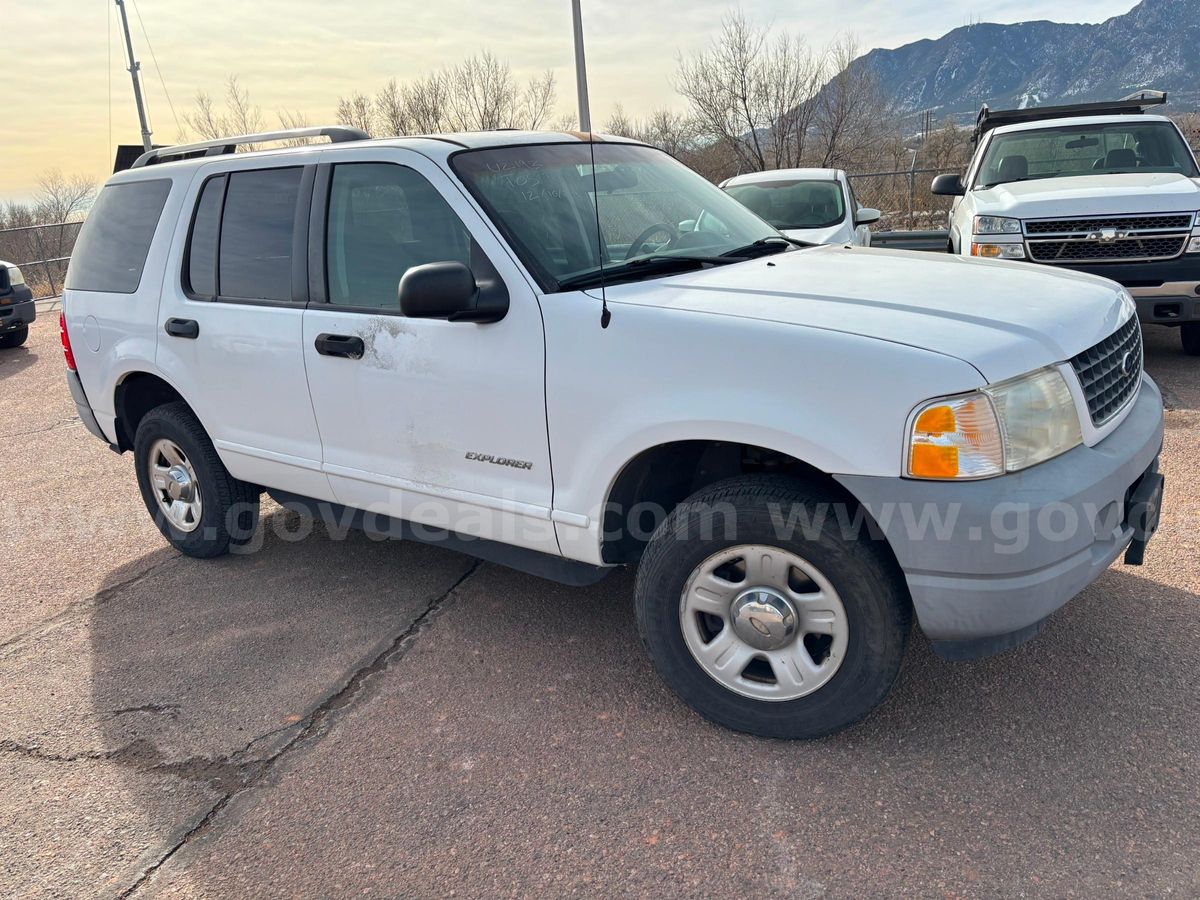
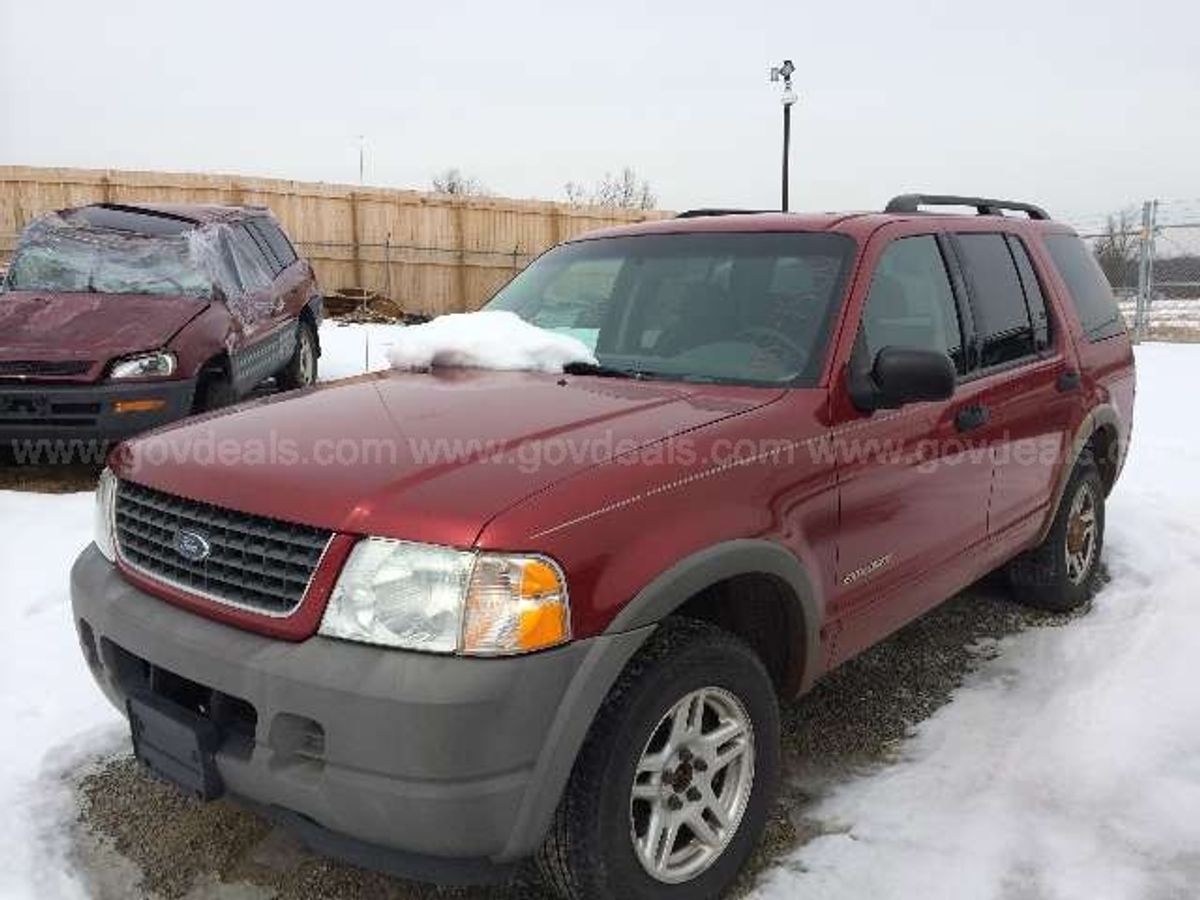
The exterior of the 2002 Explorer XLS was characterized by molded-in-color black plastic bumpers, matching black door handles, and lower body cladding that gave it a rugged, ready-for-work appearance. Unlike higher trims that featured body-colored fascias and shiny chrome grilles, the XLS embraced a utilitarian aesthetic. It typically rolled on steel wheels with hubcaps, though alloy wheels were available as part of option packages. Roof rails came standard, reinforcing its capability to transport cargo, kayaks, or lumber racks on the roof.
Interior Ergonomics and Amenities
Inside, the XLS focused on durability and function. Cloth bucket seats were standard, paired with easy-to-clean vinyl or heavy-duty carpet flooring depending on the specific fleet or retail configuration. Power windows, power door locks, and air conditioning were included as standard equipment—reflecting the evolving baseline expectations of automotive consumers at the turn of the millennium. The dashboard featured clear, analog instrumentation, rotary climate controls, and an AM/FM stereo system, leaving out complex digital infotainment screens that would dominate later decades.
Powertrain and Mechanical Specifications
Performance in the 2002 Explorer XLS was anchored by reliable, truck-derived powerplants designed to handle both daily commuting and moderate towing duties.
- 4.0-Liter SOHC V6 Engine: The standard powerplant for the XLS was the 4.0-liter Single Overhead Cam (SOHC) V6 engine, producing 210 horsepower at 5,100 RPM and 254 lb-ft of torque at 3,700 RPM. This engine utilized a complex timing chain setup (with chains at both the front and the rear of the block) designed to optimize breathing and power delivery.
- Transmission Options: Buyers could pair the V6 with either a 5-speed manual transmission (rarely ordered but available on base XLS models) or the ubiquitous 5-speed 5R55E automatic transmission.
- Drivetrain Configurations: The XLS was available in both Rear-Wheel Drive (RWD) and Control Trac Four-Wheel Drive (4WD). The Control Trac system featured an electronic rotary switch on the dash, allowing drivers to select between 2WD, 4WD Auto (which engaged the front wheels automatically via a multi-plate clutch when slip was detected), and 4WD High for severe weather or off-road traction.
Towing, Payload, and Utility Realities
While the shift to an independent rear suspension softened the ride, the 2002 Explorer XLS remained fundamentally tied to its working-vehicle heritage. Properly equipped, a V6-powered XLS model could tow up to 5,300 pounds when configured with the appropriate axle ratio and a Class III receiver hitch.
Payload capacity was generous for a mid-size SUV of its era, easily accommodating up to 1,200 to 1,400 pounds of passengers and cargo combined. The cargo area featured fold-flat second-row seats that created a flat loading floor, making it a favorite for tradespeople, outdoor enthusiasts, and families who required flexible cargo hauling capabilities without stepping up to a full-size Suburban or Expedition.
Common Mechanical Considerations and Maintenance
As vehicles from the early 2000s age into classic or enthusiast territory, specific mechanical characteristics of the 2002 Explorer XLS require close attention from owners and restorers:
- Timing Chain Guides: The 4.0L SOHC V6 engine is well-documented for potential wear in its plastic timing chain cassettes and guides. Early symptoms include a rattling noise upon startup. Addressing this requires specialized labor due to the engine-out or transmission-out requirements for accessing the rear cassette.
- Transmission Durability: The 5R55E 5-speed automatic transmission requires regular fluid and filter changes. Neglecting maintenance can lead to solenoid pack failures or band wear, manifesting as harsh shifts or slipping between gears.
- Suspension Bushings: With the introduction of the independent rear suspension in 2002, numerous rubber bushings, control arms, and ball joints are present underneath the vehicle. Over decades of service, these components dry rot and wear, leading to loose handling or tire cupping if not replaced.
Frequently Asked Questions
What engine came standard in the 2002 Ford Explorer XLS?
The standard engine was a 4.0-liter Single Overhead Cam (SOHC) V6 producing 210 horsepower and 254 lb-ft of torque. It was paired with either a 5-speed manual or a 5-speed automatic transmission.
Did the 2002 Ford Explorer XLS have four-wheel drive?
Yes, the XLS was available in both rear-wheel drive (RWD) and an electronic Control Trac four-wheel drive (4WD) configuration featuring 2WD, 4WD Auto, and 4WD High modes controlled via a dash-mounted switch.
How does the 2002 suspension differ from earlier models?
The 2002 model year introduced an Independent Rear Suspension (IRS) system, replacing the older live axle and leaf spring setup found in 1991–2001 models, significantly improving ride comfort and cornering stability.
What is the towing capacity of a 2002 Explorer XLS?
When properly equipped with the V6 engine and a towing package, the 2002 Explorer XLS can tow up to 5,300 pounds, making it capable of hauling small utility trailers, boats, or campers.
Is the 2002 Ford Explorer XLS considered a classic truck or SUV?
While traditionally classified as a mid-size SUV, the Explorer's deep lineage tied to truck frames and its role in popularizing the modern family utility vehicle have earned vintage and classic status among 1990s and 2000s automotive enthusiasts.
Strategic Next Actions for Owners and Collectors
For automotive enthusiasts looking to acquire, restore, or maintain a 2002 Ford Explorer XLS, prioritizing a pre-purchase inspection focusing on the frame condition, transmission shift quality, and engine timing chain noise is essential. Sourcing original factory service manuals and utilizing OEM or high-quality aftermarket replacement suspension components will ensure that this transitional American SUV continues to deliver reliable service and preserves its unique place in automotive history.