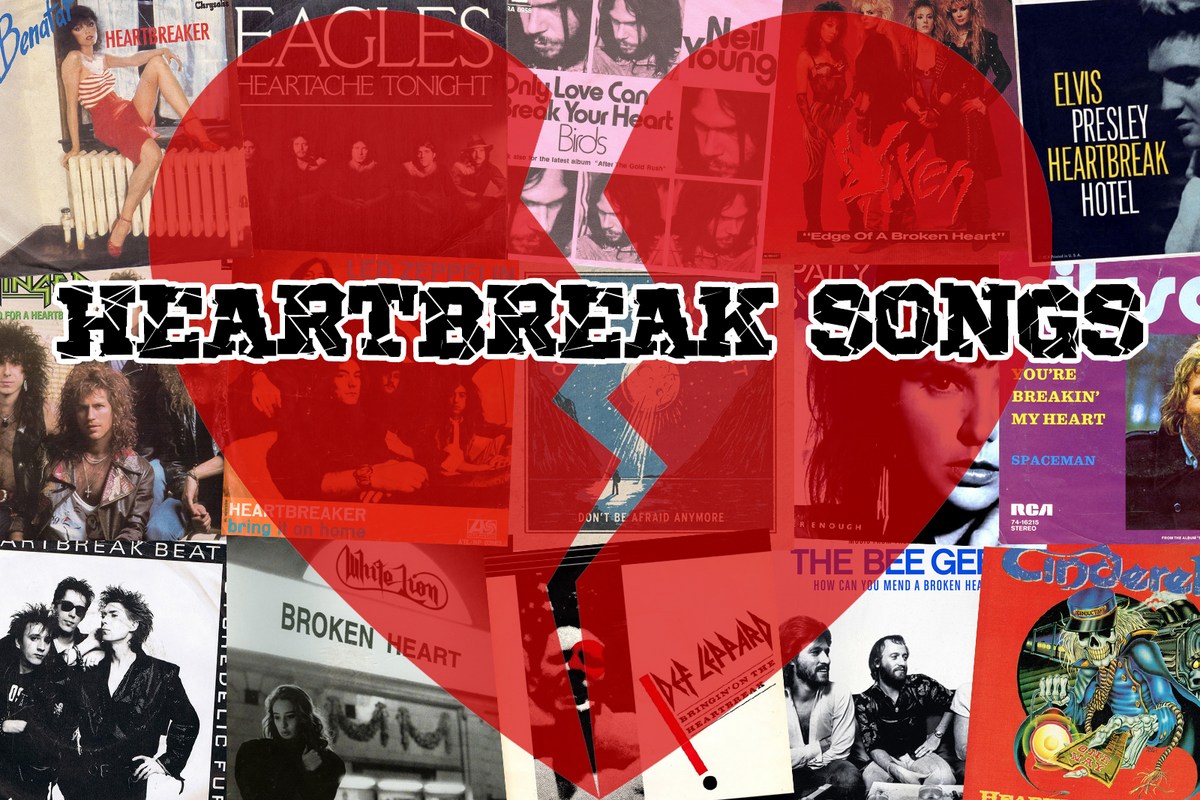
The most impactful 2000s heartbreak songs defined an era of transition, moving from the soulful R&B of the early millennium to the raw, angst-driven pop-punk and atmospheric indie-rock of the late decade. These tracks remain cultural touchstones in 2026 because they blend visceral production with deeply relatable lyrics about loss, betrayal, and resilience.
The Cultural Significance of Heartbreak in the 2000s
The decade between 2000 and 2009 was a unique period for the music industry and the listener's emotional landscape. As we look back from the vantage point of 2026, the 2000s represent the last era before the complete dominance of algorithmic streaming. It was a time when the CD was still relevant, but the iPod and MP3 players were beginning to change how we consumed "sad" music—creating private, portable sanctuaries for our most difficult emotions.
Heartbreak songs in the 2000s were often characterized by a "maximalist" approach to production. Whether it was the soaring orchestral arrangements in pop ballads or the layered, distorted guitars of the emo-pop scene, the goal was to match the overwhelming scale of a broken heart. This decade didn’t just produce background music; it produced anthems that demanded the listener's full attention and emotional participation.
The lyrics of this era also shifted. While the 1990s often leaned into abstract metaphors or grunge-fueled nihilism, 2000s heartbreak songs were often startlingly direct. Artists began to use their music as a form of "confessional" (most notably Usher in 2004), making the listener feel like a confidant in a very public and painful narrative.
The R&B Renaissance: Soulful Sorrow and Vocal Mastery
Early 2000s R&B set a high bar for emotional delivery. This genre dominated the charts, bringing a sophisticated blend of hip-hop beats and gospel-influenced vocal arrangements to the subject of heartbreak.
Usher and the "Confessions" Era
In 2004, Usher released Confessions, an album that remains a blueprint for the "breakup album." The title track and "Burn" explored the nuance of a relationship ending—not just the sadness of being left, but the guilt of being the one to leave. "Burn" is particularly notable for its slow-build production, mirroring the slow "burn" of a dying flame. The technical mastery of Usher’s runs in this period allowed the vocal performance to carry the weight of the lyrics, making the pain feel lived-in and authentic.
Alicia Keys and the Power of the Piano
Alicia Keys brought a classical sensibility to heartbreak. "If I Ain't Got You" (2003) and "Fallin'" (2001) utilized the piano as a primary emotional vehicle. In "If I Ain't Got You," the arrangement is relatively sparse, allowing the soul-searching lyrics about the vanity of material wealth in the absence of love to resonate. It shifted the heartbreak narrative from "I am sad you are gone" to "nothing matters without you," a deeper, more existential form of longing.
Ne-Yo and the Narrative Songwriting
Ne-Yo's "So Sick" (2005) addressed a specific, modern form of heartbreak: the inability to escape the "soundtrack" of a former relationship. The song’s premise—being tired of love songs on the radio because they trigger memories—was a meta-commentary on the power of music itself. His smooth delivery and the song's mid-tempo beat made the crushing sadness feel approachable, a hallmark of mid-2000s R&B.
The Rise of Emo and Pop-Punk: Angst and Authenticity
While R&B was dominating the airwaves, a subcultural movement was exploding in the suburbs. Emo and pop-punk provided a different outlet for heartbreak, characterized by high-energy catharsis and a specific brand of "theatrical" sadness.
The Vulnerability of Dashboard Confessional
Chris Carrabba, under the moniker Dashboard Confessional, redefined heartbreak for a generation of listeners. "Screaming Infidelities" (2001) is a masterclass in raw, unvarnished emotion. The use of acoustic guitar combined with Carrabba’s strained, urgent vocals created a sense of intimacy that felt like reading a stolen diary. This track proved that you didn't need a massive orchestra to convey the total devastation of a breakup.
My Chemical Romance and Theatrical Grief
By the mid-2000s, heartbreak became grander. My Chemical Romance’s "I'm Not Okay (I Promise)" (2004) channeled heartbreak into social alienation. While the song is ostensibly about a girl, it captures the broader feeling of "not being okay," a sentiment that resonated deeply with a youth culture navigating the complexities of the early digital age. The fast-paced drums and aggressive guitars offered a way to "scream out" the pain rather than wallowing in it.
Paramore and the Complexity of Youthful Love
Paramore, led by Hayley Williams, brought a female perspective to the often male-dominated emo scene. "The Only Exception" (though released in 2009, at the tail end of the decade) and earlier tracks like "Misery Business" explored the jagged edges of jealousy, unrequited love, and the fear of vulnerability. The technical precision of the instrumentation in these tracks provided a sturdy backbone for Williams’ powerful, emotive vocals.
Pop Anthems: Resilience, Rejection, and Reinvention
Heartbreak in the 2000s wasn't always about tears; often, it was about reclaiming power. Pop music in this era perfected the "breakup anthem"—songs designed to be shouted in a car with friends.
Kelly Clarkson’s Power Pop Blueprint
"Since U Been Gone" (2004) is perhaps the most significant breakup song of the decade. Produced by Max Martin and Dr. Luke, the song utilizes a "quiet-loud" dynamic that mirrors the relief of finally being free from a toxic relationship. The heavy guitar riffs in the chorus transformed heartbreak into a triumphant celebration of independence. It moved the needle for pop music, proving that a "breakup song" could be the biggest party hit of the year.
Amy Winehouse and the Retro-Soul Heartbreak
Amy Winehouse’s Back to Black (2006) took the concept of heartbreak and drenched it in 1960s girl-group aesthetics and modern-day grit. The title track, "Back to Black," is a haunting exploration of abandonment and the dark places the mind goes when a lover returns to an old flame (or an old addiction). Winehouse’s vocal delivery—simultaneously powerful and fragile—captured a timeless quality of grief that few other artists in the 2000s could replicate.
Beyoncé and the "Irreplaceable" Factor
In 2006, Beyoncé released "Irreplaceable," a mid-tempo track that became a cultural phenomenon. The "to the left, to the left" hook was more than just a catchy line; it was a directive for moving on with dignity. Unlike the R&B ballads of the early 2000s that focused on the pain of loss, "Irreplaceable" focused on the worth of the person being left behind. It was a pivotal moment in the decade's heartbreak narrative, emphasizing self-worth over romantic despair.
Comparison of Iconic 2000s Heartbreak Songs
The following table categorizes some of the most influential heartbreak tracks of the decade based on their primary emotional "vibe" and musical style.
| Song Title | Artist | Year | Genre | Primary Emotional Theme |
|---|---|---|---|---|
| "Burn" | Usher | 2004 | R&B | The slow realization that a relationship must end. |
| "Since U Been Gone" | Kelly Clarkson | 2004 | Pop-Rock | The cathartic relief of newfound independence. |
| "Screaming Infidelities" | Dashboard Confessional | 2001 | Emo/Acoustic | The raw, physical ache of being cheated on. |
| "The Scientist" | Coldplay | 2002 | Alt-Rock | Regret and the desire to "start over" from the beginning. |
| "Back to Black" | Amy Winehouse | 2006 | Soul/Jazz | The dark, repetitive cycle of abandonment and grief. |
| "Chasing Cars" | Snow Patrol | 2006 | Indie Rock | The desperate plea to freeze time in a failing relationship. |
| "Irreplaceable" | Beyoncé | 2006 | R&B/Pop | Asserting self-worth after being betrayed. |
| "Mr. Brightside" | The Killers | 2003 | Alt-Rock | The obsessive jealousy and "what-if" scenarios of heartbreak. |
| "If I Ain't Got You" | Alicia Keys | 2003 | Soul/R&B | The existential emptiness of life without a partner. |
| "Wake Me Up When September Ends" | Green Day | 2004 | Pop-Punk | Grief for a lost loved one, blending romantic and familial loss. |
Why 2000s Heartbreak Music Still Resonates in 2026
As of 2026, we are witnessing a significant "20-year cycle" resurgence in 2000s aesthetics and sounds. However, the endurance of these songs goes beyond mere nostalgia.
- Vocal Authenticity: Unlike the highly polished, AI-assisted vocals common in the mid-2020s, 2000s tracks often featured subtle "imperfections"—the crack in a voice, a heavy breath, or a slightly strained high note—that conveyed genuine human emotion.
- Structural Dynamics: These songs were written during the peak of the "loudness war," meaning they were engineered to be impactful. The dramatic shifts from verses to choruses in tracks like "Since U Been Gone" or "I'm Not Okay" provide a physical release for the listener's pent-up emotions.
- Relatable Analogies: The 2000s were a time of "liminal" technology. Songs about "checking the phone" or "deleting pictures" felt tactile and real. Even in 2026, the core feeling of waiting for a message that never comes remains universal, regardless of the platform used.
Building the Ultimate 2000s Heartbreak Playlist
To experience the full arc of 2000s melancholy, a playlist should be structured to mirror the stages of grief: denial, anger, bargaining, depression, and finally, acceptance.
- The Denial Phase: Start with the atmospheric, "everything is fine but it isn't" tracks. Coldplay’s "Fix You" or Snow Patrol’s "Chasing Cars" set a mood of quiet desperation.
- The Anger Phase: Transition into the high-energy, distorted sounds of the mid-2000s. The Killers’ "Mr. Brightside" and Kelly Clarkson’s "Since U Been Gone" allow for a vocal release of frustration.
- The Bargaining/Depression Phase: This is where the heavy-hitters belong. Usher’s "Burn," Alicia Keys’ "Fallin'," and Amy Winehouse’s "Back to Black" explore the deep, soulful trenches of loss.
- The Acceptance/Resilience Phase: End with tracks that emphasize moving forward. Beyoncé’s "Irreplaceable" or Natasha Bedingfield’s "Unwritten" (though not strictly a heartbreak song, it often served as the "new beginning" anthem) provide the necessary closure.
Frequently Asked Questions
Why is "Mr. Brightside" by The Killers considered a heartbreak song?
While it has a high-energy, stadium-rock feel, the lyrics are an obsessive exploration of jealousy and the painful imagination of an ex-partner with someone else. It captures the frantic, almost manic stage of heartbreak where the mind refuses to let go of the betrayal.
What made 2004 such a significant year for breakup music?
2004 saw the release of Usher’s Confessions, Kelly Clarkson’s Breakaway, and Green Day’s American Idiot. These albums collectively defined the three major pillars of the decade's sound: soulful R&B, polished power-pop, and anthemic punk-rock. This "perfect storm" of releases provided a heartbreak song for every possible musical taste.
How did the transition to digital music affect these songs?
In the early 2000s, people began "burning" mix CDs for their exes or for themselves. This allowed for personal curation of grief. Songs like Ne-Yo’s "So Sick" actually reference the frustration of hearing a "love song on the radio," reflecting a world where music was becoming more ubiquitous but also more personally invasive.
Are there any "hidden gems" of 2000s heartbreak that weren't mainstream hits?
"The Night We Met" style precursors like Brand New’s "The Boy Who Blocked His Own Shot" or Death Cab for Cutie’s "Tiny Vessels" offer a more "indie" take on heartbreak. These tracks focused on the internal dialogue and the often unlikable feelings of the person being left behind.
What role did music videos play in 2000s heartbreak songs?
In the 2000s, MTV and TRL (Total Request Live) were still dominant. Music videos like Avril Lavigne’s "My Happy Ending" or JoJo’s "Leave (Get Out)" provided a visual narrative to the heartbreak, often featuring dramatic rainy scenes, suburban angst, or the literal "packing up" of belongings, which helped cement the songs' emotional impact in the public consciousness.
Practical Recommendation for Listeners
If you are currently navigating a breakup and looking to the 2000s for solace, do not just listen to the "hits." Look for the "deep cuts" on the albums mentioned above. Often, the third or fourth track on an R&B or emo album from this era contains the most nuanced exploration of grief. For a modern listening experience in 2026, try searching for "2000s Heartbreak Remasters" to hear the intricate production layers that were sometimes lost in the original low-bitrate MP3 files of the time.