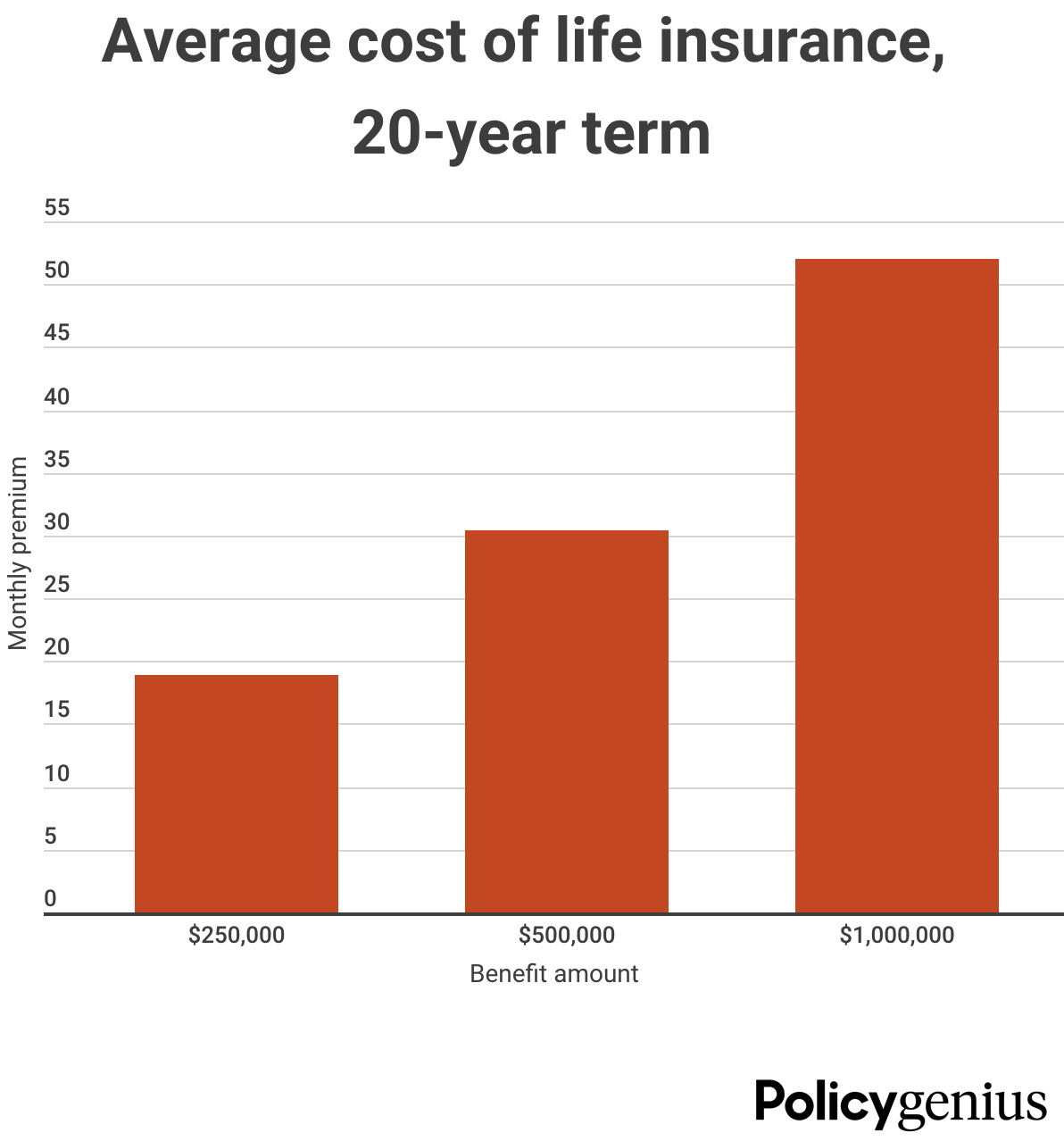
For Arizona residents, a 20-year term life insurance policy provides a fixed death benefit and level premiums for a two-decade duration. It serves as a financial safety net, commonly used to cover mortgage balances, replace income during peak earning years, or ensure child-rearing expenses are met should the policyholder pass away during the term.
Choosing the right life insurance policy in Arizona requires more than just picking a monthly premium. As we move through 2026, the landscape of the insurance industry in the Grand Canyon State continues to be shaped by specific state regulations, evolving underwriting technologies, and local economic factors. A 20-year term policy is often considered the "sweet spot" for many families because it covers the most critical years of financial vulnerability—from the birth of a child to their college graduation, or the bulk of a 30-year mortgage.
Understanding the Mechanics of 20-Year Term Life Insurance
A 20-year term life insurance policy is a contract between you and an insurance provider. In exchange for regular premium payments, the insurer guarantees to pay a specific sum of money (the death benefit) to your designated beneficiaries if you die within the 20-year window.
The "term" aspect means the coverage is temporary. Unlike whole life or universal life insurance, term insurance does not build cash value. This lack of an investment component is precisely why term insurance is significantly more affordable than permanent policies. In 2026, the primary appeal remains its simplicity: you pay for protection, and if the "insured event" occurs, your family is protected. If you outlive the 20 years, the coverage simply expires, though most modern policies in Arizona offer options to renew or convert the policy to a permanent one without a new medical exam.
Arizona-Specific Insurance Regulations and Consumer Protections
Life insurance in Arizona is regulated by the Arizona Department of Insurance and Financial Institutions (DIFI). Understanding these local laws is essential for any consumer looking to secure a 20-year policy.
The Arizona Life and Disability Insurance Guaranty Fund
One of the most critical protections for Arizona policyholders is the Arizona Life and Disability Insurance Guaranty Fund. If an insurance company authorized to do business in Arizona becomes insolvent and cannot meet its obligations, this fund provides a safety net. As of 2026, the fund generally covers up to $300,000 in life insurance death benefits per person. While it is rare for major carriers to fail, this state-mandated protection adds a layer of security for residents.
The "Free Look" Period
In Arizona, state law provides a "free look" period, typically lasting 10 days from the date you receive your policy. During this window, you can review the contract and, if you are unsatisfied for any reason, cancel it for a full refund of any premiums paid. Some companies offer a longer period, but the 10-day minimum is a statutory right.
Grace Periods and Incontestability
Arizona residents are protected by a mandatory 30-day grace period. If you miss a premium payment, the policy remains in force for 30 days, giving you time to make the payment before the coverage lapses. Furthermore, the "incontestability clause" is standard in Arizona; after a policy has been in effect for two years, the insurance company cannot contest a claim based on misstatements in the application, except for fraudulent ones or non-payment of premiums.
Estimating the Cost of 20-Year Term Life Insurance in Arizona
Premiums for a 20-year term policy are determined by several factors, including age, gender, health status, and lifestyle choices. In 2026, Arizona residents benefit from a highly competitive market, but costs increase significantly as you age.
The following table provides estimated monthly premiums for a $500,000, 20-year term life insurance policy for healthy, non-smoking residents in Arizona.
| Issue Age | Monthly Premium (Male) | Monthly Premium (Female) | Common Financial Goal |
|---|---|---|---|
| 25 | $22.50 | $18.75 | Starting a family / Early career |
| 35 | $28.40 | $23.20 | Mortgage protection / Young children |
| 45 | $58.15 | $46.90 | Income replacement / College funding |
| 55 | $145.30 | $108.60 | Debt elimination / Late-career safety |
Note: These are estimates based on "Preferred Plus" health classifications. Actual rates are determined through individual underwriting.
Factors Influencing Your Rates in 2026
While age and gender are the primary drivers, several other variables will dictate what you pay for 20-year coverage in Arizona:
- Tobacco and Nicotine Use: Arizona insurers continue to charge significantly higher rates for smokers. This often includes vaping and nicotine replacement therapies. A smoker can expect to pay 200% to 300% more than a non-smoker for the same 20-year term.
- Health History: Conditions such as hypertension, high cholesterol, or a high Body Mass Index (BMI) can move you into a "Standard" or "Substandard" rating class, increasing costs. Conversely, well-managed health conditions may still qualify for competitive rates.
- Family Medical History: Underwriters look for patterns of hereditary diseases, such as heart disease or cancer, in immediate family members (parents and siblings) before age 60.
- Driving Record: Arizona insurers frequently check your Motor Vehicle Record (MVR). Multiple speeding tickets, DUIs, or reckless driving charges in the last three to five years can lead to higher premiums.
- Lifestyle and Avocation: If you participate in high-risk activities common in the Southwest, such as private aviation, technical rock climbing, or certain types of desert racing, you may face "flat extra" charges.
The Underwriting Process: Traditional vs. Accelerated
In 2026, the process of applying for a 20-year term policy in Arizona has become more streamlined thanks to "Accelerated Underwriting."
Traditional Underwriting involves a detailed application, an attending physician's statement (APS), and a paramedical exam where a nurse visits your home to collect blood and urine samples and record your vitals. This process can take four to eight weeks but often results in the lowest possible premiums for very healthy individuals.
Accelerated Underwriting (or "No-Exam" life insurance) uses data algorithms to evaluate your risk instantly. By accessing your prescription history, MVR, and credit-based insurance scores, companies can often approve a 20-year term policy in minutes or days without a medical exam. In 2026, this is the preferred method for many Arizona residents under age 50 who have no major health issues.
Strategic Uses for a 20-Year Term Policy in the Grand Canyon State
Arizona's unique economic landscape makes the 20-year term a versatile tool for financial planning.
Mortgage Protection
With the growth in cities like Phoenix, Scottsdale, and Tucson, many residents have substantial mortgage balances. A 20-year term policy is often timed to coincide with the most expensive years of a mortgage. If the primary breadwinner passes away, the death benefit can pay off the home, allowing the surviving family to stay in their community without the burden of monthly housing payments.
Income Replacement
For families relying on one or two incomes to maintain their standard of living, the loss of a paycheck can be devastating. A 20-year policy ensures that during the years you are most likely to have dependents—children at home or aging parents to care for—your earning potential is insured.
Business Succession Planning
Arizona is a hub for small businesses and startups. Business owners often use 20-year term policies for "Key Person" insurance or to fund "Buy-Sell" agreements. If a partner dies, the term policy provides the liquidity necessary for the surviving partners to buy out the deceased partner's share of the business from their heirs.
Living Benefits: More Than Just a Death Benefit
By 2026, many 20-year term policies in Arizona include "Living Benefits" via riders. These allow the policyholder to access a portion of the death benefit while they are still alive if they are diagnosed with a qualifying condition.
- Terminal Illness Rider: Allows access to funds if you are diagnosed with a life expectancy of 12 to 24 months.
- Chronic Illness Rider: Provides funds if you cannot perform at least two of the six "Activities of Daily Living" (ADLs), such as bathing or dressing.
- Critical Illness Rider: Triggers a payout for specific events like a heart attack, stroke, or invasive cancer.
In Arizona, where the cost of long-term care and specialized medical treatment continues to rise, these riders provide an essential layer of financial flexibility.
Common Mistakes to Avoid When Purchasing Coverage
- Waiting Too Long: Life insurance rates are based on your "attained age." Every year you wait to buy a 20-year term policy, the base cost increases. Furthermore, you risk developing a health condition that could make you uninsurable or significantly more expensive to cover.
- Buying Too Little Coverage: Many people underestimate their "human life value." A common rule of thumb is 10 to 15 times your annual income, but you should also account for total debt, future college tuition, and final expenses.
- Ignoring the "Conversion" Option: Ensure your 20-year term policy includes a conversion rider. This allows you to turn your term policy into a permanent policy later in life without a medical exam, which is vital if your health declines during the term.
- Relying Solely on Group Life Insurance: Many Arizona employers offer life insurance as a benefit. However, these policies are usually only one or two times your salary and are rarely portable. If you leave your job, you lose the coverage. A private 20-year term policy stays with you regardless of your employment status.
How to Compare Arizona Providers
When shopping for a 20-year term policy, do not look at price alone. Evaluate the financial strength of the carrier. Organizations like A.M. Best, Standard & Poor's, and Moody's provide ratings on an insurance company's ability to pay claims. In 2026, you should prioritize companies with an "A" rating or higher.
Additionally, check the Arizona Department of Insurance and Financial Institutions website for "complaint ratios." This metric shows how many consumer complaints a company receives relative to the number of policies they have in force in the state.
Frequently Asked Questions
What happens at the end of the 20-year term? When the 20 years expire, your coverage ends. You typically have three choices: let the policy lapse, renew it on an annual basis (though premiums will jump significantly), or convert it to a permanent policy if your contract includes a conversion rider.
Can I cancel my 20-year term policy if I no longer need it? Yes. You can cancel your policy at any time by stopping premium payments or notifying the insurer. Because term insurance does not build cash value, you will not receive any money back unless you have a specific "Return of Premium" (ROP) rider.
Is the death benefit from a 20-year term policy taxable in Arizona? Generally, no. Under current federal and Arizona state tax laws, life insurance death benefits are paid out to beneficiaries income tax-free. However, if the death benefit is paid into an estate, it may be subject to estate taxes if the total estate value exceeds certain thresholds.
Are 20-year term policies more expensive in Arizona than in other states? Life insurance rates are largely consistent across the United States because they are based on national mortality tables. However, slight variations may exist due to state-specific premium taxes and the competitive landscape of carriers licensed to operate in Arizona.
Can I get a 20-year term policy if I have a pre-existing condition? Yes, it is possible. Many Arizona insurers specialize in "impaired risk" underwriting. While you may pay a higher premium (called a "table rating"), conditions like well-controlled Type 2 diabetes or certain thyroid disorders do not automatically disqualify you from 20-year term coverage.
Next Steps for Arizona Residents
To secure the best 20-year term life insurance in Arizona for 2026, begin by calculating your total financial obligations, including your mortgage, outstanding debts, and future income needs for your family. Once you have a coverage amount in mind, use an independent agent or an online comparison tool to view quotes from multiple A-rated carriers.
If you are in good health, look for "accelerated underwriting" options to potentially bypass the medical exam. If you have health concerns, work with a broker who can "shop" your medical history to find the carrier most lenient toward your specific condition. Always review the policy's conversion options and living benefit riders before signing to ensure your 20-year protection is as flexible as it is affordable.