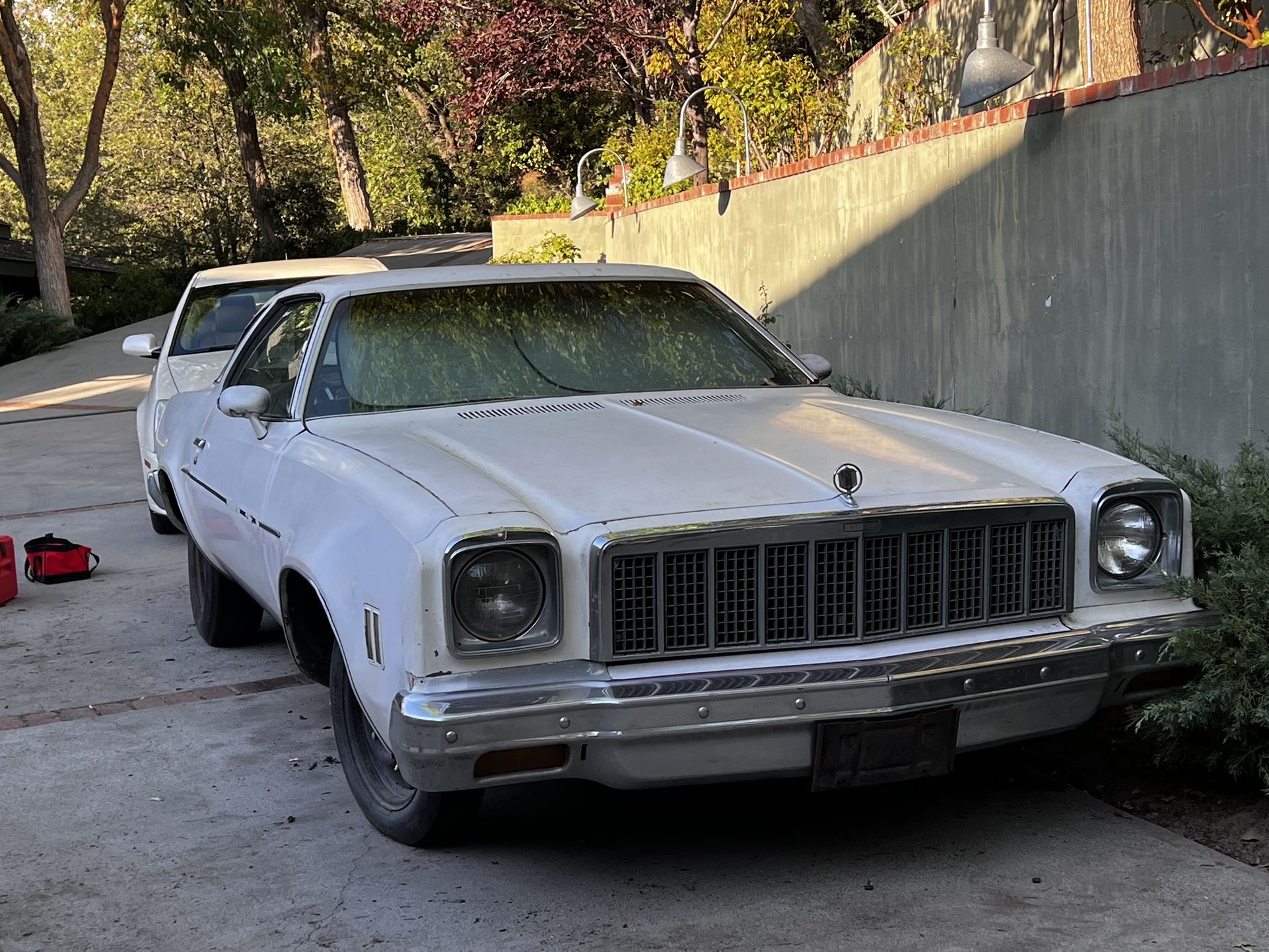
The 1975 Chevy Chevelle represents a pivotal moment in American automotive history, marking the transition from high-compression performance muscle to the era of emissions-controlled, comfort-oriented personal luxury vehicles. For the enthusiast or collector in 2026, understanding this model requires navigating its specific engine configurations, the shift toward the Chevelle Laguna S-3, and the mechanical nuances of mid-70s General Motors engineering to ensure effective maintenance and restoration.
Historical Context and Market Positioning
By 1975, the automotive landscape had been drastically altered by the 1973 oil crisis and increasingly stringent federal emissions regulations. Chevrolet responded by shifting the Chevelle lineup away from the raw muscle car aesthetic that dominated the late 1960s and early 1970s. The 1975 Chevelle was part of the "Colonnade" styling era, characterized by prominent B-pillars and heavy, fixed-quarter windows.
For the prospective owner, it is essential to distinguish between the base Chevelle Malibu and the higher-trim Laguna S-3. The Laguna S-3 functioned as the spiritual successor to the performance identity of the brand, featuring a unique sloped urethane nose cone designed for aerodynamic efficiency and a more aggressive stance. While engine outputs were lower than in previous years, the chassis and suspension geometry remained robust, providing a stable platform for those looking to perform modern powertrain swaps or period-correct mechanical refreshes.
Technical Specifications and Engine Variants
The 1975 model year introduced the catalytic converter to the Chevelle lineup, a technology that was revolutionary at the time but often misunderstood by modern restorers. Engine performance was strictly governed by the need to meet 1975 federal emissions standards, leading to the use of Air Injection Reactor (AIR) systems and Exhaust Gas Recirculation (EGR) valves.
Engine Lineup Overview
The 1975 Chevelle was offered with a variety of V8 engines, though the high-performance big-block era had largely concluded. The standard powerplants included:
- 250 cubic-inch (4.1L) Inline-6: Primarily found in base models, focused on fuel efficiency.
- 350 cubic-inch (5.7L) V8: Available with either a 2-barrel or 4-barrel carburetor, serving as the reliable workhorse of the fleet.
- 400 cubic-inch (6.6L) V8: The top-tier displacement option, often paired with the TH400 automatic transmission.
It is critical for owners to verify the "suffix code" stamped on the engine block. Because many 1975 models were subject to dealer-installed modifications or field fixes to address early emissions system issues, ensuring the engine retains its original components—or has been properly updated to modern emissions-legal standards—is a primary concern during pre-purchase inspections.
Transmission and Drivetrain Reliability
The Chevelle utilized the Turbo Hydra-Matic series of transmissions, specifically the TH350 and the heavier-duty TH400. These transmissions are highly regarded for their durability and the ease of sourcing parts in 2026. If the vehicle has been sitting for an extended period, the transmission fluid should be inspected for a burnt odor or signs of coolant contamination, which suggests a failing radiator transmission cooler.
The rear end typically featured the Chevrolet 10-bolt differential. While sufficient for standard daily driving, enthusiasts upgrading to modern high-torque engines should note that the stock 10-bolt axles are a common failure point under heavy load. Many owners now opt for aftermarket axle shafts or a full differential swap to handle increased power output.
Maintenance and Restoration Challenges
Restoring a 1975 Chevy Chevelle presents specific logistical hurdles compared to earlier, more popular muscle car years. While mechanical parts for the engine and drivetrain are widely available, trim-specific components for the 1975 model year—such as the urethane nose cone on the Laguna or unique interior dashboard plastics—are rarer.
Common Mechanical Issues
- Emissions Equipment Degradation: The original vacuum-operated EGR systems are frequently clogged or missing. If the vehicle fails emissions testing in jurisdictions where that remains relevant, these systems must be professionally cleaned or replaced with period-correct components.
- Chassis Corrosion: The frame of the 1975 Chevelle is prone to rust in the rear kick-up areas and the body mounts. A thorough inspection with a screwdriver or inspection camera is mandatory to check for structural integrity.
- Electrical Gremlins: The 1975 model year introduced more complex wiring for emissions monitoring and safety features. Inspecting the fuse block and ground wires for corrosion is a standard first step in any restoration project.
Comparing Trim Levels and Body Styles
| Feature | Chevelle Malibu | Laguna S-3 |
|---|---|---|
| Front Fascia | Standard Chrome Grille | Urethane "Aerodynamic" Nose |
| Interior | Bench/Standard Vinyl | Bucket Seats / Console Optional |
| Performance Focus | Comfort/Utility | Sport Styling/Handling |
| Primary Use | Cruiser/Family | Collector/Show |
Note: The table above outlines the key differences in factory configurations; many vehicles currently on the market have been modified by previous owners.
Evaluating Value and Investment Potential
In 2026, the value of a 1975 Chevy Chevelle is heavily dependent on documentation, originality, and the condition of the body. Unlike the 1970 SS, which commands premium prices, the 1975 model is often viewed as an entry-level classic. This makes it an ideal candidate for owners who want a usable classic that can be upgraded without the guilt of altering a high-value collector piece.
When assessing the purchase price, consider the "hidden costs" of ownership. A cheap, non-running example can quickly exceed its market value once you factor in the cost of professional interior reupholstery, bodywork, and a complete engine rebuild. Prioritize vehicles with verified service records or clear "ownership chains," as these documents provide insight into how the car was maintained over the last five decades.
Practical Guidance for Current Owners
For those who currently own a 1975 Chevelle, the most common task is modernizing the lighting and fuel systems. Replacing the original sealed-beam headlights with modern LED or halogen inserts significantly improves night visibility. Similarly, upgrading to a modern, reliable fuel pump—especially if the car is used infrequently—prevents the issues associated with fuel line degradation caused by modern ethanol-blended gasoline.
Steps for Routine Verification
- Check the VIN: Ensure the chassis number matches the title to avoid registration complications.
- Cooling System Flush: 1975 cooling systems are prone to sediment buildup. A full flush and inspection of the heater core are recommended to avoid cabin leaks.
- Brake System Inspection: If the vehicle has been dormant, the master cylinder and wheel cylinders likely require replacement. Always upgrade to DOT 4 fluid for better heat dissipation.
Frequently Asked Questions
Are emissions parts still available for the 1975 Chevelle? While original GM-branded emissions components are largely discontinued, many parts remain available through specialized reproduction manufacturers or by sourcing compatible components from other GM vehicles of the 1970s. For daily drivers, many enthusiasts opt for modern, high-flow catalytic converters that fit the vehicle’s physical dimensions.
Is it worth swapping the stock engine for a modern LS-series engine? Yes, if the goal is increased reliability and fuel efficiency. An LS swap is highly popular for the 1975 Chevelle platform because the engine bay is spacious enough to accommodate the swap with minimal fabrication. However, this will decrease the vehicle's "collector value" for those seeking pure factory originality.
Where can I find specific wiring diagrams for this model? The most reliable source for wiring diagrams is the original 1975 Chevrolet Chassis Service Manual. These are frequently reprinted and available from automotive literature retailers or digital archives. Avoid generic internet diagrams, as they may not account for mid-year production changes.
Does the 1975 Chevelle require leaded gasoline? No. While many high-compression engines of the early 1970s required leaded fuel to prevent valve seat recession, the 1975 engine lineup was designed to run on low-lead or unleaded gasoline. It is safe to use modern unleaded pump gas.
What is the most common rust location on these cars? The most frequent location for rust is the lower quarter panels, specifically behind the rear wheels, and the trunk floor pan. If water has sat in the trunk due to worn-out weatherstripping, the metal often disintegrates from the inside out, making trunk floor replacement a common restoration milestone.
Final Recommendation
The 1975 Chevy Chevelle is a rewarding vehicle for an owner who appreciates the balance of mid-70s design and relative mechanical simplicity. Before committing to a purchase or beginning a restoration, conduct a thorough structural audit of the frame and body. If the car is structurally sound, focus your initial investments on the braking, fuel, and cooling systems to ensure safety and reliability. Once these systems are solidified, you can safely explore performance upgrades or cosmetic refinements tailored to your personal aesthetic.