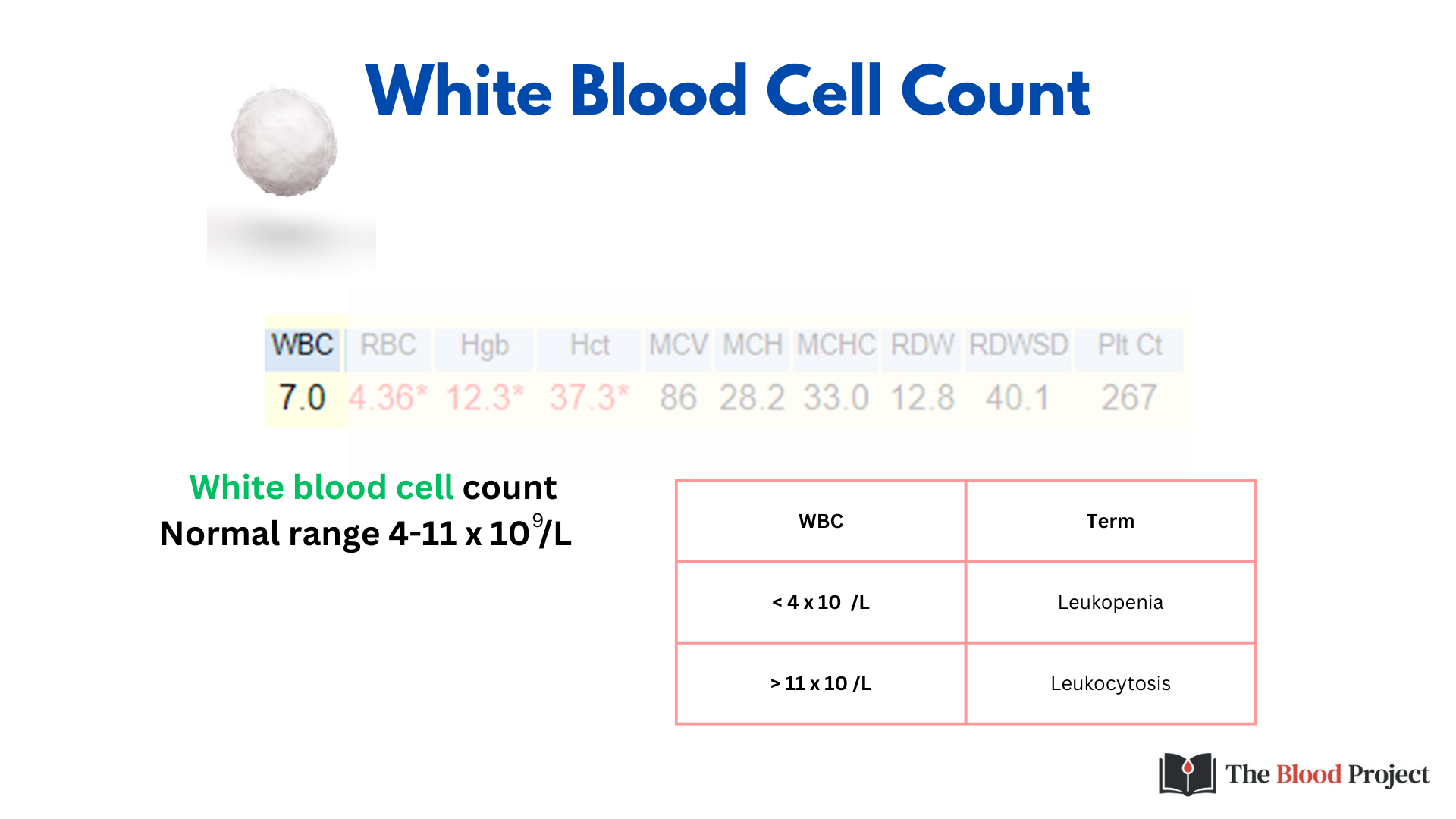
A white blood cell (WBC) count of 14,000 cells per microliter (µL) of blood is considered high, a clinical condition known as leukocytosis. While the standard reference range for a healthy adult is generally between 4,500 and 11,000 cells/µL, a result of 14,000 typically indicates a mild to moderate immune response to factors such as infection, physical stress, inflammation, or certain medications.
The Role of White Blood Cells in the Human Body
To understand why a count of 14,000 cells/µL is significant, one must first understand the fundamental role of leukocytes (white blood cells) within the immune system. These cells act as the body’s primary defense mechanism against invading pathogens, including bacteria, viruses, fungi, and parasites. They also play a critical role in identifying and removing damaged cells and mediating the inflammatory response necessary for healing.
White blood cells are produced in the bone marrow and circulate through the bloodstream and lymphatic system. When the body detects a threat or tissue damage, the bone marrow increases production or releases stored cells into the blood to travel to the site of the issue. Consequently, an elevated count is rarely a disease in itself; rather, it is a biological "alarm signal" indicating that the body is actively responding to an internal or external stimulus.
In the context of 2026 clinical standards, a WBC count is almost always performed as part of a Complete Blood Count (CBC). This test measures the total number of leukocytes but, more importantly, can be broken down into a "differential," which identifies the specific types of white blood cells involved in the elevation.
Interpreting the 14,000 Threshold: Is It an Emergency?
In clinical practice, a WBC count of 14,000 cells/µL is generally classified as mild leukocytosis. It is a very common finding in primary care and urgent care settings. While it is outside the "normal" range, it is rarely considered an isolated medical emergency unless accompanied by severe symptoms such as high fever, respiratory distress, or neurological changes.
Healthcare providers look at the 14,000 figure within the broader context of a patient’s health history. For instance, a marathon runner may show a count of 14,000 immediately following a race due to physical exertion, whereas a sedentary patient with a cough might show the same number due to acute bronchitis. The absolute number is a snapshot in time; clinicians are often more interested in the "trend" (whether the number is rising or falling) and the specific types of cells that make up that 14,000.
Common Causes of a 14,000 WBC Count
There are several physiological and pathological reasons why an individual's WBC count might rise to the 14,000 level. These causes can be broadly categorized into infectious, inflammatory, and lifestyle-related factors.
1. Acute Infections
The most frequent cause of mild leukocytosis is a bacterial or viral infection. When bacteria enter the system, the body rapidly mobilizes neutrophils to engulf and destroy the invaders.
- Bacterial Infections: Conditions such as urinary tract infections (UTIs), strep throat, or localized abscesses often push the WBC count into the 12,000 to 16,000 range.
- Viral Infections: While some viruses can actually lower the WBC count, many—such as the influenza virus or early-stage mononucleosis—can cause a moderate increase as the immune system gears up its defense.
2. Chronic Inflammation
Inflammation is the body’s response to injury or irritation. It does not always involve an infection. Chronic conditions that keep the immune system "on edge" can result in a persistently elevated WBC count around 14,000.
- Autoimmune Disorders: Conditions like rheumatoid arthritis or Crohn’s disease involve the immune system attacking the body’s own tissues, leading to constant leukocyte production.
- Tissue Damage: Major trauma, burns, or even recent surgery can cause a spike in white blood cells as the body works to repair damaged tissues and prevent secondary infections.
3. Medication-Induced Elevation
Certain drugs can artificially inflate the white blood cell count. This is a common point of confusion for patients.
- Corticosteroids: Drugs like prednisone are notorious for increasing the WBC count. They cause "demargination," a process where white blood cells that were previously clinging to the walls of blood vessels are released into the main circulation, increasing the number detected in a blood draw.
- Beta-Agonists: Used frequently in asthma treatments, these can occasionally cause a transient rise in leukocyte levels.
4. Lifestyle and Physiological Stress
The body’s "fight or flight" response involves the release of epinephrine (adrenaline). This hormone can trigger a rapid release of white blood cells from the spleen and bone marrow.
- Severe Emotional Stress: Extreme anxiety or panic can lead to a temporary spike.
- Physical Overexertion: Intensive exercise is a well-documented cause of transient leukocytosis.
- Smoking: Chronic smokers often have higher baseline WBC counts than non-smokers due to the persistent low-grade inflammation in the lungs caused by chemical irritants.
5. Pregnancy
In the later stages of pregnancy and particularly during labor, it is normal for the WBC count to rise significantly. In a pregnant individual, a count of 14,000 is often considered within the expected physiological range and may not indicate any underlying pathology.
The Importance of the WBC Differential
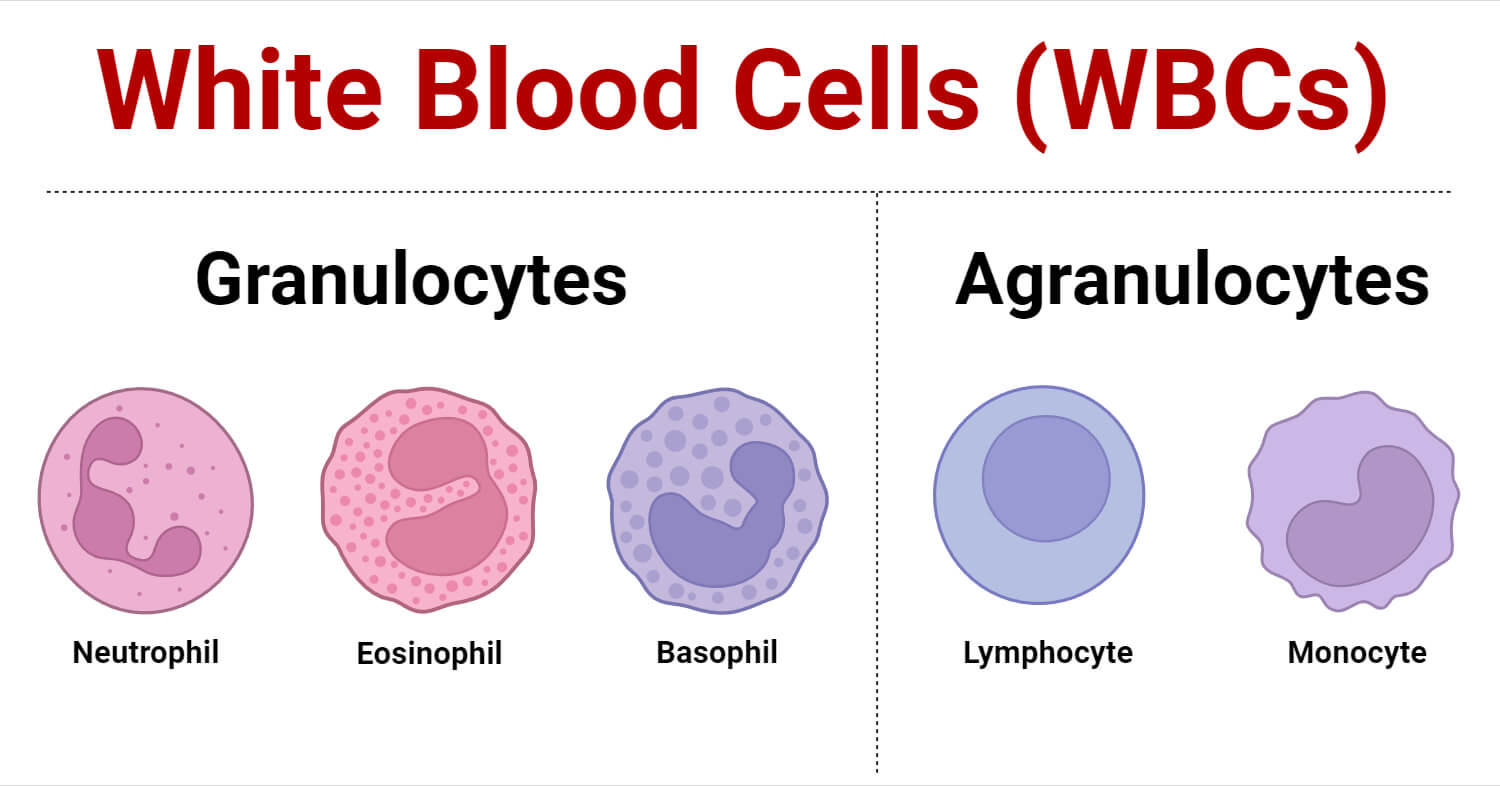
A total count of 14,000 provides only half of the picture. To determine the likely cause, doctors examine the "differential," which measures the percentages of the five main types of white blood cells.
| Cell Type | Primary Function | Significance of Elevation (at 14,000 Total) |
|---|---|---|
| Neutrophils | Combat bacterial infections | Known as neutrophilia; often suggests acute bacterial infection or physical stress. |
| Lymphocytes | Produce antibodies; fight viruses | Known as lymphocytosis; frequently associated with viral infections or chronic inflammatory states. |
| Monocytes | Chronic infection defense; debris removal | Elevation may indicate a recovering infection or a chronic inflammatory condition like tuberculosis. |
| Eosinophils | Fight parasites; mediate allergies | Known as eosinophilia; commonly caused by asthma, hay fever, or parasitic infections. |
| Basophils | Release histamine during allergies | Rare elevation; may be seen in rare blood disorders or severe allergic reactions. |
If the 14,000 count is driven almost entirely by neutrophils, a physician will likely look for a bacterial source. If it is driven by lymphocytes, a viral cause or a chronic condition is more probable.
When a 14,000 Count Requires Further Investigation
While a 14,000 WBC count is often benign and temporary, certain "red flag" symptoms combined with this result warrant a deeper diagnostic dive. Doctors are particularly concerned if the elevation is persistent or if the blood smear shows "immature" cells.
Symptoms to Monitor
- Persistent Fever and Chills: Suggests an ongoing infection that the body is struggling to clear.
- Unexplained Weight Loss: When combined with high WBC counts, this can sometimes point toward more serious bone marrow issues or chronic inflammatory diseases.
- Night Sweats: A classic sign of systemic inflammation or certain lymphatic issues.
- Splenomegaly: An enlarged spleen, which a doctor can detect during a physical exam, may suggest the bone marrow is overproducing cells.
The "Left Shift" Phenomenon
In the lab report, you might see a mention of a "left shift." This means that the bone marrow is releasing immature neutrophils (called "bands") into the blood because the demand for white blood cells is so high. This is a strong indicator of an acute, active bacterial infection.
Diagnostic Procedures for Leukocytosis
If a patient presents with a 14,000 WBC count and no obvious cause (like a cold or recent injury), a healthcare provider in 2026 will typically follow a standardized diagnostic pathway:
- Clinical History and Physical Exam: The most important step. The doctor will ask about recent illnesses, medications, smoking habits, and stress levels.
- Repeat Testing: Because the WBC count is highly dynamic, a doctor may ask the patient to return in one to two weeks for a repeat CBC. If the count returns to the normal range, no further action is usually needed.
- Peripheral Blood Smear: A pathologist examines the blood cells under a microscope to look for abnormalities in shape or the presence of blast cells (extremely immature cells), which could indicate bone marrow disorders.
- C-Reactive Protein (CRP) or ESR Tests: These tests measure systemic inflammation. If these are also high, it confirms the body is in an inflammatory state.
Lifestyle Management and Impact
For many individuals, a slightly elevated WBC count is a lifestyle indicator rather than a disease marker. Addressing these factors can often bring the count back into the 4,500–11,000 range.
- Smoking Cessation: Smoking causes chronic irritation of the bronchial tubes. Quitting smoking can significantly lower a high baseline WBC count over several months.
- Stress Management: High levels of cortisol and adrenaline keep the immune system in a state of high alert. Techniques such as mindfulness, adequate sleep, and regular moderate exercise can help stabilize immune markers.
- Hydration and Nutrition: Dehydration can sometimes cause a "hemoconcentration" effect, where the blood volume is lower, making the concentration of cells appear higher than it actually is.
2026 Perspectives on Blood Monitoring
As of 2026, the use of wearable health technology and home-based capillary blood testing has become more prevalent. However, it is essential to note that a single high reading from a consumer-grade device should always be verified by a venous blood draw in a clinical laboratory. Automated systems are excellent for tracking trends, but the nuance required to interpret a 14,000 WBC count—distinguishing between "stressed but healthy" and "mildly ill"—remains a task for qualified medical professionals.
Clinical guidelines from the American Society of Hematology and the Mayo Clinic emphasize that leukocytosis is a symptom, not a diagnosis. Treatment is never aimed at "lowering the white blood cell count" itself, but rather at treating the underlying cause, whether that be a course of antibiotics for an infection or adjusting a steroid dosage.
FAQs About 14,000 WBC Counts
Is 14,000 WBC count high for a child?
Yes, but the "normal" range for children is different than for adults. Newborns can have normal WBC counts as high as 30,000 cells/µL. In older children, 14,000 is slightly high but is frequently seen during common childhood illnesses or even after a bout of vigorous crying or playing. A pediatrician will evaluate the child's hydration and activity levels alongside the count.
Can dehydration cause a 14,000 WBC count?
Yes. Dehydration reduces the plasma (liquid) component of your blood. This makes the solid components, like white blood cells, more concentrated. In such cases, the total number of cells hasn't necessarily increased, but the number of cells per microliter appears higher. Rehydrating the patient usually resolves this "pseudo-leukocytosis."
Does stress alone cause a WBC count of 14,000?
It is possible. Severe physical stress—such as a seizure, extreme cold exposure, or intense emotional trauma—triggers the release of catecholamines (like adrenaline). These hormones cause white blood cells to detach from the blood vessel walls and enter the circulation. This spike is usually very short-lived and returns to normal once the stressor is removed.
Should I be worried about leukemia with a 14,000 count?
In the vast majority of cases, a count of 14,000 is NOT indicative of leukemia. Leukemia typically presents with much higher counts (often 50,000 to 100,000+ cells/µL) or involves a significant decrease in other cell lines, such as red blood cells (anemia) and platelets (thrombocytopenia). A count of 14,000 is far more consistent with a simple infection or inflammation.
How long does it take for the WBC count to return to normal?
If the cause is an acute infection, the count should begin to normalize within a few days of starting treatment or the body clearing the pathogen. If the cause is a medication like Prednisone, the count may remain elevated as long as the medication is being taken.
Summary of Next Actions
If you have received a lab report showing a WBC count of 14,000, your first step should be to review the "Differential" section of the report. Note which specific cell types are elevated. If you are currently experiencing symptoms like a sore throat, cough, or localized pain, the elevation is likely a normal response to that illness.
The most practical next action is to consult with the prescribing physician to correlate the result with your clinical symptoms. If you are asymptomatic, your doctor will likely recommend a follow-up test in two to four weeks to ensure the count has returned to your baseline. Avoid self-diagnosing with serious conditions, as a 14,000 count is a common and often transient finding in modern clinical medicine.