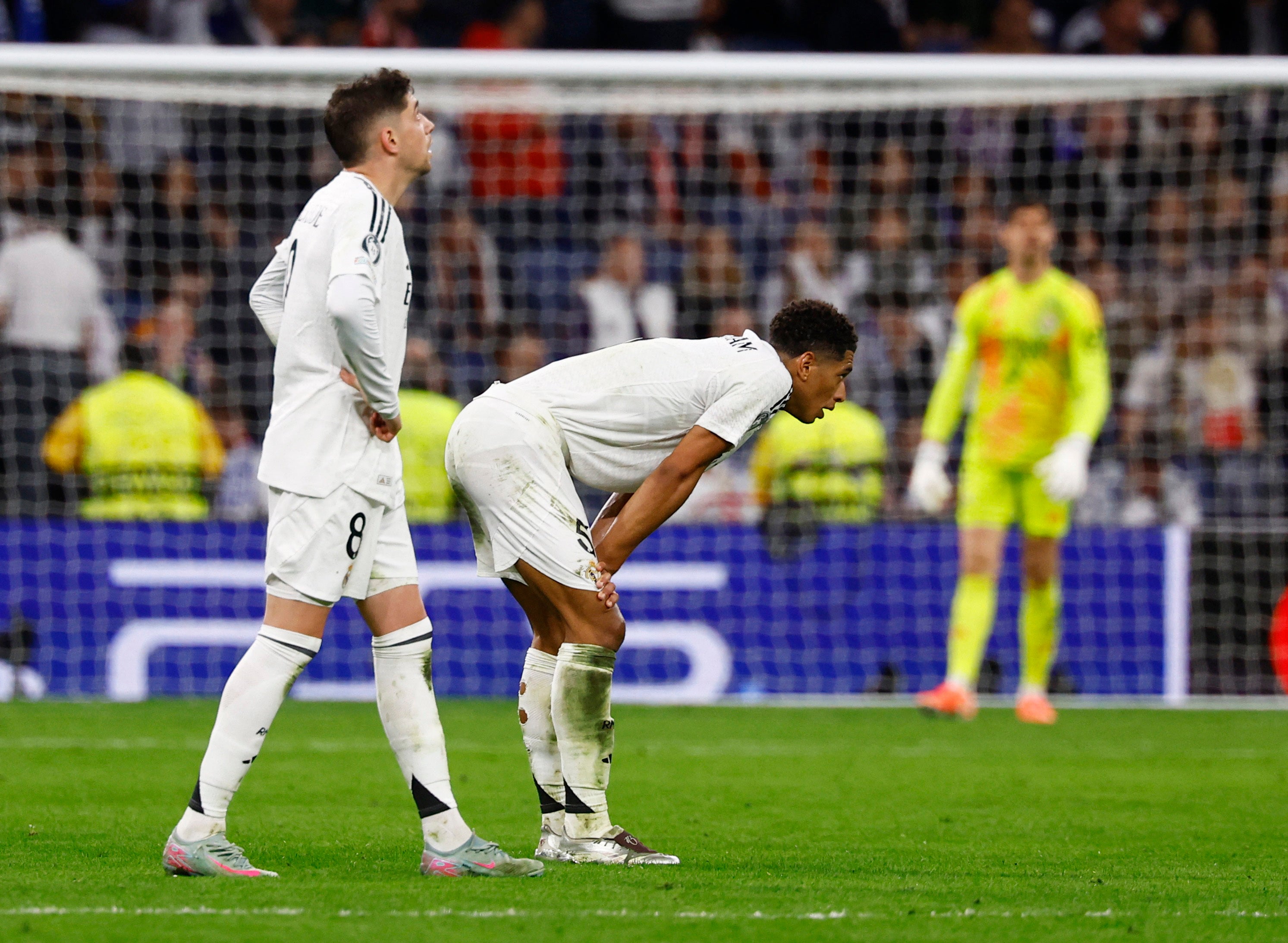
The second leg of the high-stakes European clash between Real Madrid and Arsenal is scheduled to take place on March 17, 2026, at the Santiago Bernabéu Stadium. Kick-off is set for 21:00 CET (20:00 GMT), serving as the decisive encounter to determine which club advances further in the prestigious 2026 UEFA Champions League knockout stages.
The Significance of the Second Leg
In the context of the UEFA Champions League, the "second leg" represents the conclusion of a two-match aggregate series. Unlike domestic league football, where teams play each other home and away throughout a season, the knockout format forces a concentrated tactical battle. With the first leg acting as the opening salvo, the second leg at the Santiago Bernabéu provides Real Madrid with the traditional advantage of home support—a factor that has historically been pivotal in European competition.
For Arsenal, traveling to Madrid for the final ninety minutes (or potentially more if extra time is required) presents a formidable challenge. The atmosphere in the Spanish capital is notoriously intense during Champions League nights, and the tactical preparation for such an event involves everything from squad rotation in the preceding league fixtures to specialized training for high-pressure penalty scenarios.
Venue and Stadium Logistics
The Santiago Bernabéu Stadium, located in Madrid, serves as the host for this encounter. As one of the most iconic football arenas in the world, the venue underwent extensive renovations in recent years to enhance fan experience, stadium capacity, and atmospheric density.
For fans planning to attend or watch from a distance, understanding the venue’s logistics is essential. Security protocols at the Bernabéu are strict, and supporters traveling from the United Kingdom—specifically those supporting Arsenal—must adhere to UEFA’s specific allocation guidelines. These guidelines dictate entrance gates, bag policies, and the designated sections for away fans. Because this is a high-demand fixture, tickets are typically distributed through official club portals, and the secondary market should be approached with extreme caution due to the prevalence of counterfeit passes for major European nights.
Understanding the Aggregate Format
The UEFA Champions League utilizes an aggregate scoring system. This means the result of the first leg and the second leg are added together to determine an overall winner.
| Scenario | Result Implications |
|---|---|
| Aggregate Win | The team with more goals over two legs advances to the next round. |
| Draw | If the aggregate score is level after 180 minutes, extra time (2 x 15 minutes) is played. |
| Penalties | If the score remains tied after extra time, the match is decided by a penalty shootout. |
| Away Goals | Important Note: The away goals rule was abolished by UEFA in 2021 and does not apply to this fixture. |
By eliminating the away goals rule, UEFA has effectively simplified the tactical requirement for the visiting team. Arsenal no longer has the incentive of "scoring to gain an advantage in a draw," meaning the game is strictly about winning or holding a lead. This often leads to more aggressive football in the second leg, as neither side can rely on a specific tie-breaker mechanism to bail them out of a draw.
Tactical Preparation and Expected Lineups
While official lineups are not confirmed until one hour before kick-off, the tactical setup for this match is expected to be a clash of philosophies. Real Madrid typically favors a transitional style, relying on world-class midfield control and clinical finishing. Arsenal, under their current management, focuses on a high-pressing game and structured positional play.
Technical analysts focus on several key areas when evaluating this second leg:
- Midfield Battle: The ability of the central midfielders to retain possession under pressure will dictate the tempo. If Real Madrid exerts control early, Arsenal may be forced to rely on counter-attacks.
- Defensive Stability: Since the aggregate score from the first leg will be known, the manager of the team currently in the lead will have to decide between "parking the bus" (defending deep) or continuing to play an expansive game to secure a cushion.
- Fitness and Fatigue: By mid-March, squad depth becomes a crucial asset. Managers will monitor player fatigue from domestic league commitments in the weeks leading up to this game, often substituting key players in weekend matches to ensure readiness for the Champions League stage.
How to Follow the Match
Broadcasting rights for the 2026 UEFA Champions League vary significantly by region. Fans in Spain generally access the match through domestic broadcasters such as Movistar+, while fans in the United Kingdom rely on TNT Sports or Amazon Prime Video, depending on the current contractual cycle.
If you are not located in either country, it is recommended to check the official UEFA broadcast partner list. Many fans attempt to utilize virtual private networks (VPNs) to access foreign streams, but this can violate the terms of service of the streaming provider and often results in connectivity issues during peak traffic times. Always prioritize official, high-definition streams to avoid the latency delays common in unofficial web broadcasts, which can be particularly frustrating when you receive "goal alerts" on your phone seconds before they appear on your screen.
Frequently Asked Questions
1. Does the away goal rule apply to this match? No. UEFA abolished the away goals rule for all club competitions starting in the 2021-2022 season. If the aggregate score is tied after the 90 minutes of the second leg, the match proceeds to extra time regardless of how many goals were scored away from home.
2. Where can I buy official tickets for the Real Madrid vs Arsenal 2nd leg? Official tickets should only be purchased through the Real Madrid club website or the UEFA ticketing portal. Avoid third-party resellers, as these tickets are frequently invalidated at the gate, and the club often revokes passes found on the black market.
3. What happens if the match goes to penalties? If the aggregate score is level after the conclusion of both regulation time and the 30 minutes of extra time, a penalty shootout will take place. Each team will take an initial five penalties, followed by "sudden death" if the score remains level after those five kicks.
4. Can I watch the match on public television? The Champions League is almost exclusively a subscription-based product. While local broadcasters may show highlights or summaries, the full live match typically requires a specific sports package subscription or a pay-per-view pass.
5. How early should I arrive at the Santiago Bernabéu? For Champions League knockout matches, it is highly recommended to arrive at the stadium at least 90 to 120 minutes before kick-off. Security checks are thorough, and the surrounding traffic in Madrid is usually congested on match days.
Recommendation for Match Day
If you are planning to watch this match, the best practice is to confirm your local broadcast provider at least 48 hours in advance. If you are attending in person, ensure your ticket is stored on your official device (if using digital ticketing) and carry a physical form of identification, as security may cross-reference your name with your ticket. For those watching at home, ensure your internet connection is stable; high-stakes European matches often see surges in traffic, and testing your stream early can help you avoid missing the opening minutes of this critical second leg.