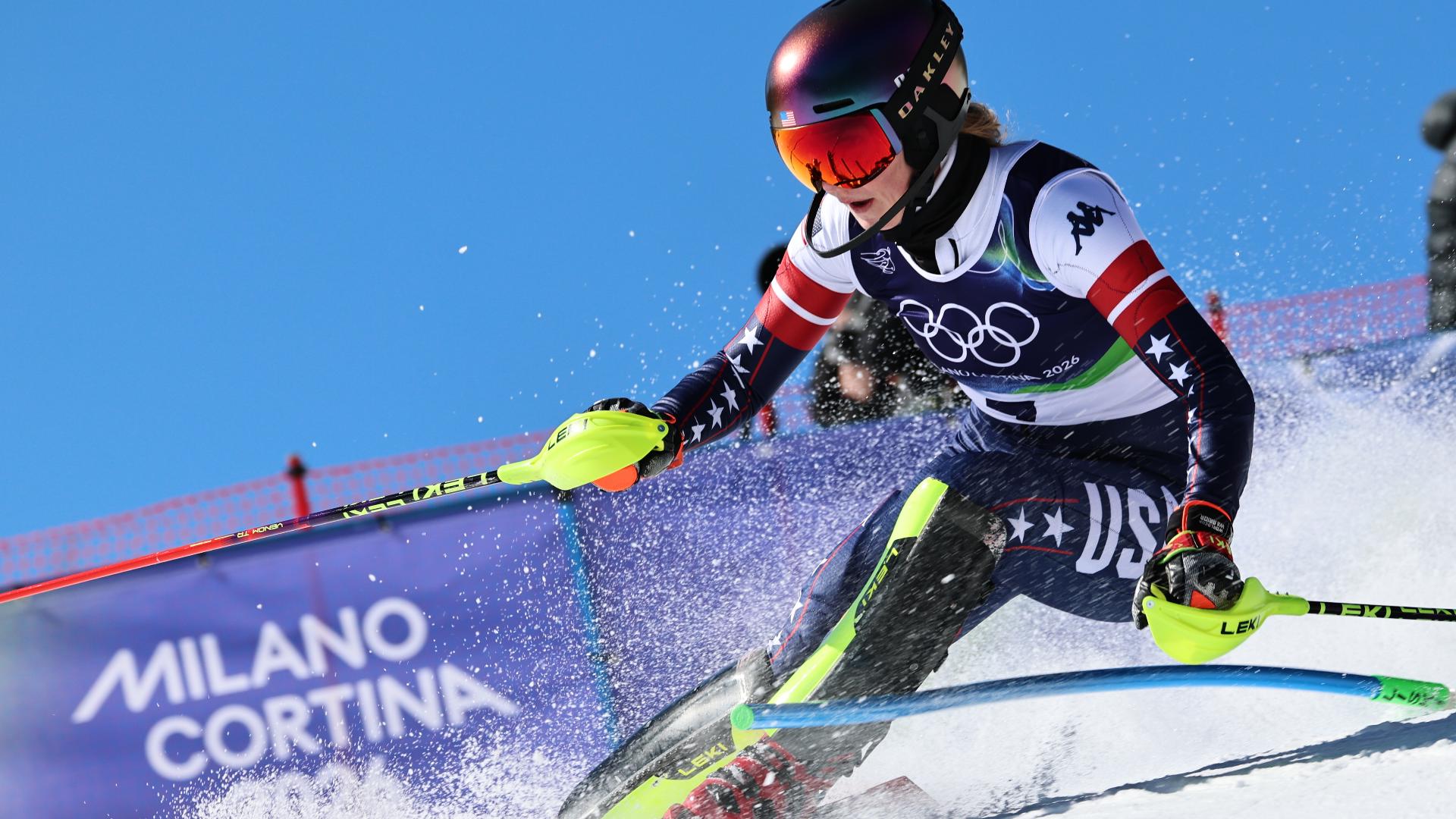
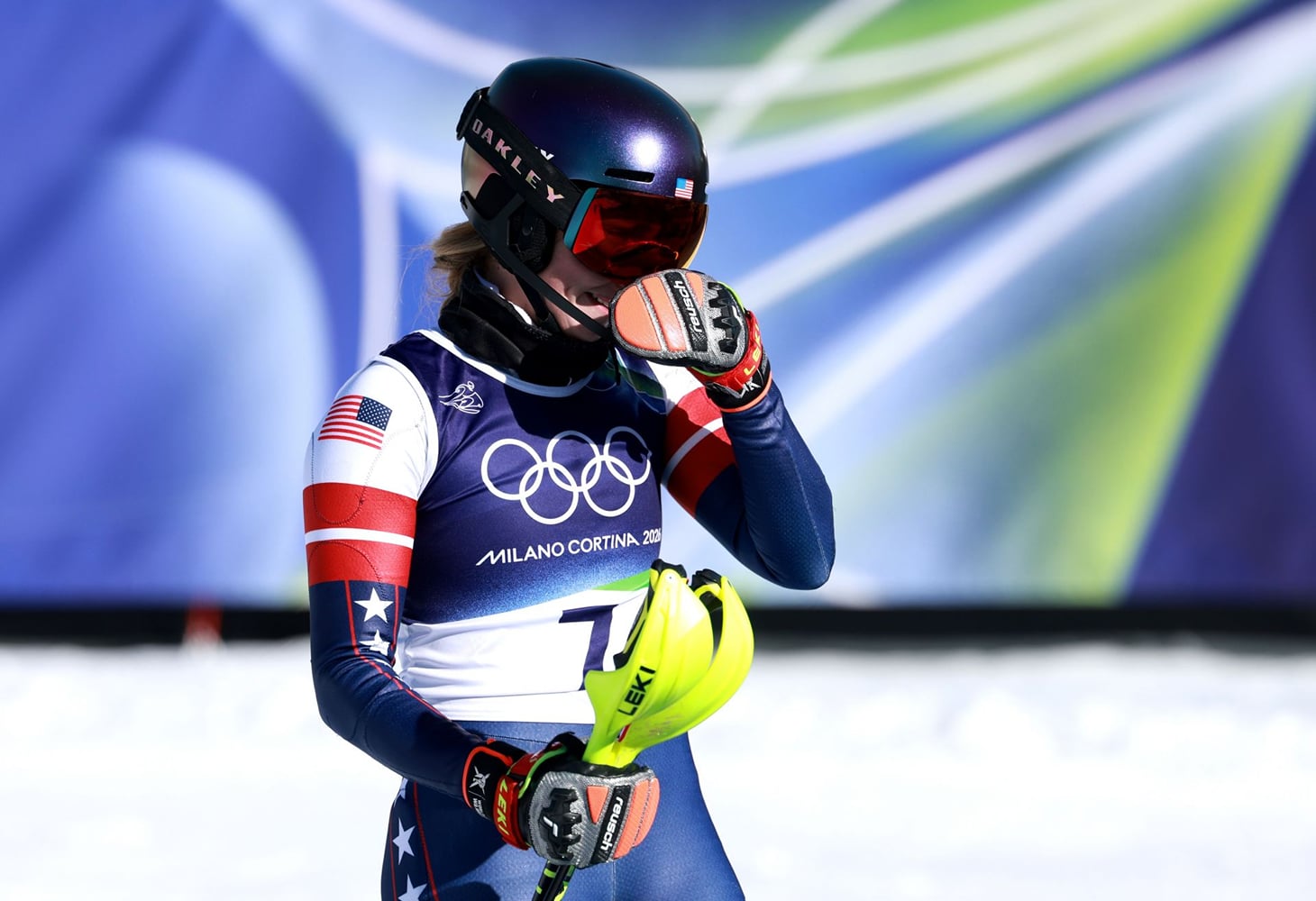
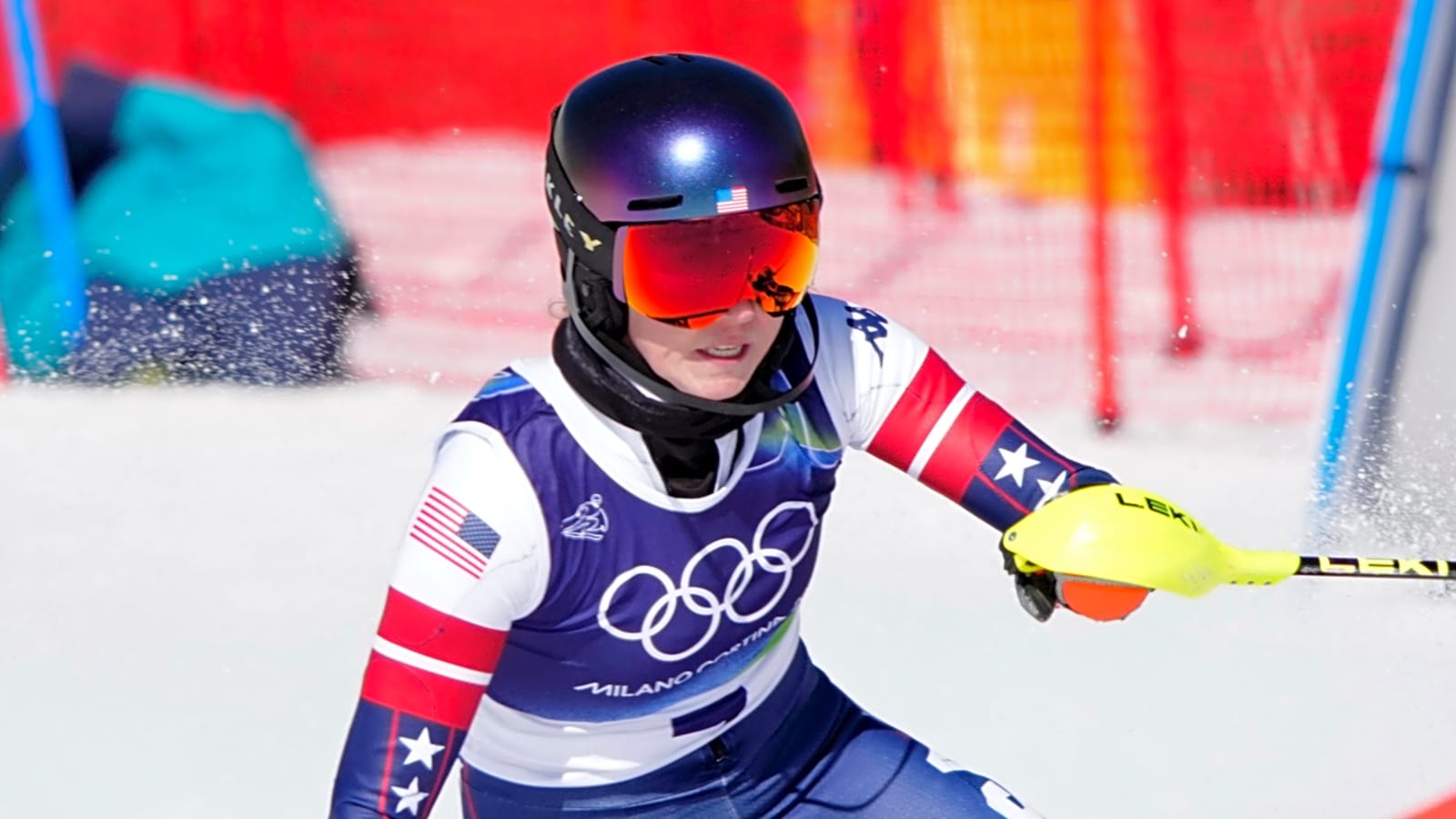
Entering the 2026 Winter Olympics in Milano Cortina, Mikaela Shiffrin is the primary contender for gold in the Slalom and Giant Slalom events. Following her challenges in Beijing 2022, her 2026 campaign at the Olympia delle Tofane venue represents a historic quest for her third career Olympic gold medal and a definitive solidification of her legacy as the greatest alpine skier of all time.
The Road to Milano Cortina: Shiffrin’s Standing in the 2025–2026 Season
As the 2026 Winter Games begin, the global focus is fixed on whether we will see at least 1 Mikaela Shiffrin gold medal in 2026. After the anomaly of the 2022 Beijing Games, where the world’s most decorated skier finished without a medal, the narrative surrounding her arrival in Italy is one of redemption and tactical precision. Shiffrin enters the 2026 season not just as a veteran, but as the undisputed statistical leader in alpine skiing history, having surpassed Ingemar Stenmark’s long-standing record of 86 World Cup victories years prior.
Her performance in the 2025–2026 World Cup circuit leading up to February has been characterized by a refined focus on her two strongest disciplines: Slalom and Giant Slalom (GS). By streamlining her schedule and selectively participating in Speed events (Super-G and Downhill), Shiffrin has prioritized physical longevity and peak mental acuity for the technical events in Cortina d’Ampezzo. This strategic withdrawal from a full multi-discipline schedule has allowed her to maintain a higher win percentage in her "bread and butter" events, making her the odds-on favorite for the Olympic podium.
Technical Analysis of the Cortina d’Ampezzo Tracks
The women’s alpine events for the 2026 Winter Olympics are hosted on the legendary Olympia delle Tofane in Cortina d’Ampezzo. This venue is intimately familiar to Shiffrin; she has seen significant success here during both World Cup stops and the 2021 World Championships. Understanding the technical requirements of this specific mountain is key to predicting her gold medal potential.
The Olympia delle Tofane Profile
The Tofane is known for its dramatic scenery and technical complexity. Unlike the artificial snow and aggressive terrain of Yanqing in 2022, the snow in Cortina is typically "classic" Alpine snow—often injected with water to create a rock-hard, icy surface that rewards perfect edge work and high-rebound turns.
- The Tofane Schuss: While primarily a feature of the Downhill course, the speed carried through the upper sections of the mountain influences the rhythm of the technical races. Shiffrin’s ability to "find the flow" in the transition sections is what separates her from pure technical specialists.
- The Stratofana Section: This technical mid-section requires rapid weight transfers and a very specific "short-swing" technique in the Slalom. Shiffrin’s 2026 equipment setup, specifically her customized Atomic Redster skis, is designed for the high-frequency vibrations found on this specific ice.
Snow Conditions and Equipment
In 2026, the snow preparation technology has reached a point where the "ice" is more consistent from the first racer to the thirtieth. For a skier of Shiffrin's caliber, a consistent surface is a massive advantage. Her technical team focuses on a 0.5-to-0.7-degree base edge bevel, providing the surgical precision needed to hold a line on the steep pitches of the Tofane while maintaining enough glide for the flatter exit towards the finish arena.
The 2026 Olympic Alpine Schedule: Key Dates for Gold
For fans and analysts tracking Shiffrin's progress, the 2026 calendar is structured to allow for recovery between her primary events. The following table outlines the expected window for her gold medal attempts in Cortina d'Ampezzo.
| Event | Location | Shiffrin's 2026 Status | Primary Technical Challenge |
|---|---|---|---|
| Giant Slalom | Olympia delle Tofane | Top Seed / Gold Favorite | Managing the high G-force "compression" turns |
| Slalom | Olympia delle Tofane | Top Seed / Gold Favorite | Maintaining "cross-under" speed in the flush gates |
| Super-G | Olympia delle Tofane | Potential Contender | Reading the "blind" terrain transitions |
| Team Combined | Bormio/Cortina | Possible Participant | Integrating speed and technical disciplines |
Note: Schedule is subject to weather-related shifts typical of the Dolomite region.
Competitive Landscape: The Rivals Standing in the Way
The pursuit of a gold medal in 2026 is not a solo journey. Shiffrin faces a field of competitors who have spent the last four years specifically tailoring their training to beat her technical precision.
The Slalom Rivalry: Petra Vlhova
The most enduring rivalry in women’s skiing continues into 2026. Slovakia’s Petra Vlhova remains the most significant threat to Shiffrin in the Slalom. Vlhova’s style is more aggressive and physical, which can be an advantage on the heavier spring snow that sometimes affects the later afternoon runs in Cortina. In contrast, Shiffrin’s style is more aerodynamic and efficient, often resulting in "quiet" upper bodies that preserve momentum better through the gates.
The Giant Slalom Threats
In the GS, the field has broadened. Italy's own Federica Brignone and Marta Bassino have the home-court advantage. They are intimately familiar with the "fall line" of the Tofane and the specific lighting conditions (the "shadow play") that can make visibility difficult during the second run as the sun dips behind the Tofane peaks. Additionally, younger talents from the Swiss and Austrian teams have emerged in the 2025 season, utilizing newer carving techniques that prioritize wider stances and more aggressive tip engagement.
Technical Depth: How Shiffrin Wins in 2026
To understand how a gold medal is won at this level, one must look at the "splits"—the timed intervals between gates. Shiffrin’s dominance in 2026 is built on three technical pillars:
- Early Pressure: Shiffrin is known for initiating her turn earlier than almost any other racer. By the time she passes the gate, she is already finishing her turn and pointing her skis toward the next one. This "early line" reduces the total distance traveled and minimizes the "chatter" or skidding of the skis.
- Ankle Flexion: Her ability to maintain extreme ankle flexion allows her to keep her center of gravity forward, even when hitting ruts or inconsistencies in the ice. This prevents the "back-seat" position that caused many of the DNFs (Did Not Finishes) seen in the Beijing 2022 races.
- Mental Resilience: The psychological aspect of the 2026 Games cannot be overstated. Working with her support team, Shiffrin has adopted a "process-oriented" approach rather than a "medal-oriented" one. This mental shift is designed to insulate her from the immense pressure of being the face of the 2026 Winter Olympics.
Historical Context: From Sochi to Milano Cortina
Mikaela Shiffrin’s Olympic journey has been a study in evolution. In 2014 (Sochi), she was the teenage phenom who won Slalom gold. In 2018 (Pyeongchang), she was the established star winning Giant Slalom gold and Combined silver. The 2022 (Beijing) Games served as a pivot point, proving that even the greatest can face unexpected hurdles under extreme environmental and psychological conditions.
In 2026, we are seeing the "Third Act" of her Olympic career. This is no longer about proving she is the best; it is about the mastery of the sport. A gold medal in 2026 would make her one of the few alpine skiers in history to win Olympic gold across three different decades, joining a rarefied group of athletes who maintained peak performance for over 12 years.
Common Obstacles and Troubleshooting the 2026 Campaign
Even for the #1 ranked skier, the 2026 Games present significant risks that could derail a gold medal bid:
- Visibility (Flat Light): Cortina is notorious for "flat light" in the afternoons. When the clouds roll in, the lack of contrast on the snow makes it nearly impossible to see the micro-bumps. Shiffrin’s team uses specialized high-contrast lens tints (often rose or orange bases) to mitigate this, but it remains a variable.
- The "Hometown" Pressure: Being the most famous name in the village can be exhausting. Shiffrin’s management typically secures private housing away from the main Olympic village to ensure her sleep cycles and nutritional needs are strictly controlled during the 16-day window.
- Course Setting: The Olympic courses are set by different coaches for each run. A "tight" setting by an opposing coach (like the Slovakian or Italian coaches) can favor Vlhova’s physical style over Shiffrin’s rhythmic style. Shiffrin must adapt her turn radius in real-time during her inspection.
Frequently Asked Questions
How many gold medals does Mikaela Shiffrin have going into the 2026 Olympics?
Entering the 2026 Games, Mikaela Shiffrin has two Olympic gold medals (2014 Slalom and 2018 Giant Slalom). She also holds one silver medal from the 2018 Alpine Combined. Her pursuit in 2026 is for her third (and potentially fourth) career Olympic gold.
Which event is Shiffrin's best chance for gold in 2026?
The Slalom remains her strongest discipline. While the Giant Slalom is also a high-probability event, her technical mastery and historical win rate in the Slalom make it the most likely source of a gold medal. Her ability to navigate the rapid-fire gate sequences of the Tofane course is unmatched in the current field.
Will Shiffrin compete in the Speed events in 2026?
While Shiffrin has the skill to win in Super-G, her 2026 strategy appears focused on the technical events. She may enter the Super-G if her physical condition and the weather forecast are optimal, but it is considered a secondary objective to the Slalom and Giant Slalom gold medals.
What equipment does Mikaela Shiffrin use for the 2026 Olympics?
Shiffrin continues her long-standing partnership with Atomic. She uses the Redster line of skis and boots. For the 2026 Games, her setup includes specific "Cortina-tuned" skis that are optimized for the high-vibration, high-ice conditions typical of the Olympia delle Tofane venue.
How has the 2026 venue changed from previous years?
The Olympia delle Tofane has undergone minor safety upgrades and snow-making infrastructure improvements for 2026. The most significant change is the refined snow-injection protocols, which aim to create a more durable surface that remains fair for the entire field, regardless of start position.
Final Recommendation for Following the 2026 Games
To fully appreciate the magnitude of Mikaela Shiffrin's 2026 campaign, viewers should focus on the first run of the Giant Slalom. This race often sets the tone for her entire Olympic appearance. Watch specifically for her "line" through the mid-section gates; if she is taking a tighter, more direct route than her competitors without losing edge grip, it is a strong indicator that she is on her way to a gold medal. For real-time updates and technical split-time analysis, the FIS (International Ski Federation) Live Timing app remains the gold standard for tracking her performance gate-by-gate.