The primary issue with 2-hydroxybenzoic acid—commonly known as salicylic acid—in consumer products is its inherent chemical instability when formulated in complex, aqueous environments, which often leads to unintended degradation, precipitation, or loss of efficacy over time. This instability complicates the manufacturing, storage, and shelf-life requirements for a wide range of skincare, pharmaceutical, and cosmetic formulations.
The Chemistry of 2-Hydroxybenzoic Acid
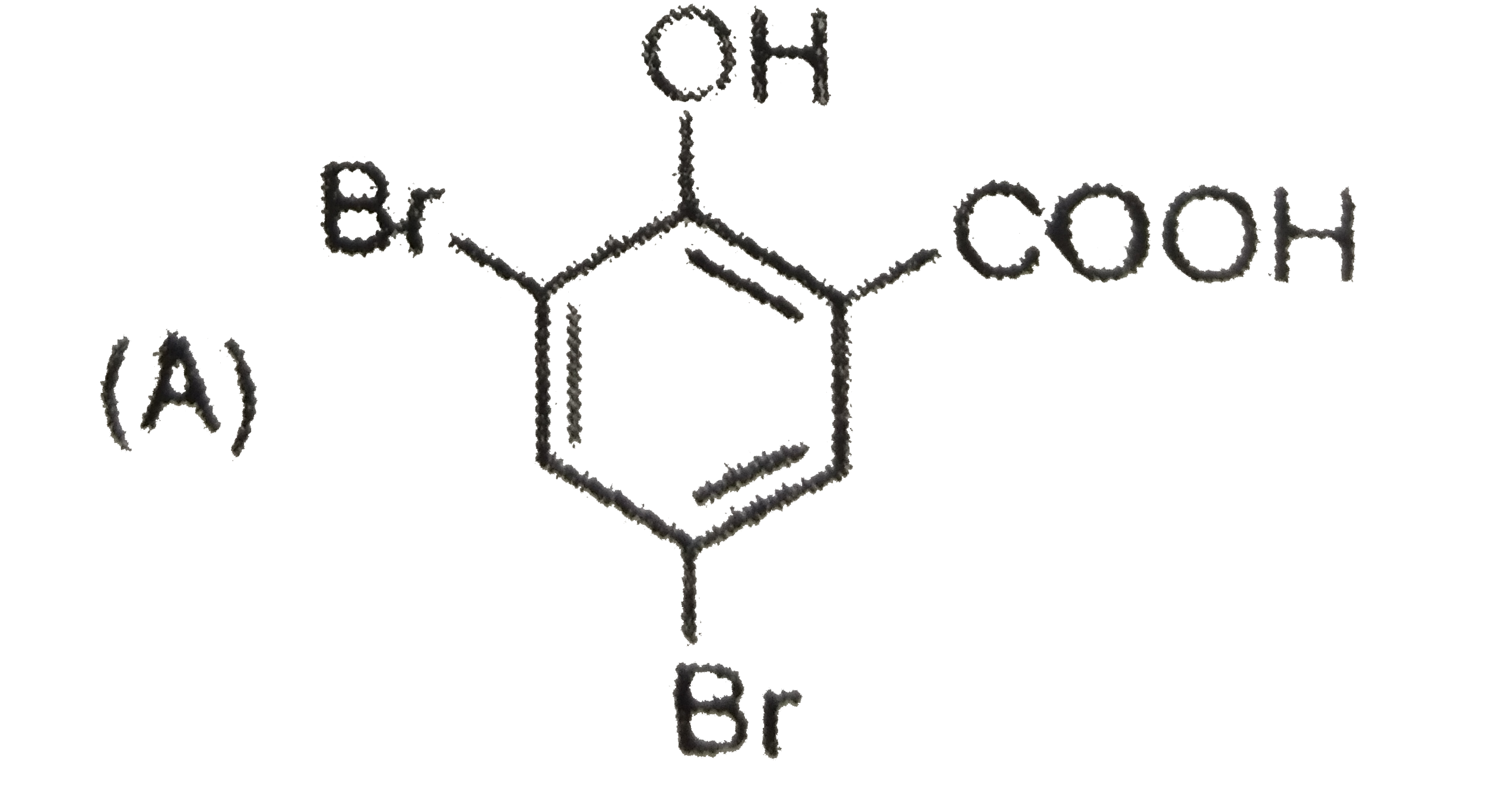
2-Hydroxybenzoic acid, formally designated as salicylic acid, is a beta-hydroxy acid (BHA) widely utilized for its keratolytic, comedolytic, and anti-inflammatory properties. At a molecular level, the compound consists of a benzene ring with a hydroxyl group (-OH) adjacent to a carboxylic acid group (-COOH). This specific structure is what grants the molecule its biological activity, but it also creates the susceptibility to chemical fluctuations when integrated into the diverse matrices of modern consumer goods.
In its pure, crystalline form, salicylic acid is relatively stable. However, when manufacturers dissolve it into emulsions, gels, or creams, the molecule interacts with the surrounding ingredients—surfactants, preservatives, and pH adjusters—which can disrupt its molecular state. Because consumer products are expected to maintain chemical integrity for 24 to 36 months, this degradation represents a significant engineering hurdle for product chemists and formulators.
The Core Problem: Precipitation and Crystal Growth
The most prevalent technical issue encountered with 2-hydroxybenzoic acid in consumer products is its propensity to precipitate out of solution, manifesting as visible crystal growth. Salicylic acid has limited solubility in water (approximately 2.4 g/L at 25°C). While manufacturers often use solubilizing agents or alcohol-based solvents to hold it in a liquid phase, shifts in temperature during shipping and storage frequently trigger crystallization.
When temperatures drop, the solubility of the acid decreases. If the concentration of salicylic acid is near its saturation point, the molecules will aggregate and form crystalline structures. These precipitates are not only aesthetically unappealing to consumers, but they also significantly alter the product’s performance. A product that has crystallized has a lower concentration of active, dissolved salicylic acid, meaning the end-user receives a dose that is potentially lower than the labeled claim, or worse, unevenly distributed.
Impact of pH and Thermodynamic Equilibrium
The effectiveness and stability of 2-hydroxybenzoic acid are highly dependent on the pH of the formulation. As a weak acid with a pKa of approximately 2.97, its dissociation is governed by the Henderson-Hasselbalch equation.
Why pH Control is Difficult
- Protonation States: At lower pH levels (typically below 3.5), the salicylic acid remains in its protonated, non-ionized form, which is essential for skin penetration and biological activity.
- Buffering Conflicts: Many consumer products require a higher pH (e.g., pH 5.0 to 5.5) to remain gentle on the skin barrier. At these higher levels, the salicylic acid begins to ionize, which significantly changes its solubility profile and can lead to destabilization of the entire emulsion.
- Ingredient Interference: The addition of other active ingredients, such as retinoids or niacinamide, requires strict pH control. These ingredients often demand different environments than salicylic acid, leading to a "tug-of-war" in the formulation that frequently forces the salicylic acid out of its ideal chemical state.
Secondary Concerns: Degradation and Oxidation
Beyond physical precipitation, 2-hydroxybenzoic acid is susceptible to light-induced degradation. When exposed to ultraviolet (UV) radiation or high-intensity ambient light, the molecule can undergo photo-chemical reactions, leading to the formation of byproducts such as phenol or other oxidized derivatives.
In transparent packaging, this degradation is accelerated. Consumers may notice a subtle yellowing of the product over time, which is a hallmark signal that the chemical composition is no longer consistent with the original batch specifications. While these degradation products are generally present in minute concentrations, they raise concerns regarding the product’s long-term safety profile and irritation potential, particularly for individuals with sensitive skin.
Table: Common Formulation Challenges with Salicylic Acid
| Challenge Category | Cause | Resulting Impact |
|---|---|---|
| Physical | Temperature fluctuations | Precipitation and crystal growth |
| Chemical | pH variability | Reduced keratolytic efficacy |
| Photochemical | Exposure to light/UV | Discoloration and byproduct formation |
| Microbial | Interaction with preservatives | Reduced shelf-life efficacy |
Manufacturing and Formulation Best Practices
To combat the inherent instability of 2-hydroxybenzoic acid, formulators utilize several high-level technical strategies. Understanding these methods helps consumers evaluate the quality of the products they purchase.
Solubilization Techniques
Engineers often incorporate hydrotropes or specialized surfactants that act as "cradles" for the salicylic acid molecules. By creating micro-emulsions or utilizing liposomal delivery systems, manufacturers can keep the acid suspended in the matrix even when the temperature drops, effectively preventing the formation of large, visible crystals.
Micro-Encapsulation
A more modern approach involves micro-encapsulation. By trapping the 2-hydroxybenzoic acid within protective polymer shells or lipid-based spheres, manufacturers can shield the molecule from the rest of the formulation’s ingredients. This prevents the pH fluctuations of the surrounding medium from affecting the salicylic acid, allowing for a controlled, time-released application on the skin.
Packaging Integrity
To address light-induced degradation, high-quality products are almost exclusively packaged in opaque or UV-shielded materials. This simple, non-chemical intervention is one of the most effective ways to preserve the molecular integrity of the acid. Consumers should be wary of skincare products containing high concentrations of salicylic acid that are sold in clear glass or thin plastic containers.
Assessing Consumer Product Quality
When selecting products containing 2-hydroxybenzoic acid, the consumer can look for specific indicators of a well-formulated product.
- Ingredient List Order: The placement of salicylic acid in the ingredient list relative to solubilizers is a clue. If the product is mostly water, it likely contains significant amounts of stabilizers to prevent the acid from crashing out.
- Texture and Clarity: While some high-performance products may have a slightly cloudy appearance due to complex stabilization technology, large "snow-like" flakes or gritty particles are a clear indication that the product has undergone phase separation.
- Labeling: Look for mentions of "encapsulated" or "sustained-release," as these indicate that the manufacturer has actively addressed the stability issues associated with the ingredient.
Regulatory and Safety Considerations
In 2026, regulations regarding salicylic acid remain consistent with global safety standards. Most jurisdictions limit the concentration of salicylic acid in rinse-off products to 2% and strictly regulate its use in leave-on products to prevent systemic absorption.
The instability of the acid is not just a commercial issue; it is a regulatory one. If a product becomes unstable, the concentration of the active ingredient may shift, potentially taking it outside the safety parameters defined by dermatological boards. Therefore, rigorous stability testing—often involving "freeze-thaw" cycles and forced degradation studies—is required before any product containing 2-hydroxybenzoic acid can be brought to market.
Frequently Asked Questions
Why does my salicylic acid gel look cloudy?
Cloudiness is often a sign of initial-stage crystallization. If the product was exposed to cold temperatures during shipping, the solubility of the acid may have been temporarily exceeded. In many cases, gentle warming to room temperature may resolve the cloudiness, but if the crystallization persists, the product's uniformity is compromised.
Does the loss of salicylic acid potency make the product unsafe?
Not necessarily, but it makes it ineffective. The primary risk of an unstable product is that the active ingredient may no longer function as intended, leading to a waste of money. However, if the product has separated significantly, the pH balance may also have shifted, which could lead to unexpected skin irritation.
Can I store my salicylic acid products in the bathroom?
It is generally recommended to store these products in a cool, dark, and dry place. Bathrooms often experience significant humidity and temperature fluctuations (from hot showers), which are the primary environmental triggers for the degradation and crystallization of 2-hydroxybenzoic acid.
What is the difference between salicylic acid and BHA?
They are one and the same. Salicylic acid is the chemical name for a specific beta-hydroxy acid. The term "BHA" is often used in marketing to denote its function as an oil-soluble chemical exfoliant.
Is it normal for salicylic acid products to smell different over time?
A slight change in scent can occur as the formula ages. However, if the smell becomes sharp or pungent, it may indicate that the molecule has degraded into its constituent parts, such as phenol. If you notice a distinct, unpleasant odor, it is best to discontinue use.
Recommended Next Steps for Consumers
If you are currently using a product containing 2-hydroxybenzoic acid, perform a quick quality assessment. Check the container for any signs of crystallization or sediment at the bottom of the bottle. If the product has remained in a consistent, uniform state, it is likely that the manufacturer utilized adequate stabilization technology.
To maintain the product's integrity until the end of its shelf life, keep the cap tightly closed to prevent moisture intake and store the container away from direct sunlight and heat sources. If you notice significant physical changes in your product, it is recommended that you contact the manufacturer’s customer service department to confirm if your specific batch was affected by storage or manufacturing issues. When in doubt, prioritize products that use opaque, airless pump packaging, as these provide the highest level of protection against both the degradation and precipitation issues discussed.