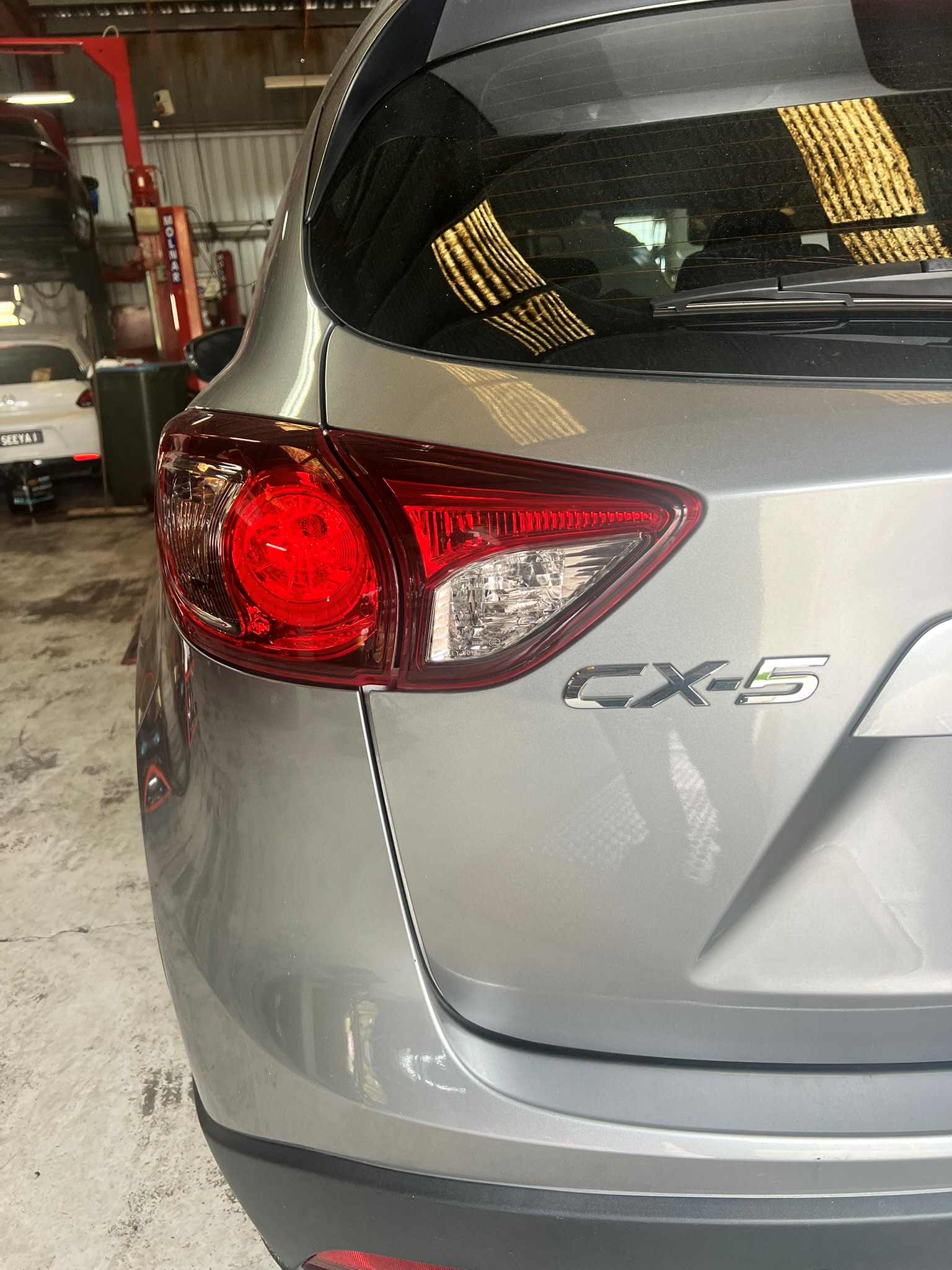
When exploring the engineering and real-world performance of the Mazda CX-5 diesel, owners and prospective buyers frequently focus on a single, well-documented mechanical issue: carbon buildup within the intake tract and fuel system. While the SkyActiv-D 2.2-liter diesel engine is praised for its impressive torque, high fuel efficiency, and refined driving dynamics, this specific phenomenon requires proactive maintenance and technical understanding to prevent premature component wear, reduced engine performance, and unexpected fault codes.
Introduction to the Mazda CX-5 Diesel and the SkyActiv-D Engine
The Mazda CX-5 has established itself as one of the most engaging compact crossovers on the global market, blending premium interior design with sharp handling. When Mazda introduced the 2.2-liter SkyActiv-D twin-turbo diesel engine to various markets—including Europe, Australia, and eventually North America for the 2019 model year—it represented a unique approach to diesel engineering. Eschewing the massive displacement or heavy emissions tricks of some competitors, Mazda utilized an exceptionally low compression ratio (14.0:1) to optimize combustion efficiency, reduce nitrogen oxide emissions, and lower mechanical stress on the engine block.
Despite these innovative design choices, modern diesel engines operate in a tightly regulated, highly complex mechanical environment. They rely heavily on sophisticated emissions control systems, Exhaust Gas Recirculation (EGR) valves, diesel particulate filters (DPF), and high-pressure common-rail fuel injection. Over time, the interaction between exhaust gases, unburnt hydrocarbons, and engine oil vapors creates an environment prone to soot accumulation. Among the various quirks and maintenance requirements associated with this powerplant, excessive carbon buildup in the intake manifold and around the intake valves stands out as the single most critical mechanical hurdle for owners to navigate.
The Core Issue: Intake Carbon Buildup
The primary mechanical concern plaguing the Mazda CX-5 diesel is heavy carbon deposition within the intake tract. To understand why this happens, it is necessary to examine how modern diesel emissions management works in daily driving conditions.
The Mechanism of Soot Accumulation
In any internal combustion engine, blow-by gases pass through the crankcase ventilation system (PCV) back into the intake airstream to be re-burned. In a diesel engine, these crankcase vapors mix with microscopic soot particles that are reintroduced into the intake manifold via the EGR valve. The EGR system routes a portion of the exhaust gases back into the cylinders to lower combustion temperatures and reduce harmful emissions.
When hot exhaust gases containing soot mix with oil vapor circulating through the cooler intake manifold, they form a thick, tar-like black sludge. This sludge adheres to the inner walls of the intake manifold runners, the tumble swirl valves, and—most critically—the back of the intake valves. As layers of this carbon deposit bake onto the metal surfaces over thousands of miles, the effective diameter of the intake runners shrinks, and the intake valves fail to seat or open correctly.
- Exhaust Gases & Soot
- Routed to EGR Valve
- Combined with Crankcase Vapors (PCV)
- Enters Intake Manifold
- Results in Carbon Sludge Formation
- Enters Intake Manifold
- Combined with Crankcase Vapors (PCV)
- Routed to EGR Valve
- Fresh Intake Air
- Enters Intake Manifold directly
Symptoms of Severe Carbon Buildup
Because carbon accumulation happens gradually, drivers rarely notice an overnight change in vehicle behavior. Instead, the degradation occurs over tens of thousands of miles, leading to a subtle loss of responsiveness that eventually crosses into distinct mechanical symptoms:
- Loss of Power and Sluggish Acceleration: Restricted airflow starves the cylinders of oxygen, reducing combustion efficiency and causing the vehicle to feel slow or heavy under throttle.
- Rough Idling and Engine Vibration: When intake valves cannot close completely due to hardened carbon chunks, compression drops in individual cylinders, leading to a noticeable shudder or miss while idling.
- Check Engine Light and Diagnostic Trouble Codes (DTCs): Engine control units (ECUs) monitor manifold pressure, airflow rates, and throttle position. Discrepancies caused by blocked passages trigger fault codes related to manifold absolute pressure (MAP) sensors or insufficient EGR flow.
- Increased Fuel Consumption: As the engine fights against restricted breathing to maintain speed, fuel efficiency begins to decline noticeably.
- Limp Mode: In severe, neglected cases, the engine computer limits power output to protect internal components from thermal stress or erratic combustion.
Contributing Factors and Driving Habits
Not all Mazda CX-5 diesel vehicles experience carbon buildup at the same rate. Driving style, fuel quality, and operational context play a monumental role in determining how quickly soot accumulates within the intake tract.
The Impact of Short Trips
Modern diesel engines are fundamentally designed for long-distance, sustained highway travel. During extended drives, the engine reaches its optimal operating temperature, and the exhaust system gets hot enough to initiate passive regeneration of the diesel particulate filter (DPF). Conversely, frequent short urban commutes—where the engine barely reaches operating temperature—prevent the exhaust system from reaching the thermal threshold required to burn off accumulated particulate matter. This forces frequent active regenerations, introduces more fuel into the oil, and accelerates soot production.
Fuel Quality and Oil Dilution
The quality of diesel fuel directly affects combustion byproducts. Low-grade diesel or fuel contaminated with moisture and sulfur can increase particulate output. Furthermore, frequent failed DPF regenerations cause excess diesel fuel to wash past the piston rings and into the engine oil pan. This phenomenon, known as oil dilution, raises the oil level above the maximum dipstick mark, degrades lubrication properties, and accelerates wear on the valvetrain and turbochargers. Consequently, Mazda CX-5 diesel owners must monitor their engine oil levels regularly and perform oil changes more frequently than standard gasoline intervals dictate.
Comparison of Maintenance Solutions
Addressing carbon buildup requires targeted intervention. Depending on the severity of the blockage, owners and technicians utilize several distinct methods to restore engine breathing.
| Solution Method | Best Used For | Estimated Cost | Pros | Cons |
|---|---|---|---|---|
| Chemical Intake Cleaners | Preventive maintenance; mild buildup | Low ($50 - $150) | Easy to apply; inexpensive; can be done at home | Ineffective against heavy, hardened carbon; potential risk of hydro-locking if misused |
| Walnut Shell Blasting | Moderate to severe buildup | Medium ($300 - $800) | Thoroughly cleans intake ports and valves without engine teardown; safe on metal | Requires specialized media-blasting equipment and intake manifold removal |
| Manual Scraping & Chemical Soak | Extreme buildup with stuck swirl flaps | High ($800 - $1,500+) | 100% removal of all deposits; allows physical inspection of mechanical flaps | Labor-intensive; requires complete disassembly of the intake manifold and fuel rail components |
Preventive Strategies for Long-Term Reliability
Mitigating the risk of severe carbon buildup requires a disciplined approach to vehicle ownership and operation. Implementing these practices can significantly extend the intervals between deep mechanical cleanings.
1. Prioritize Extended Highway Drives
Ensure the vehicle is taken on a sustained highway journey of at least 30 to 45 minutes at speeds above 50 mph (80 km/h) at least once every week or two. This allows the exhaust gas temperatures to rise sufficiently, promoting natural emissions clean-out and preventing premature DPF saturation.
2. Strict Oil Maintenance Intervals
Never stretch oil change intervals on a SkyActiv-D engine. Fresh, high-specification low-ash synthetic oil (meeting Mazda's exact JASO DL-1 or approved ACEA standards) protects the turbochargers and reduces the volatility of crankcase vapors entering the intake stream. Check the oil level monthly to catch fuel dilution before it causes catastrophic engine damage.
3. Use High-Quality Fuel and Fuel Additives
Source diesel from high-volume stations known for clean fuel storage. Periodically using reputable diesel fuel additives designed to clean fuel injectors and improve combustion efficiency can help minimize soot output at the source.
Frequently Asked Questions
How often should the intake manifold be cleaned on a Mazda CX-5 diesel?
There is no fixed factory schedule for intake cleaning, as it depends heavily on driving conditions. However, many specialist technicians recommend inspecting the intake manifold and valves via borescope every 40,000 to 60,000 miles, with physical cleaning typically required between 60,000 and 100,000 miles.
Can carbon buildup cause engine failure?
If left unchecked for an extended period, hardened carbon chunks can break off and enter the combustion chamber, potentially damaging piston crowns or valve seats. Additionally, severe restriction of the intake system can lead to chronic overheating, oil dilution failure, and permanent turbocharger damage.
Is the Mazda CX-5 diesel affected by injector issues?
While carbon buildup is the most common primary complaint, the piezo injectors in the SkyActiv-D engine can occasionally suffer from sealing washer degradation (commonly referred to as copper washer failure). This allows combustion gases to escape into the crankcase, forming oil sludge that blocks the oil pickup screen and starves the engine of oil pressure.
Does installing an oil catch can prevent carbon buildup?
An oil catch can intercepts crankcase vapors and separates oil droplets before they enter the intake manifold. While this significantly reduces the formation of wet sludge, it does not completely eliminate carbon buildup because exhaust soot is still introduced via the EGR valve. However, it remains a popular preventative modification among diesel enthusiasts.
Are there any factory recalls addressing this issue?
Mazda has issued various technical service bulletins (TSBs) and software updates over the years to recalibrate EGR operation, adjust DPF regeneration parameters, and refine fuel injection strategies. Owners should check with their local dealership using their Vehicle Identification Number (VIN) to ensure all relevant software updates have been applied.
Final Recommendations for Owners
Managing the ownership experience of a Mazda CX-5 diesel comes down to understanding its specific operational requirements. If you primarily drive short distances in stop-and-go city traffic, a diesel crossover is generally ill-suited for your lifestyle, and a gasoline variant will provide a more trouble-free ownership experience. However, if your daily commute involves long highway stretches and you are committed to rigorous fluid maintenance, monitoring oil levels, and performing periodic intake inspections, the Mazda CX-5 diesel delivers exceptional cruising comfort and fuel economy. Pay close attention to early signs of power loss or rough idling, address fault codes promptly, and rely on experienced technicians familiar with modern common-rail diesel architecture to keep the engine operating at peak efficiency.