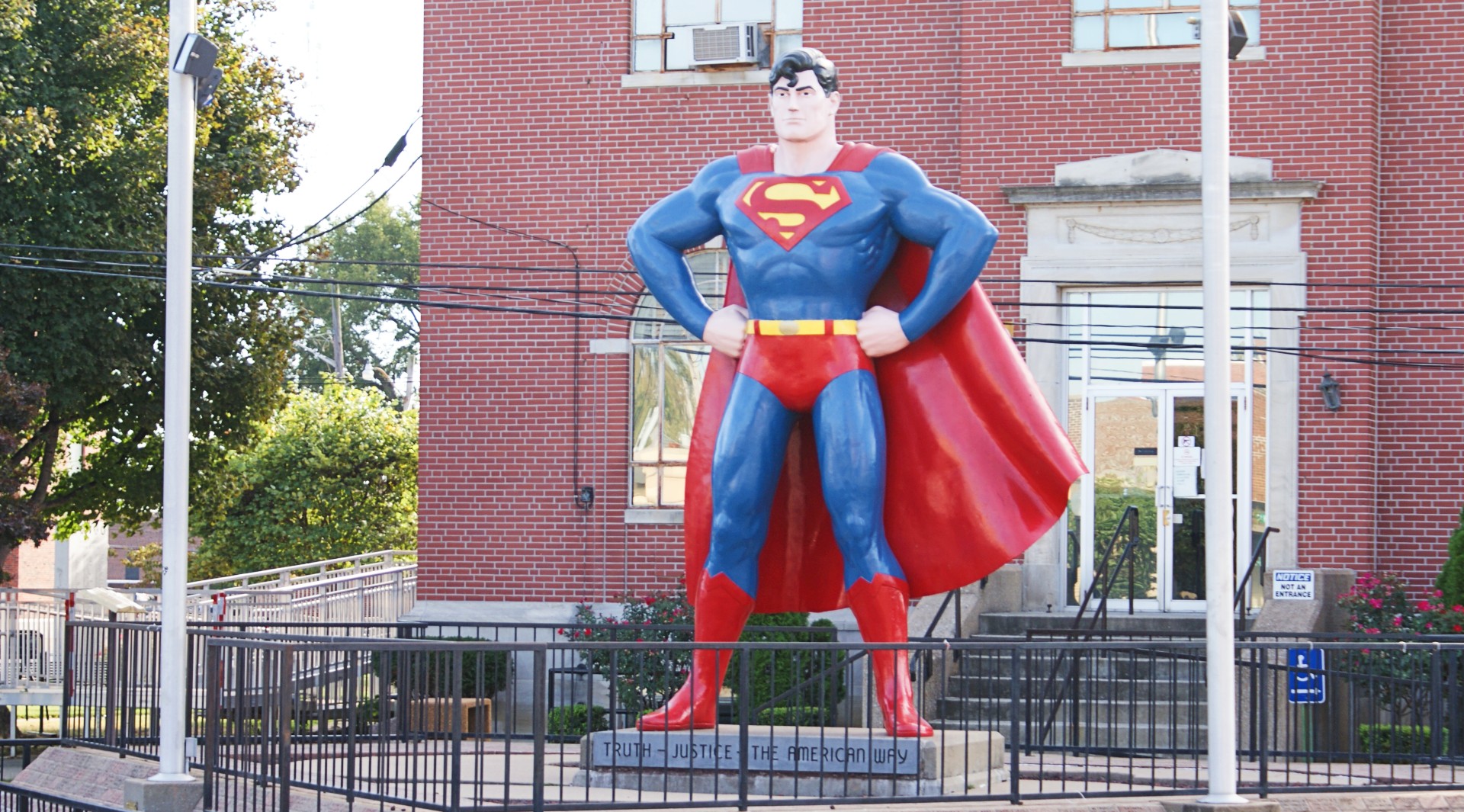
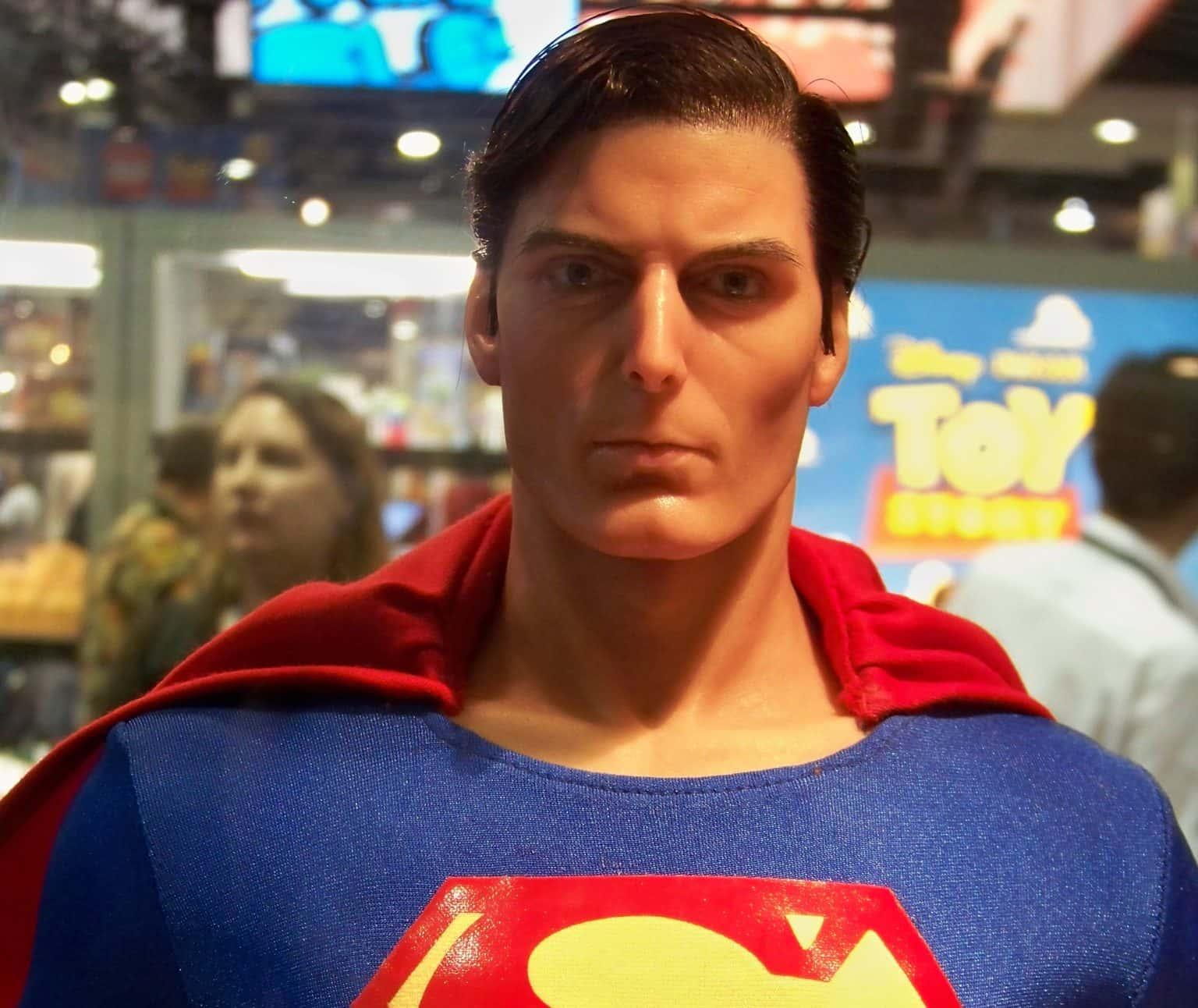
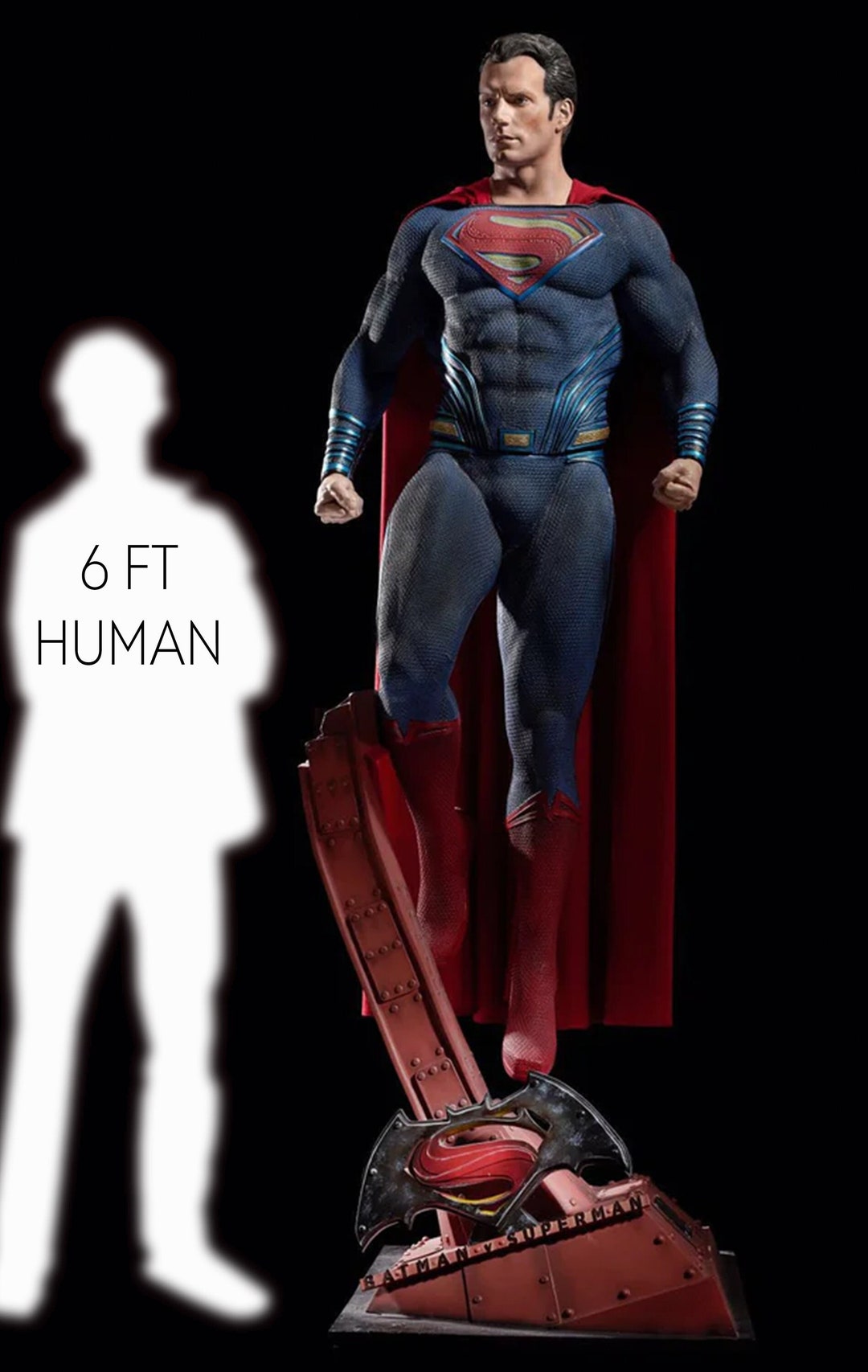
There are no authentic, real-life photographs of Superman, because Superman is a fictional comic book superhero created by writer Jerry Siegel and artist Joe Shuster in 1938. While millions of artistic illustrations, movie stills, and costumed photographs of actors exist in real life, they capture fictional media adaptations rather than a living person with extraterrestrial superpowers.
The enduring cultural footprint of the Man of Steel often blurs the line between fiction and reality in the minds of curious fans, casual observers, and internet searchers. When people ask whether there are pictures of Superman in real life, they usually mean one of three things: historical photographs of real men who inspired the character, genuine pictures of actors in cinematic or television costumes, or viral internet hoaxes claiming to show a real-life Kryptonian. Examining the verifiable origins of the character, the evolution of visual media, and the reality of comic book lore provides complete clarity on what actually exists in our world.
The Fictional Nature of Superman and Visual Media
To understand why real-life photographs of Superman do not exist, it is necessary to trace the origins of the character. Superman first appeared in Action Comics #1, published in June 1938. Jerry Siegel and Joe Shuster conceived the character while living in Cleveland, Ohio, drawing heavy inspiration from pulp fiction heroes of the 1930s, mythological figures like Hercules and Samson, and early science fiction archetypes.
Because Superman was conceptualized and drawn on paper, every early depiction of him exists exclusively as ink, watercolor, and printed newsprint. As the character transitioned from comic books into newspaper strips, radio serials, movie serials, and eventually blockbuster feature films, visual representations shifted from hand-drawn illustrations to photographic images of human actors wearing custom-designed costumes.
However, an actor wearing a costume on a Hollywood soundstage is portraying a fictional character. While a photograph of Christopher Reeve in the 1978 Superman film exists in the physical world, that photograph captures a cinematic production, not a real-life superhero flying through the clouds over Metropolis. Distinguishing between photographic representations of actors and authentic documentation of a real person is critical when evaluating visual media related to fictional characters.
Real-Life Inspirations and Historical Lookalikes
Although a real Superman does not exist, the visual and narrative development of the character drew upon several real-world individuals. Fans frequently search for historical photographs of men from the early 20th century who possessed striking physical similarities to Clark Kent or Superman, or individuals whose lives mirrored elements of the mythos.
Historical Figures and Strongmen
Before the widespread adoption of comic books, the cultural archetype of the strongman dominated physical culture and traveling sideshows. Performers such as Eugen Sandow, often celebrated as the father of modern bodybuilding, were photographed extensively in tight-fitting athletic wear, displaying classical muscular physiques. Shuster and Siegel were undoubtedly influenced by the physical aesthetic of these turn-of-the-century strongmen when designing Superman's iconic silhouette, cape, and chest emblem. While photographs of Eugen Sandow exist in historical archives, they depict a pioneer of physical culture, not Superman.
The Real Clark Kents
Genealogists and historians have occasionally uncovered historical birth and census records documenting real people named "Clark Kent" living during the late 19th and early 20th centuries. Because the name was relatively common, real individuals bore that exact moniker long before Siegel and Shuster combined the names of film actors Clark Gable and Kent Taylor to create the secret identity. While census records and historical portrait photographs of real men named Clark Kent exist, none of them worked at the Daily Planet or possessed superhuman abilities.
Cinematic and Promotional Photographs
The most common images that people mistake for "real life" pictures of Superman are official promotional stills, behind-the-scenes photographs, and paparazzi shots of actors who have portrayed the superhero in film and television. Over the decades, a long line of performers has stepped into the iconic red and blue suit.
| Actor | Production / Medium | Years Active | Nature of Visual Documentation |
|---|---|---|---|
| Kirk Alyn | Superman (Movie Serial) | 1948 | Black-and-white promotional stills and film frames. |
| George Reeves | Adventures of Superman (Television) | 1952–1958 | Early broadcast television photographs and publicity prints. |
| Christopher Reeve | Superman: The Movie and sequels | 1978–1987 | High-resolution theatrical film stills and behind-the-scenes photography. |
| Tom Welling | Smallville (Television Series) | 2001–2011 | Digital television production stills and promotional portraits. |
| Henry Cavill | DC Extended Universe Films | 2013–2023 | Advanced digital cinema frames, CGI-heavy production shots, and red-carpet photography. |
| David Corenswet | Superman (DC Universe Film) | 2025–Present | Official studio first-look photographs and on-set location captures. |
These photographs are entirely real, but their subject matter remains fictional. When viewing a picture of Henry Cavill or David Corenswet in costume, the viewer is looking at a real human actor performing a role on a constructed set, often enhanced by digital visual effects during post-production.
Internet Hoaxes, AI-Generated Images, and Misinformation
In the modern digital landscape, artificial intelligence generation tools, advanced photo-editing software, and viral social media posts have created a new category of misleading images. It is increasingly common to encounter fabricated photographs or deepfake videos on platforms like TikTok, X (formerly Twitter), and Instagram that claim to show "real-life proof" of Superman or other superheroes.
How to Identify Fake Superhero Imagery
- Examine Textures and Lighting: AI-generated images often feature unnatural skin textures, impossible lighting angles, or distorted background details such as warped architecture and nonsensical text on surrounding signs.
- Check Source Verification: Authentic photographs of actors in costume originate from verified entertainment news outlets, official studio press releases, or recognized documentary archives. If an image surfaces from an unknown, sensationalized social media account without industry backing, it is almost certainly fabricated.
- Understand Physical Laws: Any image purporting to show a human defying gravity in an urban environment without visible wires, safety rigs, or professional production equipment should be scrutinized as digital manipulation or special effects art.
Summary of Media Distinctions
To maintain absolute clarity, visual media related to Superman can be categorized into three distinct buckets:
- Pure Fiction (Comics and Animation): Hand-drawn or digitally illustrated artwork created by professional comic book artists and animators.
- Dramatic Adaptation (Live-Action Film and Television): Real photographs of actors, stunt doubles, and costumes working within controlled cinematic environments.
- Synthetic Media (AI and Photoshop): Artificially created or manipulated images designed to trick viewers into believing fictional elements exist in reality.
Recognizing these distinctions ensures that fans can appreciate the rich artistic history of the character without falling prey to internet hoaxes or misconceptions about the boundary between fantasy and the physical world.
Frequently Asked Questions
Are there any real people who can do what Superman does?
No human possesses the literal superpowers attributed to Superman, such as flight, invulnerability, heat vision, or super-strength on a planetary scale. While elite athletes, strongmen, and martial artists perform extraordinary physical feats, none operate outside the bounds of human biology and physics.
Did Jerry Siegel and Joe Shuster base Superman on a real person?
The character was a composite creation inspired by pulp fiction heroes, classical mythology, silent film actors like Douglas Fairbanks, and the physical culture strongmen of the early 20th century. Neither creator claimed that Superman was based on a single living individual, though everyday people served as visual and cultural reference points.
What was the first photograph ever published of Superman?
Because Superman originated in comic books, the earliest published representations were printed illustrations in Action Comics #1 (1938). The first photographic images of a live-action portrayal did not appear until a decade later with the release of the 1948 Columbia Pictures film serial starring Kirk Alyn.
Can artificial intelligence create realistic pictures of Superman?
Yes, modern generative AI tools can produce highly convincing images that mimic the appearance of a live-action Superman. However, these images are synthetic creations generated from statistical models trained on existing artwork and photographs, not documentation of real-world events.
Next Actions and Exploration
If you are interested in exploring the genuine history behind the character, consider examining archival collections of original 1938 comic books, reading authorized biographies of creators Jerry Siegel and Joe Shuster, or reviewing behind-the-scenes documentaries detailing the technical evolution of Hollywood special effects across cinematic history.