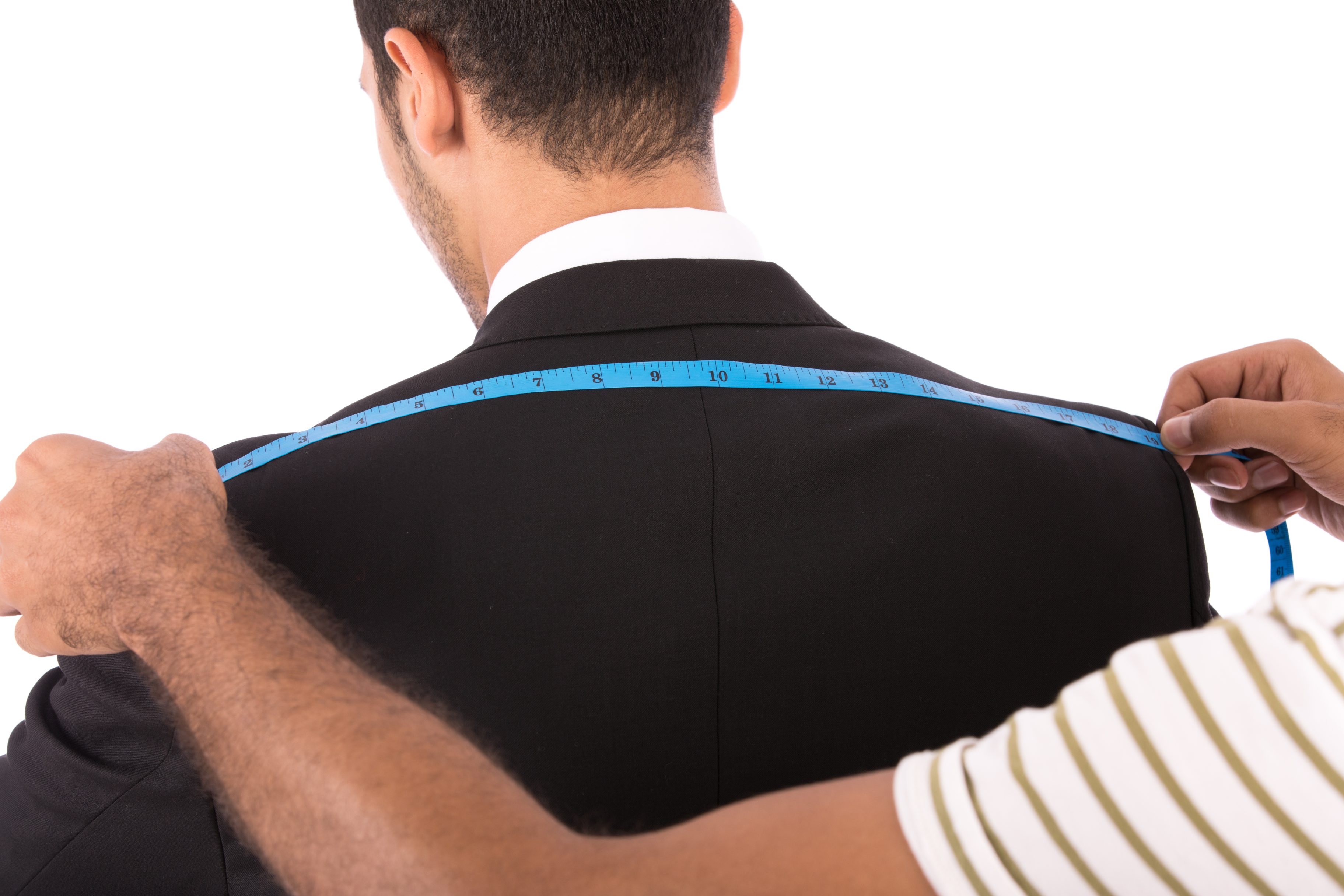
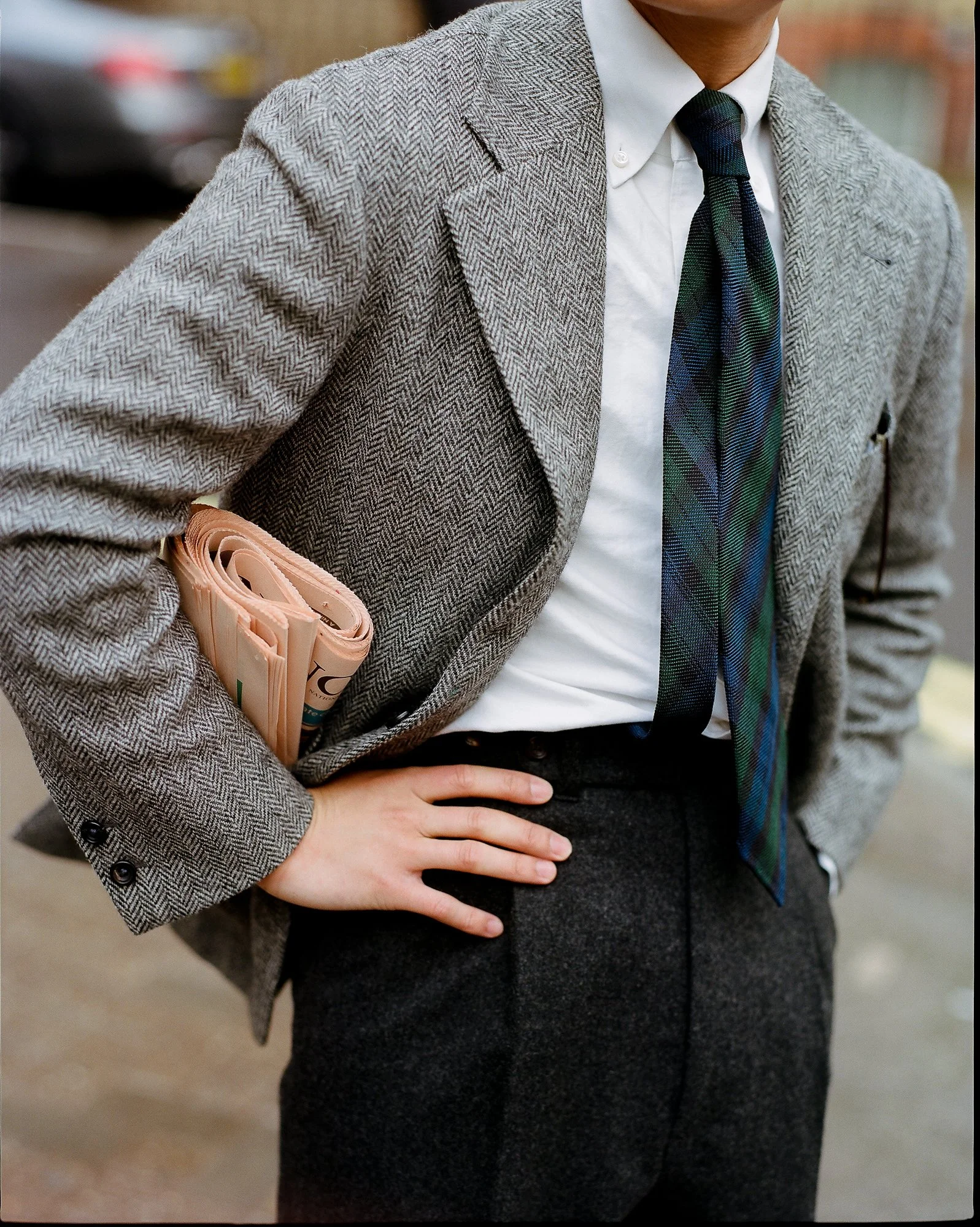
While they may look similar at a glance, a sport coat and a suit jacket differ fundamentally in construction, fabric, and formality. A suit jacket is part of a matching set with trousers made from fine, smooth worsted wool, whereas a sport coat is a standalone garment designed for rugged use, featuring textured fabrics, patterns, and a looser fit.
Understanding the distinction between these two garments is essential for any man looking to navigate the complexities of modern dress codes in 2026. Wearing a suit jacket as a standalone piece often looks "off" because of its structured nature and sheen, while wearing a sport coat to a formal event can appear underdressed. This guide explores the technical, historical, and stylistic nuances that separate these two staples of the masculine wardrobe.
The Structural Foundations: Formal vs. Functional
The most significant difference between a sport coat and a suit jacket lies in their intended purpose, which dictates their construction. A suit jacket is designed to be the "uniform" of business and formal occasions. It is meant to create a cohesive, streamlined silhouette from shoulder to floor. Because it is always paired with matching trousers, the focus is on a clean drape and a refined finish.
In contrast, the sport coat—historically known as a "sporting jacket"—was originally designed for outdoor activities like hunting, fishing, and equestrian pursuits. It was never intended to be part of a matching set. Instead, it was crafted to be worn with "odd" trousers (trousers of a different color or fabric). This functional heritage means the sport coat is generally built with more "room" to allow for layering and physical movement, whereas the suit jacket is cut closer to the body for a sharp, professional appearance.
Fabric and Weave
The fabric is often the first visual cue that distinguishes the two. Suit jackets are almost exclusively made from high-end worsted wools. These wools are combed to remove short fibers, resulting in a smooth, slightly shiny surface. In 2026, many premium suits utilize "Super" numbers (like Super 110s or 130s), which indicate the fineness of the wool fibers. These fabrics are delicate, hold a sharp crease, and look best when they have a uniform sheen across the entire outfit.
Sport coats utilize a much broader and more tactile range of fabrics. Because they were born in the countryside, they favor weight and durability. Common sport coat fabrics include:
- Tweed: A rugged, moisture-resistant wool often featuring multi-colored weaves (like Harris Tweed or Donegal).
- Flannel: A soft, brushed wool that provides warmth and a matte finish.
- Corduroy: A ribbed cotton fabric known for its durability and distinct texture.
- Linen and Silk Blends: Often used for summer sport coats to provide breathability while maintaining a structured look.
The texture of a sport coat is its defining feature. While a suit jacket is meant to look sleek and expensive, a sport coat is meant to look sturdy and approachable.
Pattern and Color Palette
The rules of pattern-matching also differ significantly. Suit jackets typically come in solid colors—navy, charcoal, light gray—or very subtle patterns like pinstripes, chalk stripes, or micro-checks. These patterns are designed to be "quiet" so as not to overwhelm the matching trousers.
Sport coats embrace bold patterns. Since there are no matching trousers to worry about, the jacket can serve as the centerpiece of the outfit. You will frequently see sport coats in:
- Houndstooth: A dual-tone broken check.
- Windowpane: Large, thin-lined squares.
- Gun Club Check: A traditional sporting pattern with overlapping colors.
- Herringbone: A V-shaped weaving pattern that adds depth without being overly loud.
Technical Design Elements
Beyond the fabric, several technical details in the tailoring process separate these garments. A senior tailor can identify a jacket's type simply by looking at the pockets or the shoulder construction.
Pockets: Patch vs. Welt
On a traditional suit jacket, you will most often find jetted pockets (a thin slit) or flap pockets. These are designed to be as unobtrusive as possible to maintain the suit's clean lines. The goal is a formal, streamlined look where the pockets almost disappear into the garment.
Sport coats often feature patch pockets. A patch pocket is created by sewing a piece of fabric directly onto the exterior of the jacket. This is the most casual pocket style and reinforces the jacket's origins as a functional outdoor garment. It provides a more relaxed, "workwear" aesthetic that pairs naturally with denim or chinos. Some sport coats also feature a "ticket pocket"—a smaller third pocket on the right side—originally used by commuters to hold train tickets.
Shoulders and Lining
Suit jackets typically feature more structure in the shoulders. This often includes padding to create a more authoritative, "V-shaped" silhouette. The interior is usually fully lined with silk, Bemberg, or rayon to ensure the jacket slides easily over a dress shirt and stays crisp throughout the day.
Sport coats in 2026 have moved toward "soft tailoring." Many modern sport coats feature an unstructured shoulder or a "natural shoulder," which follows the wearer's actual body line without heavy padding. Additionally, many are "half-lined" or "unlined," which makes the garment lighter, more breathable, and more casual. This lack of internal structure makes the sport coat feel more like a sweater and less like armor, which is ideal for business-casual environments.
Buttons and Hardware
The buttons on a suit jacket are almost always made of horn, urea, or plastic, and they are dyed to match the fabric of the suit as closely as possible. The goal is cohesion.
Sport coats allow for more contrast. You might see leather buttons on a tweed jacket, brass or silver buttons on a more formal sport coat (verging on blazer territory), or mother-of-pearl buttons on a summer linen jacket. This contrast highlights the jacket as a standalone piece of art rather than part of a uniform.
The Suit Jacket vs. Sport Coat: Comparison Table
| Feature | Suit Jacket | Sport Coat |
|---|---|---|
| Set Requirement | Must be worn with matching trousers. | Designed to be worn with "odd" trousers. |
| Primary Fabric | Smooth worsted wool (high sheen). | Textured wool, tweed, flannel, corduroy. |
| Formality Level | High (Business, Formal Events, Weddings). | Medium (Business Casual, Social Outings). |
| Patterns | Solid, pinstripes, or subtle checks. | Bold checks, houndstooth, windowpane. |
| Fit | Close to the body; structured. | Looser; designed for layering/movement. |
| Pocket Style | Jetted or flap (discreet). | Patch pockets (visible and casual). |
| Shoulder Padding | Usually present to create structure. | Minimal or none (natural shoulder). |
| Typical Colors | Navy, Charcoal, Black, Light Gray. | Earth tones, greens, browns, bold blues. |
The "Third Option": Where the Blazer Fits In
It is impossible to discuss the sport coat vs. suit jacket debate without mentioning the blazer. Many men use these terms interchangeably, but in the world of technical tailoring, a blazer is its own distinct entity that sits between the two.
A blazer is more formal than a sport coat but less formal than a suit. Historically, it has naval roots (the double-breasted navy blazer with gold buttons) and club roots (the bright, striped jackets worn by rowing teams).
Key characteristics of a blazer include:
- Solid Colors: Usually navy blue, though hunter green and burgundy are also seen.
- Metal Buttons: This is the most defining feature. Gold, silver, or brass buttons are traditional.
- Fabric: Usually a smooth wool serge or hopsack. Hopsack is particularly popular in 2026 for its breathability and wrinkle resistance.
If a suit is a 10 on the formality scale and a sport coat is a 5, the blazer is a solid 7 or 8. It can be paired with grey flannel trousers for a very professional look or with chinos for a "preppy" aesthetic.
When to Choose Each Garment in 2026
The choice between a sport coat and a suit jacket is dictated by the "environment of the day." As professional dress codes have continued to relax through the mid-2020s, the sport coat has become the workhorse of the modern wardrobe.
The Case for the Suit Jacket
You should reach for the suit jacket (and its matching trousers) when the occasion requires a show of respect, authority, or tradition. This includes:
- Boardroom Meetings: Where a high level of professionalism is expected.
- Weddings: Unless the invitation specifically states "Casual" or "Cocktail Attire," a suit is the safest and most respectful choice.
- Funerals: Traditionally, a dark suit is the standard of mourning.
- Black Tie/Formal Galas: These require specific suit variants like tuxedos.
Pro-Tip: Never wear your suit jacket with jeans. Because the fabric is so smooth and the construction is so structured, it creates a visual clash with the rugged texture of denim. It looks like you lost your trousers and had to borrow someone's jeans.
The Case for the Sport Coat
The sport coat is the king of versatility. It is the perfect choice for:
- Business Casual Offices: It elevates a pair of chinos or dark denim without looking like you’re trying too hard.
- Dinner Dates: It provides a polished look that shows effort but remains approachable.
- Travel: A sport coat with multiple pockets is practical for carrying passports and phones, and the textured fabrics (like tweed or hopsack) resist wrinkles better than suit wools.
- Creative Industries: Where a full suit might feel too "corporate," a patterned sport coat allows for personal expression.
Common Mistakes and How to Avoid Them
Even seasoned sartorialists can make mistakes when navigating these categories. Here are the most common pitfalls to avoid:
- The "Orphaned" Suit Jacket: This occurs when someone takes a jacket from a suit and tries to wear it as a sport coat. If the fabric is a shiny, dark navy worsted wool with matching plastic buttons, it will always look like an "orphaned" suit jacket. To make a suit jacket work as a standalone, you would need to change the buttons to a contrasting color (like brown horn) to signal that it’s intended to be worn separately.
- Mismatching Formality: Pairing a very rugged, heavy tweed sport coat with very fine, thin dress trousers creates a "top-heavy" look. Always match the weight of your trousers to the weight of your jacket. Tweed goes with corduroy, moleskin, or heavy denim. Fine worsted wool goes with fine dress slacks.
- Poor Proportions: Because sport coats are often cut a bit fuller, it is easy to look like you are "swimming" in the garment. In 2026, even casual tailoring should follow the lines of the body. Ensure the shoulders sit flush with your natural shoulder bone and the sleeves show about half an inch of shirt cuff.
Frequently Asked Questions
Can I wear a sport coat to a wedding?
Yes, provided the dress code is "Cocktail Attire," "Semi-Formal," or "Casual." For a daytime or outdoor wedding, a sport coat in a lighter color or pattern is often more appropriate than a dark business suit. However, for "Black Tie" or "Formal" evening weddings, a suit or tuxedo is mandatory.
Is a blazer more formal than a sport coat?
Yes. A blazer’s solid color and traditional metal buttons give it a cleaner, more uniform appearance that is closer to a suit than a patterned, textured sport coat.
Can I wear a sport coat with jeans?
Absolutely. This is one of the most classic "high-low" combinations in menswear. To make it work, ensure the jeans are dark (indigo or black), have a slim or straight fit, and are free of distressing or holes. The texture of the sport coat (like tweed or flannel) complements the texture of the denim perfectly.
Why are sport coats often more expensive than suit jackets?
While you can find budget options for both, high-quality sport coats often use complex weaves (like multi-color tweeds) or luxury blends (wool-silk-linen) that are expensive to produce. Additionally, because they are sold as separates, the pricing structure is different than a bundled suit.
How should a sport coat fit compared to a suit jacket?
A sport coat can afford to be slightly more relaxed. Historically, this was to allow for a sweater or waistcoat to be worn underneath. While the shoulders should still fit perfectly, a little extra room in the chest and waist is acceptable for a sport coat, whereas a suit jacket should be more precisely contoured.
Recommendation for 2026
If you are building a wardrobe from scratch in 2026, prioritize versatility. Start with one navy suit for formal necessities. Once that foundation is set, invest in a navy hopsack blazer and a mid-gray herringbone sport coat. These two standalone pieces will cover 90% of your social and business-casual needs, allowing you to mix and match with various trousers while maintaining a clear distinction between "uniform" and "style." Always remember: a suit is a package deal, but a sport coat is a personal statement.