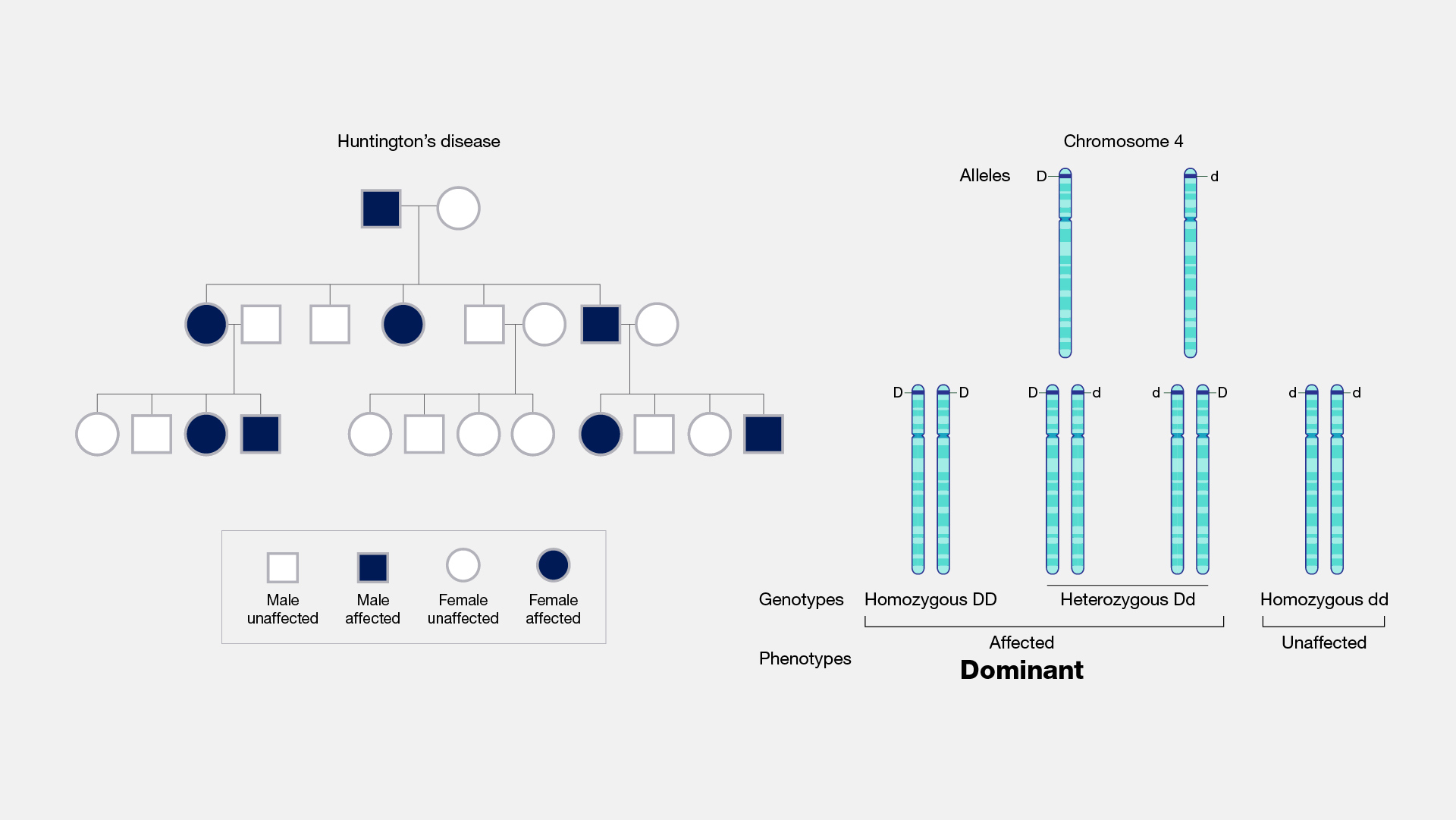
A recessive trait is a physical or biological characteristic that only appears in an organism if the individual inherits two copies of the corresponding recessive gene—one from each biological parent. If an individual inherits one dominant gene and one recessive gene, the dominant gene masks the recessive one, causing the dominant trait to be expressed instead.
Understanding how traits are passed from parents to offspring is a cornerstone of classical genetics. While modern molecular biology has revealed vast complexities regarding gene expression and epigenetics, the foundational concept of recessive inheritance remains essential for understanding human health, agriculture, and biological diversity.
The Foundation of Genetics: Dominant vs. Recessive
To grasp the concept of a recessive trait, one must first understand that humans (and many other living organisms) are diploid. This means we possess two sets of chromosomes—one set inherited from the mother and one from the father. Every gene exists in two versions, called alleles.
An individual’s genetic makeup is known as their genotype, while the observable physical expression of those genes is the phenotype. The relationship between alleles determines which phenotype is expressed:
- Dominant Alleles: These exert their influence even if only one copy is present. If you possess a dominant allele, that trait will show up regardless of the other allele.
- Recessive Alleles: These are "hidden" when paired with a dominant allele. They only manifest physically when an individual is homozygous for that specific recessive allele—meaning they carry two identical copies of it.
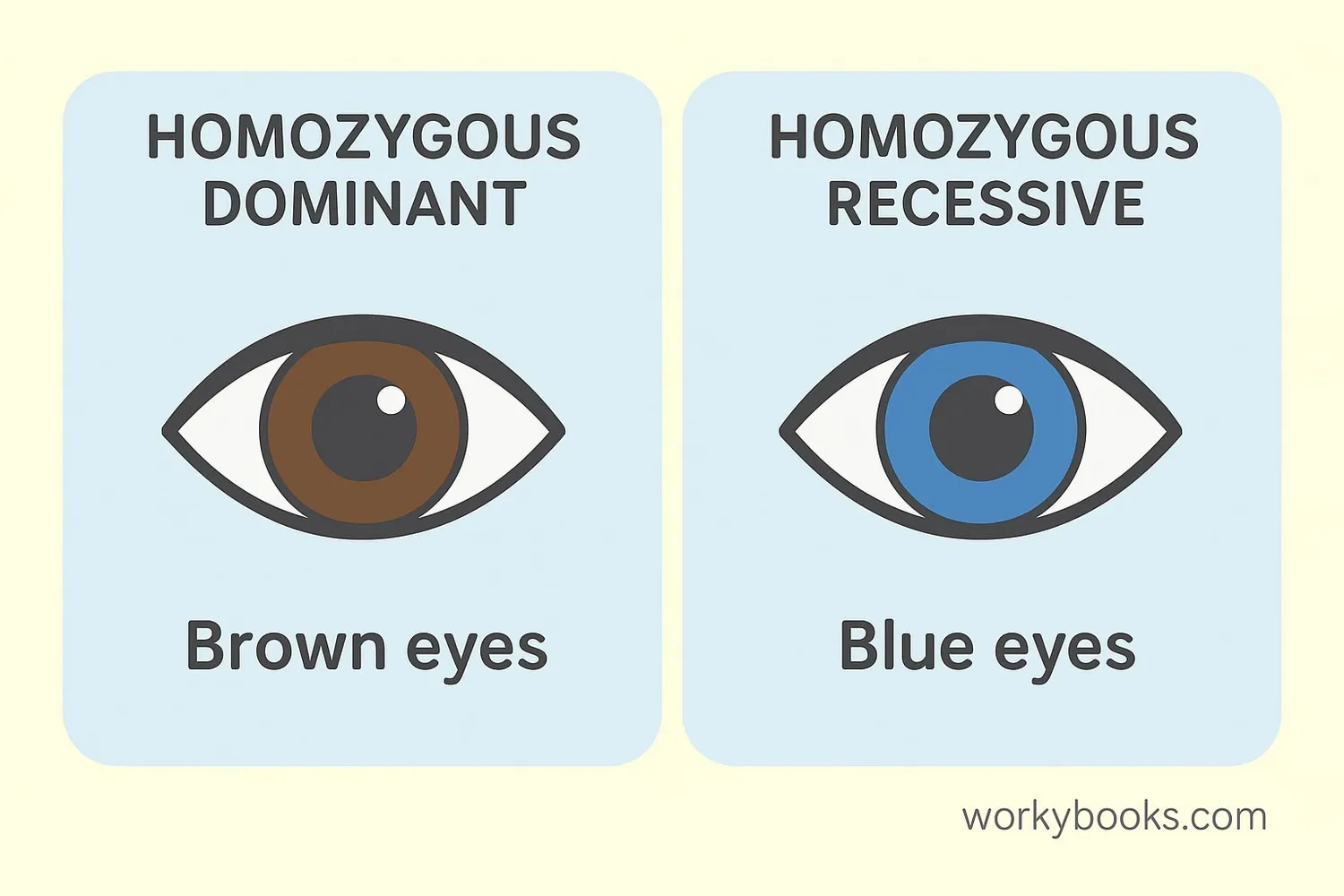
For example, consider eye color. While human eye color is polygenic (influenced by multiple genes), simplified models often use it to illustrate dominance. If the allele for brown eyes is dominant and the allele for blue eyes is recessive, an individual with one brown-eye allele and one blue-eye allele will have brown eyes. The blue-eye trait remains dormant in their genetic code, capable of being passed down to their children.
The Role of Zygosity: Homozygous vs. Heterozygous
The visibility of a recessive trait depends entirely on the combination of alleles an individual carries. Geneticists use specific terminology to describe these combinations:
- Homozygous Dominant: An individual carries two copies of the dominant allele (e.g., AA). They express the dominant trait and cannot pass a recessive allele to their offspring.
- Heterozygous: An individual carries one dominant allele and one recessive allele (e.g., Aa). They express the dominant trait but are considered a "carrier" of the recessive allele.
- Homozygous Recessive: An individual carries two copies of the recessive allele (e.g., aa). Because there is no dominant allele to mask the recessive one, this individual expresses the recessive phenotype.
This biological reality explains why some traits seem to "skip a generation." If two parents who are both carriers (heterozygous) have a child, there is a statistical probability that the child will receive the recessive allele from both parents, resulting in the expression of the recessive trait even if neither parent displays it themselves.
Probability and the Punnett Square
In 2026, scientists and medical professionals still rely on the Punnett square as a fundamental tool for predicting the probability of inheritance. Developed by Reginald Punnett in the early 20th century, this grid visualizes the potential genetic outcomes of a cross between two organisms.
When tracking a single trait, the Punnett square divides the potential genotypes of the offspring into four quadrants. If two heterozygous (Aa) parents are crossed, the outcomes are:
- 25% chance of Homozygous Dominant (AA)
- 50% chance of Heterozygous (Aa)
- 25% chance of Homozygous Recessive (aa)
This means there is a 25% chance that the child will express the recessive trait and a 75% chance they will express the dominant trait. These percentages represent mathematical probabilities for each pregnancy, not fixed outcomes.
| Parent Genotypes | Child 1 (25%) | Child 2 (25%) | Child 3 (25%) | Child 4 (25%) |
|---|---|---|---|---|
| Aa x Aa | AA (Dominant) | Aa (Carrier) | Aa (Carrier) | aa (Recessive) |
Note: This table assumes simple Mendelian inheritance patterns. Many traits are influenced by environmental factors and complex polygenic interactions.
Common Misconceptions About Recessive Traits
A frequent error in understanding genetics is the assumption that "recessive" means "rare" or "weak." This is a significant misunderstanding of biological terminology.
"Recessive" refers strictly to the mechanics of expression in the presence of a dominant allele. It does not dictate how common or advantageous the trait is within a population. For instance, the presence of six fingers (polydactyly) is caused by a dominant allele, yet it is rare in the general human population. Conversely, some recessive traits are quite common.
Additionally, recessive traits are not necessarily "worse" or "inferior" to dominant ones. The evolutionary value of a trait depends entirely on the environment. In some contexts, a recessive mutation might provide a selective advantage, such as resistance to certain diseases, while in other contexts, it might be neutral or harmful.
Recessive Traits in Human Health and Medicine
The medical field places significant emphasis on recessive traits, particularly regarding autosomal recessive disorders. These are conditions that only manifest if a person inherits two copies of a mutated gene.
Common examples of autosomal recessive conditions include:
- Cystic Fibrosis: Affects the cells that produce mucus, sweat, and digestive juices.
- Sickle Cell Anemia: Affects the shape of red blood cells, which can impede blood flow.
- Tay-Sachs Disease: A rare disorder that progressively destroys nerve cells in the brain and spinal cord.
For individuals with a family history of such conditions, genetic counseling is a standard procedure in 2026. Counselors use pedigree analysis—a map of family history—to determine the likelihood of a person being a carrier. If both prospective parents are carriers, they have a 25% chance of having a child with the disorder in each pregnancy.
Why Some Traits Are Complex: Beyond Mendelian Rules
While the definition of a recessive trait holds true in classic Mendelian genetics, it is important to acknowledge that most human characteristics are not determined by a single pair of genes.
- Polygenic Traits: Most traits, such as height, skin color, and temperament, are determined by the interaction of many genes. These do not follow simple dominant-recessive patterns.
- Incomplete Dominance: In some cases, the dominant allele does not completely mask the recessive one, resulting in an intermediate phenotype (e.g., a white flower and a red flower producing pink offspring).
- Codominance: Both alleles are expressed simultaneously. An example is human blood type AB, where the A and B alleles are both expressed equally.
By 2026, genomic sequencing has allowed researchers to map the interaction of thousands of genes. While the simple definition of a recessive trait remains the bedrock for introductory genetics, it serves as the entry point into the far more complex landscape of genetic expression.
Practical Steps for Understanding Your Genetic Profile
If you are interested in learning about your own genetic traits or potential carrier status, consider these steps:
- Consult Your Family History: Talk to biological relatives about known health conditions. A pedigree chart can reveal if a trait appears to be recessive in your family.
- Speak with a Healthcare Provider: If you have concerns about hereditary conditions, your primary care physician can provide a referral to a certified genetic counselor.
- Understand Clinical Testing: In 2026, diagnostic genetic testing is highly accurate. It involves a blood or saliva sample to identify specific mutations associated with known recessive disorders.
- Evaluate Direct-to-Consumer Kits: Many companies offer ancestry and trait reports. Note that these are for informational purposes and should not be used as a substitute for professional medical diagnosis.
Disclaimer: This information is for educational purposes and does not constitute medical advice. Always consult a healthcare professional regarding genetic testing or health concerns.
Frequently Asked Questions
Can two parents with dominant traits have a child with a recessive trait?
Yes. If both parents are heterozygous (carriers) for a recessive trait, they both express the dominant phenotype. However, each has a 50% chance of passing the recessive allele to the child. If the child receives the recessive allele from both parents, they will express the recessive trait.
Does a recessive trait always mean a genetic disorder?
No. Many recessive traits are benign or even beneficial variations. For example, blue eye color or the ability to roll your tongue are often classified as recessive or partially recessive traits that have no negative impact on health.
Why do some recessive traits seem to disappear and reappear?
This is due to the phenomenon of being a carrier. A person can carry a recessive gene for generations without it being expressed because it is continuously "masked" by a dominant allele in every generation. It only reappears when two carriers mate and produce an offspring who inherits the recessive allele from both.
Can a mutation turn a dominant trait into a recessive one?
A mutation can alter the function of a gene, effectively changing the way that trait is inherited. If a mutation makes a gene non-functional (a "loss-of-function" mutation), it often behaves recessively because the other (normal) copy of the gene can still produce enough functional protein to display the dominant trait.
Is it possible to be a carrier for a recessive trait but not know it?
Yes. Most people are carriers for several recessive mutations without ever knowing it, because they never have children with someone who carries the exact same mutation. It is only when both parents are carriers of the same mutation that the recessive trait may manifest in their children.
Final Recommendation: Focus on Genetic Literacy
To better understand your own genetic makeup, begin by documenting your family medical history as far back as possible. Knowing the health patterns of your grandparents and parents is the most practical first step in determining which recessive traits might be relevant to your life. If you identify a recurring condition in your family, prioritize a consultation with a genetic counselor, as they provide the most accurate assessment of your specific risk profile.