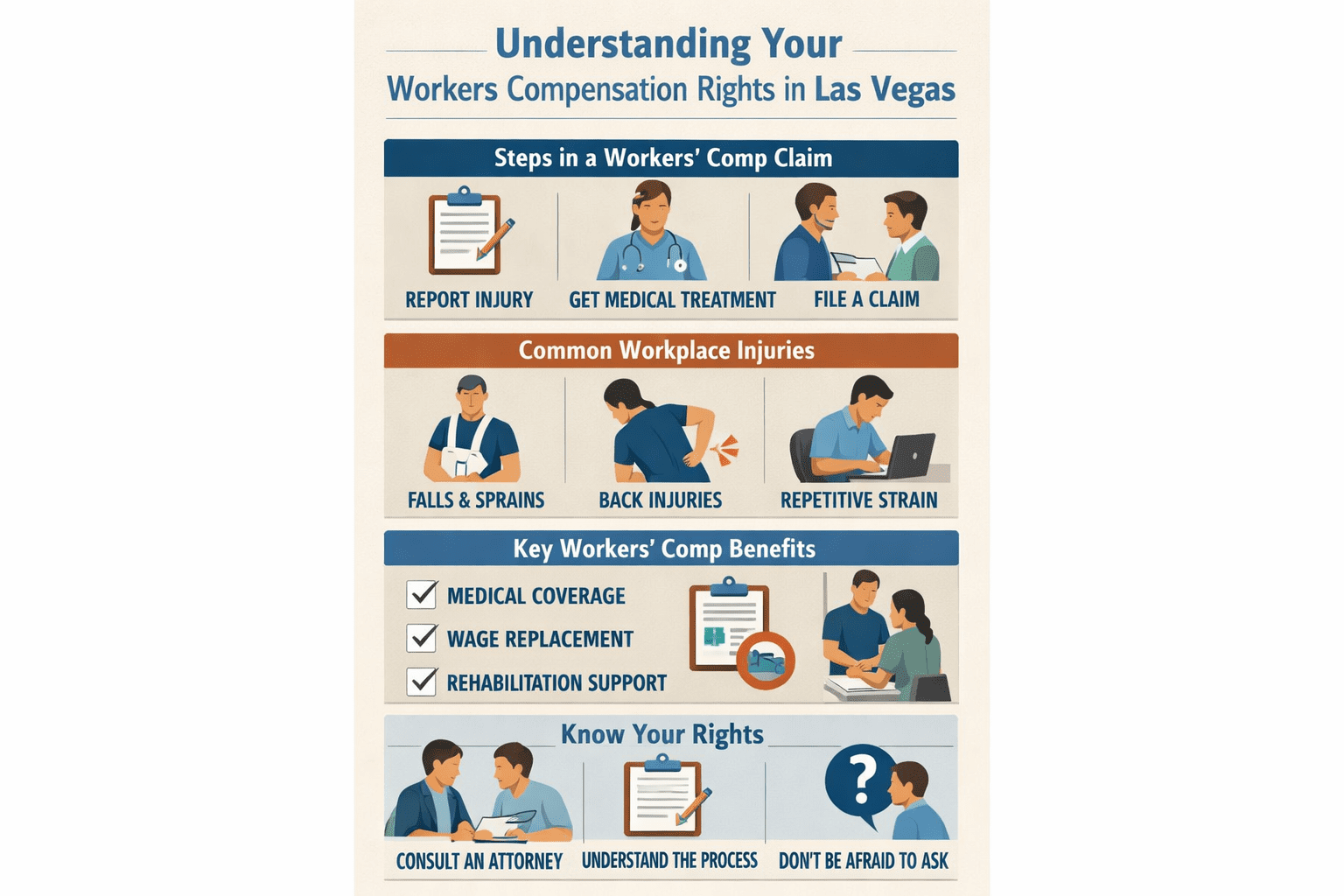
Yes, individuals receiving workers' compensation benefits remain employees of the organization throughout the duration of their medical recovery and benefit period. Being on workers' compensation does not sever the employer-employee relationship, nor does it automatically trigger termination. While the physical ability to perform job duties may be temporarily suspended due to a work-related injury or illness, the legal and contractual status of the individual as an employee generally persists unless a specific, independent event—such as a layoff for reasons unrelated to the claim or a voluntary resignation—occurs.
Defining the Employment Relationship During Disability
The status of an employee on workers' compensation is governed by a combination of labor law, anti-discrimination statutes, and the specific regulations of the state’s workers' compensation board. In most jurisdictions, an injured worker retains their status as an employee because the primary objective of the workers' compensation system is to provide a mechanism for rehabilitation and, ultimately, a return to work.
When an employee suffers a workplace injury, the employer’s obligation to provide wages is replaced by the insurer’s obligation to provide wage-replacement benefits. However, this shift in payment source does not change the fact that the individual is on the company payroll. The employer typically maintains the employee's records and status as "on leave" or "disabled" rather than "terminated." This distinction is critical because it carries specific implications for benefit eligibility, job restoration, and tax withholding.
The Intersection of Workers’ Compensation and Employment Law
While an employee is on workers' compensation, they are protected by various legal frameworks that prevent arbitrary termination. The most significant of these is the Americans with Disabilities Act (ADA) in the United States and similar human rights legislation in other regions.
Employers are often prohibited from terminating an employee simply because they filed a workers' compensation claim. Such an action could be construed as retaliatory, leading to potential litigation for "wrongful termination" or "retaliatory discharge." Furthermore, if an injury qualifies as a disability under the ADA, the employer has a legal duty to engage in an "interactive process" to determine if reasonable accommodations can be made to allow the employee to return to their position or a modified one.
However, the "employee" status does not guarantee permanent job protection. If an employee is unable to return to work for an extended period, or if the company experiences a legitimate workforce reduction (such as a plant closure or a restructuring that would have impacted the employee regardless of their injury), the employer may legally terminate the position, provided that the termination is not a pretext for discrimination against the worker for having been injured.
Rights and Responsibilities During the Benefit Period
Being an employee while on leave entails specific expectations for both the worker and the organization. While the worker is not performing their daily tasks, they remain part of the collective labor force, which imposes certain duties:
- Communication: Employees are generally expected to keep their employers informed of their medical status and their estimated date of return. This communication loop is essential for the employer to manage staffing needs.
- Adherence to Medical Advice: The employee must cooperate with medical providers and adhere to prescribed treatment plans. Failure to do so can sometimes jeopardize both their workers' compensation benefits and their ongoing employment standing.
- Light Duty Offers: If a doctor clears an employee for "light duty" or "modified duty," the employer is often required to offer the employee a position that fits within their medical restrictions. If the employee refuses a valid offer of suitable, light-duty work, they may risk losing their workers' compensation benefits, and the refusal could potentially serve as grounds for termination in some jurisdictions.
Comparison of Employment Status Scenarios
| Scenario | Employment Status | Obligation to Return |
|---|---|---|
| Temporary Total Disability | Active Employee | Required upon medical clearance |
| Permanent Total Disability | Status TBD | Often leads to separation |
| Light Duty Clearance | Active Employee | Required to perform modified tasks |
| Refusal of Reasonable Work | Active Employee | Risk to benefits and employment |
The Role of Benefits and Payroll
For the purposes of administrative record-keeping, an individual on workers' compensation is categorized as an employee on unpaid or partially paid leave. While the insurance company pays the wage-replacement benefits (often capped at a percentage of the average weekly wage), the employer remains responsible for certain administrative functions.
In many companies, the employer continues to manage health insurance premiums and other non-wage benefits while the employee is on leave, though the exact nature of this arrangement depends on company policy and employment contracts. The employee is not typically earning salary or vacation time while receiving workers' compensation benefits, but they are often treated as having "continuous service" for the purposes of seniority, pension vesting, and other tenure-based benefits, depending on state law and company policy.
Potential Triggers for Termination
Despite the protective nature of workers' compensation laws, there are specific circumstances under which an employee receiving benefits can be legally terminated. These are often misunderstood by both employees and employers.
- Elimination of the Position: If the position is eliminated due to an economic downturn or restructuring, the employer is generally not required to keep the job open indefinitely for an injured worker.
- Exhaustion of Leave: If the employee has exhausted all available protected leave (such as FMLA, if applicable) and is still unable to perform the essential functions of their job with or without reasonable accommodation, the employer may move toward termination, provided they have followed all local and state labor requirements.
- Fraud: If the employer discovers that the employee has committed workers' compensation fraud (such as working elsewhere while claiming to be totally disabled), the employment relationship can be terminated immediately.
- Misconduct: If the employee engages in conduct unrelated to the injury that would have resulted in termination regardless of their injury status, the status of "on workers' compensation" does not provide immunity.
Navigating the Return-to-Work Process
The return-to-work process is the final phase of the recovery journey. When an employee is cleared by their medical provider to return to their former position, the employer must reinstate the employee. If the employee has permanent limitations that prevent them from performing the essential functions of their original job, the employer must assess whether they can provide a reasonable accommodation—such as specialized equipment, altered schedules, or modified job duties.
If the employee can perform the essential functions of the job with these accommodations, they remain an employee in good standing. If they cannot perform the essential functions even with accommodation, or if no reasonable accommodation exists, the company may conclude the employment relationship. This conclusion must be documented thoroughly, often with legal counsel, to ensure compliance with the ADA and state-specific workers' compensation laws.
Frequently Asked Questions
Does receiving workers' compensation mean I am fired? No. Receiving workers' compensation benefits is an insurance-based system for covering work-related injuries and has no direct relationship to termination. Most employers maintain the employment relationship while the worker recovers.
Can my employer replace me while I am on workers' compensation? An employer may hire someone else to perform your duties on a temporary basis to ensure business continuity. However, this does not mean you have been terminated. You are usually entitled to return to your position or a substantially equivalent one once you are medically cleared, subject to reasonable accommodation requirements.
Do I still accrue vacation or sick leave while on workers' compensation? This depends entirely on the company policy and the specific employment contract. Generally, because you are not performing services for the employer, you do not accrue paid time off, but you should review your employee handbook or HR policy to confirm how your specific company handles accruals during leaves of absence.
Will I lose my health insurance if I am on workers' compensation? In many cases, the employer continues to pay the company's portion of health insurance premiums during your period of disability, especially if you are covered under FMLA leave. You should verify your company’s benefits policy immediately, as failure to pay your portion of the premiums could lead to a lapse in coverage.
What happens if I cannot return to my old job? If your physician indicates you have permanent restrictions, the employer is required to engage in an interactive process to see if accommodations can be made. If no such accommodation allows you to perform the essential job functions, the employment relationship may end, and you might transition to vocational rehabilitation benefits provided through the workers' compensation system.
Recommended Next Actions
If you are currently on workers' compensation, your immediate priority should be to establish a clear line of communication with your Human Resources department. Obtain written confirmation of your current status, inquire about the status of your health benefits, and ensure that you have provided your employer with all necessary medical documentation regarding your work restrictions. If you believe your employment status is being handled improperly, consider consulting with a labor law attorney or your state’s workers' compensation board to understand your specific local rights.