The "guy pointing behind him" is a visual communication archetype most commonly associated with the "Pointing Rick Dalton" and "Soyjak Pointing" internet memes. These images serve as digital shorthand to direct a viewer's attention toward a specific object, person, or concept, usually to convey recognition, excitement, or mockery.
In the landscape of 2026, visual communication has shifted toward hyper-contextual imagery. While new trends emerge weekly, the "guy pointing behind him" remains a foundational element of internet literacy. Whether you are a content creator looking to boost engagement or a casual user trying to understand a specific reaction image, understanding the nuances of this gesture is essential for navigating modern digital discourse.
The Psychological Power of the Deictic Gesture
To understand why a man pointing behind him became such a potent meme format, we must first look at the psychology of the gesture itself. In linguistics and psychology, this is known as a deictic gesture. Pointing is one of the earliest forms of human communication, predating complex speech. It serves to establish a "joint attention" between the speaker and the listener.
When a viewer sees an image of a person pointing behind them, their brain instinctively follows the trajectory of the finger. This creates an immediate narrative link between the character in the foreground and the context in the background. In the world of social media, where the "Attention Economy" dictates success, these images act as visual magnets. They bypass the need for lengthy captions by providing a clear instruction: "Look at this thing that I have noticed."
The "behind him" aspect is particularly important. It suggests that the subject has discovered something notable in their environment that the viewer might have missed. This creates a sense of shared discovery or "inside-joke" validation, which is the primary currency of internet culture.
The Most Iconic Iteration: Leonardo DiCaprio as Rick Dalton
The most dominant version of the "guy pointing behind him" is the Rick Dalton meme, featuring actor Leonardo DiCaprio. This image originated from the 2019 film Once Upon a Time in Hollywood, directed by Quentin Tarantino.
The Origin Story
In the film, DiCaprio plays Rick Dalton, a fading television star. The specific scene occurs when Dalton and his stuntman, Cliff Booth (played by Brad Pitt), are watching one of Dalton's old guest appearances on the show The FBI. As his younger self appears on the screen, Dalton—clutching a beer and a cigarette—leaps up and points excitedly at the television.
Why it Went Viral
The image captured a universal feeling: the "Leonardo DiCaprio Pointing" moment. It represents the sudden jolt of recognition when you see something familiar in an unexpected place. By 2020, the image was being used to highlight "Easter eggs" in movies, references in songs, or even real-life occurrences of "I told you so."
By 2026, the Rick Dalton meme has transitioned from a trendy reaction image to a "legacy meme." It is now used primarily to acknowledge historical callbacks or to ironically point out obvious facts. Its longevity is attributed to DiCaprio’s highly expressive facial tension, which perfectly communicates a mix of surprise and validation.
The "Two Soyjaks Pointing" Phenomenon
While the Rick Dalton meme is often used for genuine recognition, the "Two Soyjaks Pointing" meme is used for satire. This format features two hand-drawn, caricatured men (known as "Soyjaks") pointing with exaggerated excitement at something behind them.
Origins of the Soyjak
The Soyjak is a derivative of the Wojak (the "Feels Guy") meme. This specific variant emerged around 2020 and was designed to mock "cringe-worthy" levels of excitement, particularly regarding consumer products, Marvel movies, or mainstream tech updates. The characters usually look disheveled, wearing glasses and having wide-mouthed, gaping expressions.
Cultural Impact
This version of the "guy pointing behind him" is used to criticize performative enthusiasm. If a company releases a minor update to a smartphone and fans react with disproportionate praise, critics will post the Soyjak meme to highlight the perceived absurdity of the reaction.
In 2026, the Soyjak has evolved into various 3D and AI-generated iterations, but the core message remains the same: a critique of the "unthinking consumer" or the "hyper-enthusiastic fanboy." It is a tool for social commentary within digital communities, used to police the boundaries of what is considered "cool" versus "corporate."
Technical Specifications of the Pose
From a technical photography and design perspective, the "guy pointing behind him" pose follows specific compositional rules that make it effective for mobile viewing.
- Subject Placement: The person (the "guy") is typically placed in the lower third or off-center of the frame. This leaves "negative space" or the intended target of the point in the background.
- Depth of Field: In professional stock photography versions of this pose, the person is in sharp focus while the background is slightly blurred (bokeh effect). This forces the viewer's eye to first register the person's expression before following the finger to the background object.
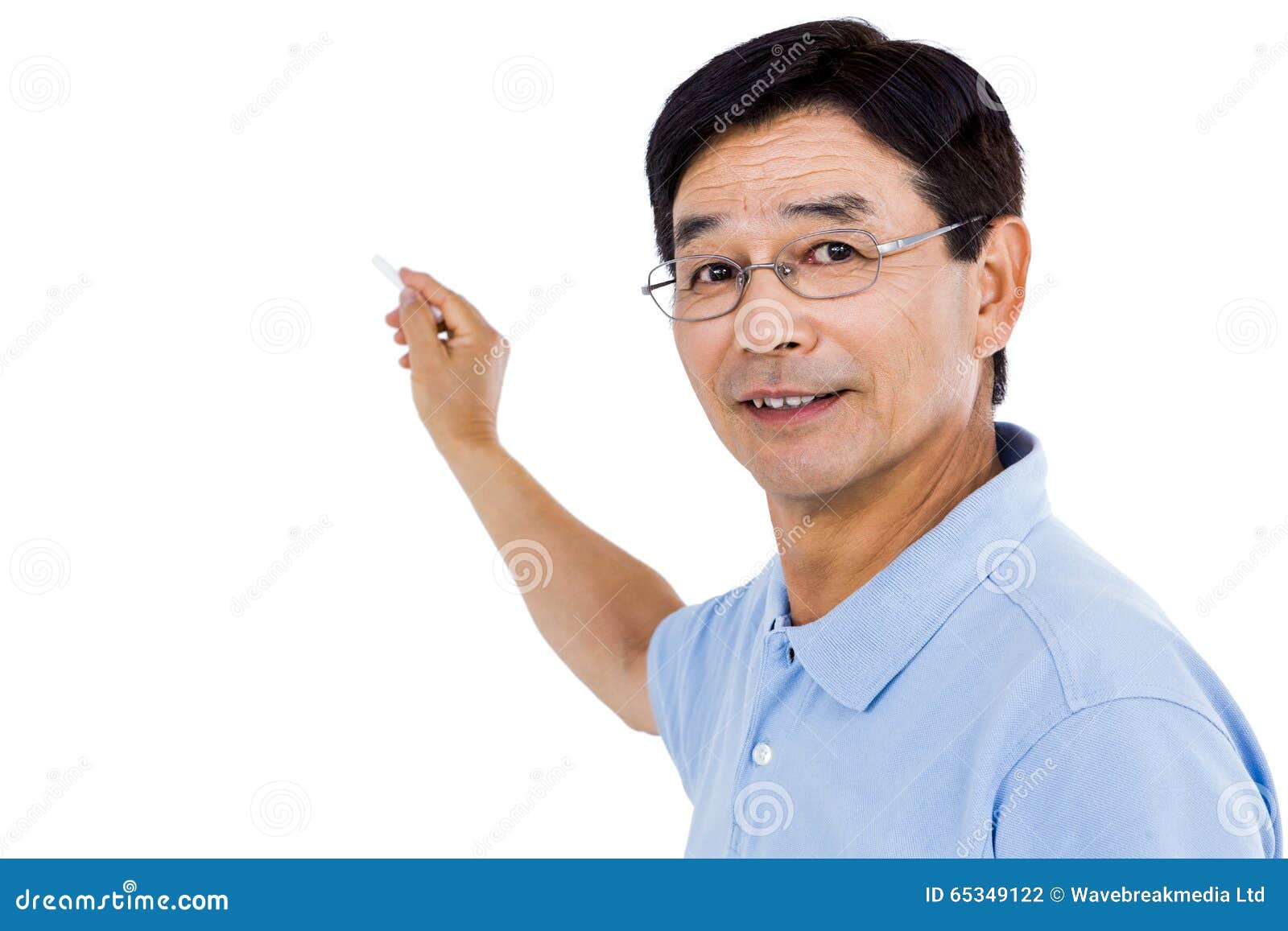
- The "Over-the-Shoulder" Angle: The most common variation involves the man looking toward the camera while his hand reaches back. This creates a bridge between the viewer (the "me") and the subject matter (the "that").
Comparison of Popular "Pointing" Meme Formats
| Meme Name | Origin | Primary Emotion | Best Use Case |
|---|---|---|---|
| Rick Dalton | Once Upon a Time in Hollywood | Recognition / Surprise | Highlighting a reference or "Easter egg." |
| Two Soyjaks | 4chan / Imageboards | Mockery / Sarcasm | Satirizing over-enthusiasm for products. |
| The Pointing Spider-Man | 1960s Cartoon | Accusation / Mirroring | When two things/people are identical. |
| Businessman Pointing | Stock Photography | Professionalism / Direction | Corporate presentations or "Call to Action" buttons. |
| Angry Pointing Guy | Various Social Media | Aggression / Blame | Assigning fault or calling someone out. |
How to Use "Guy Pointing" Images in 2026 Marketing
In 2026, traditional advertising has largely been replaced by "meme-native" marketing. Brands that use a "guy pointing behind him" image must do so with a high degree of self-awareness.
Authenticity vs. Corporate Cringe
The biggest risk for businesses is "corporate cringe"—the act of using a meme incorrectly or too late in its lifecycle. To use the "guy pointing" effectively:
- Keep it Subtle: Avoid over-explaining the meme. The image should do the heavy lifting.
- Modify the Background: Instead of using the original meme background (like Rick Dalton’s TV), Photoshop your product or service into that space. This makes the meme functional for your brand.
- Know Your Audience: Use the Rick Dalton version for Gen X and Millennials, and use the Soyjak or newer AI-derived variants for Gen Z and Gen Alpha, as they respond better to the satirical nature of the latter.
Improving Click-Through Rates (CTR)
Research in 2025 and 2026 has shown that thumbnails featuring a person pointing at a specific area of the screen have a 22% higher CTR than static product shots. This is why many YouTube and TikTok creators use a "guy pointing behind him" (often themselves) to highlight the video's main hook. It creates a visual "check-off" list for the viewer’s brain: Person -> Gesture -> Object -> Click.
Creative Tools for Generating "Pointing" Content
Creating your own version of this meme is simpler in 2026 than ever before, thanks to integrated AI tools.
- Canva & Adobe Express: These platforms now have "Meme Kits" that include pre-cut PNGs of Rick Dalton, Soyjaks, and generic stock "pointing guys." You can simply drag and drop them over your own photos.
- AI Image Generators (Midjourney/DALL-E 4): You can prompt these tools with specific descriptors. For example: "Photorealistic man in his 30s, wearing a casual jacket, pointing over his shoulder with an expression of shock, 8k resolution, cinematic lighting."
- Background Removal Tools: If you find a photo of a friend or colleague pointing, use an AI background remover to turn them into a "sticker." This allows you to place them in any context, creating a localized meme for your office or friend group.
Common Mistakes and Troubleshooting
When using or interpreting the "guy pointing behind him" image, several common errors can dilute the message.
- Wrong Facial Expression: The pointing gesture is neutral; the face provides the context. If you use a smiling man to point at a serious problem, the message becomes confusing. Match the "pointing guy" to the gravity of the subject.
- Poor Composition: If the finger points off-screen or toward a cluttered area, the "joint attention" is broken. Ensure there is a clear, singular object at the end of the gesture’s trajectory.
- Overuse: Because these images are so effective, they are often overused. In 2026, "meme fatigue" is a real concern. If your audience sees a "pointing guy" in every post, they will begin to tune it out. Use it only for your most important "Look at this!" moments.
FAQs
Who is the "guy pointing" in the most famous meme?
The most famous "guy pointing" is actor Leonardo DiCaprio playing the character Rick Dalton in the film Once Upon a Time in Hollywood. Another popular "guy" is a generic hand-drawn character known as a Soyjak, often appearing in pairs.
Is it legal to use the Rick Dalton meme for my business?
While using movie stills for personal memes usually falls under "Fair Use," using them in paid advertising can be a legal grey area regarding personality rights and copyright. In 2026, most brands prefer using "royalty-free" stock photos of men pointing or creating AI-generated characters that mimic the pose without infringing on a celebrity's likeness.
Why do YouTubers always point in their thumbnails?
This is a tactic to increase the Click-Through Rate (CTR). A human face combined with a pointing gesture triggers a biological response in the viewer to look at what is being pointed at, which usually leads to a click on the video to satisfy that curiosity.
What is the difference between a man pointing behind him and a man pointing at the viewer?
Pointing at the viewer (the "Uncle Sam" style) is an invitation or an accusation, meant to create a direct 1v1 confrontation. Pointing "behind him" or "away" is a collaborative gesture, inviting the viewer to look at a third object together with the subject.
Can I find a "guy pointing behind him" on stock photo sites?
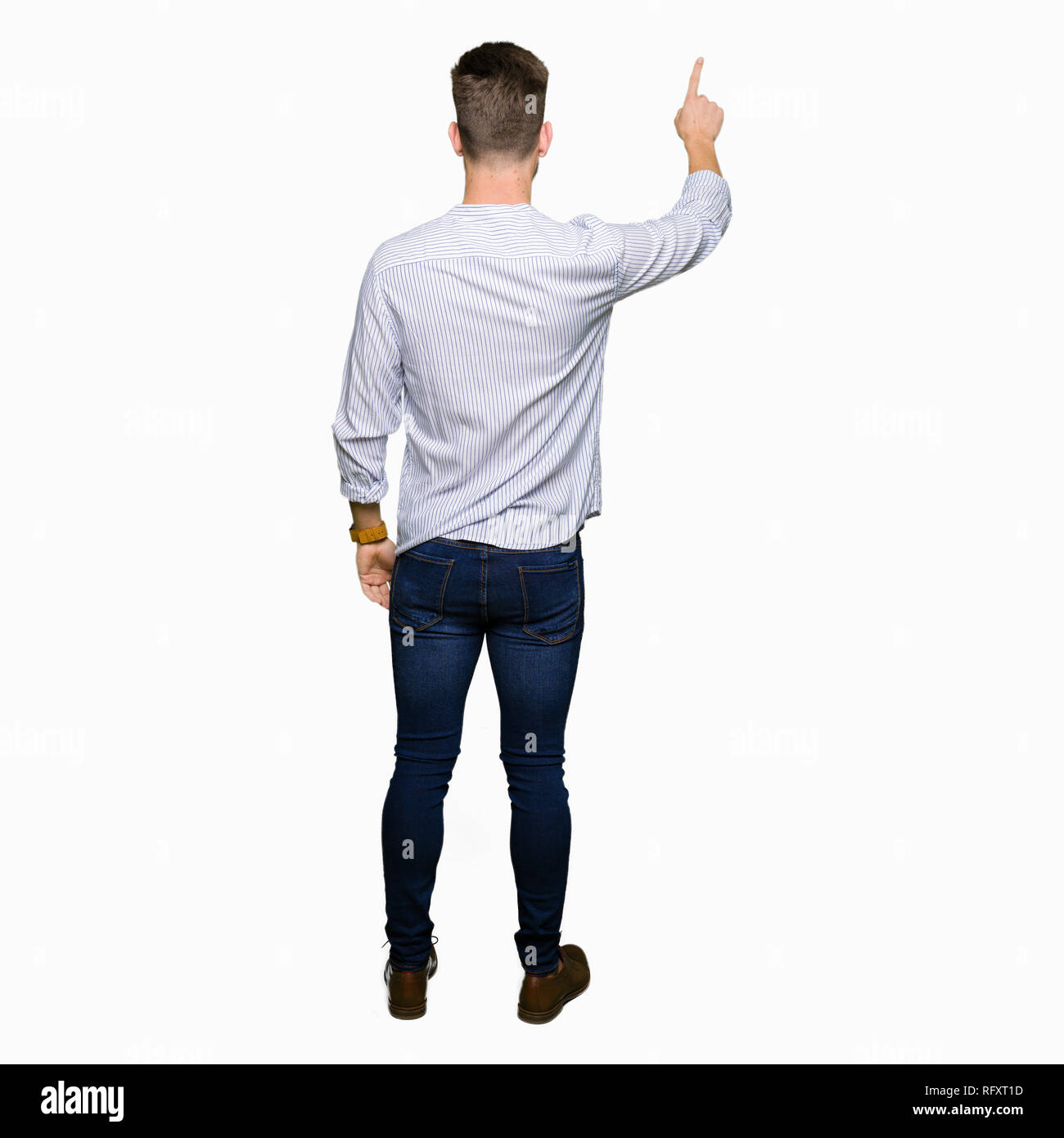
Yes, this is one of the most common poses in stock photography. Searching for keywords like "man pointing back," "man pointing over shoulder," or "excited man directing attention" will yield thousands of results on sites like Adobe Stock, Shutterstock, or Getty Images.
Next Actions for Creators
If you are looking to leverage the "guy pointing behind him" for your own content, start by identifying the intent of your message. Are you trying to show someone an "Easter egg" you found? Use a Rick Dalton-style image. Are you mocking a trend? Use a Soyjak or a satirical AI-generated version.
For the best results in 2026, avoid using the exact original files which may feel "dated." Instead, take a high-quality photo of yourself or a team member mimicking the pose. This adds a layer of authenticity and "local flavor" that generic memes often lack, making your content more relatable to your specific audience.