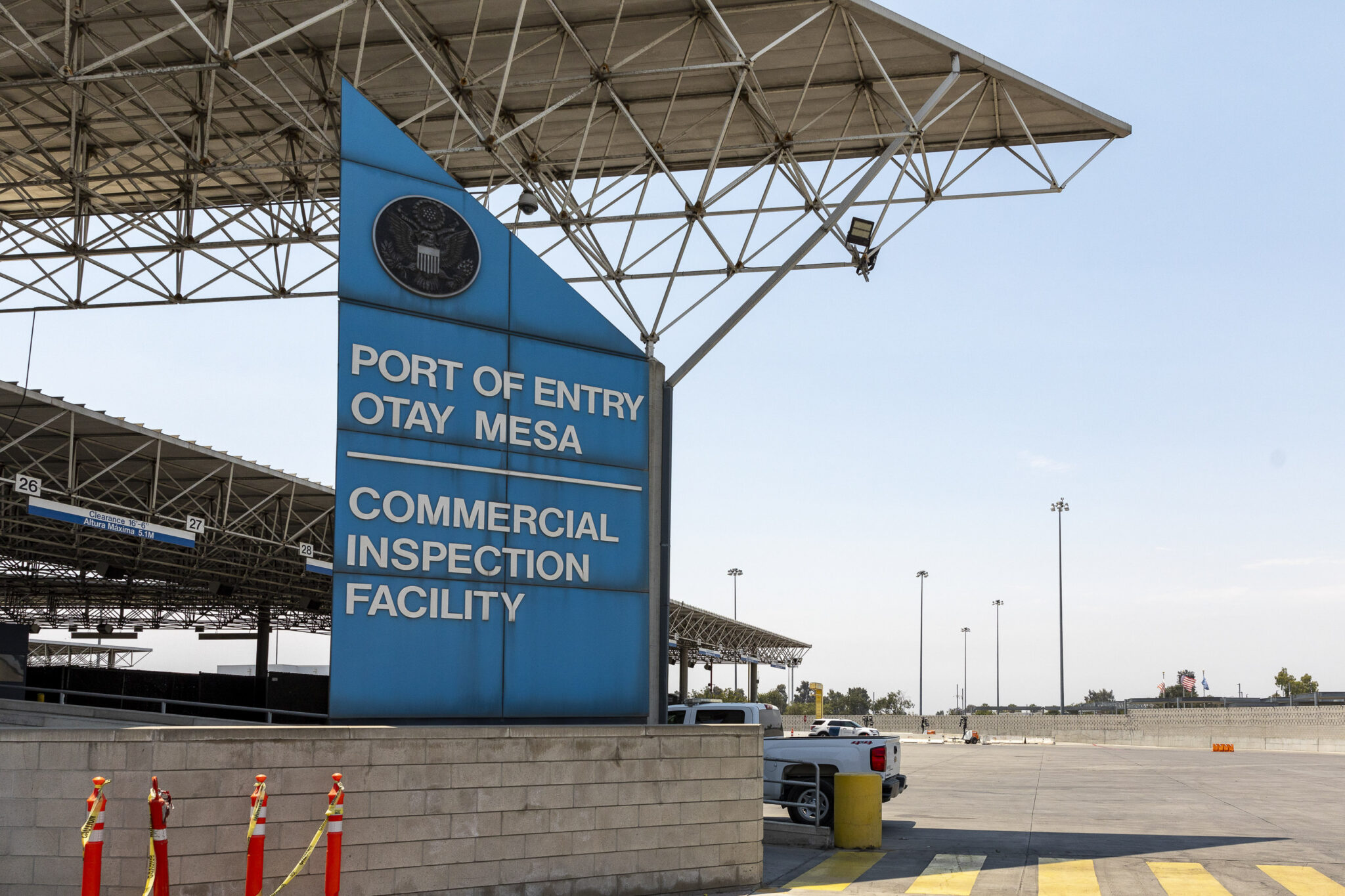
The Otay Mesa Port of Entry is one of the busiest and most critical land border crossings between the United States and Mexico, serving as a primary hub for both commercial cargo and passenger vehicles. Understanding the layout of the Otay Mesa crossing, its specific operational lanes, and the surrounding infrastructure is essential for travelers and commercial drivers seeking to optimize their transit time and ensure compliance with federal border requirements in 2026.
Understanding the Geographical and Operational Context
The Otay Mesa Port of Entry, located in San Diego County, California, serves as the main conduit for industrial traffic moving through the Tijuana-San Diego corridor. Unlike the San Ysidro Port of Entry, which is primarily focused on tourism and pedestrian traffic, the Otay Mesa facility was designed with a heavy emphasis on commercial logistics, though it maintains significant capacity for passenger vehicle processing.
To navigate the crossing effectively, users must distinguish between the two primary functions of the port: commercial operations and passenger vehicle processing. The "map" of the crossing is not merely a static image but a functional grid of lanes, inspection bays, and administrative offices that shift based on traffic volume and security protocols. For the average traveler, the most critical element is identifying the correct approach lanes from the Mexican side (Bulevar Bellas Artes) and ensuring that you are directed into the appropriate inspection zone upon entering U.S. territory.
Decoding the Port Infrastructure: Passenger vs. Commercial
A primary source of confusion for first-time crossers is the separation of traffic. The Otay Mesa crossing is divided into distinct zones that manage different types of transit.
Passenger Vehicle Processing
For private vehicle operators, the port provides standard processing lanes and dedicated lanes for participants in trusted traveler programs. When approaching the border, signage will clearly delineate:
- Standard Lanes: For general travelers without specialized documentation or memberships.
- Ready Lanes: For travelers who possess radio frequency identification (RFID)-enabled documents (such as enhanced driver’s licenses or newer versions of the SENTRI card). Using these lanes typically results in faster processing as the system pre-reads document data.
- SENTRI Lanes: Reserved exclusively for pre-approved members of the Secure Electronic Network for Travelers Rapid Inspection (SENTRI) program. Unauthorized entry into these lanes is strictly enforced and can result in significant delays or administrative penalties.
Commercial Operations
Commercial vehicles are directed toward a separate facility located to the east of the passenger lanes. This area features specialized inspection technologies, including non-intrusive imaging systems (X-ray and gamma-ray scanning), and dedicated facilities for the United States Department of Agriculture (USDA) and the Food and Drug Administration (FDA) to perform inspections on perishable goods. If you are operating a commercial vehicle, ignoring the specific commercial signage and inadvertently entering the passenger processing lanes will lead to forced rerouting, which can add hours to your transit time.
Navigating the Access Points: Map Interpretation
When using a digital map or GPS to reach the Otay Mesa crossing, it is vital to understand that the physical "map" of the border is defined by strict traffic patterns.
- The Approach from Tijuana: Most traffic enters from the Bulevar Bellas Artes or connected industrial arterials. The flow is highly regulated by Mexican municipal police and U.S. Customs and Border Protection (CBP) guidance.
- The Pre-Primary Inspection Area: This is the staging area where officers perform initial visual checks and document validation.
- Primary Inspection: The actual booths where an officer evaluates your intent, documentation, and vehicle contents.
- Secondary Inspection: If an officer requires further clarification, a physical search of the vehicle, or additional document verification, you will be directed to the secondary inspection area. This is a designated, controlled zone away from the main flow of traffic.
Strategic Tips for Efficient Crossing
- Monitor Real-Time Data: Utilize the official CBP Border Wait Times website or the BWT mobile application. In 2026, these tools remain the most reliable source for assessing current congestion at Otay Mesa.
- Document Preparation: Ensure that all passengers have their WHTI (Western Hemisphere Travel Initiative) compliant documents ready. These include U.S. passports, passport cards, Trusted Traveler cards (SENTRI, NEXUS, Global Entry), or Enhanced Driver’s Licenses.
- Lane Selection: Position your vehicle in the correct lane well before reaching the inspection booths. Changing lanes once inside the processing grid is often physically impossible due to concrete barriers.
Comparison of Border Crossing Options
If your destination allows flexibility, it is helpful to compare Otay Mesa with other nearby options. The choice often depends on your specific vehicle type and current wait times.
| Feature | Otay Mesa Port | San Ysidro Port | Tecate Port |
|---|---|---|---|
| Primary Use | Commercial & Passenger | Passenger & Pedestrian | Local & Light Commercial |
| Operational Hours | 24/7 | 24/7 | Limited (Daily) |
| Best For | Heavy Trucks & Commuters | General Tourism | Low-Volume Transit |
| RFID Lanes | Available | Available | Not Available |
Note: The Tecate crossing is located significantly further east and is generally only practical if your final destination is not in the immediate San Diego metropolitan area.
Legal Requirements and Compliance
Entering the United States is a privilege subject to federal law. The "map" of the border includes invisible regulatory boundaries as much as physical ones.
Agricultural Restrictions
One of the most common reasons for delays in the secondary inspection area is the transport of prohibited agricultural products. The USDA maintains a strict list of banned items, including certain fruits, vegetables, meats, and soil. Before crossing, familiarize yourself with the current list of restricted items to avoid confiscation or potential fines.
Vehicle Documentation
For non-U.S. citizens, ensure that you have your I-94 permit processed in advance if necessary. While the transition toward digital I-94 processing continues to improve efficiency, failing to have your electronic records updated can cause significant hold-ups at the primary inspection window.
Trusted Traveler Programs
If you cross the border frequently, applying for the SENTRI program is a strategic investment. Membership requires an extensive background check and an in-person interview. As of 2026, the enrollment process is entirely centralized through the Trusted Traveler Program (TTP) website. Once approved, the benefits of utilizing the dedicated SENTRI lanes at Otay Mesa significantly outweigh the initial application fees and effort.
Troubleshooting Common Issues
Even with careful planning, unexpected situations can arise.
Problem: You entered the wrong lane. If you find yourself in a commercial lane as a passenger, or in a SENTRI lane without authorization, remain calm. Follow the directions of the officers on duty. Do not attempt to exit the lane by reversing, as this creates a significant security risk and can lead to immediate detention. Officers are trained to deal with misrouted vehicles and will provide instructions on how to merge safely or be redirected.
Problem: Your documents are expired or missing. If you arrive at the booth and realize a document is missing, the officer will likely refer you to secondary inspection. You will be required to wait until the officer can verify your identity through other means or confirm your status. This process is time-consuming. Always double-check documents before departing your origin point.
Problem: The system is down. While rare, technology outages can occur. If the CBP computer systems are down, the port may revert to manual processing. Expect substantial delays if this occurs, and monitor local news or the official CBP Twitter (X) accounts, which are often used to announce operational disruptions.
Frequently Asked Questions
1. Is the Otay Mesa Port of Entry open 24 hours a day? Yes, the Otay Mesa Port of Entry operates 24 hours a day, 7 days a week, for both commercial and passenger vehicle traffic.
2. Can I use a regular driver's license to cross at Otay Mesa? Standard state-issued driver's licenses are not WHTI-compliant for border crossing. You must possess a passport, a passport card, an Enhanced Driver’s License (EDL), or a Trusted Traveler card to enter the United States.
3. Does the Otay Mesa map show pedestrian crossings? Otay Mesa does have a pedestrian facility, but it is separate from the vehicle crossing. If you are walking, you must ensure you are heading toward the designated PedWest or the Otay Mesa Pedestrian Facility rather than the vehicle lanes.
4. How do I know if my vehicle will be sent to secondary inspection? Secondary inspection is at the discretion of the officer at the primary booth. Reasons include random security checks, a need for document verification, or if the officer has questions about your vehicle contents or travel history.
5. Are commercial and passenger vehicles ever mixed? No, the facility is strictly divided to ensure safety and efficiency. Attempting to enter the commercial zone as a passenger vehicle is a violation of traffic flow protocols and will result in being turned away.
Professional Guidance and Final Recommendations
The key to a successful crossing at Otay Mesa is preparation and compliance. Treat the crossing as a high-security environment rather than a routine drive. Ensure that your vehicle is in good working order—mechanical breakdowns inside the port are a significant liability—and that all passengers have their identification documents physically in hand before you reach the booth.
For the most up-to-date information, regularly check the official U.S. Customs and Border Protection website. Avoid relying on third-party "border watch" apps that may use crowd-sourced data, as these are often inaccurate compared to official federal reporting. Plan your crossing during off-peak hours—typically mid-morning or late evening—to minimize wait times. By understanding the layout, following signage, and maintaining proper documentation, you can navigate the Otay Mesa crossing with efficiency and confidence.