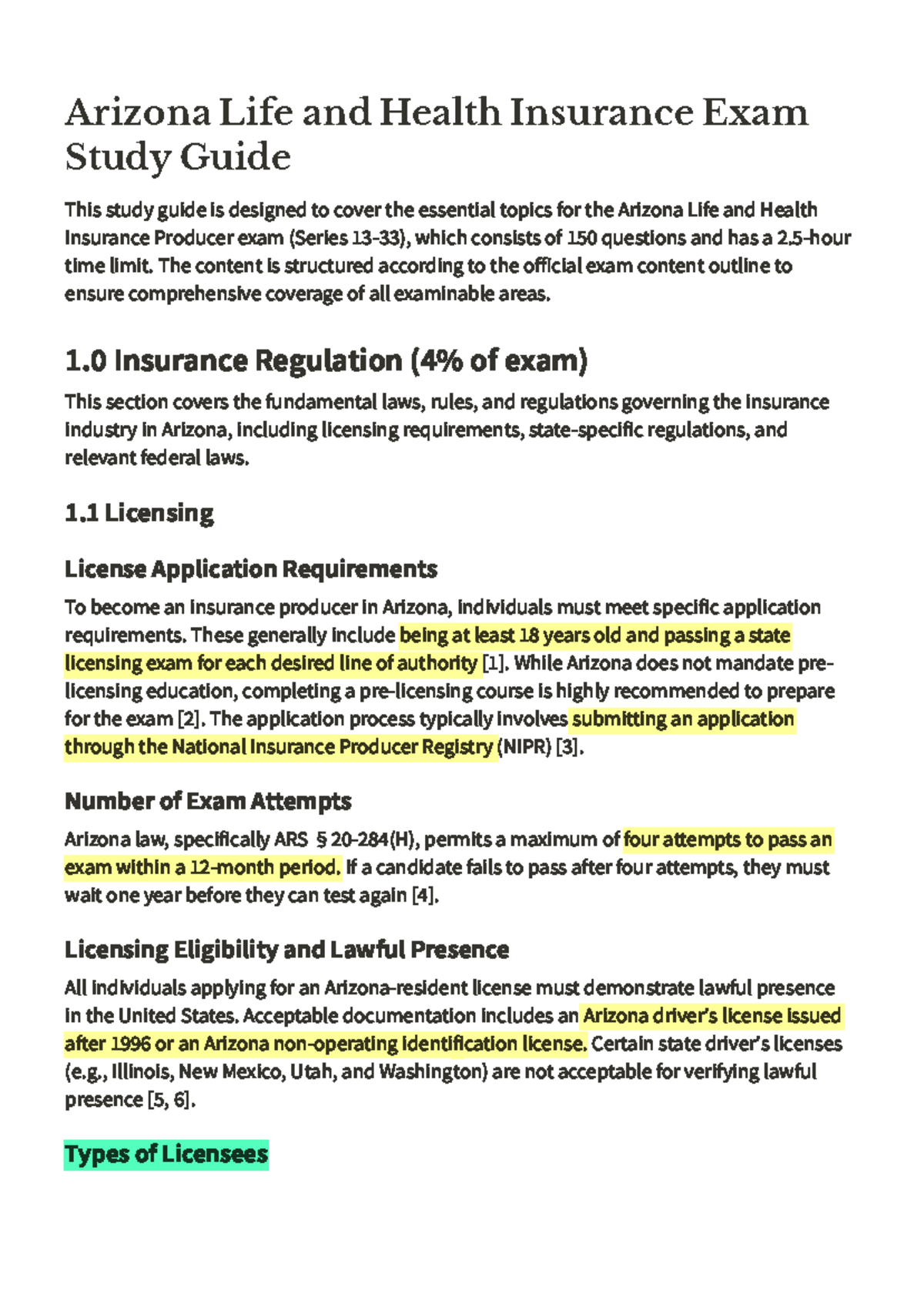
The 2019 Arizona life and health insurance license changes primarily involved the transition of the Arizona Department of Insurance (ADOI) into the Department of Insurance and Financial Institutions (DIFI) and the mandatory migration to the National Insurance Producer Registry (NIPR). These reforms streamlined fingerprinting through the Department of Public Safety and modernized continuing education tracking.
In 2019, Arizona’s regulatory landscape for insurance professionals underwent a significant transformation. This period marked the beginning of a multi-year effort to consolidate state agencies and digitize the licensing process. For producers specialized in Life, Accident, and Health insurance, these changes fundamentally altered how licenses are issued, renewed, and regulated. Understanding the 2019 reforms is essential for modern compliance, as the frameworks established then remain the standard for licensing operations in 2026.
The Administrative Shift: From ADOI to DIFI
One of the most consequential changes occurring in the 2019–2020 timeframe was the passage of House Bill 2555. This legislation orchestrated the merger of the Arizona Department of Insurance with the Department of Financial Institutions and the Arizona Auto Theft Authority. The resulting entity, the Arizona Department of Insurance and Financial Institutions (DIFI), became the central regulatory body for all insurance activities in the state.
Reasons for the Merger
The consolidation was driven by a desire for administrative efficiency and cost reduction. By merging these departments, the state aimed to provide a "one-stop shop" for financial regulation. For a Life and Health producer, this meant that the oversight of their licensing shifted to a broader regulatory umbrella that also manages banks, credit unions, and mortgage lenders.
Impact on Governance
The merger did more than just change the letterhead on licensing documents. It centralized the investigative and enforcement arms of the state’s financial regulators. Producers in 2026 operate under a system where the Insurance Division of DIFI maintains specific expertise in Title 20 of the Arizona Revised Statutes (ARS), but shares administrative resources with other financial regulatory divisions. This has led to more robust oversight and a more integrated approach to consumer protection.
The Digital Transformation via NIPR and SBS
Prior to 2019, many licensing functions in Arizona were still handled through legacy systems or manual paper processes. A core component of the 2019 changes was the mandatory shift to the National Insurance Producer Registry (NIPR) and the adoption of the State Based Systems (SBS) for license management.
Mandatory Electronic Filing
The 2019 transition made electronic filing the default requirement for almost all producer transactions. This included initial applications, license renewals, and address changes. For Life and Health producers, this meant an end to "mail-in" renewals and a shift toward real-time data processing.
Benefits of the SBS Integration
The integration with SBS allowed the Arizona DIFI to align its data with the National Association of Insurance Commissioners (NAIC) standards. This alignment provided several benefits:
- Real-time License Verification: Employers and consumers could instantly verify a producer's status.
- Reciprocity: Non-resident producers found it significantly easier to obtain an Arizona license because the state’s requirements now mirrored the uniform standards used by other NIPR-participating states.
- Automated Updates: Changes to a producer’s status in their home state are now more efficiently communicated to DIFI via the NIPR gateway.
Fingerprinting and Background Check Overhaul
Perhaps the most practical change for new Life and Health applicants in 2019 involved the fingerprinting process. Arizona updated its procedures to utilize the Fingerprint Clearance Card system managed by the Arizona Department of Public Safety (DPS).
The Identity Verified Print (IVP) Process
Before the 2019 reforms, the fingerprinting process was often a bottleneck for new licensees. The state moved toward a more standardized "LiveScan" digital fingerprinting process. Applicants for a Life and Health license are now required to obtain an IVP Fingerprint Clearance Card. This card is not just a one-time check; it represents a continuous monitoring system. If a producer is arrested or convicted of a disqualifying offense after the card is issued, DPS notifies DIFI immediately.
Statutory Requirements under ARS § 20-285
The changes reinforced the requirements of ARS § 20-285, which mandates that every individual applying for an insurance producer license must provide fingerprints for a state and federal criminal history background check. By 2019, the transition to the DPS-managed system ensured that these background checks were deeper and more consistent than previous methods.
Impact on Life and Health Lines of Authority
The 2019 changes also refined the definitions and testing requirements for the specific "lines of authority" that life and health agents must hold. In Arizona, these are technically two separate lines: Life and Accident and Health or Sickness.
Combined vs. Separate Testing
While the lines are legally distinct, the 2019 regulatory environment continued to support combined testing through Prometric, the state’s authorized testing provider. Most applicants choose to take the "Life, Accident, and Health" combined exam. The 2019 updates ensured that exam content reflected the most recent state statutes, particularly regarding consumer disclosures and the newly emerging "Best Interest" standards for annuity recommendations (which fall under the Life authority).
Suitability and Annuity Training
Beginning around 2019, there was an increased national and state-level focus on the suitability of life insurance and annuity products. Arizona producers who sell annuities must complete a specific one-time, four-credit training course. The 2019 changes strengthened the enforcement of these training requirements, ensuring that Life insurance producers were properly educated on the complexities of fixed and indexed annuities before engaging with consumers.
Continuing Education (CE) and Renewal Cycles
The 2019 reforms brought Arizona into closer compliance with the NAIC Continuing Education Reciprocity (CER) agreement. This changed how CE credits are tracked and reported.
The 48-Hour Requirement
Arizona requires residents to complete 48 hours of continuing education every four years. This must include at least six hours of ethics training. The 2019 transition to SBS meant that CE providers were now required to report credits electronically. This eliminated the need for producers to manually mail in certificates of completion to the department.
The Last Day of Birth Month Rule
License expiration dates were standardized. Licenses in Arizona expire on the last day of the producer’s birth month, every four years. The 2019 administrative changes ensured that NIPR would send automated renewal reminders, but the legal burden remains on the producer to ensure their CE is complete and their renewal fee is paid before the expiration date.
| Feature | Pre-2019 System | Post-2019 (Current) System |
|---|---|---|
| Regulating Body | Arizona Department of Insurance (ADOI) | Dept. of Insurance and Financial Institutions (DIFI) |
| Application Method | Paper applications allowed | Mandatory NIPR online filing |
| Fingerprinting | Manual cards to ADOI | DPS Fingerprint Clearance Card (IVP) |
| CE Tracking | Manual reporting/Audit-based | Electronic reporting via SBS |
| Renewal Reminders | Physical mail | Electronic (NIPR/SBS) |
| Line of Authority | Varied state-specific codes | Standardized NAIC uniform codes |
Statutory Compliance and Producer Conduct
The 2019 era saw a tightening of the rules regarding producer conduct. Under Arizona Revised Statutes Title 20, specifically Chapter 2, Article 3, the grounds for license denial, non-renewal, or revocation were clarified.
Mandatory Reporting of Administrative Actions
Producers must report any administrative action taken against them in another jurisdiction or by another governmental agency in Arizona within 30 days of the final disposition of the matter. This requirement was emphasized during the 2019 transition to ensure that the "one-stop" regulatory model of DIFI functioned effectively. If a producer is disciplined by the SEC or a banking regulator, the Insurance Division of DIFI is now more likely to be notified through integrated reporting channels.
Fiduciary Responsibility and Ethics
The 2019 changes included a push for higher ethical standards. This is reflected in the requirement for six hours of ethics CE. The state emphasizes that Life and Health producers are in a position of public trust, especially when handling sensitive medical information (protected under HIPAA and state privacy laws) and significant financial assets.
The Role of Prometric in the 2019 Transition
As the state's third-party testing administrator, Prometric had to update its examination batteries to reflect the 2019 legislative changes. For those entering the industry in 2026, the exams they take are the direct descendants of the curricula updated during that 2019 overhaul.
Exam Content Outlines
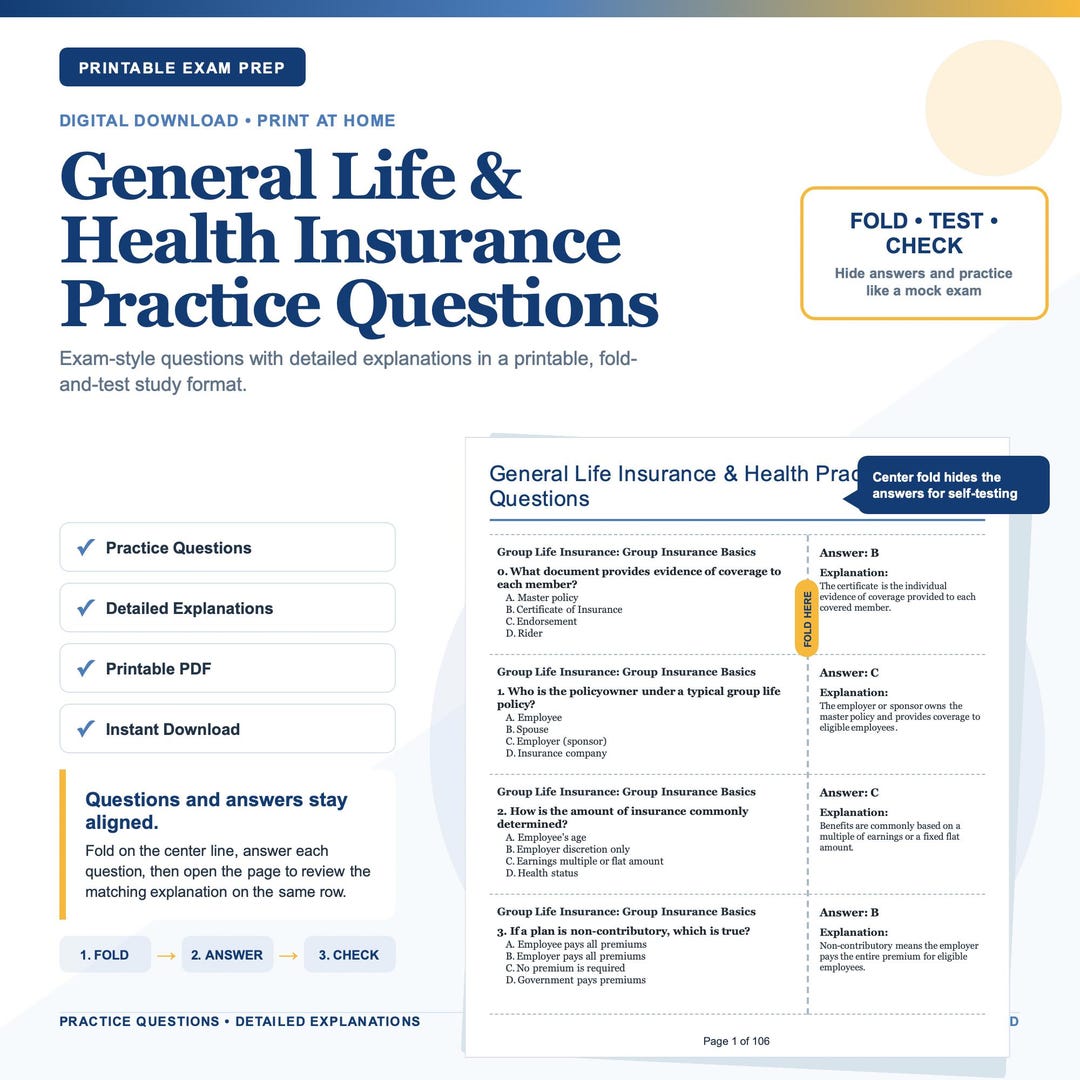
The exams cover both general insurance concepts and Arizona-specific laws. The "Arizona Statutes and Rules Common to All Lines" section of the exam was heavily revised to include the new DIFI organizational structure and the updated fingerprinting requirements. For Life and Health specifically, the exam covers:
- Life Insurance Basics: Types of policies, premiums, and beneficiaries.
- Health Insurance Basics: Medical expense insurance, disability income, and AD&D.
- Arizona Laws: Marketing practices, unfair trade practices, and the Life and Disability Insurance Guaranty Fund.
Practical Steps for Producers in 2026
If you are a Life and Health producer operating in Arizona today, you are benefiting from the streamlined processes established during the 2019 change. To maintain compliance, follow these steps:
- Monitor Your NIPR Account: Ensure your contact information is current. Under Arizona law, you must notify DIFI of any address change within 30 days.
- Verify CE Early: Do not wait until your birth month to check your SBS transcripts. Providers can take up to 15 days to upload credits.
- Maintain Your Fingerprint Card: Ensure your DPS Fingerprint Clearance Card remains valid. While the license renewal is every four years, the card may have different expiration parameters depending on when it was issued.
- Review the Best Interest Rule: If you are involved in Life insurance or annuities, stay updated on the latest "Best Interest" standards which have evolved from the 2019 NAIC models.
Frequently Asked Questions
What was the most significant part of the 2019 Arizona insurance license change?
The most significant change was the merger of the Department of Insurance into the Department of Insurance and Financial Institutions (DIFI) and the total transition to NIPR for licensing. This moved the state away from fragmented, paper-based processes and toward a centralized, digital national standard.
Do I need to get fingerprinted again if I was licensed before 2019?
Generally, if you have maintained an active license and your fingerprints are already on file with the DPS system via a Fingerprint Clearance Card, you do not need to re-print for a simple renewal. However, if you are adding a new line of authority or if your license has lapsed, you will likely need to follow the current IVP fingerprinting process.
How many hours of continuing education do I need for a Life and Health license?
Arizona requires 48 hours of continuing education every four years for resident producers. Within those 48 hours, at least six hours must be dedicated to ethics. This requirement applies whether you hold a single line (Life) or multiple lines (Life and Health).
Is the Arizona insurance exam harder since the 2019 changes?
The exam is not necessarily "harder," but it is more comprehensive regarding state-specific regulations and consumer protection. The 2019 updates ensured that the exam reflects the current structure of DIFI and the latest ethical standards required by the Arizona Revised Statutes.
Can I still use paper forms to renew my Arizona insurance license?
No. Since the 2019 transition to NIPR, Arizona DIFI requires all producer license renewals to be submitted electronically through the NIPR website. Paper renewals are no longer accepted except in very rare cases of documented technological hardship or specific exemptions granted by the Director.
Final Recommendation
For any insurance professional or agency compliance officer, the lesson of the 2019 Arizona life and health insurance license change is the importance of digital readiness. The state has moved decisively toward a centralized, electronic, and nationalized system. To ensure success in 2026 and beyond, producers should habitually use the NIPR and SBS portals to manage their credentials, complete their CE requirements well in advance of their birth-month deadlines, and stay informed on Title 20 statutory updates through official DIFI bulletins.