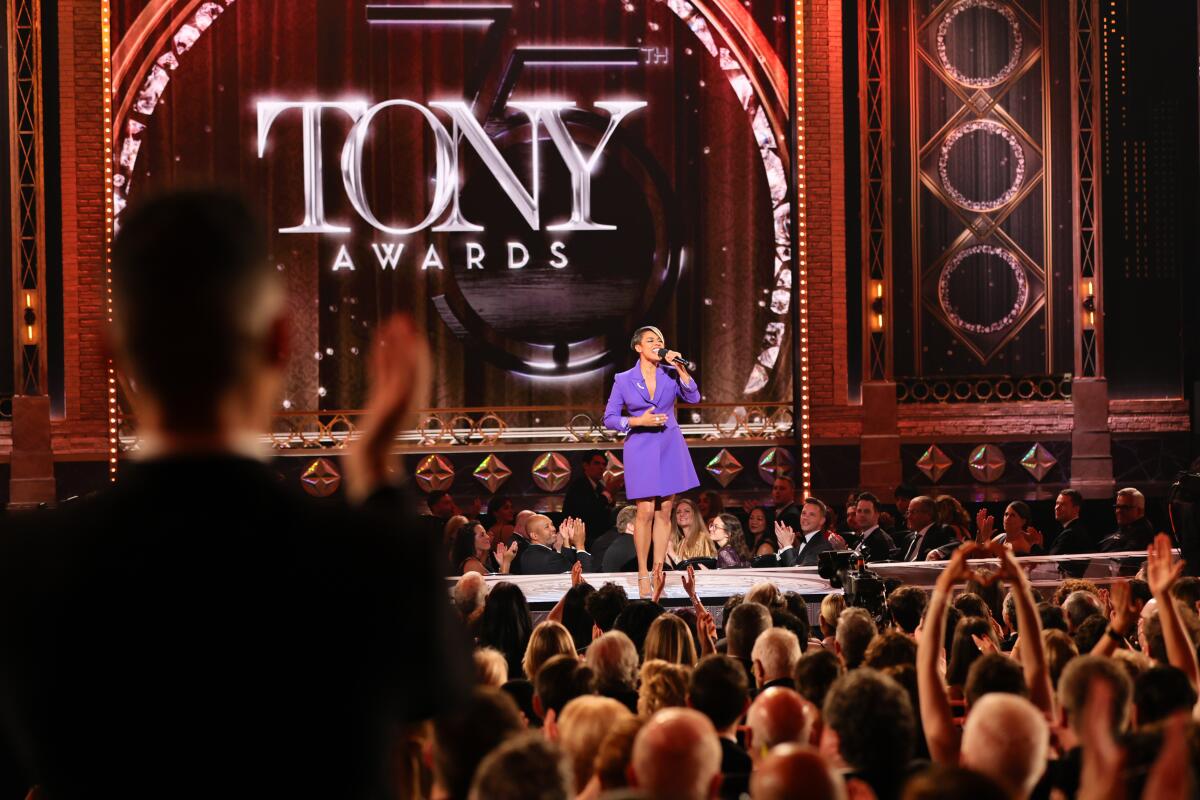
Ariana DeBose’s dynamic relationship with the Tony Awards—spanning her celebrated hosting stints, historic performances, and the broader cultural spotlight she commands—highlights her status as a powerhouse figure in contemporary musical theater. This examination explores her history with the ceremony, the impact of her multi-year hosting tenure, and her enduring influence on Broadway's biggest night.
Introduction to Ariana DeBose and Broadway
The intersection of Ariana DeBose and the American Theatre Wing’s Antoinette Perry Award for Excellence in Broadway Theatre, universally known as the Tony Awards, represents a modern era of theatrical celebration. DeBose, an Academy Award-winning actress, singer, and dancer whose roots are firmly planted on the Broadway stage, has redefined what it means to anchor a live televised award show. Her presence at the Tonys goes beyond standard hosting duties; she embodies the versatility required of 21st-century triple-threat performers, shifting seamlessly between high-octane opening numbers, emotional stage introductions, and graceful navigation of live television unscripted moments.
Understanding the magnitude of DeBose in the Tony spotlight requires examining her theatrical lineage. Before claiming international acclaim as Anita in Steven Spielberg’s film adaptation of West Side Story, DeBose built her career on the Broadway asphalt, starring in productions such as Bring It On: The Musical, Motown: The Musical, Pippin, Hamilton (as part of the original ensemble), A Bronx Tale, and earning a Tony Award nomination for Best Featured Actress in a Musical for her trailblazing work as Disco Donna in Summer: The Donna Summer Musical. This deep institutional knowledge of Broadway culture gives her hosting and performance appearances an authenticity that resonates deeply with theater professionals and home audiences alike.
The Evolution of the Tony Awards Hosting Legacy
Hosting the Tony Awards is widely considered one of the most demanding assignments in live television. The broadcast must appeal to a massive national television audience that may not be intimately familiar with the current Broadway season, while simultaneously satisfying the hyper-critical, deeply invested community of theater practitioners sitting inside the auditorium. Historically, the gig has fallen to seasoned Broadway royalty or late-night television veterans. When producers turned to Ariana DeBose to host the 75th Tony Awards in 2022, they selected an artist who bridged the gap between traditional stage craftsmanship and contemporary pop-culture relevance.
DeBose’s inaugural hosting turn at Radio City Music Hall in June 2022 set a high standard. Kicking off the evening with a breathless, intricately choreographed medley celebrating the return of Broadway after pandemic-related closures, she demonstrated her physical stamina and theatrical instincts. This opening number established a template for her tenure: high-energy, inclusive, and deeply respectful of the theatrical art form.
Key Elements of DeBose’s Hosting Style
- Choreographic Integration: Rather than relying solely on stand-up monologues, DeBose uses dance as a primary storytelling medium during her openings.
- Inclusivity and Representation: As an Afro-Latina and openly queer woman, her presence on the stage marks a historic milestone for diversity in major awards show broadcasting.
- Pacing and Poise: Live television is fraught with timing challenges, teleprompter glitches, and unexpected winner reactions. DeBose has consistently displayed a live-theater veteran's ability to pivot smoothly.
Memorable Performances and Viral Moments
While hosting duties form the core of DeBose’s recent Tony Awards history, her specific performance segments have frequently generated widespread cultural conversation. In the realm of entertainment television, few moments in recent years achieved the viral velocity of her opening rap at the 76th Tony Awards in 2023. Performed without a traditional opening monologue—due to the Writers Guild of America strike, which prohibited union writers from providing material—DeBose opened the show with a spoken-word and musical composition that listed the nominated actors, famously shouting out nominees like Ariana Grande and others in a rhythm that instantly inspired internet memes, TikTok recreations, and intense public debate.
The 2023 opening number exemplified the high-wire act of modern awards broadcasting. While some critics debated the stylistic choices of the rap, the segment undeniably captured the cultural zeitgeist, proving that the Tony Awards could generate mainstream digital engagement well beyond traditional theater fans. DeBose addressed the unique constraints of the evening with characteristic grace, leaning into the unscripted nature of an event produced under strict industry limitations.
Comparison of Hosting Eras: Traditional vs. Modern
The role of the Tony Awards host has evolved significantly over the decades. Examining DeBose's contributions within the context of past hosts highlights a generational shift in how awards shows are conceptualized and executed.
| Hosting Era | Primary Focus | Notable Characteristics | Audience Engagement Style |
|---|---|---|---|
| Traditional (e.g., Angela Lansbury, Neil Patrick Harris) | Institutional prestige, theatrical tradition, polished comedy sketches. | Heavy reliance on traditional Broadway show tunes, tuxedo-clad presentation, structured variety-show pacing. | Direct address to theater insiders and legacy television viewers. |
| Modern/Contemporary (e.g., Ariana DeBose) | Multi-platform crossover appeal, athletic choreography, digital virality, pop-culture integration. | Heavy emphasis on dance, fast-paced medleys, social media resonance, spontaneous crowd work. | Dual focus on live theater attendees and digital-native audiences across global streaming platforms. |
Cultural Impact and Representation on Broadway's Biggest Stage
The significance of Ariana DeBose occupying the primary spotlight at the Tony Awards extends far beyond entertainment value. Representation matters profoundly in an industry that has historically struggled with equitable casting, behind-the-scenes leadership, and institutional diversity. By anchoring the broadcast, DeBose serves as a visible beacon for aspiring artists of color and LGBTQ+ performers who watch the ceremony from home.
Her journey from ensemble member in landmark shows like Hamilton to center-stage master of ceremonies illustrates a changing guard within the theatrical ecosystem. Broadway has often been critiqued as an insular, slow-to-change institution. Placing an artist of DeBose's background and modern sensibility at the helm of its premier celebration signals a deliberate effort to modernize the brand of live theater for a younger, more diverse demographic.
Challenges and Criticisms in the Limelight
Being in the center of the theatrical spotlight naturally invites intense scrutiny. Live television is an unforgiving medium, and awards show hosts are perennial targets for polarized public opinion. DeBose's high-visibility numbers have occasionally sparked polarized discussions across social media platforms. The 2023 "Act II" rap, in particular, became a flashpoint for conversations about the boundaries of awards show humor and the adaptation of theatrical conventions for television.
However, industry analysts frequently point out that generating conversation is often a primary metric of success in modern television broadcasting. In an era where linear television ratings face severe headwinds from streaming and digital fragmentation, an awards show host who can command global attention—whether through praise or critique—keeps the cultural conversation focused on Broadway theater for days following the broadcast. DeBose’s ability to weather public discourse while maintaining her professional poise underscores her resilience as a seasoned stage performer accustomed to the rigorous demands of the spotlight.
Frequently Asked Questions
How many times has Ariana DeBose hosted the Tony Awards?
Ariana DeBose has hosted the Tony Awards multiple times, most notably anchoring consecutive landmark ceremonies in 2022 (the 75th Tony Awards at Radio City Music Hall) and 2023 (the 76th Tony Awards at the United Palace). Her consecutive outings cemented her status as a primary modern face for the broadcast.
Why did Ariana DeBose’s 2023 Tony Awards opening go viral?
Her 2023 opening went viral primarily because she performed an entirely unscripted (due to the WGA strike) rap and musical introduction that listed the evening's nominees. The energetic delivery, combined with the unique constraints under which the show was produced, sparked widespread online memes and intense media commentary across social media platforms.
What is Ariana DeBose’s background in Broadway theater?
Before achieving mainstream film success, DeBose spent over a decade working as a Broadway stage actress and dancer. Her theater credits include ensemble and principal roles in Bring It On: The Musical, Motown: The Musical, Pippin, the original Broadway cast of Hamilton, A Bronx Tale, and a Tony Award-nominated starring turn in Summer: The Donna Summer Musical.
What role do dance and choreography play in DeBose’s hosting style?
Unlike hosts who rely strictly on traditional stand-up monologues or dialogue-driven comedy, DeBose leverages her extensive professional dance background to open ceremonies with complex, high-energy musical and choreographic numbers that physically celebrate the season's theatrical output.
How do Tony Awards producers select hosts for the broadcast?
Producers look for individuals who possess a deep understanding of live theater, high-level charisma, television appeal, and the physical stamina required to manage a multi-hour live broadcast. The selection often balances traditional Broadway credibility with broader pop-culture reach to attract diverse viewership.
Conclusion and Next Actions
Ariana DeBose’s tenure in the Tony Awards spotlight demonstrates the power of authentic theatrical training combined with modern media savvy. For theater fans, industry professionals, and cultural analysts, tracking her ongoing contributions to the arts offers a clear window into how Broadway continues to evolve in the twenty-first century. To further explore this topic, interested audiences can review archival broadcasts of the 75th and 76th Tony Awards via official streaming partners or study the historical roster of trailblazers who have shaped Broadway's biggest night over the past several decades.