Archer GRC (Governance, Risk, and Compliance) is an industry-leading Integrated Risk Management (IRM) platform designed to centralize risk data and automate governance workflows. In 2026, the software serves as a critical bridge between operational activities—including Customer Relationship Management (CRM) data—and corporate oversight, ensuring that enterprise-level risks are identified, assessed, and mitigated within a unified digital ecosystem.
The Evolution of Archer GRC in the Enterprise Landscape
Archer, formerly known as RSA Archer, has evolved significantly since its inception. By 2026, it has fully transitioned into a cloud-native platform that prioritizes user experience and cross-functional integration. The core purpose of Archer GRC is to provide a "single source of truth" for an organization’s risk posture. In a globalized economy where regulatory requirements such as GDPR, CCPA, and emerging AI-specific mandates are constantly shifting, Archer allows enterprises to move away from fragmented spreadsheets and manual tracking.
The software is built on a modular architecture, allowing organizations to start with specific domains—such as IT Security Risk or Audit Management—and scale into a full IRM maturity model. For enterprises utilizing CRM software like Salesforce or Microsoft Dynamics, Archer provides the necessary governance layer to manage the risks associated with customer data privacy, third-party vendor access, and contractual compliance.
Bridging the Gap: Why GRC and CRM Integration is Essential
While CRM systems are designed to maximize customer engagement and sales efficiency, they often act as significant repositories of sensitive Information (PII). In the context of enterprise governance, a CRM is not just a sales tool; it is a high-risk asset. Archer GRC integrates with these systems to ensure that customer-facing activities align with internal policies and external regulations.
Data Privacy and Compliance
The most immediate need for Archer GRC within the CRM environment is data privacy. As of 2026, privacy laws have become more stringent regarding how customer data is processed and stored. Archer’s Privacy & Data Protection module can ingest data from CRM systems to map data flows, conduct Data Protection Impact Assessments (DPIAs), and monitor for potential compliance breaches in real-time.
Third-Party and Fourth-Party Risk
Many CRM ecosystems rely on third-party plugins and integrations. Archer’s Third-Party Risk Management (TPRM) capabilities allow governance teams to vet every vendor that touches CRM data. This ensures that a vulnerability in a small CRM add-on does not lead to a massive enterprise-wide data breach.
Ethical Governance and AI
With many CRMs now utilizing autonomous AI agents for lead scoring and customer interaction, Archer provides a framework for AI governance. This includes monitoring the CRM’s AI outputs for bias, ensuring transparency in automated decision-making, and maintaining a human-in-the-loop for high-stakes customer interactions.
Key Modules for Enterprise Governance in Archer GRC
To understand how Archer supports enterprise governance, one must look at the specific "Use Cases" or modules that form the backbone of the platform.
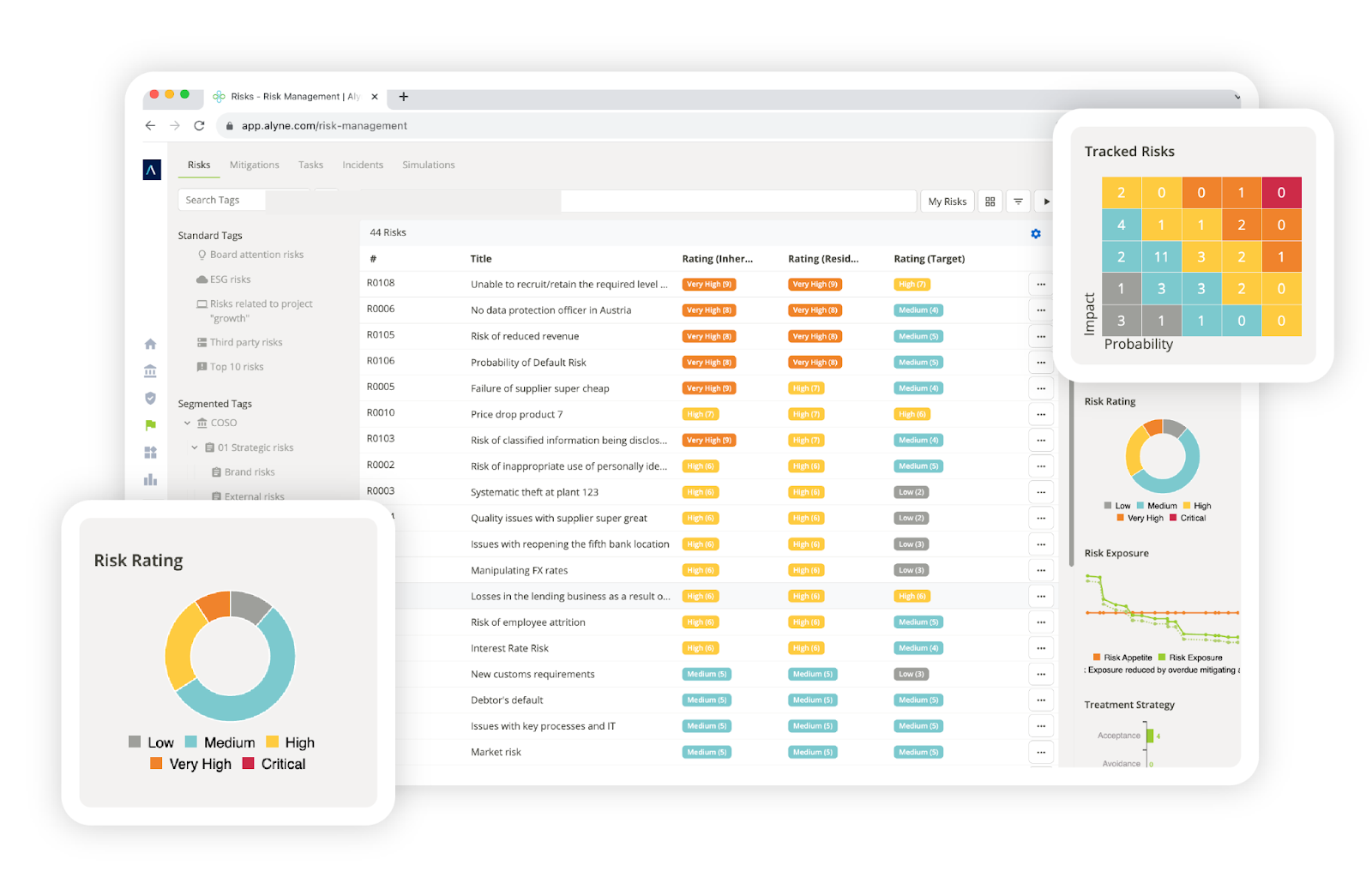
- Enterprise & Operational Risk Management: This module provides a central repository for the enterprise risk universe. It allows leaders to define risk appetite and tolerance levels, linking them directly to the data coming out of business units, including sales and customer service.
- IT & Security Risk Management: For technical teams, this is the most critical module. It integrates with security scanning tools and asset management databases to identify vulnerabilities that could impact the CRM or other core infrastructure.
- Regulatory & Corporate Compliance: This module maps internal controls to external regulatory requirements. If a new law is passed in a specific jurisdiction where the company has customers, Archer can automatically notify the relevant stakeholders to update their CRM data handling procedures.
- Audit Management: By automating the collection of evidence, Archer reduces the "audit fatigue" often felt by sales and IT teams. Auditors can see a clear trail of how customer data was handled and whether the controls were operating effectively.
Technical Requirements and Implementation Prerequisites
Implementing Archer GRC at an enterprise scale is a significant undertaking that requires both technical readiness and cultural alignment.
Deployment Models
As of 2026, most new Archer implementations are SaaS-based (Software as a Service), hosted on Archer’s own cloud infrastructure. This model offers the fastest access to new features and reduces the burden on internal IT teams. However, for organizations in highly regulated sectors like defense or national banking, on-premises or private cloud deployments remain available to satisfy strict data sovereignty requirements.
Integration Capabilities
To effectively govern a CRM, Archer utilizes its Data Feed Manager and Web Services API. These tools allow for:
- Restful API Integrations: Real-time data exchange between Archer and CRMs.
- SQL-to-SQL Connections: For legacy on-premise systems.
- On-Demand Applications (ODAs): Custom-built applications within Archer that can be tailored to unique business processes not covered by "out-of-the-box" modules.
Prerequisites for Success
- Defined Risk Taxonomy: Before software can help, the organization must agree on what constitutes a "high," "medium," or "low" risk.
- Executive Buy-in: GRC is not just an IT project; it requires support from the C-suite (CEO, CRO, CISO) to ensure departmental cooperation.
- Data Cleanliness: Integrating Archer with a CRM containing "dirty" or duplicate data will only result in inaccurate risk reporting.
Archer GRC vs. Market Competitors: 2026 Comparison
When selecting a GRC platform to manage enterprise governance and CRM risks, it is helpful to compare Archer against other major players in the space.
| Feature | Archer GRC | ServiceNow IRM | MetricStream | OneTrust |
|---|---|---|---|---|
| Primary Strength | Deep Risk Analytics & Customization | IT Workflow Integration | Regulatory Content & Intelligence | Privacy & ESG Specialization |
| User Interface | Highly configurable, modern 2026 UI | Unified with ITOM/ITSM | Industry-specific templates | Focused on "Ease of Use" |
| CRM Integration | Robust via Data Feed Manager | Native for ServiceNow CRM | Strong API Support | Deep Privacy-level Integration |
| Scalability | High (Global Enterprises) | High (IT-centric firms) | Medium to High | High (Privacy focus) |
| AI Capabilities | Archer Insight (Quantification) | Now Assist (Generative AI) | AiDA (AI Risk Assistant) | Privacy Automation |
Step-by-Step Approach to Implementing Archer Governance
Successfully deploying Archer GRC requires a phased approach to avoid overwhelming the organization.
Phase 1: Discovery and Foundation
Identify the primary "pain points." Is the company failing audits? Is there a lack of visibility into CRM data privacy? During this phase, the core Archer platform is installed, and the organizational hierarchy (the "Business Hierarchy") is defined.
Phase 2: Domain Setup
Select the first module for rollout. Most organizations start with IT Security Risk or Policy Management. This involves importing existing policies and mapping them to the relevant assets, including the CRM infrastructure.
Phase 3: Integration and Automation
Connect Archer to external data sources. This is where the integration with CRM software occurs. Automated data feeds are established to pull in user access logs, customer data volume metrics, and incident reports.
Phase 4: Reporting and Optimization
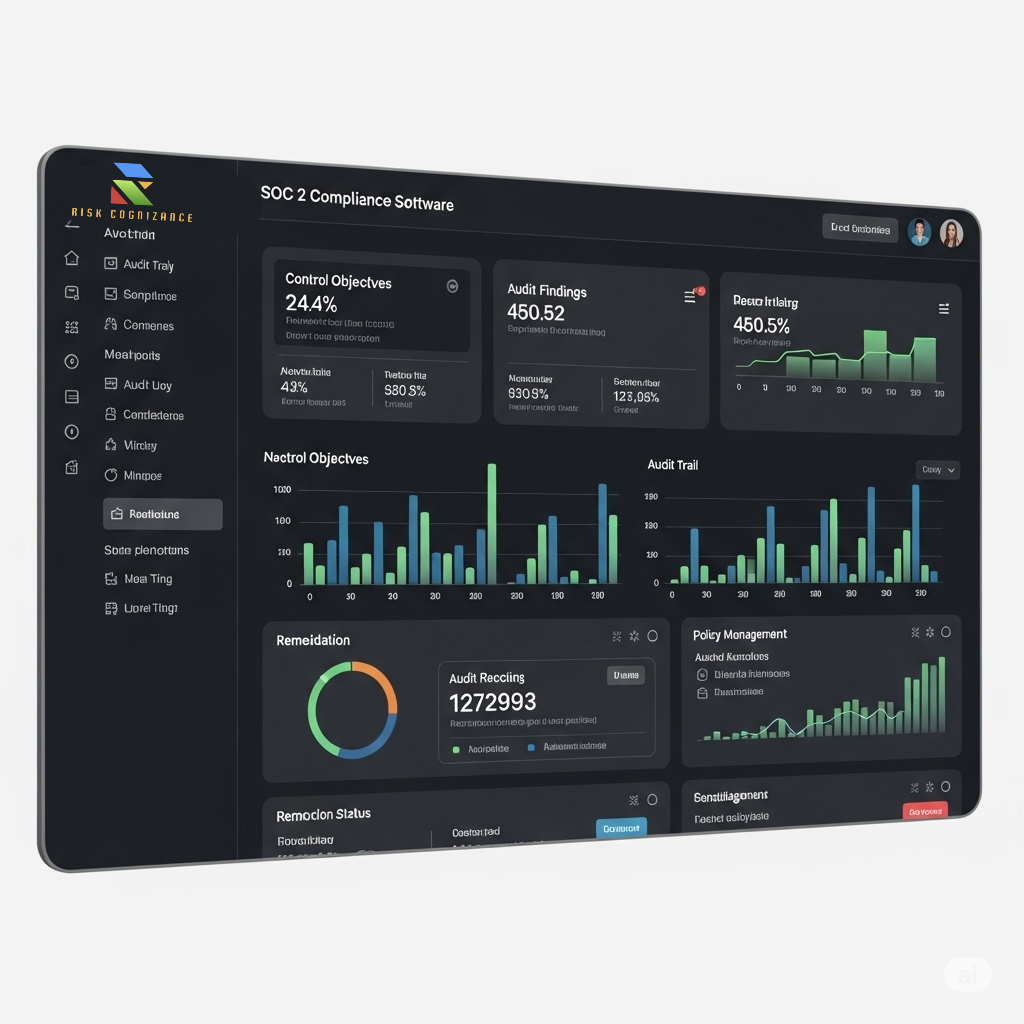
Develop dashboards for different stakeholders. A CISO might want a high-level view of all security vulnerabilities, while a Privacy Officer needs a detailed report on CRM data access requests.
Common Pitfalls and Troubleshooting
Even with a powerful tool like Archer, implementation can fail if common mistakes are not addressed.
- Over-Customization: One of Archer's greatest strengths is its flexibility, but over-customizing the platform can make future upgrades difficult. It is generally recommended to stay as close to "out-of-the-box" functionality as possible.
- Insufficient Training: GRC tools are complex. Without proper training for both "Power Users" (administrators) and "End Users" (those performing risk assessments), the system will suffer from low adoption.
- Siloed Data: If the CRM team does not communicate with the GRC team, the integration will provide a skewed view of reality. Governance must be a cross-functional effort.
For troubleshooting data feed issues, administrators should first check the Job Framework within Archer to ensure that scheduled tasks are running and that the API credentials for the CRM have not expired.
The Future of Governance: Archer Insight and AI
In 2026, Archer has doubled down on Risk Quantification. Through the Archer Insight suite, the platform uses Monte Carlo simulations and other mathematical models to translate technical risks into financial terms. For example, instead of simply telling the board that the "CRM has a high-security risk," Archer can estimate that a potential breach would cost the company between $12 million and $18 million in fines and lost revenue.
This shift from qualitative (Red/Yellow/Green) to quantitative ($) reporting is the hallmark of modern enterprise governance. It allows executives to make informed decisions about where to allocate budget—whether that means buying more insurance, upgrading CRM security, or accepting the risk.
Frequently Asked Questions
Is Archer GRC considered a CRM?
No, Archer GRC is not a Customer Relationship Management (CRM) tool. It is an Integrated Risk Management platform. However, it often integrates with CRMs to govern the data, privacy, and security risks associated with customer management processes.
How does Archer handle 2026 global privacy regulations?
Archer provides a dedicated Privacy & Data Protection module that is updated with the latest global regulatory requirements. It allows organizations to map their data processing activities, such as those within a CRM, to specific legal requirements like GDPR or the latest AI Act, ensuring continuous compliance.
Can Archer GRC be used by small businesses?
While Archer is highly scalable, it is primarily designed for large enterprises with complex risk and compliance needs. The cost of licensing and the technical expertise required for implementation usually make it more suitable for organizations with at least 1,000 employees or those in highly regulated industries.
What is the difference between Archer IRM and Archer GRC?
"GRC" (Governance, Risk, and Compliance) is the traditional term for the field, while "IRM" (Integrated Risk Management) is a more modern approach that focuses on the interconnected nature of risk across the business. Archer uses both terms, but its current 2026 platform is designed as a full IRM solution to provide a holistic view of enterprise risk.
Does Archer integrate with Salesforce or Microsoft Dynamics?
Yes, Archer can integrate with major CRM platforms like Salesforce and Microsoft Dynamics using its Data Feed Manager and APIs. This allows for the automated monitoring of customer data access, vendor risks, and compliance with data retention policies.
Practical Recommendations for 2026
For organizations looking to enhance their enterprise governance through Archer GRC and CRM integration, the next steps should focus on alignment and data integrity.
- Conduct a Gap Analysis: Evaluate your current governance maturity. Are you still using spreadsheets to track CRM risks? If so, identify which Archer module (likely Privacy or IT Risk) would provide the most immediate value.
- Audit Your CRM Data: Before connecting your CRM to Archer, ensure the data is accurate and that user permissions are correctly defined. This ensures the "Risk Score" generated by Archer is based on reality.
- Leverage Official Documentation: Always refer to the Archer Community and official documentation for the latest technical specifications on API versions and supported integration patterns.
- Focus on Risk Quantification: Move beyond simple compliance checklists. Use Archer Insight to quantify the financial impact of your CRM-related risks, providing the board with actionable data.
By treating the CRM not just as a sales tool but as a governed asset, and by leveraging Archer’s powerful IRM capabilities, enterprises can protect their reputation, stay compliant with global laws, and make more strategic risk-based decisions in 2026.