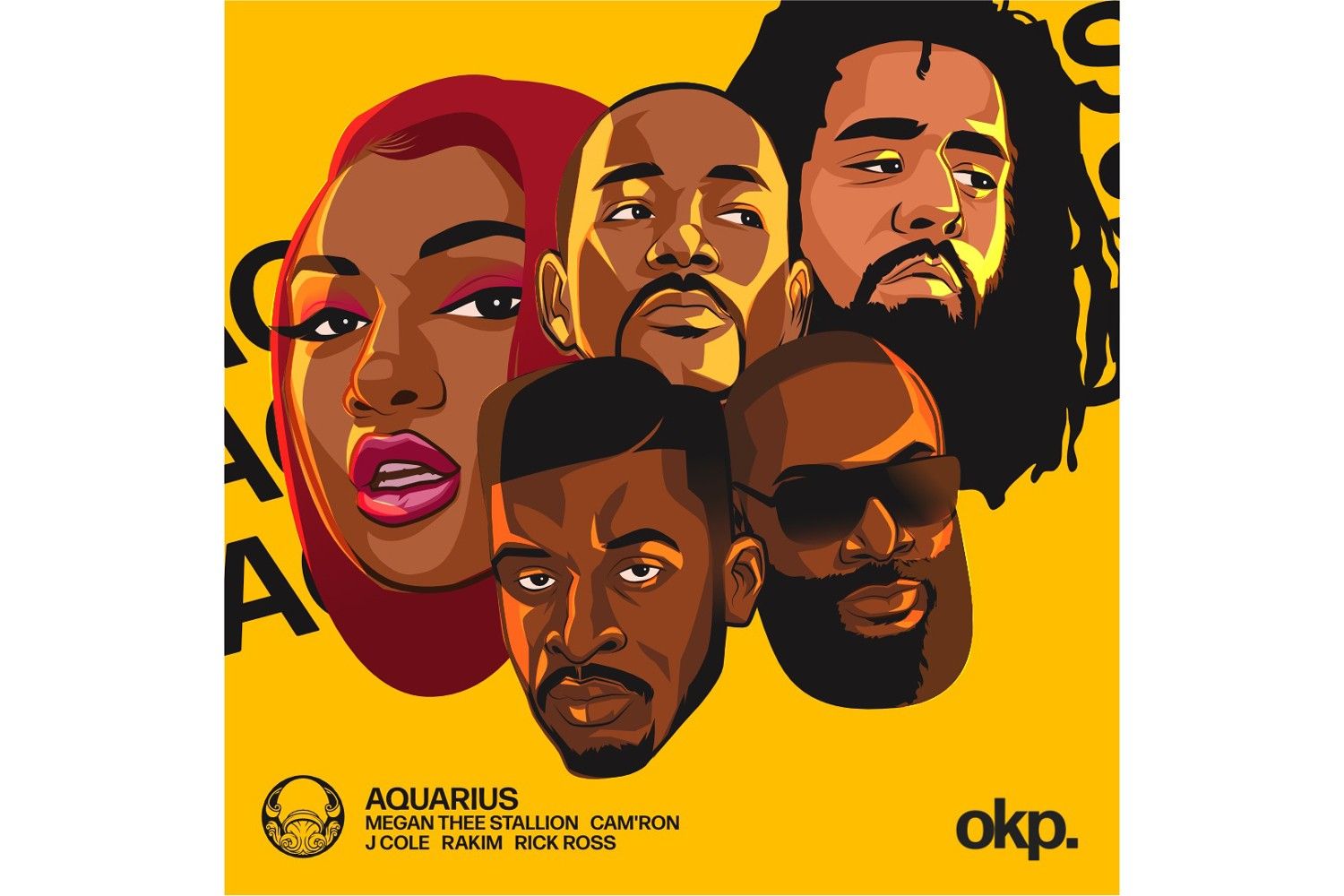
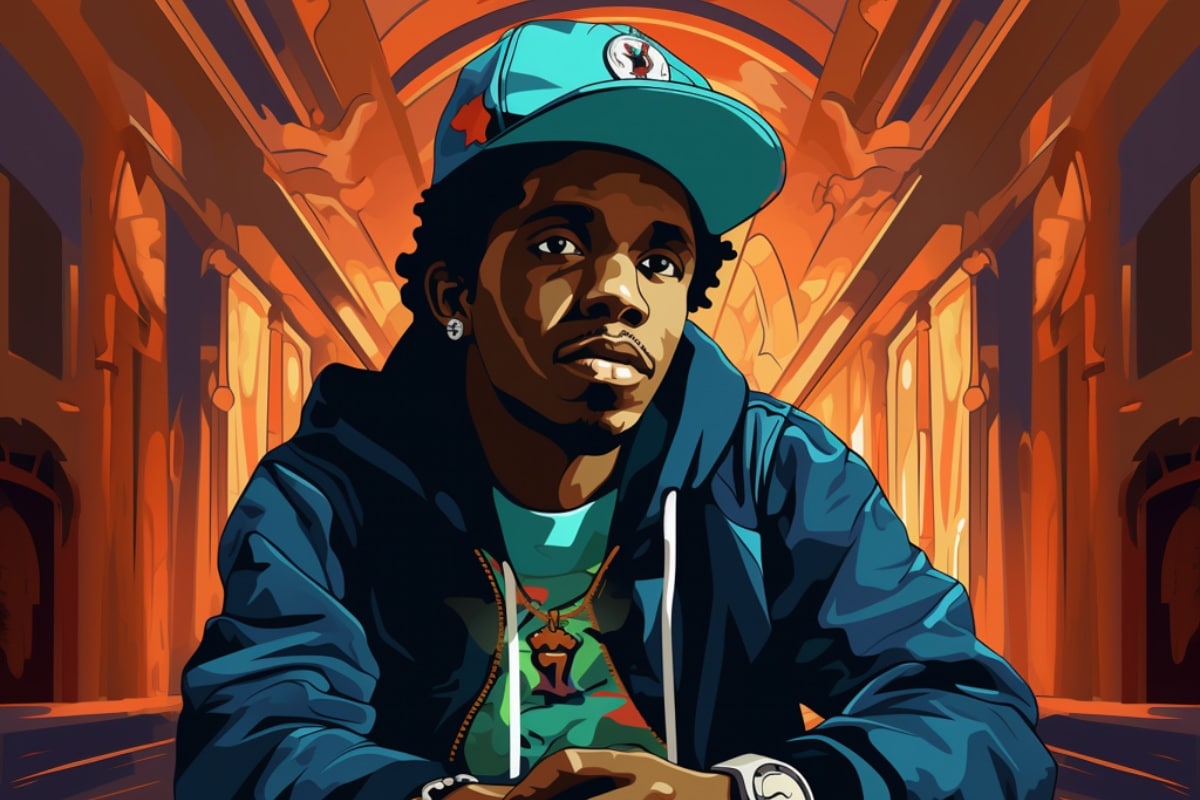
Aquarius rappers are widely recognized for bringing a distinctive blend of visionary thinking, intellectual depth, and non-conformist energy to the hip-hop landscape. Born between January 20 and February 18, these artists often leverage their inherent trait of originality to challenge industry norms, influence sub-genres, and foster cultural shifts that extend far beyond the recording studio.
The astrological sign of Aquarius, governed by Saturn and Uranus, is traditionally associated with innovation, rebellion, and humanitarian perspectives. In the context of hip-hop—a genre built on the foundations of disruption and social commentary—it is perhaps no coincidence that some of the most influential figures in music history fall under this sign. Understanding the influence of these rappers requires looking at how their creative output reflects these fixed-air sign characteristics, moving from experimental production styles to lyrics that prioritize social consciousness and futuristic concepts.
Defining the Aquarius Persona in Hip-Hop
In astrology, Aquarius is a fixed-air sign, representing the archetype of the "Water Bearer." This symbolism translates well into the music industry, where these artists act as conduits for new ideas, "pouring" knowledge or experimental sounds into the collective consciousness of their listeners.
Unlike the emotional volatility associated with water signs or the grounded nature of earth signs, Aquarius artists typically exhibit a detached, analytical approach to their craft. They often operate as outsiders looking in, which provides them with a unique vantage point to critique the music industry and society at large. This detachment is frequently mistaken for aloofness, but in reality, it is a prerequisite for the kind of objective, forward-thinking songwriting that has redefined the genre over the last four decades.
Core Artistic Traits of Aquarius Rappers
The influence of these artists stems from a handful of recurring characteristics. These are not merely coincidental personality traits; they are consistent artistic signatures that define how these individuals engage with their audience and their peers.
- Non-Conformity: Aquarius rappers rarely adhere to the "formula" of a hit song. Whether it is through the experimental jazz-rap fusion of the early 90s or the hyper-melodic, auto-tuned soundscapes of the mid-2020s, these artists are often the first to break away from established trends.
- Intellectualism and Philosophy: Many rappers born under this sign utilize their platforms to explore existential questions, societal structures, and complex personal narratives. They are more likely to reference philosophy, science, or technology in their work, moving the needle away from standard braggadocio toward introspective storytelling.
- Community Orientation: Despite their reputation for being loners, Aquarius is the sign of the collective. This manifests in the music world through the formation of collectives, the mentorship of younger artists, and a consistent focus on uplifting their communities.
- Technological Adoption: With Uranus as their ruling planet, these artists are often at the forefront of adopting new production techniques, distribution models, or visual storytelling methods.
Significant Figures: A Comparative Overview
To understand the scope of this influence, one must look at the specific contributions of prominent artists. Each of these individuals has utilized their inherent Aquarius-driven perspective to shift the cultural conversation.
| Artist | Known For | Primary Impact |
|---|---|---|
| J. Cole | Lyrical depth, storytelling | Bridged the gap between conscious rap and commercial success. |
| Dr. Dre | G-Funk, production standards | Redefined high-fidelity sound engineering in hip-hop. |
| Megan Thee Stallion | Empowered lyricism, performance | Redefined feminine agency in a male-dominated industry. |
| Logic | Technical lyricism, mental health advocacy | Used narrative-driven concept albums to address social issues. |
| Gucci Mane | Trap music foundational evolution | Pioneered the "mixtape grind" and independent distribution. |
J. Cole and the Power of the "Relatable Intellectual"
J. Cole embodies the humanitarian spirit of Aquarius. His work consistently focuses on the struggles of the working class and the complexities of human identity. By choosing to stay grounded rather than adopting the typical "superstar" persona, he influenced a generation of rappers to prioritize lyrical honesty over high-gloss commercialism. His impact is found in the "everyman" movement, where listeners value the authenticity of his struggle.
Dr. Dre and the Engineering of the Future
Dr. Dre’s Aquarius nature manifests as perfectionism and a drive to innovate sound. His ability to modernize production through the G-Funk era and his later focus on high-fidelity audio equipment illustrates the sign’s obsession with the "new" and the "perfect." He transformed rap from a street-level cultural movement into a globally standardized professional industry.
Megan Thee Stallion and the Shift in Narrative
The influence of Megan Thee Stallion extends to the autonomy of the performer. As an artist who emphasizes self-assurance and academic pursuit, she challenges the reductive tropes often placed upon female rappers. Her influence lies in the reclamation of power, demonstrating the Aquarius ability to define one’s own path regardless of external criticism.
The Role of Collective Innovation
The "Aquarius influence" is not limited to individual success; it is visible in how these artists foster creative ecosystems. Aquarius is the sign of the network. Many of the most successful collaborative efforts in hip-hop history—from the Death Row Records era to modern independent label collectives—have been helmed or significantly influenced by Aquarius energy.
These artists tend to build teams that function like small "think tanks." They value intellectual contribution over blind loyalty, creating environments where ideas are challenged and refined. This approach has led to some of the most cohesive albums in the genre’s history, where the production, branding, and lyrical content are aligned under a singular, forward-thinking vision.
Challenges and Limitations
Despite their reputation for being visionary, Aquarius rappers often face specific professional hurdles:
- Public Misunderstanding: Their tendency to be ahead of the curve can result in lukewarm initial receptions to truly experimental work.
- Emotional Distance: Critics sometimes struggle to connect with their music, viewing it as "too cold" or "too clinical." This is a recurring friction point between Aquarius artists and listeners who prefer raw, visceral emotion.
- Burnout from Idealism: The pressure to be a "voice of a generation" or a "social beacon" can lead to periods of withdrawal. Their desire to change the world can sometimes conflict with the realities of a demanding, fast-paced music industry.
Why Aquarius Artists Remain Relevant in 2026
In 2026, the hip-hop industry continues to be shaped by the rapid evolution of technology and the fragmentation of mainstream culture. The Aquarius trait of being "digitally native" and comfortable with rapid change makes these artists perfectly suited for the current environment.
As streaming platforms continue to democratize access, the ability to build a cult following through niche, experimental, or highly specific thematic content—something Aquarius rappers excel at—is becoming a more viable path to longevity than chasing viral trends. The shift toward artists acting as brands and media conglomerates also mirrors the independent, multifaceted approach inherent to the Aquarius personality.
Frequently Asked Questions
Why are so many famous rappers Aquarius? While there is no scientific link between birth dates and musical talent, the traits associated with the Aquarius sign—innovation, rebellion, and a focus on the future—are fundamentally aligned with the core tenets of hip-hop culture. These characteristics often lead individuals to gravitate toward creative industries where they can challenge the status quo.
Does an Aquarius artist’s sign dictate their production style? While an artist’s sign does not dictate their technical ability, it often influences their artistic philosophy. Aquarius artists are frequently found experimenting with new sounds, utilizing unconventional production, or focusing on high-concept albums that push the boundaries of what is considered "standard" hip-hop production.
Are there common lyrical themes among Aquarius rappers? Common themes include social commentary, existentialism, individual freedom, and technology. Because Aquarius is an air sign, there is a strong emphasis on the "mental" aspect of life—how we think, how we organize society, and what the future holds for humanity.
How has the Aquarius influence changed since the 1990s? In the 1990s, the influence was largely focused on production innovation and the establishment of the rap mogul archetype. By 2026, the influence has evolved to include a heavy focus on personal mental health advocacy, the intersection of digital media and art, and the reclamation of narrative control, reflecting broader societal shifts.
Is the "outsider" status of these rappers a hurdle to commercial success? Historically, yes. However, in the modern digital economy, the "outsider" status has become a major advantage. It allows artists to cultivate loyal, niche fanbases that value the authenticity and the unique, unfiltered perspective that Aquarius rappers provide.
Next Steps for Aspiring Artists
If you are looking to draw inspiration from the trajectory of these influential figures, focus on the development of a distinct, cohesive artistic vision. The most successful Aquarius-aligned strategies in 2026 involve moving away from reactive content creation and toward building an intellectual framework for your work. Prioritize the development of a unique sound or message, engage with your audience as a collective rather than a commodity, and do not be afraid to lean into themes that the mainstream may currently view as experimental or "niche." The goal is not to chase the listener, but to create a space that the listener naturally wants to inhabit.