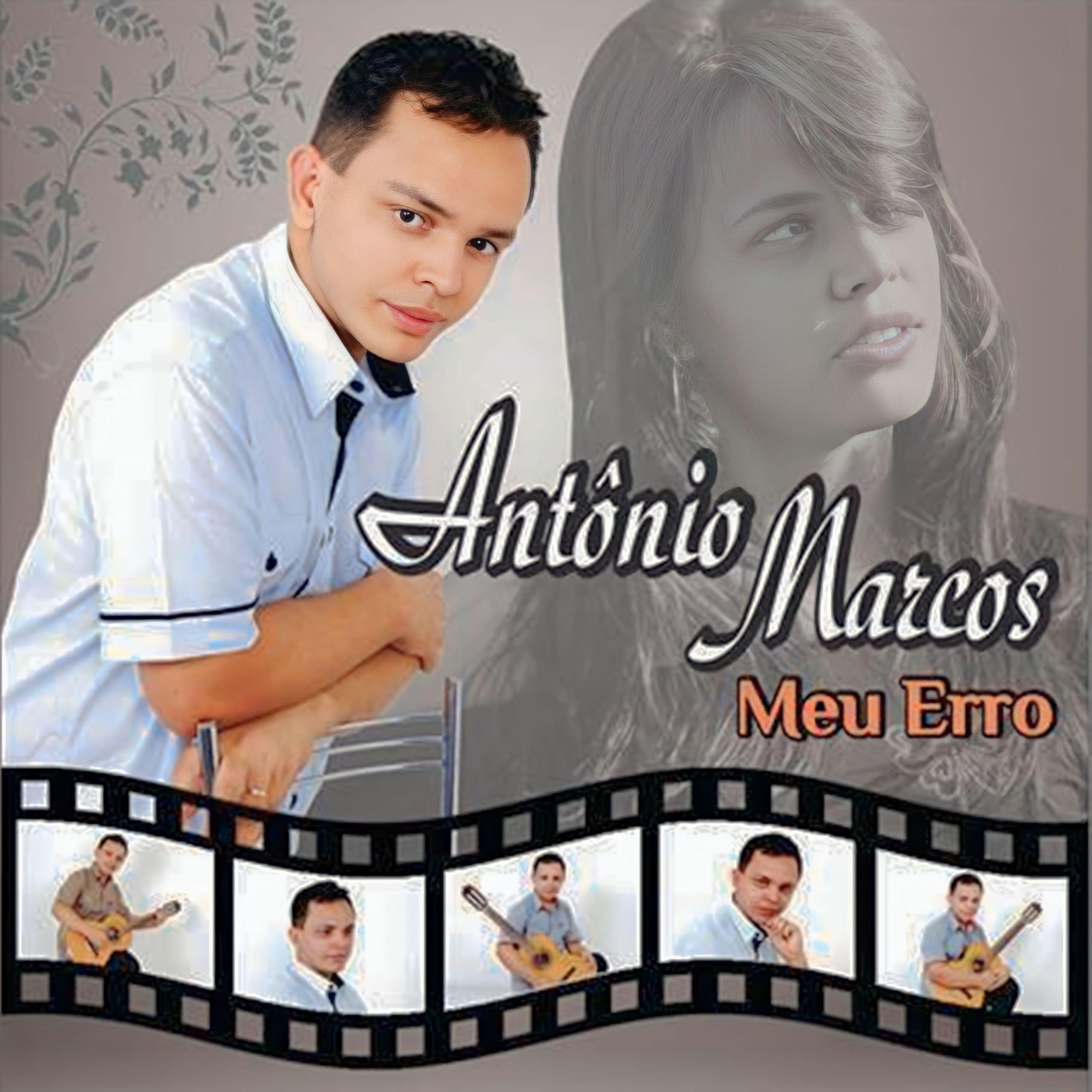
António Marcos was a celebrated Mozambican singer, songwriter, and guitarist who played a pivotal role in popularizing Marrabenta, Mozambique’s defining urban music genre. Best known for classic hits such as "Ma-Nluvhana," his vibrant guitar rhythms, soul-stirring vocal delivery, and poignant social commentary captured the struggles, romance, and everyday life of post-colonial Maputo.
Who Was António Marcos? Background and Historical Context
António Marcos stands as one of the fundamental figures in the history of Mozambican popular music. Emerging during a transformative era for Southern African culture, Marcos helped define the modern sound of Marrabenta—a urban dance style that originated in the suburban townships (bairros de caniço) of Maputo (then Lourenço Marques) during the mid-20th century.
EVOLUTION OF MARRABENTA
- Traditional Rhythms (Southern Mozambique) + Township Acoustic Guitars (Mafalala / Alto Maé)
- Early Street Marrabenta
- Electric Arrangements
- Studio Recording Era (Rádio Moçambique / RM)
- Modern Afro-Pop Fusion (Pandza / Contemporary)
Before the rise of commercial studio production in Mozambique, musical expression in urban centers was heavily localized. Musicians gathered in neighborhoods like Mafalala and Alto Maé, using homemade acoustic guitars, improvised scrapers, and percussion instruments to create fast-paced dance tracks. António Marcos emerged from this rich musical ecosystem, bridging the gap between informal township jam sessions and formal national broadcasting.
Marcos’s career developed alongside key political and social shifts in Mozambique. Following the nation's independence in 1975, popular music became a vital medium for building national identity, processing social change, and maintaining cultural cohesion. Through his recorded works and live performances, António Marcos became a household name across Mozambique and within the wider Lusophone African music community.
The Musical Style and Sound of António Marcos
To understand the contribution of António Marcos, one must understand the structural and rhythmic foundations of Marrabenta. The genre is characterized by its driving, syncopated 4/4 rhythm, fast fingerpicked guitar patterns (dedilhado), dynamic horn arrangements, and expressive vocal delivery.
Key Musical Elements of Marcos's Work
- Rhythmic Structure: Marrabenta relies on a galloping, danceable groove heavily influenced by traditional Southern Mozambican rhythms such as Maganha and Zore. António Marcos relied on tight rhythm sections featuring bass guitar, drums, and percussion to establish a buoyant backdrop for his melodies.
- Guitar Technique: As a guitarist and bandleader, Marcos emphasized rhythmic interplay. His guitar arrangements featured bright, high-register embellishments that complemented the primary chord progressions, a hallmark technique of Southeastern African guitar styles.
- Linguistic Versatility: Marcos primarily sang in Xitsonga (Shangaan), the predominant Bantu language of southern Mozambique, alongside Portuguese. This linguistic choice allowed him to communicate directly with working-class audiences while capturing subtle idiomatic expressions and cultural proverbs.
- Vocal Expression: His vocal style combined raw emotional power with warm storytelling capabilities. Whether delivering a upbeat dance tune or a reflective narrative, Marcos possessed a distinct tone that resonated across generations.
Major Songs and Discography Highlights
While Mozambican discographies from the 20th century were often documented through radio archives rather than commercial LP pressings, several of António Marcos's songs became timeless classics across Southern Africa.
"Ma-Nluvhana" (Manluvana)
"Ma-Nluvhana" is widely regarded as António Marcos's masterwork and one of the most famous tracks in the entire Marrabenta canon.
- Thematic Focus: The song addresses familial relationships, social expectations, and personal resilience. It offers humorous yet wise commentary on domestic life and interpersonal dynamics.
- Musical Composition: Built on a soaring guitar hook and a relentless dance beat, "Ma-Nluvhana" showcases Marcos’s vocal agility and call-and-response phrasing.
- Enduring Status: The track remains a staple on Mozambican radio playlists, family celebrations, and national holiday cultural programs.
"Wena Maria"
Another iconic recording, "Wena Maria" highlights Marcos's ability to weave romantic storytelling with vibrant urban rhythms. The song captures the classic Marrabenta lyric structure: addressing a character directly, exploring emotional dilemmas, and inviting the listener onto the dance floor.
"Schucka" and "Serena"
Tracks like "Schucka" and "Serena" demonstrate Marcos's versatility. These arrangements integrated electric basslines and modern drum kit patterns, reflecting the transition of Marrabenta from acoustic street performance to studio-produced popular music during the late 1980s and 1990s.
The Role of Rádio Moçambique in Preserving His Music
In the absence of a large-scale private recording industry during the post-independence period, Rádio Moçambique (RM) served as the central institution for recorded music in the country. The state broadcaster operated production studios where local artists recorded master tapes specifically for radio transmission and cultural preservation.
THE RADIO MOÇAMBIQUE ARCHIVE SYSTEM
- Live Studio Sessions
- 1/4-inch Master Tapes
- Ngoma Moçambique Broadcasts
- Modern Streaming / Reissues
António Marcos recorded many of his most celebrated tracks in the studios of Rádio Moçambique. These sessions were frequently featured on Ngoma Moçambique, the prestigious annual national music competition organized by the station to honor the country's top recording artists.
Because of Rádio Moçambique’s archival efforts, Marcos's master recordings were preserved despite the economic challenges and civil conflict that affected the region in the late 20th century. Today, these archival tapes form the backbone of historic compilations that keep his legacy accessible.
Comparative Overview: António Marcos and Marrabenta Pioneers
António Marcos was part of an elite generation of Mozambican artists who elevated Marrabenta to international acclaim. The following comparison contextualizes his role alongside other foundational figures of the genre.
| Musician / Group | Peak Era | Primary Style / Sub-genre | Key Signature Tracks | Musical & Cultural Legacy |
|---|---|---|---|---|
| António Marcos | 1980s–2000s | Classic Studio Marrabenta | "Ma-Nluvhana", "Wena Maria", "Schucka" | Renowned for master storytelling, infectious vocal hooks, and defining modern urban Marrabenta. |
| Fany Mpfumo | 1950s–1980s | Early Township Marrabenta / Jazz-Fusion | "Leswi Vangama", "Solo de Guitarra" | Considered the "Father of Marrabenta"; pioneered early electric guitar adaptations in South Africa and Mozambique. |
| Alexandre Langa | 1970s–1990s | Folk-Marrabenta / Proverbial Lyricism | "Loliwo", "Nwahulwana" | Master of combining traditional folklore, acoustic instrumentation, and social commentary. |
| Dilon Djindji | 1950s–Present | Traditional Marrabenta | "Podensana", "Marrabenta de Dilon" | Known as the "Grandfather of Marrabenta"; famous for high-energy live acoustic dance performances. |
| Orquestra Marrabenta Star de Moçambique | 1980s–1990s | Big-Band Electric Marrabenta | "Nwahulwana" (featuring Wazimbo) | Brought Marrabenta to international world music festivals in Europe and North America with brass-heavy arrangements. |
Influence on Modern Mozambican Music
The impact of António Marcos extends far beyond his original recording era. Modern Mozambican genres—most notably Pandza, an up-tempo fusion of Marrabenta, reggae, and ragga—draw direct inspiration from the rhythmic structures established by Marcos and his contemporaries.
Contemporary Mozambican pop and Afro-fusion artists frequently sample, cover, or adapt Marcos’s guitar melodies and lyric hooks. Cultural events like the annual Festival Internacional de Marrabenta in Marracuene regularly pay tribute to his repertoire, ensuring that younger generations remain connected to his artistic heritage.
How to Explore António Marcos's Catalog Today
For music collectors, researchers, and world music enthusiasts, navigating historical Mozambican discographies can require specific strategies due to how recordings were originally distributed.
STEP-BY-STEP MUSIC DISCOVERY GUIDE
- Step 1: Digital Streaming Platforms (Search "Antonio Marcos")
- Step 2: World Music Archival Labels (Sterns Music / Soundway)
- Step 3: Cultural Archives & Broadcasts (Rádio Moçambique / YouTube)
1. Digital Streaming Platforms
Key compilations featuring classic Mozambican music have been digitized for global distribution. Search platforms like Spotify, Apple Music, and YouTube Music for terms like "Marrabenta Vintage," "Os Grandes da Marrabenta," or "António Marcos."
2. Specialized Archival Record Labels
International reissue labels specializing in African music heritage have licensed and remastered historic Mozambican tracks. Notable label catalogs to explore include:
- Sterns Music: Dedicated to preserving African popular music from the golden era of studio recording.
- World Circuit / Soundway Records: Periodically publish Southern African music retrospectives featuring rare Marrabenta tracks.
3. Audiovisual and Radio Archives
Public video archives and cultural research organizations regularly publish preserved television performances from the Mozambican national broadcaster (TVM) and Rádio Moçambique. These videos provide valuable insights into Marcos's stage presence and band arrangements.
Frequently Asked Questions
What musical genre is António Marcos famous for?
António Marcos is primarily famous for Marrabenta, the signature urban pop music style of Mozambique. Marrabenta combines fast-paced rhythm guitar patterns, dance beats, and storytelling sung in local languages such as Xitsonga (Shangaan) and Portuguese.
What is the song "Ma-Nluvhana" about?
"Ma-Nluvhana" is one of António Marcos's most famous songs. It deals with family life, societal norms, and personal relationships. Delivered with humor and lyrical nuance in Xitsonga, the song reflects on domestic challenges while keeping audiences engaged with an upbeat dance beat.
What language did António Marcos sing in?
António Marcos sang predominantly in Xitsonga (Shangaan), the widely spoken Bantu language of Southern Mozambique, as well as Portuguese. Singing in Xitsonga allowed him to incorporate traditional proverbs, street slang, and deep emotional expression into his songs.
How were António Marcos's songs recorded and preserved?
Most of António Marcos's classic recordings were captured in the studios of Rádio Moçambique (RM) in Maputo. Due to the lack of private record labels in post-independence Mozambique, the state radio broadcaster produced, archived, and aired tracks for national consumption, preserving them for future generations.
Are António Marcos's recordings available on digital streaming platforms?
Yes, selected recordings by António Marcos are available on major streaming services such as Spotify, Apple Music, and YouTube. They can often be found on Marrabenta compilation albums, historic Mozambican retrospectives, and digital re-releases of Rádio Moçambique session tapes.
Practical Recommendations for Music Researchers and Fans
To gain a comprehensive understanding of António Marcos and the development of Mozambican music, consider the following next steps:
- Listen to Archival Compilations: Begin by exploring curated Marrabenta compilations to hear how António Marcos's vocal style compares with contemporaries like Fany Mpfumo and Dilon Djindji.
- Study the Rhythm and Guitar Work: Ethnomusicologists and guitarists should analyze the syncopated dedilhado (fingerpicking) technique used in tracks like "Ma-Nluvhana," which highlights how traditional Southern African rhythm structures adapt to the modern electric guitar.
- Follow Mozambican Cultural Festivals: Monitor coverage of the annual Festival Internacional de Marrabenta to watch contemporary artists reinterpret classic songs by António Marcos live on stage.