Online anthropology masters programs provide a flexible pathway for students to study human behavior, evolution, and cultures through a digital interface. In 2026, these programs emphasize applied research, forensic applications, and cultural resource management, allowing graduates to pursue careers in academia, corporate user research, and government policy without the need for physical relocation.
The Evolution of Online Anthropological Education
By 2026, the landscape of graduate anthropology has shifted significantly toward applied and digital methodologies. While traditional residency-based programs remain prestigious for those pursuing pure academic research or laboratory-intensive biological anthropology, online anthropology masters programs have filled a critical gap for working professionals. These programs are no longer considered "alternative" routes; they are specialized engines for training practitioners who apply anthropological theory to solve real-world problems in technology, healthcare, and environmental conservation.
The transition to online learning in this field was accelerated by the development of sophisticated digital ethnography tools and remote sensing technologies. Students can now conduct participant observation via digital communities or analyze 3D scans of osteological remains from their home offices. This shift has democratized access to the discipline, particularly for those in the "Global South" or rural areas where specialized graduate education was previously out of reach.
Core Specializations in Online Anthropology Programs
When searching for anthropology masters programs online, it is essential to distinguish between the different subfields offered. Most programs fall into one of four primary categories, each with distinct career trajectories and technical requirements.
Applied Anthropology
This is the most common specialization found in the online format. Applied anthropology focuses on using anthropological methods to address practical problems. Students learn how to conduct social impact assessments, evaluate public health programs, or improve user experience (UX) for tech companies. The curriculum typically includes heavy emphasis on qualitative research methods, ethics, and policy analysis.
Biological and Forensic Anthropology
While traditionally requiring significant lab time, several high-ranking universities now offer online Master of Science (MS) degrees in forensic anthropology. These programs utilize high-resolution 3D imaging and virtual reality (VR) to teach osteology and decomposition stages. These are particularly popular among law enforcement professionals and medical-legal investigators looking to enhance their credentials.
Cultural Anthropology
This subfield explores the diversity of human societies. Online programs in cultural anthropology often focus on contemporary issues such as migration, globalization, and digital cultures. Students engage in "virtual fieldwork," analyzing how human interaction is mediated through digital platforms. This specialization is ideal for those interested in international development, non-profit work, or cultural consultancy.
Archaeology and Cultural Resource Management (CRM)
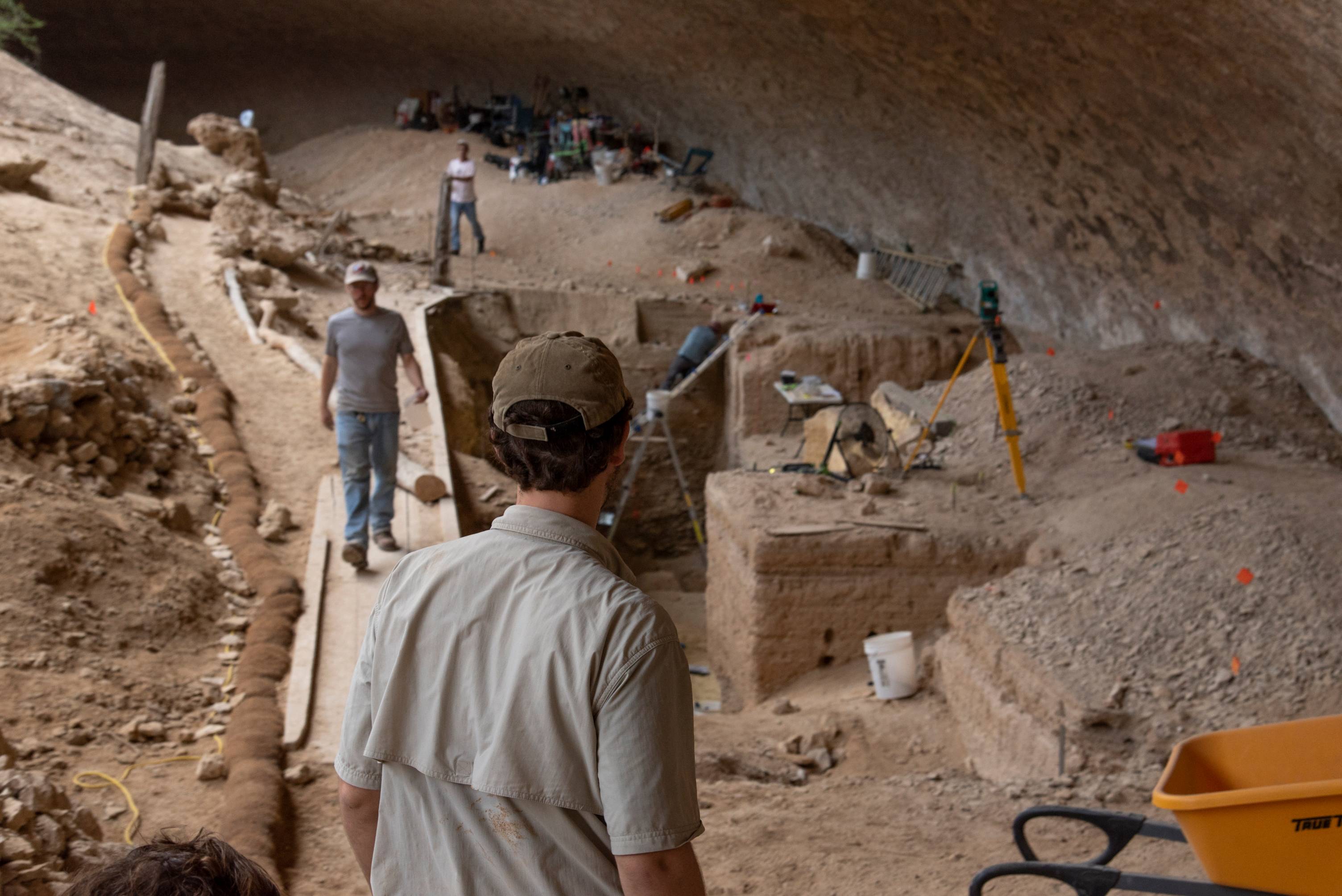
Online archaeology programs focus heavily on the regulatory and management side of the field. While the "shovels in the ground" aspect often requires a brief in-person field school, the theoretical and legal framework—such as Section 106 of the National Historic Preservation Act—is taught effectively online. These programs prepare students for roles in government agencies or private CRM firms.
Top Ranked Online Anthropology Masters Programs in 2026
The following institutions have established themselves as leaders in the digital delivery of anthropological graduate education. Their programs are characterized by rigorous curricula, faculty mentorship, and high post-graduation employment rates.
1. University of North Texas (UNT) - Master of Arts/Science in Applied Anthropology
UNT is widely recognized as a pioneer in online applied anthropology. Their program is designed for students who want to apply anthropological skills in the business, non-profit, or government sectors.
- Focus: Applied Anthropology, Design Anthropology, Medical Anthropology.
- Unique Feature: A required "practicum" where students work with a real-world client to solve a specific problem.
2. Arizona State University (ASU) - Master of Arts in Anthropology
ASU offers a robust online MA that covers the traditional "four-field" approach but allows for significant elective specialization.
- Focus: General Anthropology with strengths in Evolutionary Anthropology and Social Change.
- Unique Feature: Access to ASU’s vast digital research libraries and the Institute of Human Origins resources.
3. University of Florida (UF) - Master of Science in Forensic Anthropology
Florida provides one of the few online MS programs specifically dedicated to the biological and forensic aspects of the field.
- Focus: Skeletal Analysis, Trauma Analysis, and Bioarchaeology.
- Unique Feature: Designed specifically for professionals in death investigation and forensic science.
4. Humboldt State University (Cal Poly Humboldt) - Master of Arts in Applied Anthropology
This program emphasizes social justice and environmental anthropology.
- Focus: Indigenous peoples, environmental sustainability, and community-based research.
- Unique Feature: Strong connections with Pacific Northwest tribal organizations and environmental agencies.
Program Comparison and Selection Criteria
Choosing between anthropology masters programs online requires a careful analysis of credit requirements, tuition, and delivery methods. The table below outlines key metrics for leading programs in 2026.
| University | Degree Type | Credits | Average Duration | Primary Focus |
|---|---|---|---|---|
| UNT | MA/MS | 36 | 2–3 Years | Applied/Corporate |
| ASU | MA | 30 | 1.5–2 Years | General/Evolutionary |
| UF | MS | 32 | 2 Years | Forensic/Biological |
| Humboldt State | MA | 30 | 2 Years | Applied/Environmental |
| Colorado State | MA | 33 | 2 Years | Cultural/Zooarchaeology |
The Role of Fieldwork in an Online Format
One of the most common questions regarding anthropology masters programs online is how the discipline's hallmark—fieldwork—is handled. In 2026, programs use a hybrid or localized approach to satisfy this requirement.
- Localized Fieldwork: Many programs allow students to conduct their ethnographic or archaeological research in their local community. A student living in Chicago can conduct a study on urban food deserts while enrolled in a program based in California.
- Digital Ethnography: With the rise of the "Metaverse" and pervasive social media, many online programs now accept digital spaces as legitimate field sites. Students study online communities, gaming cultures, or remote work dynamics.
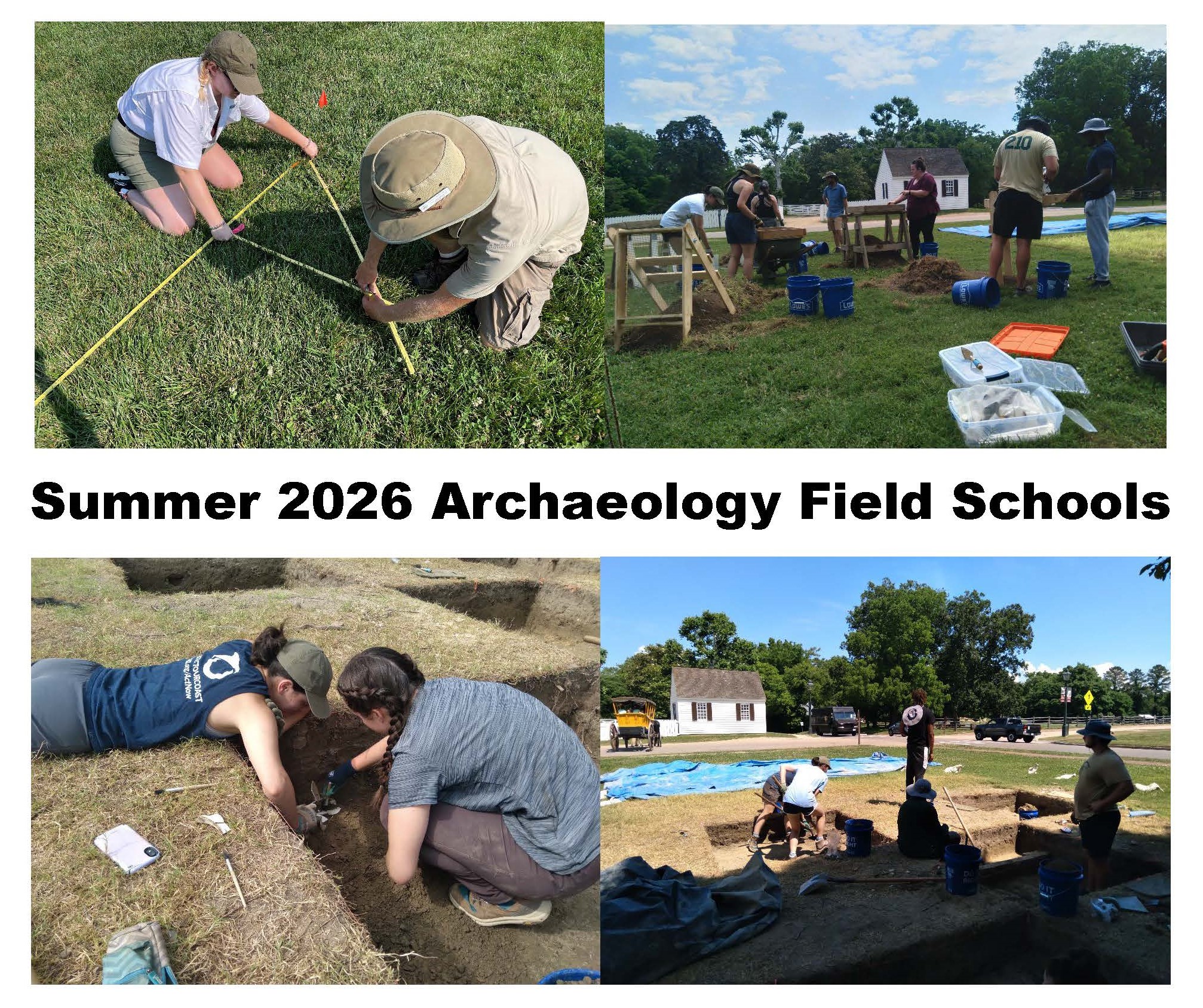
- Intensive Field Schools: For archaeology or forensic tracks, students may be required to attend a 2-4 week "intensive" in-person field school. These are often held during the summer and allow students to gain hands-on experience in a concentrated timeframe.
Technical Skills and Curriculum Depth
A competitive online anthropology master’s degree goes beyond reading ethnographies. To be employable in 2026, students must master a suite of technical and analytical tools.
Qualitative Data Analysis Software (QDAS)
Students are trained in tools like NVivo or MAXQDA. These programs allow anthropologists to code and analyze large volumes of interview transcripts, field notes, and video data. Proficiency in QDAS is a prerequisite for most corporate and policy-based anthropology roles.
Geographic Information Systems (GIS)
Particularly in archaeology and environmental anthropology, GIS is a vital skill. Online students learn to use ArcGIS or QGIS to map cultural resources, track migration patterns, or analyze the impact of climate change on indigenous lands.
Quantitative Methods and Statistics
While anthropology is often seen as a qualitative field, the MS tracks and biological programs require a strong foundation in statistics. Students use R or SPSS to analyze demographic data, skeletal measurements, or survey results.
Admission Requirements and Prerequisites
Admission into anthropology masters programs online is competitive and generally requires the following:
- Bachelor’s Degree: While a BA in Anthropology is preferred, many programs accept students from related fields like Sociology, History, or Psychology, provided they complete a few "bridge" courses in anthropological theory.
- GPA Standards: Most reputable programs require a minimum undergraduate GPA of 3.0 on a 4.0 scale.
- Statement of Purpose: This is perhaps the most critical component. It should clearly articulate why you are choosing an online format and what specific problem or population you intend to study.
- Letters of Recommendation: Usually three letters from academic or professional sources who can vouch for your ability to handle the self-directed nature of online graduate work.
- GRE Scores: By 2026, many programs have made the GRE optional, focusing instead on professional experience and the strength of the writing sample.
Career Outcomes and Salary Expectations in 2026
The versatility of an anthropology degree allows graduates to enter various sectors. The "applied" focus of most online programs makes graduates particularly attractive to the private sector.
User Experience (UX) Researcher
Tech giants and startups hire anthropologists to understand how humans interact with technology. Anthropologists bring a "holistic" perspective that traditional data scientists might miss. In 2026, the median salary for an anthropologist in UX research is approximately $105,000.
Cultural Resource Management (CRM) Archaeologist
Graduates working for private firms or government agencies like the National Park Service ensure that construction projects do not destroy significant historical or prehistoric sites. Salaries in this sector range from $55,000 to $85,000, depending on seniority and specialization.
International Development and NGO Work
Anthropologists work for organizations like the United Nations or USAID, helping to design programs that are culturally appropriate and sustainable. These roles often involve policy analysis and community advocacy.
Corporate Diversity and Inclusion (DEI)
Many corporations utilize anthropologists to navigate the complexities of global workforces. Understanding cultural nuances and kinship structures (even in a corporate sense) helps in creating more equitable and productive environments.
Navigating the Costs and Financial Aid
Tuition for anthropology masters programs online varies based on residency status and institution type. Public universities often offer "e-tuition" rates that are the same for in-state and out-of-state students, making them a cost-effective choice.
Students should investigate:
- FAFSA Eligibility: Most accredited online programs qualify for federal student loans.
- Employer Reimbursement: Many corporate employees can get their anthropology degree funded if they can demonstrate how it applies to their current role (e.g., marketing or human resources).
- Fellowships and Grants: Organizations like the American Anthropological Association (AAA) and the National Science Foundation (NSF) offer grants for specific research projects, even for online students.
Common Challenges for Online Graduate Students
While the flexibility of online learning is a major draw, it is not without hurdles. Success in an anthropology program requires:
- Self-Discipline: Anthropology involves a massive amount of reading. Without the structure of a physical classroom, students must set rigorous schedules.
- Isolation: The "departmental culture" of a traditional grad school is harder to find online. Students must be proactive in joining virtual student groups and attending digital office hours.
- Ethics of Remote Research: Online students must be particularly sensitive to the ethics of studying communities they may not be physically present in. Institutional Review Board (IRB) approval is a mandatory and often complex step for online research.
Frequently Asked Questions
Does an online master's in anthropology carry the same weight as an on-campus degree?
Yes, provided the program is from a regionally accredited institution. In 2026, most diplomas do not specify that the degree was earned online. Employers value the skills and the reputation of the university more than the mode of delivery.
Can I become a licensed archaeologist through an online program?
You can fulfill the educational requirements (a Master's degree) and the theoretical training online. However, to meet the Register of Professional Archaeologists (RPA) standards, you will typically need to prove you have completed a certain number of weeks of supervised field experience, which may need to be done in person.
Are there any fully funded online anthropology masters programs?
Fully funded programs (tuition waiver plus a stipend) are rare in the online format because they are usually tied to on-campus Teaching Assistant (TA) positions. However, some Research Assistant (RA) positions are becoming available for online students who assist faculty with digital data analysis.
What is the difference between an MA and an MS in Anthropology?
Generally, a Master of Arts (MA) focuses more on qualitative research, theory, and the humanities aspect of the field. A Master of Science (MS) typically requires more quantitative methods, lab work, or technical proficiency in areas like forensics or GIS.
Do I need to write a thesis?
Most anthropology masters programs online offer two tracks: a thesis track for those intending to pursue a PhD, and a non-thesis/capstone track for those looking to enter the workforce immediately. The capstone usually involves a large-scale project or internship report rather than original academic research.
Recommendation for Prospective Students
If you are a working professional looking to pivot into user research, public policy, or cultural resource management, the Master of Arts in Applied Anthropology at the University of North Texas remains the gold standard for online delivery in 2026. However, if your interest lies in the biological or legal aspects of human remains, the University of Florida's MS in Forensic Anthropology offers unparalleled technical depth.
Before applying, ensure the program's faculty have active research interests that align with your goals, and verify that the program provides training in modern analytical software like NVivo or ArcGIS. These technical competencies will be your greatest assets in the 2026 job market.