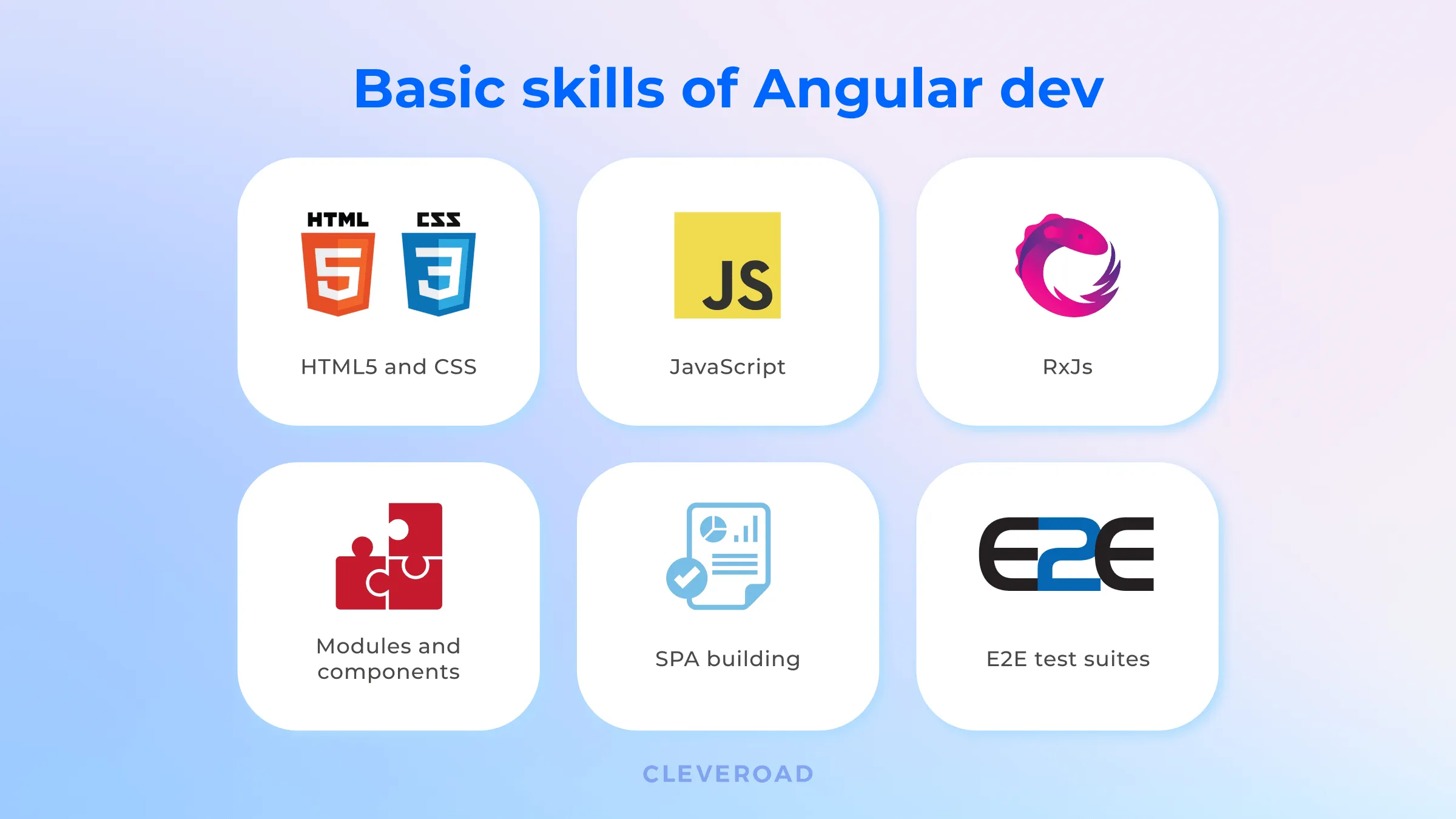
AngularJS developers specialize in maintaining, securing, and modernizing web applications built on Google's original JavaScript framework, AngularJS (version 1.x). Because official support for AngularJS ended on December 31, 2021, contemporary AngularJS developers focus primarily on legacy system stability, patching security vulnerabilities, maintaining browser compatibility, and executing structured migrations to modern front-end architectures such as modern Angular, React, or Vue.js.
The Role of AngularJS Developers in the Post-EOL Era
When Google officially concluded Long-Term Support (LTS) for AngularJS at the end of 2021, millions of production enterprise applications remained dependent on its architecture. Today, hiring or deploying an AngularJS developer requires a distinct strategy compared to recruiting developers for modern JavaScript frameworks.
Rather than building brand-new greenfield systems from scratch using AngularJS, engineering teams rely on AngularJS specialists to maintain operational continuity and reduce technical debt. These developers bridge legacy enterprise infrastructure and modern front-end standards, managing complex codebases that were constructed during the framework's peak adoption between 2010 and 2018.
Core Maintenance Responsibilities
An AngularJS developer working on legacy systems handles several specialized responsibilities:
- Vulnerability Remediation: Addressing security risks that emerge in unmaintained core framework files, third-party modules, and deprecated dependencies.
- Browser Compatibility Upgrades: Resolving layout breaks, JavaScript execution errors, and performance degradation caused by changes in modern evergreen browsers (Chrome, Edge, Firefox, Safari).
- Performance Optimization: Diagnosing memory leaks, optimizing the digest cycle, reducing DOM operations, and streamlining deep
$watchexpressions to keep application interfaces responsive. - Refactoring Code for Migration: Restructuring unstructured legacy code into modern design patterns—such as replacing controller-heavy logic with component-driven architecture—to simplify eventual framework migration.
Technical Competencies: AngularJS (1.x) vs. Modern Angular (2+)
A critical distinction when sourcing engineering talent is the fundamental difference between AngularJS (version 1.x) and modern Angular (versions 2 through 19+). Despite sharing a brand family name, the two frameworks operate on entirely different architectural paradigms, data flow models, and programming languages.
| AngularJS (1.x) | Modern Angular (2+) |
|---|---|
| JavaScript (ES5/ES6) | TypeScript (Strict typing) |
| $scope & Controller paradigm | Component-based framework |
| Two-way Digest Cycle | Reactive RxJS Data Streams |
| jqLite / HTML template directives | Ahead-of-Time (AoT) Compilation |
Essential Skills for AngularJS (1.x) Specialists
To effectively maintain or migrate legacy systems, an AngularJS developer must master specific mechanisms native to version 1.x:
- Scope and Controller Dynamics: Deep understanding of
$scope,$rootScope, scope inheritance, dynamic binding, and the$destroylifecycle hook to prevent severe memory leaks. - Digest Cycle and Change Detection: Mastery of
$apply,$digest, and$watchmechanics to identify rendering bottlenecks and eliminate infinite digest loops. - Custom Directives: Expertise in writing and refactoring custom directives using isolate scope, transclusion, compile functions, and linking functions.
- Dependency Injection (DI): Command of AngularJS's built-in array-syntax dependency injection system, including custom services, factories, providers, and value constants.
- Legacy Build Pipelines: Familiarity with build tools common during the AngularJS era, such as Gulp, Grunt, Bower, Webpack 1-3, and Karma/Jasmine test runners.
Transitional Competencies for Modernization
Senior AngularJS developers who excel in migration projects also possess modern engineering skills:
- TypeScript Proficiency: Ability to add strict typing, interfaces, and classes into legacy JavaScript codebases using gradual compilation tools.
- State Management Patterns: Experience transitioning from localized scope variables to centralized data flow patterns (such as Redux, NgRx, or Pinia).
- Module Bundling: Expertise in migrating legacy script tags and Bower dependencies into modern ES modules handled by Vite or Webpack 5.
Technical Comparison: Legacy AngularJS vs. Modern Architectural Standards
Understanding how legacy AngularJS mechanisms map to modern frameworks helps technical managers define project scopes and evaluate developer competency.
| Feature / Concept | Legacy AngularJS (1.x) | Modern Angular (2+) | React / Vue Alternative |
|---|---|---|---|
| Language Base | JavaScript (ES5 / ES6) | TypeScript (Default) | JavaScript / TypeScript |
| Architecture | MVC (Model-View-Controller) / $scope |
Component-Based Architecture | Component-Based Architecture |
| Data Binding | Two-way binding via Digest Cycle | One-way default, explicit two-way | Unidirectional (React) / Reactive (Vue) |
| Asynchronous Handling | $q promises and $http service |
RxJS Observables and HttpClient | Native Promises, Fetch API, RxJS, or Axios |
| Rendering Strategy | Client-side DOM parsing (jqLite) | Ivy Renderer / AoT Compilation | Virtual DOM / Direct Reactive DOM |
| Official Support Status | Ended (EOL: Dec 31, 2021) | Active (6-month major release cycle) | Active (Community & Corporate support) |
Strategies Managed by AngularJS Developers for Modernization
Replacing a mission-critical enterprise application built on AngularJS rarely occurs overnight. Developers must execute one of three standard strategies based on business needs, budget, and system complexity.
- Legacy Modernization Strategies
- Incremental Migration (ngUpgrade)
- Strangler Fig (Micro-Front)
- Complete Rewrite (Clean Break)
1. Incremental Migration (Using ngUpgrade)
The ngUpgrade library allows AngularJS (1.x) and modern Angular (2+) to run concurrently inside the same application. An AngularJS developer implementing this path builds new features in modern Angular while wrapping legacy AngularJS components so they can interoperate seamlessly.
- Pros: Lowers immediate downtime risk; allows continuous delivery of new features; spreads development costs over time.
- Cons: Increases bundle size due to loading two frameworks; requires developers proficient in both framework paradigms; adds runtime complexity.
2. Micro-Frontend / Strangler Fig Pattern
Using the Strangler Fig pattern, developers isolate sections of the legacy AngularJS interface and replace them piecemeal with modern applications (built in Angular, React, or Vue) hosted behind an API gateway or web component wrapper.
- Pros: Complete framework independence; teams can adopt non-Angular technologies like React or Svelte; clear boundaries between legacy and modern modules.
- Cons: Requires advanced routing management; potential CSS styling bleed between modules; state management across micro-frontends demands careful architecture.
3. Complete Application Rewrite (Clean Break)
When legacy code bases suffer from extensive technical debt, outdated architectural practices, or missing documentation, developers often recommend a ground-up rewrite.
- Pros: Zero legacy overhead; optimal performance and bundle size; allows teams to adopt modern testing, CI/CD, and state management standards immediately.
- Cons: Higher initial financial investment; long time-to-market before feature parity is achieved; risk of missing edge-case business logic hidden in the legacy codebase.
How to Screen and Hire Qualified AngularJS Developers
Finding experienced AngularJS developers requires targeted sourcing and thorough technical evaluation. Because modern university programs and bootcamps no longer teach AngularJS, candidate pools typically consist of mid-to-senior engineers who worked extensively during the 2010–2020 period, or specialized legacy software engineering consultancies.
Key Technical Screening Questions
To differentiate experienced AngularJS engineers from developers with only surface-level exposure, include targeted evaluation scenarios:
- Scope Lifecycle & Memory Management: How do you identify and fix a memory leak caused by a custom directive bound to
$rootScopeor third-party DOM events?- Expected Answer: Look for explicit clean-up logic inside the
$scope.$on('$destroy', ...)event listener, unbinding custom DOM listeners, and unregistering watchers.
- Expected Answer: Look for explicit clean-up logic inside the
- Performance Optimization: What steps do you take when an AngularJS grid with 500 rows experiences input lag during dynamic filtering?
- Expected Answer: Implementation of
track bysyntax inng-repeat, utilization of one-time binding (::), pagination, virtual scrolling, or replacing heavy directives with lightweight custom rendering.
- Expected Answer: Implementation of
- Migration Tactics: How would you pass data between a legacy AngularJS service and a modern Angular service using
ngUpgrade?- Expected Answer: Downgrading modern Angular services using
downgradeInjectable()or upgrading AngularJS factories viaupgradeAdapterto maintain singletons across framework boundaries.
- Expected Answer: Downgrading modern Angular services using
Hiring Options and Sourcing Models
Depending on project duration and internal resources, technical leaders rely on three primary engagement models:
- Specialized Staff Augmentation: Contracting dedicated senior AngularJS developers for 6 to 18 months to stabilize applications or assist internal teams during a phased migration.
- Legacy Extended Support Vendors: Partnering with specialized firms (such as commercial extended long-term support providers) that supply patched, secure forks of the AngularJS framework core to maintain compliance.
- In-House Retraining: Upskilling existing senior JavaScript developers on AngularJS 1.x internals to manage legacy systems while leading modern architecture initiatives.
Security and Compliance Risks in Legacy AngularJS Applications
Operating AngularJS applications without qualified developers poses significant operational, regulatory, and security risks. Organizations bound by data privacy regulations such as HIPAA, PCI-DSS, or GDPR must actively address these vulnerabilities.
Unpatched Cross-Site Scripting (XSS)
AngularJS relies heavily on client-side template parsing. In older versions of AngularJS (such as 1.5 and earlier), expression sandboxing was vulnerable to sandbox escape exploits. Even in later versions (1.6 to 1.8), improper handling of $sce (Strict Contextual Escaping) or dynamic user input inside templates can expose systems to XSS attacks.
Dependency Rot and Browser Breaking Changes
Modern browser engines (Chromium, Gecko, WebKit) routinely update default security postures, cookie policies (such as SameSite attribute enforcement), and JavaScript engine optimizations. Without active AngularJS engineering oversight:
- Legacy HTTP interceptors may fail when interacting with modern CORS or authentication standards.
- Deprecation of legacy browser APIs can silently break core UI functions.
- Outdated build toolchains (e.g., Node.js versions below 14) can create CI/CD pipeline failures during automated deployments.
Frequently Asked Questions
Why do companies still hire AngularJS developers if the framework is EOL?
Many large enterprise systems in finance, healthcare, e-commerce, and logistics rely on stable AngularJS codebases built over years of active development. Rewriting these multi-million-line applications requires significant time and financial investment. Companies hire AngularJS developers to keep existing systems secure, operational, and compliant while planning or executing gradual migrations.
What is the difference between an AngularJS developer and an Angular developer?
An AngularJS developer specializes in version 1.x of the framework, which uses JavaScript, controllers, $scope, directives, and two-way dynamic data binding via the digest cycle. An Angular developer works with versions 2 and above, which are built entirely on TypeScript using a component-based architecture, reactive extensions (RxJS), and modern compilation methods.
Can AngularJS applications run securely post-2021?
Yes, but security requires intentional effort. Organizations must either hire developers to manually patch discovered vulnerabilities, implement web application firewalls (WAF) to mitigate common attack vectors, or subscribe to commercial extended long-term support (LTS) services that supply security-patched versions of the core framework files.
How long does it typically take to migrate an enterprise AngularJS app?
Migration timelines depend on application size, test coverage, and migration strategy. Small applications (under 20,000 lines of code) can often be rewritten in 3 to 6 months. Large enterprise systems (over 200,000 lines of code) using incremental migration patterns (like ngUpgrade or micro-frontends) typically require 12 to 24 months of steady engineering effort.
Is it better to rewrite or incrementally migrate an AngularJS application?
An incremental migration is preferred for complex, revenue-critical systems that require continuous feature deployment without taking long offline development cycles. A total rewrite is better suited for smaller codebases, applications with severe technical debt, or systems where missing business documentation makes refactoring legacy code unfeasible.
Recommended Next Steps for Engineering Teams
To effectively manage an AngularJS application and support your development team, follow these structured steps:
- Conduct a Dependency and Vulnerability Audit: Use automated security tools and manual review to identify vulnerable third-party AngularJS directives, outdated Node build tools, and unpatched core framework files.
- Establish a Security Maintenance Baseline: If immediate migration is not feasible, contract specialized AngularJS developers or enroll in an extended LTS service to secure your existing application against critical CVEs and browser updates.
- Define a Framework Modernization Roadmap: Evaluate whether an incremental migration (
ngUpgrade), modern micro-frontend architecture, or complete rewrite best aligns with your engineering budget and business milestones. - Source Developers with Dual-Framework Expertise: When recruiting, prioritize engineers who possess documented experience in both legacy AngularJS (1.x) and modern frameworks (Angular 2+, React, or Vue) to ensure smooth maintenance and architectural transition.