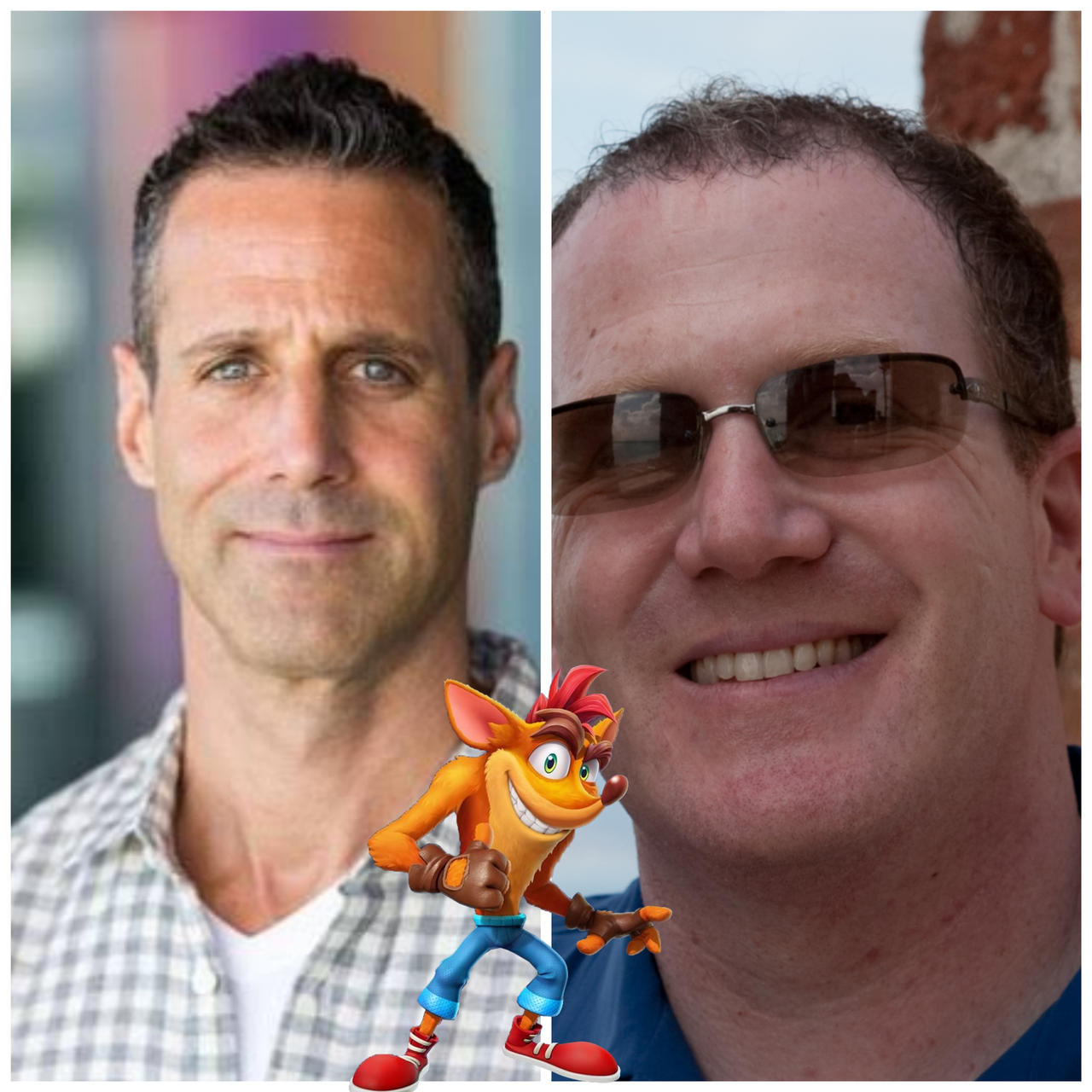
As of 2026, Andy Gavin’s net worth is estimated to be between $50 million and $70 million. This wealth is primarily the result of his co-founding of Naughty Dog, the multi-million dollar sale of the studio to Sony Computer Entertainment in 2001, and the subsequent acquisition of his later startup, Flektor, by Fox Interactive Media.
Building a fortune in the technology and entertainment sectors requires a rare blend of technical brilliance and entrepreneurial foresight. Andy Gavin, widely recognized as the co-creator of the Crash Bandicoot and Jak and Daxter franchises, exemplifies this path. His financial trajectory is not merely a story of "selling out" to a major corporation but a masterclass in building high-value intellectual property (IP) and leveraging technical innovation to secure market dominance. From his early days writing code as a teenager to his status in 2026 as a respected tech veteran and author, Gavin’s financial standing reflects the massive growth of the gaming industry over the last four decades.
The Foundations of Wealth: The Naughty Dog Era
The bedrock of Andy Gavin’s net worth was laid long before the gaming industry became a multi-billion dollar global phenomenon. In 1984, Gavin and his childhood friend Jason Rubin founded JAM Software (later renamed Naughty Dog). The early years were characterized by lean operations and high-intensity coding, with the duo producing titles like Ski Crazed and Dream Zone for the Apple II.
While these early titles provided the necessary capital to keep the lights on, the true financial breakthrough occurred in the mid-1990s. At this time, the duo pivoted toward the burgeoning 3D gaming market. Their collaboration with Mark Cerny and Universal Interactive resulted in the creation of Crash Bandicoot.
The Strategic Value of Crash Bandicoot
Crash Bandicoot was more than just a successful game; it was a strategic asset. During the mid-90s, Sony was seeking a mascot to compete with Nintendo’s Mario and Sega’s Sonic. Gavin and Rubin’s ability to maximize the limited hardware of the original PlayStation allowed them to create a visual fidelity that was unmatched at the time.
The success of the Crash trilogy, which sold over 20 million units collectively by the end of the 1990s, significantly inflated the valuation of Naughty Dog. While developers often receive royalties, the real wealth in the gaming industry is frequently found in the ownership of the studio itself. As the primary architects of the studio's success, Gavin and Rubin held the keys to a production house that had proven it could deliver system-selling hits.
The Sony Acquisition: A Pivotal Financial Event
In 2001, Sony Computer Entertainment acquired Naughty Dog. While the exact purchase price remains a closely guarded corporate secret, industry analysts have long estimated the deal to be in the tens of millions of dollars. For Gavin, this was the "exit" that transitioned him from a successful business owner to an individual with significant liquid wealth.
Why the Acquisition Was Lucrative
There are several factors that contributed to the high valuation of Naughty Dog during the 2001 sale:
- Proprietary Technology: Andy Gavin was a pioneer in using LISP (List Processing) for game development. He developed a custom language called GOOL (Game Oriented Object Lisp) for Crash Bandicoot and later GOAL (Game Oriented Assembly Lisp) for Jak and Daxter. This proprietary tech stack made Naughty Dog’s workflow more efficient and their games more technically advanced than their competitors, adding "intangible asset" value to the sale.
- IP Provenance: By 2001, Naughty Dog had already launched the first Jak and Daxter title. Sony wasn't just buying a team; they were buying a hit-making machine that had already successfully transitioned between console generations (PS1 to PS2).
- Talent Retention: The deal likely included earn-outs and incentives for the founders to remain with the company for several years, ensuring a smooth transition of leadership and continued innovation.
Gavin remained at Naughty Dog as president until 2004. His departure marked the end of his direct involvement in the studio but left him with a diversified portfolio of assets and the freedom to pursue independent ventures.
Diversification: Flektor and Subsequent Ventures
One of the common mistakes made by successful entrepreneurs is failing to diversify their wealth after a major exit. Andy Gavin avoided this by branching out into different areas of technology. In 2006, along with Jason Rubin and HBO's former head of online, Jason Rzepka, he co-founded Flektor.
Flektor was a web-based service that allowed users to create and share mashups of photos, videos, and music. This was during the height of the "Web 2.0" boom, and the timing was impeccable. In 2007, less than a year after its founding, Flektor was sold to Fox Interactive Media (then the parent company of MySpace) for an estimated $10 million to $20 million.
This secondary exit added a significant layer to Gavin's net worth. It demonstrated that his success was not limited to the gaming sector but extended to consumer-facing web technologies. By 2026, the returns from the reinvestment of these proceeds—likely placed in diversified equities, real estate, and venture capital—have likely doubled or tripled the initial principal from these sales.
Literary Career and Intellectual Property
Following his departure from the high-pressure world of tech startups, Gavin turned his attention to writing. While the financial returns of a novelist rarely rival those of a tech founder, Gavin's transition into literature represents a long-term play for IP ownership.
His novels, such as the dark fantasy The Darkening Dream and the time-travel thriller Untimed, have allowed him to maintain a presence in the creative community. In the current media landscape of 2026, where streaming platforms are constantly hungry for established IP, owning the rights to a catalog of novels provides a potential "lottery ticket" for further wealth expansion through licensing and adaptation.
| Milestone | Year | Estimated Financial Impact | Key Outcome |
|---|---|---|---|
| Founding Naughty Dog | 1984 | Initial Capital Seed | Established foundational business. |
| Crash Bandicoot Release | 1996 | High Royalty Revenue | Defined the studio's market value. |
| Sony Acquisition | 2001 | Significant Multi-Million Sale | Principal liquid wealth event. |
| Flektor Sale to Fox | 2007 | $10M - $20M (Estimated) | Secondary exit, tech diversification. |
| Literary Career Launch | 2011 | Ongoing Royalties | Expansion into different IP formats. |
| Investment Maturity | 2026 | Compounded Growth | Estimated net worth reaches $50M-$70M. |
Technical Brilliance as a Financial Driver
To understand Andy Gavin’s net worth, one must understand his role as a technical visionary. In the gaming industry, the "CTO" role is often where the most durable value is created. Gavin’s decision to build custom programming languages (GOOL and GOAL) allowed Naughty Dog to extract performance from the PlayStation hardware that other developers thought impossible.
This technical edge provided a "moat" around the business. When Sony looked at Naughty Dog, they didn't just see a group of artists; they saw a technical engine that could push their hardware to its limits. For those looking to replicate Gavin's financial success, the lesson is clear: specialized, proprietary knowledge often yields higher returns than generic business management.
Asset Management and Life in 2026
In 2026, Andy Gavin’s financial life is likely characterized by sophisticated wealth management. For an individual in the $50 million+ bracket, wealth is typically distributed across several categories:
- Public Equities: Large-cap tech stocks (which Gavin understands intimately) and index funds provide consistent growth.
- Venture Capital: It is common for former founders to act as angel investors, providing seed money to the next generation of startups in exchange for equity.
- Real Estate: Gavin has resided in high-value areas like Los Angeles, where property appreciation has historically been a significant contributor to net worth.
- Intellectual Property: Ongoing royalties from past games (via remake collections and legacy sales) and book sales.
Gavin has also maintained a public profile through his blog and social media, where he shares insights on coding, cooking, and the industry. This "personal brand" ensures that his expertise remains a marketable asset, even if he chooses not to return to full-time studio leadership.
Understanding the "Net Worth" Estimate
It is important to note that for private individuals like Andy Gavin, "net worth" is an educated estimate based on known transactions, historical data, and industry standards. Unlike public company CEOs, Gavin is not required to disclose his personal tax returns or full investment portfolio to the public.
However, the combination of two high-profile exits (Sony and Fox) and over two decades of capital appreciation makes the $50 million to $70 million range highly plausible. This figure accounts for taxes paid during the time of the sales, management fees, and the lifestyle costs associated with living in premium markets.
Summary of Financial Philosophy
Andy Gavin's wealth is a byproduct of a specific philosophy: The pursuit of technical excellence leads to high-value IP. He did not set out to build a "net worth"; he set out to build games that defied the limitations of the hardware. By focusing on the "How" (programming languages and engine architecture), he ensured that the "What" (the games) were of such high quality that they became indispensable to the largest player in the industry.
Lessons for Aspiring Tech Entrepreneurs
- Ownership is Key: Gavin and Rubin retained ownership of their studio until the point of maximum leverage (the transition to PS2).
- Solve Hard Problems: Creating a custom LISP environment for a console was incredibly difficult, but it gave Naughty Dog a competitive advantage that couldn't be easily bought or copied.
- Know When to Exit: The sale to Sony occurred at a time when the costs of game development were skyrocketing, making the safety of a first-party arrangement financially prudent.
Frequently Asked Questions
Did Andy Gavin get royalties from the Crash Bandicoot N. Sane Trilogy?
While Gavin was the original co-creator, the rights to Crash Bandicoot moved from Universal to Vivendi/Activision. Usually, unless a specific "creator-participation" clause exists in the original contract that survives the sale of the IP, the original developers do not receive direct royalties from remakes produced by different entities decades later. However, the prestige of these remakes increases the value of Gavin's legacy and personal brand.
How much did Sony pay for Naughty Dog in 2001?
The exact figure was never disclosed. However, based on similar acquisitions of the era (such as Microsoft's purchase of Rare for $375 million in 2002, though Rare was much larger), Naughty Dog likely commanded a price in the $40 million to $100 million range depending on the structure of the deal. Gavin's share would have been roughly half of the equity portion of that price.
Is Andy Gavin still involved in the gaming industry in 2026?
As of 2026, Gavin primarily serves as an elder statesman of the industry. While he is not currently heading a major development project, his influence is felt through the engineers he mentored and the technical standards he set. He frequently participates in retrospectives and provides commentary on the evolution of game design and programming.
What is the source of Andy Gavin's wealth other than Naughty Dog?
The sale of Flektor to Fox Interactive Media was a significant secondary source of wealth. Additionally, Gavin has been involved in several other tech initiatives and has a portfolio of investments in the technology and real estate sectors that have matured over the last 20 years.
Has Andy Gavin’s net worth increased since 2020?
Yes, it is highly likely. Between 2020 and 2026, the global markets—particularly the technology sector—experienced significant volatility but overall growth. Assuming a standard diversified investment strategy, the assets from his early career sales would have continued to compound.
Practical Recommendation: Analyzing Tech Wealth
If you are looking to understand the financial trajectory of tech founders like Andy Gavin, it is helpful to study the Sony/Naughty Dog relationship as a case study in strategic acquisition. For developers and entrepreneurs, the takeaway is to focus on creating proprietary solutions that solve "bottleneck" problems for larger platforms.
For more information on the history of Naughty Dog and its impact on the industry, you can visit the official Naughty Dog history page or explore technical deep-dives into the LISP programming language that Gavin championed.