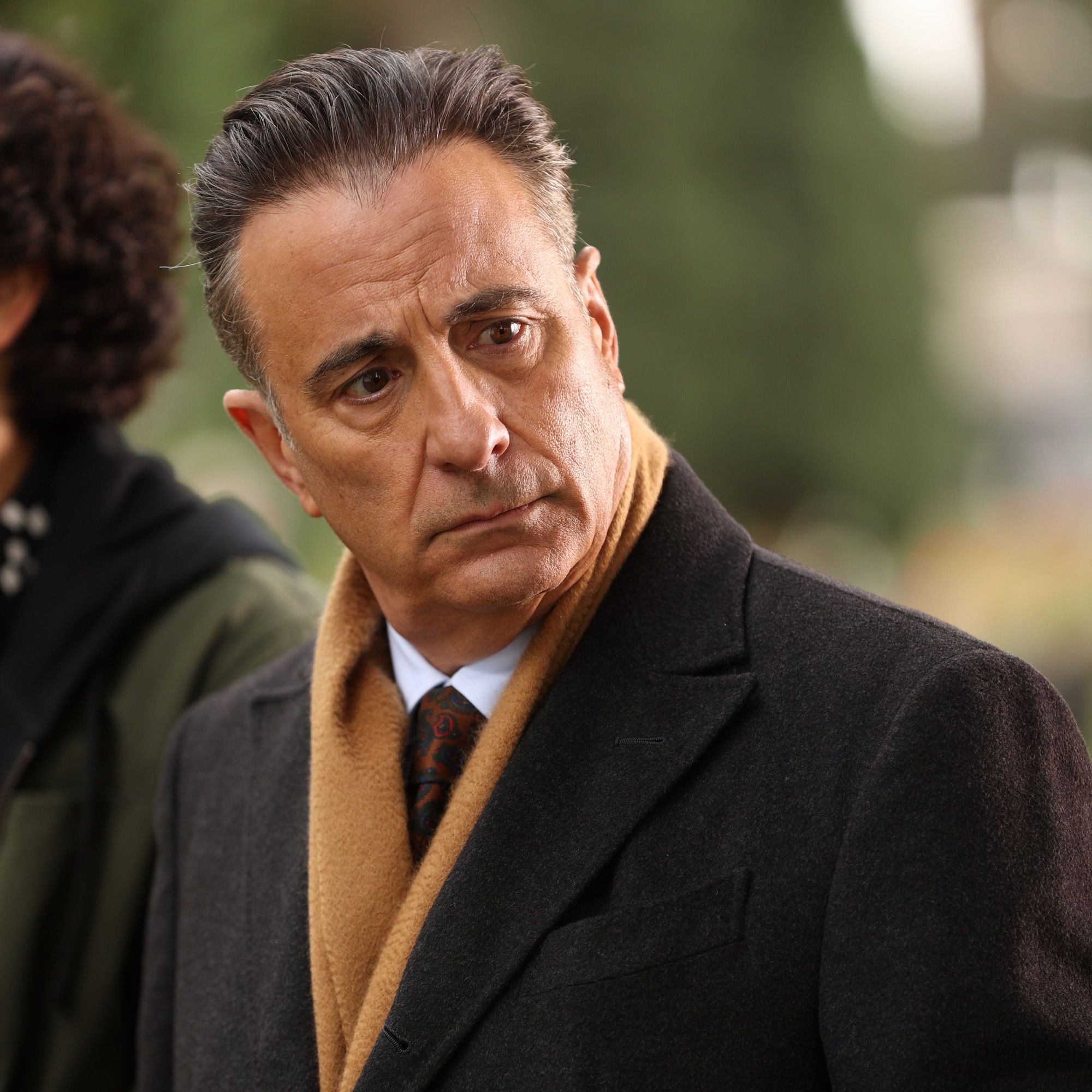
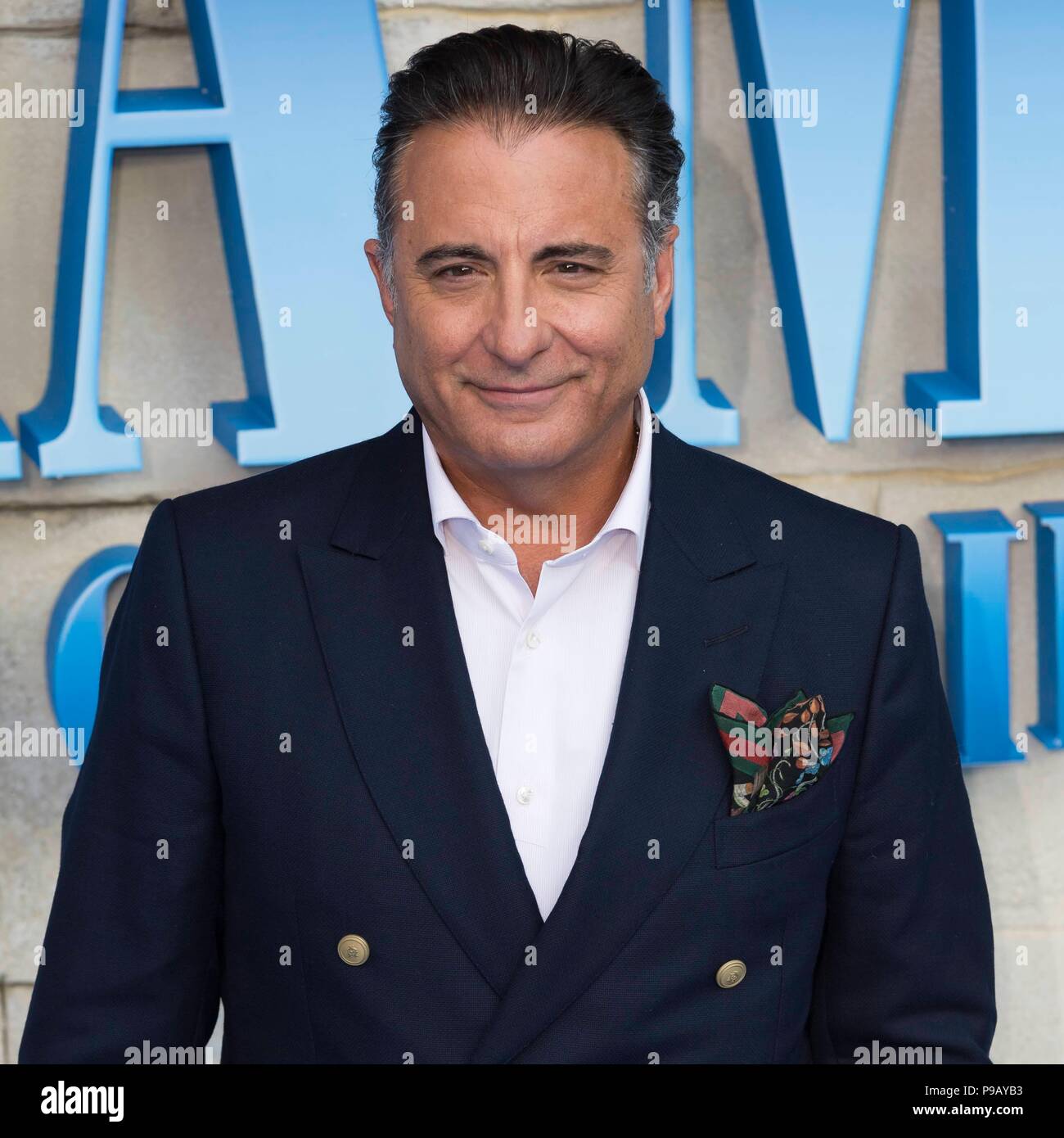
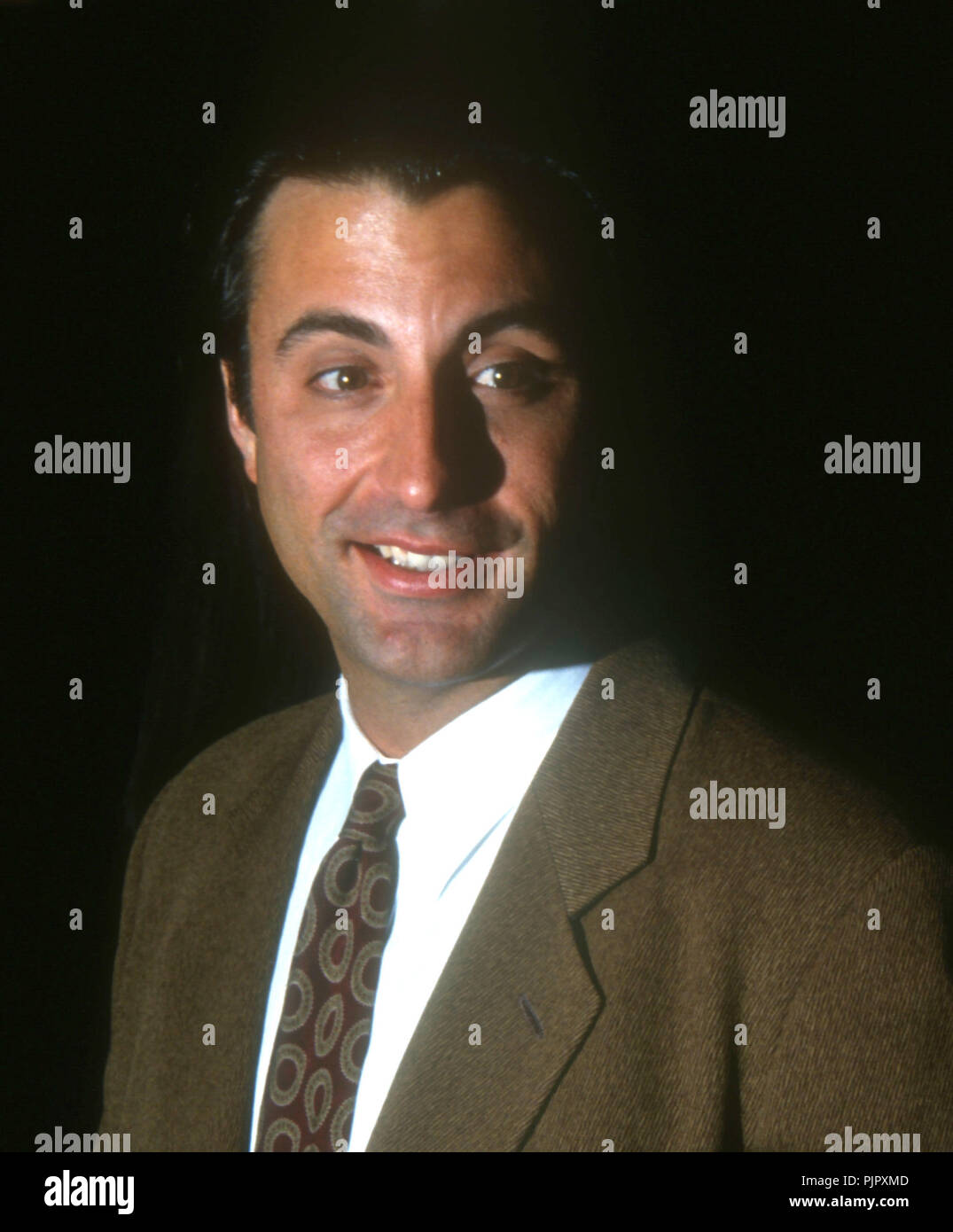
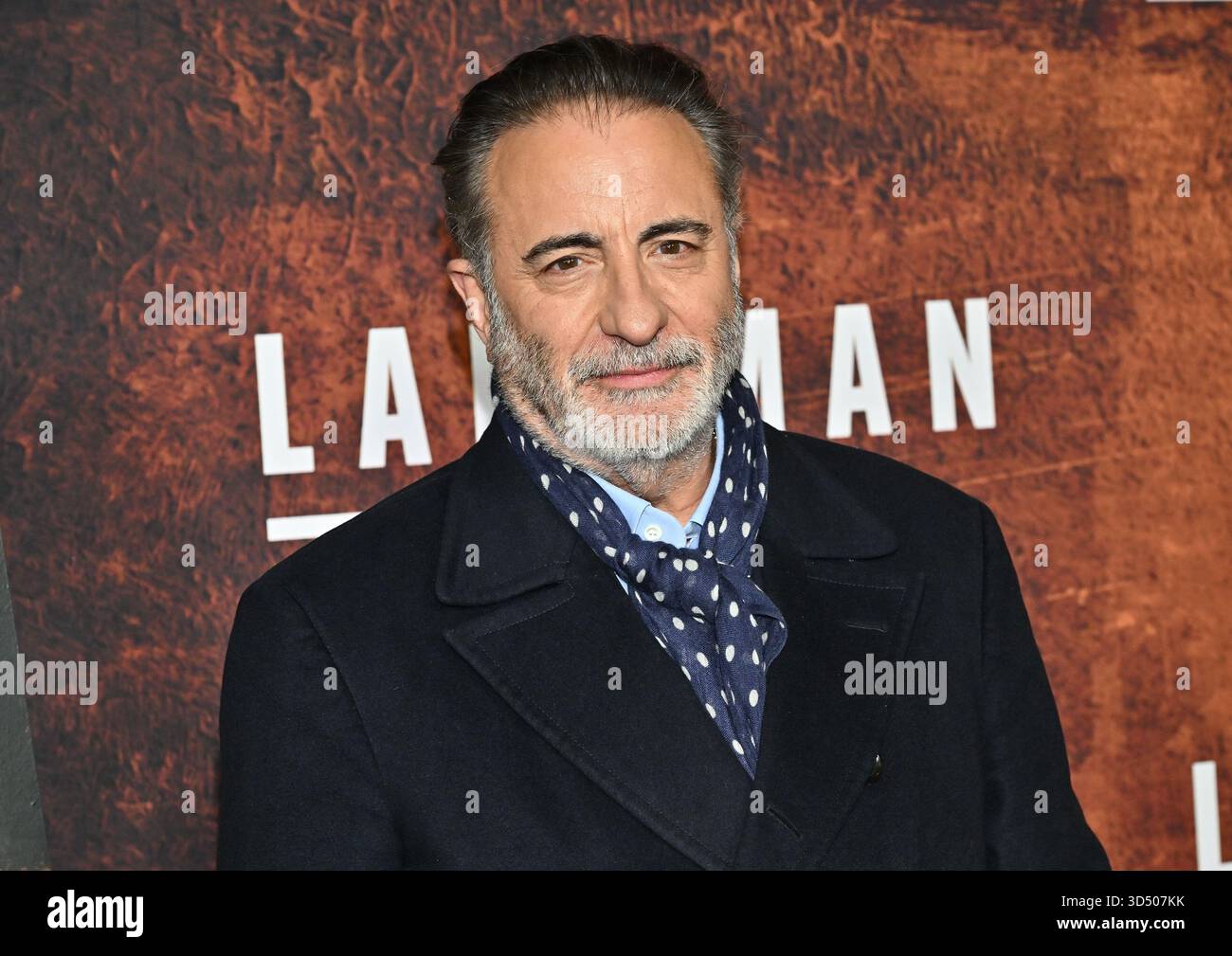
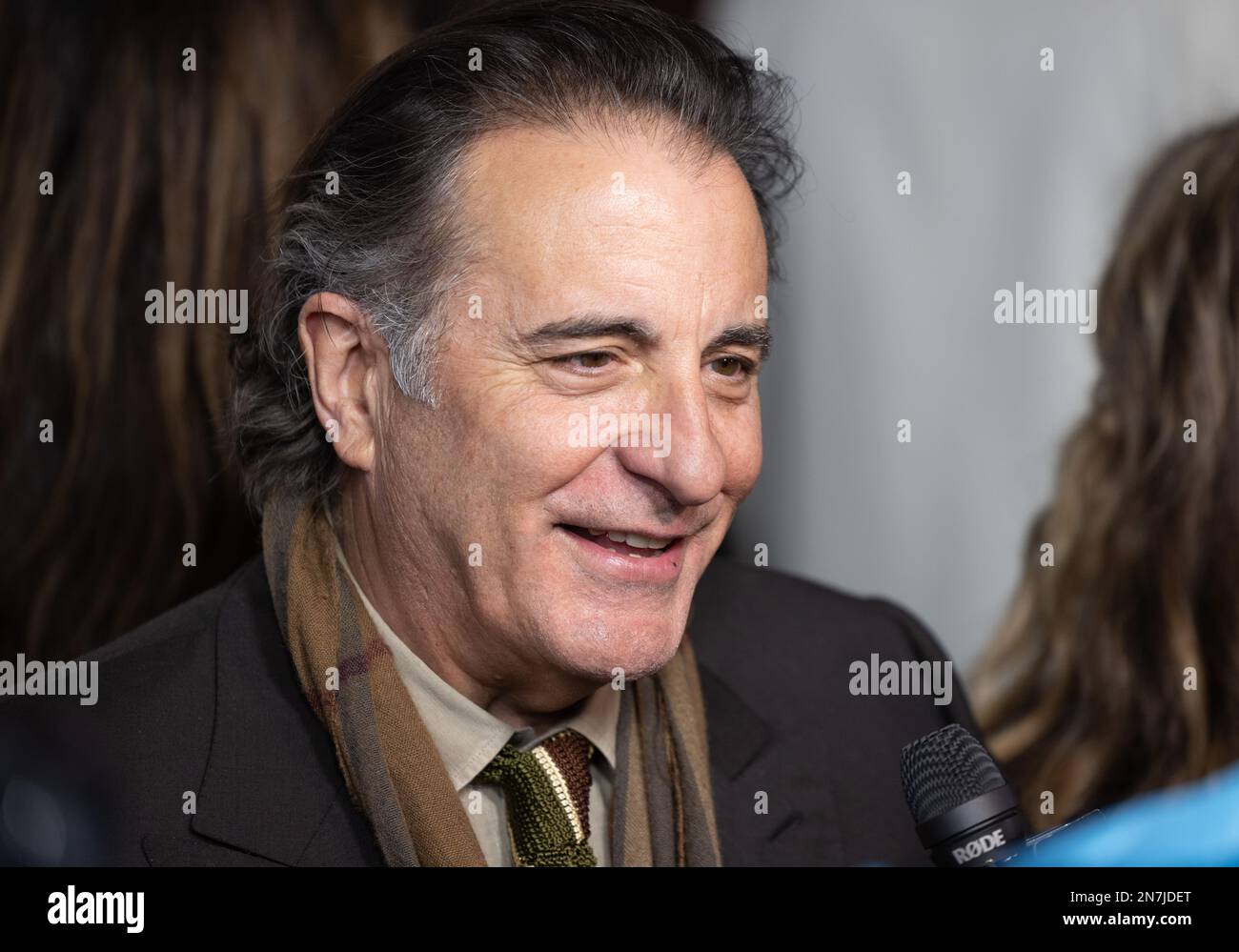
Despite a long and storied career frequently portraying iconic characters of Italian descent, Andy Garcia is not Italian; he is Cuban-American. Born Andrés Arturo García Menéndez in Havana, Cuba, he moved to the United States at age five and has consistently identified as a proud Cuban exile throughout his professional life in Hollywood.
The misconception that Andy Garcia is Italian is one of the most persistent "false facts" in cinema history. As of 2026, even after decades of interviews and his own directorial projects focused on Cuban history, many fans still assume his heritage aligns with his most famous roles, such as Vincent Mancini in The Godfather Part III or George Stone in The Untouchables. To understand why this confusion exists, we must look at the intersection of his Cuban roots, his Spanish ancestry, and the specific ways Hollywood utilized his "Mediterranean" appearance during the peak of his career.
The Origins of Andy Garcia: Cuban Roots and Early Life
Andy Garcia was born on April 12, 1956, in Havana, Cuba. His early childhood was marked by the political upheaval of the Cuban Revolution. His mother, Amelie Menéndez, was an English teacher, and his father, René García Núñez, was an attorney and an avocado farmer. The family lived a relatively comfortable life in Cuba until the rise of Fidel Castro’s regime.
Following the failed Bay of Pigs Invasion in 1961, the García family made the difficult decision to flee the island. Andy was only five years old when they arrived in Miami, Florida. Like many Cuban exiles of that era, the family started with very little. His father worked several jobs to support the family before eventually building a highly successful hosiery and fragrance company. This "refugee success story" is a cornerstone of Garcia’s personal identity.
Growing up in the vibrant Cuban community of Miami, Garcia was immersed in Spanish-speaking culture. He attended Miami Beach Senior High School and later Florida International University. It was during his time in Florida that he discovered his passion for acting, a path that would eventually lead him to Los Angeles and the inevitable ethnic typecasting of the 1980s film industry.
Why Do People Think Andy Garcia is Italian?
The primary reason for the persistent belief that Andy Garcia is Italian stems from his breakout roles in the late 1980s and early 1990s. During this period, Hollywood often grouped actors of Mediterranean or Latin descent into a single "ethnic" category, frequently casting them as Italian-Americans.
The Impact of The Untouchables (1987)
In Brian De Palma's The Untouchables, Garcia played George Stone, a sharpshooting rookie cop. Crucially, the character’s original name in the film is Giuseppe Petri, an Italian immigrant who changed his name to "Stone" to fit in and avoid prejudice within the police force. Garcia’s portrayal was so convincing and his chemistry with actors like Sean Connery and Kevin Costner so seamless that audiences naturally associated him with the Italian-American experience.
The Godfather Part III and the Mancini Legacy
The definitive factor in the "Andy Garcia is Italian" myth was his casting as Vincent Mancini, the illegitimate son of Sonny Corleone, in Francis Ford Coppola’s The Godfather Part III (1990). Starring in the most famous Italian-American cinematic saga of all time—and earning an Academy Award nomination for Best Supporting Actor for the role—solidified his image as a quintessential "Italian" figure in the minds of the public.
Because Garcia brought such authenticity to the role of a hot-headed, fiercely loyal Corleone, it became difficult for audiences to decouple the actor from the heritage of the character. This was further reinforced by his sophisticated, "Old World" charm, which shared many aesthetic similarities with the classic Italian leading men of the era.
Exploring Andy Garcia’s Ancestry: Beyond the Screen
While his nationality is Cuban-American, his biological ancestry is primarily Spanish. The surnames García and Menéndez are rooted in the Iberian Peninsula, specifically in the regions of Asturias and Castile.
Spanish vs. Italian Heritage
There are significant cultural and linguistic overlaps between Spanish and Italian identities, which contributes to the confusion. Both are Romance-language cultures with strong Catholic traditions and similar naming conventions. However, Garcia’s lineage is firmly rooted in the Spanish colonization of the Caribbean rather than the Italian migrations to the Americas.
- García: One of the most common Spanish surnames, originating from the Basque region and spreading throughout Spain.
- Menéndez: A patronymic name meaning "son of Menendo," which is highly prevalent in the Asturias region of northern Spain.
By 2026, genealogical research and public records have repeatedly confirmed that there is no significant Italian lineage in Garcia's immediate family tree. His "look" is characteristic of the Spanish-descended populations of Cuba, which can often be indistinguishable from Southern European phenotypes found in Italy or Greece.
Comparing Public Perception vs. Reality
To better understand how Garcia’s career influenced public perception of his ethnicity, it is helpful to look at his major roles compared to his actual background.
| Film / Project | Character Name | Character Ethnicity | Year |
|---|---|---|---|
| The Untouchables | George Stone (Giuseppe Petri) | Italian-American | 1987 |
| Internal Affairs | Raymond Avilla | Hispanic/Latino | 1990 |
| The Godfather Part III | Vincent Mancini | Italian | 1990 |
| Ocean's Eleven | Terry Benedict | American (Ethnicity Unspecified) | 2001 |
| The Lost City | Fico Fellove | Cuban | 2005 |
| Mamma Mia! Here We Go Again | Fernando Cienfuegos | Mexican/Latin American | 2018 |
| Father of the Bride | Billy Herrera | Cuban-American | 2022 |
As the table illustrates, while his most "iconic" early roles were Italian, the latter half of his career has seen a significant shift toward portraying characters that reflect his true Cuban-American heritage.
Cultural Identity and Cuban Advocacy
Andy Garcia has never shied away from his Cuban roots; in fact, he has been one of the most vocal advocates for the Cuban exile community in Hollywood. His commitment to his heritage is perhaps most evident in his 2005 film, The Lost City.
The Lost City: A Passion Project
Garcia spent sixteen years developing The Lost City, a film he directed and starred in. The movie is a love letter to pre-revolutionary Havana and a tragic depiction of the family divisions caused by the rise of Castro. By telling this story, Garcia sought to provide a nuanced perspective on Cuban history that differed from the idealized versions often seen in Western media.
Music and Culture
Beyond acting, Garcia is a dedicated musician and a scholar of Cuban music. He has worked extensively with the legendary Cuban bassist Israel "Cachao" López, producing documentaries and albums that preserved the "Mambo" and "Descarga" styles. This work is not merely a hobby; it is a deliberate effort to safeguard Cuban cultural exports from being lost to time or political censorship.
The Role of Typecasting in Hollywood
The fact that a Cuban actor was so frequently cast as an Italian-American speaks to a broader trend in Hollywood history known as "pan-ethnic" casting. For much of the 20th century, casting directors prioritized a "look" over ethnic accuracy.
- The Mediterranean Archetype: Actors with dark hair, olive skin, and strong features were often interchangeable for Italian, Greek, Spanish, or Jewish roles.
- Marketability: In the 1980s, Italian-American stories (largely due to the success of Rocky and The Godfather) were highly marketable. Casting a talented actor like Garcia in these roles was seen as a safe and effective choice for studios.
- Acting Range: Garcia’s ability to adopt the specific cadences and mannerisms of New York Italian-Americans was a testament to his skill, but it inadvertently buried his true identity under layers of cinematic fiction.
Common Misconceptions About Celebrities’ Nationalities
Andy Garcia is not the only actor to face this confusion. The history of cinema is filled with performers whose most famous roles overshadowed their actual backgrounds.
- Tony Shalhoub: Often thought to be Italian due to Big Night, he is actually Lebanese-American.
- Hank Azaria: Frequently plays diverse ethnicities, but is of Sephardic Jewish (Spanish-Greek) descent.
- Cliff Curtis: A New Zealand actor of Māori descent known for playing a vast array of ethnicities, including Latino, Arab, and Indian.
In Garcia's case, the confusion persists because he performed the "Italian" role with such dignified precision during a formative era of modern cinema.
FAQs About Andy Garcia’s Heritage
Does Andy Garcia speak Italian?
While Andy Garcia may have learned specific phrases or dialects for his roles in films like The Godfather Part III, he is not a fluent Italian speaker. He is, however, fluent in both English and Spanish. His Spanish reflects the distinct accent and vocabulary of the Cuban diaspora.
Is Andy Garcia related to any famous Italian actors?
No. There is no familial relation between Andy Garcia and any major Italian acting dynasties. Because the surname "Garcia" is distinctly Spanish, it is rarely found among Italian families unless there is a specific Spanish ancestral link.
Has Andy Garcia ever lived in Italy?
There is no public record of Andy Garcia living in Italy for an extended period, though he has traveled there for filming and film festivals. His primary residences have remained in the United States, specifically in Miami and Los Angeles, since his family left Cuba in 1961.
Why do people keep searching "Is Andy Garcia Italian?"
The search remains popular because the cultural impact of The Godfather franchise is permanent. As new generations discover the Corleone saga, they naturally research the actors. Because Garcia’s performance is so seamless, viewers often find it hard to believe he doesn't share the heritage of the Mancini family.
What is Andy Garcia’s citizenship?
Andy Garcia is a United States citizen. He has been a resident of the U.S. since he was five years old and has often spoken about his gratitude for the opportunities the country provided his family after they fled the communist regime in Cuba.
Conclusion: Recognizing the Man Behind the Roles
To state that "Andy Garcia is Italian" is to overlook the rich, complex, and often painful history that shaped him as an artist. While he played some of the most memorable Italian characters in film history, his heart and his history belong to Cuba.
For fans and researchers in 2026, it is important to distinguish between the brilliance of an actor's performance and the reality of their biography. Andy Garcia’s career is a masterclass in versatility, proving that an actor can embody a culture not their own while remaining fiercely loyal to their true roots. If you want to see the real Andy Garcia, look past the Corleone shadows and toward his work in films like The Lost City or Father of the Bride, where his Cuban-American identity takes center stage.
Next Action: To further explore Andy Garcia’s authentic heritage, consider watching his documentary work on Cuban music legend Cachao, which offers a deep dive into the sounds and stories of his native land.