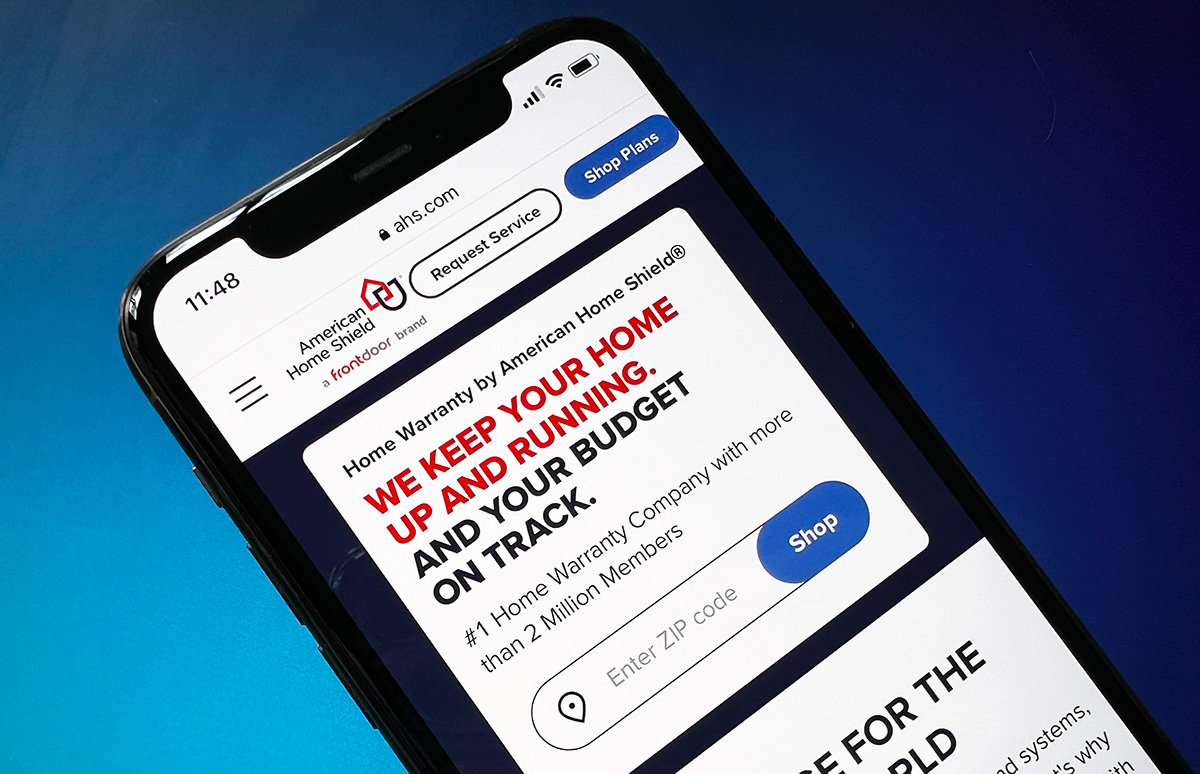
An American Title home warranty is a specialized service contract, often coordinated during the real estate closing process, that covers the repair or replacement costs of major home systems and appliances. Unlike title insurance, which protects your ownership rights, this warranty provides a financial safety net against mechanical breakdowns and wear and tear in your 2026 residence.
The landscape of residential real estate in 2026 places a premium on "warranted transactions." Whether you are a first-time buyer or a seasoned seller, the integration of home warranty products with title services through entities like American Title has become a standard protocol for mitigating post-sale disputes and ensuring property longevity. Understanding how these warranties function—distinct from your homeowner's insurance—is essential for protecting your largest investment.
The Distinction Between Title Insurance and Home Warranties
A common point of confusion for many homeowners is the difference between the services provided by a title company and the home warranty products they facilitate. In the context of American Title services, these two products serve entirely different purposes but work together to provide comprehensive protection during a property transfer.
Title Insurance is a one-time premium paid at closing. Its primary function is to protect the lender and the owner against "defects" in the title. These defects might include undiscovered liens, encumbrances, or legal challenges to the ownership of the land. It looks backward in time to ensure that past events do not affect your current ownership.
Home Warranties, conversely, are forward-looking service contracts. They address the physical components of the home. When an HVAC system fails or a dishwasher stops functioning due to normal wear and tear, the home warranty is the mechanism used to resolve the issue. In 2026, many American Title branches offer these warranties as a "bundled" convenience to ensure that the buyer isn't hit with a massive repair bill within the first 90 days of moving in.
How American Title Home Warranty Integration Works
In 2026, the "Total Protection" model is the dominant approach in real estate. When you work with American Title for your closing, the home warranty is often introduced during the escrow phase.
The Escrow Integration
During the period between the signed contract and the final closing, the title agent coordinates with the home warranty provider. If the seller has agreed to pay for the warranty as an incentive—a common practice in the 2026 balanced market—the title company ensures that the premium is deducted from the seller's proceeds and paid directly to the warranty underwriter. This ensures that coverage begins the moment the deed is recorded.
Seller's Coverage Benefits
One of the most valuable aspects of an American Title home warranty is the "Seller’s Coverage" period. While a home is listed on the market, the seller can often opt for a "listing coverage" extension. This protects the seller if the furnace dies while the home is under contract. This prevents the deal from falling through or requiring a last-minute price renegotiation, as the warranty covers the repair costs before the title officially transfers to the buyer.
Comprehensive Coverage Details for 2026
As home technology has evolved, so too have the coverage limits and inclusions of American Title home warranties. In 2026, plans are generally categorized into three tiers: Basic Systems, Appliance-Only, and Comprehensive Combo Plans.
Major Home Systems
The core of any robust warranty is the protection of the "bones" of the home. In 2026, this includes:
- HVAC Systems: Including smart thermostats, zoned heating components, and high-efficiency heat pumps.
- Plumbing: Covering leaks, breaks, and stoppages, as well as water heaters (including tankless models).
- Electrical Systems: Including main panels, sub-panels, and built-in lighting fixtures.
- Ductwork: Protection for the delivery systems that ensure air quality and temperature control.
Appliance Coverage
Modern kitchens in 2026 are filled with high-tech appliances that are expensive to repair. Coverage typically extends to:
- Refrigerators: Including built-in ice makers and digital display panels.
- Ovens and Cooktops: Covering both gas and induction technologies.
- Dishwashers: Addressing motor failures and control board malfunctions.
- Washers and Dryers: Vital for maintaining household functionality.
2026 Tech Add-ons
With the rise of the "Internet of Things" (IoT), American Title home warranties now frequently offer riders for smart home infrastructure. This includes coverage for smart doorbells, integrated security cameras, and automated home hubs that were previously excluded from standard mechanical warranties.
Financial Analysis: Costs and Fees in 2026
Budgeting for a home warranty requires understanding two distinct financial components: the annual premium and the service call fee.
| Component | Estimated Cost (2026) | Frequency | Notes |
|---|---|---|---|
| Basic Plan Premium | $450 - $600 | Annual | Usually covers either systems or appliances. |
| Comprehensive Plan | $650 - $900 | Annual | Full coverage for systems and appliances. |
| Service Call Fee | $75 - $125 | Per Visit | The "deductible" paid to the technician. |
| Smart Home Rider | $50 - $100 | Annual | Optional add-on for IoT devices. |
| Pool/Spa Coverage | $150 - $250 | Annual | Specialized rider for external pump systems. |
The Value Proposition
In 2026, the average cost of a full HVAC replacement has risen significantly due to labor shortages and material costs. A single major replacement can cost upwards of $8,000 to $12,000. When viewed through this lens, a $750 annual premium provides an exceptional return on investment (ROI) if even one major system fails.
The Claims Process: Step-by-Step
Understanding how to use your American Title home warranty is as important as having the coverage itself. In 2026, the process is largely digitized to ensure rapid response times.
- Identify the Failure: The warranty only covers items that fail due to normal wear and tear. It does not cover "pre-existing conditions" or damage caused by lack of maintenance.
- Contact the Warranty Portal: Most American Title-facilitated warranties provide a 24/7 online portal or mobile app. You file a "Claim Request" rather than calling a local repairman directly.
- Assignment of Technician: The warranty company will assign a pre-vetted, licensed contractor from their network. In 2026, most providers guarantee an appointment window within 24 to 48 hours for "essential" services like heat or water.
- The Service Visit: You pay the flat service call fee directly to the technician. They diagnose the issue and report back to the warranty company.
- Authorization and Repair: The warranty company reviews the diagnosis against your policy limits. Once authorized, the technician completes the repair or orders the replacement parts.
- Resolution: If the item cannot be repaired, the warranty company provides a replacement or a "cash-in-lieu" payment based on the depreciated value of the unit (though many 2026 plans now offer "full replacement value" as a premium feature).
Common Mistakes to Avoid
Even with the best American Title home warranty, homeowners can find themselves with denied claims if they do not follow specific protocols.
Lack of Maintenance Records
In 2026, warranty providers are stricter about requiring proof of annual maintenance. If your AC compressor fails but you haven't changed the filters or had an annual tune-up in three years, the company may argue that the failure was due to negligence rather than wear and tear. Keep a digital log of all professional servicing.
Unauthorized Repairs
Never call your own plumber or electrician and expect the warranty company to reimburse you later. The warranty company must be the one to dispatch the service provider. Unauthorized repairs are the number one cause of claim denials.
Understanding Coverage Caps
Every policy has a "limit of liability." For example, a policy might cover plumbing repairs up to $2,000 per year. If a major sewer line collapse occurs and the bill is $5,000, the homeowner is responsible for the $3,000 overage. Always read the "Schedule of Coverage" to know your specific caps.
Why Title Companies Advocate for Home Warranties
Title companies like American Title operate at the nexus of the real estate transaction. Their advocacy for home warranties isn't just about upselling; it's about transaction security. When a buyer moves into a new home and the water heater bursts on day three, their first instinct is often to blame the seller or the inspectors.
By having an American Title home warranty in place, the buyer has a direct path to resolution that doesn't involve litigation or animosity toward the previous owner. This "peace of mind" factor is why over 70% of residential closings in 2026 now include some form of home warranty product.
Comparing Options: How to Choose
When selecting a warranty through your title provider, consider the specific age and condition of your home.
- For Older Homes (15+ years): Prioritize plans with high "aggregate limits" and no "age of system" exclusions. Focus on HVAC and plumbing protection.
- For Newer Homes (<5 years): Focus on appliance coverage and smart home technology. Many manufacturers' warranties on systems like the furnace may still be in effect, but appliances often only have one-year protections.
- For High-End Properties: Look for "Luxury Suites" or "Premium Upgrades" that cover commercial-grade appliances (like Sub-Zero or Wolf brands), which standard warranties often exclude.
Frequently Asked Questions
Does the American Title home warranty cover pre-existing conditions?
Generally, no. A home warranty is designed to cover failures that occur after the policy's start date. However, in 2026, many policies include a "No-Fault" clause for buyers, which means if the home inspection didn't catch the issue and the system was working at the time of closing, the warranty will honor the claim. This is a significant protection for new homeowners.
Can I renew my American Title home warranty after the first year?
Yes. While these warranties are typically initiated during the real estate transaction for a 12-month term, they are renewable. Most providers will offer a renewal notice 60 days before the expiration. In 2026, many homeowners choose to keep the warranty active for the duration of their homeownership to stabilize their monthly repair budgets.
What is the difference between a service fee and a premium?
The premium is the annual cost to keep the policy active (often paid at closing). The service fee is a flat "per-visit" charge you pay when a technician comes to your home. Think of the premium as your subscription and the service fee as your co-pay.
Does it cover roof leaks?
Many American Title home warranty plans offer "Limited Roof Leak" coverage as an add-on. This typically covers repairs to the roof membranes to stop active leaks but does not cover the full replacement of the roof or damage caused by weather events (which is covered by homeowner's insurance).
Is the warranty transferable if I sell my house before the year is up?
Yes, this is one of the primary benefits. The warranty stays with the property. If you purchase a one-year plan and sell the house six months later, the remaining six months of coverage transfer to the new owner, adding significant value to your listing.
Practical Recommendation for Homeowners
If you are currently in the process of a real estate transaction involving American Title, request a "Sample Contract" for their recommended home warranty provider early in the process. Do not wait until the day of closing to review the coverage limits. Verify that the plan includes "mismatched systems" coverage and "code violation" coverage—two items that are frequently needed in 2026 as local building regulations become more stringent. For sellers, providing a warranty is a low-cost way to differentiate your property and protect yourself from post-closing liability. For buyers, it is an essential tool for managing the unpredictable costs of a new home.