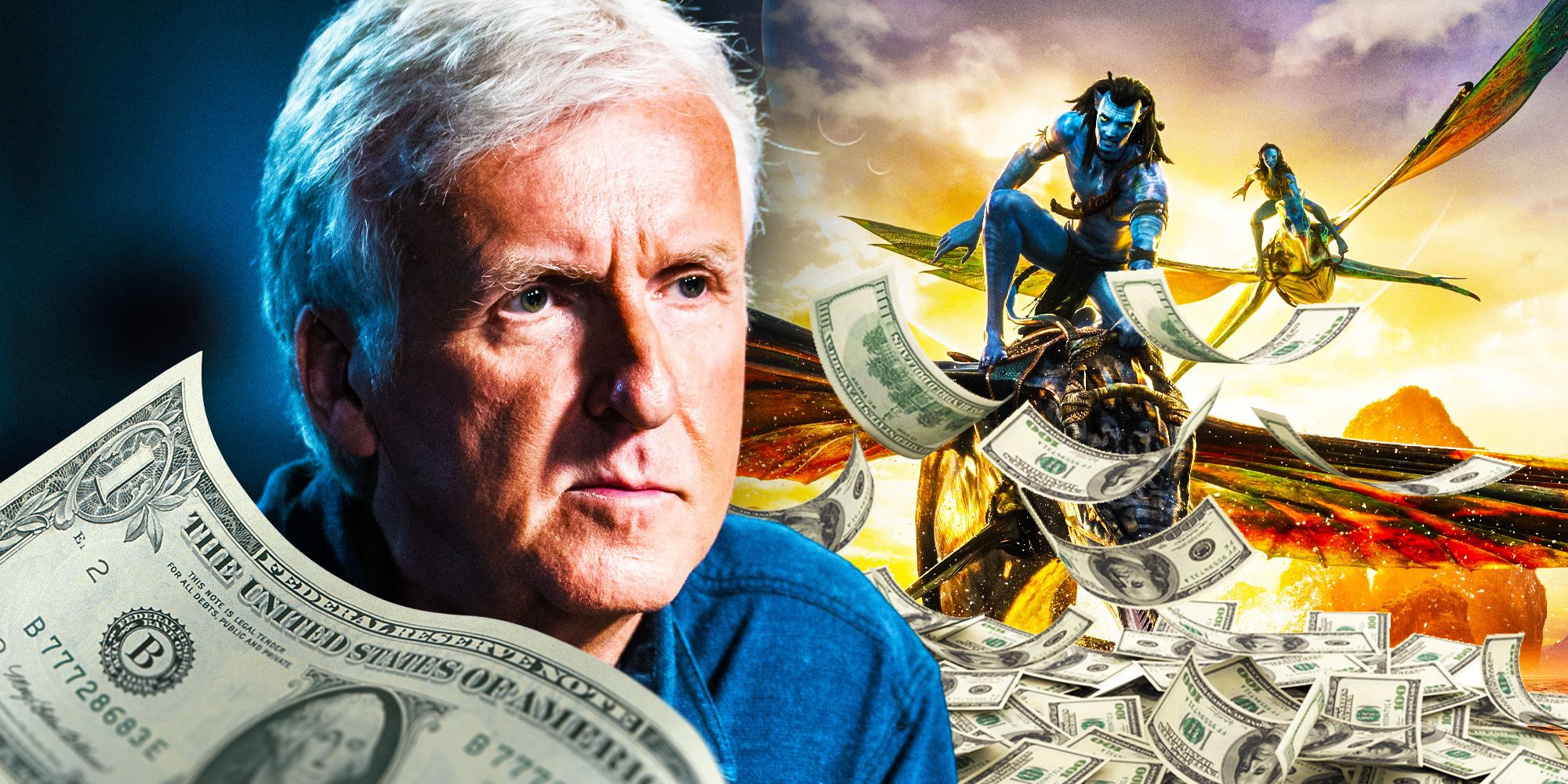
In 2026, the American box office is increasingly driven by "director-as-brand" appeal, where names like Christopher Nolan, Greta Gerwig, and Denis Villeneuve command the same ticket-selling power once reserved for superhero franchises. By blending high-concept original storytelling with massive technical scale, these directors have revitalized the theatrical experience, proving that auteur-driven visions are the most reliable drivers of global commercial success.
The Evolution of the Auteur Blockbuster
The landscape of the American box office has undergone a radical transformation over the last few years. While the 2010s were defined by the dominance of "IP" (Intellectual Property) and cinematic universes, the mid-2020s have seen a resurgence of the filmmaker as the primary draw. This shift was accelerated by the massive success of "event" cinema in 2023 and 2024, which signaled to studios that audiences were experiencing "franchise fatigue" and craving distinct, singular voices.
In 2026, we see the culmination of this trend. Major studios like Universal, Warner Bros. Discovery, and Sony have adjusted their slate strategies. Rather than greenlighting endless sequels, they are increasingly placing "big bets" on directors who can deliver what the industry calls the "Event Auteur" film. These are movies that utilize a massive budget—often exceeding $150 million—but maintain the specific stylistic and thematic hallmarks of their creator.
This movement is not just about artistic integrity; it is a calculated response to the economics of streaming. To pull audiences away from home setups and into theaters, the film must offer a spectacle that feels "uncopyable." The directors currently shaping the box office are those who have mastered the art of the "Premium Large Format" (PLF) experience, utilizing IMAX and 70mm film to create a sense of urgency and exclusivity.
Christopher Nolan: The Standard-Bearer for Theatrical Purity
Christopher Nolan remains the most influential figure in the American box office landscape of 2026. Following the historic success of Oppenheimer, which redefined what a three-hour historical drama could achieve commercially, Nolan has solidified his position as the only director who can demand—and receive—total creative control, a massive production budget, and a guaranteed long-term theatrical window for original concepts.
Nolan’s influence on the box office is twofold. First, there is the financial reliability. His films consistently perform across both domestic and international markets because they are marketed as "must-see" events. Second, there is the industry-wide technical shift. Nolan’s insistence on practical effects and high-resolution film formats has forced theater chains to reinvest in high-end projection technology. In 2026, a "Nolan release" serves as a quarterly boost for the entire exhibition industry, driving concession sales and premium ticket surcharges that keep theaters afloat.
His partnership with Universal has also set a new precedent for how directors negotiate. In 2026, top-tier directors are seeking "Nolan-style" deals, which include "first-dollar gross" participation—meaning the director receives a percentage of the box office revenue starting from day one, rather than waiting for the film to reach "net" profitability.
Greta Gerwig: Redefining Global Appeal through Cultural Resonance
If Nolan represents the technical peak of the box office, Greta Gerwig represents its cultural heartbeat. Transitioning from indie darling to a multi-billion-dollar director, Gerwig has fundamentally changed how studios view "female-led" narratives. By 2026, her impact is seen in the way major studios approach toy-based or nostalgic IP.
Gerwig’s strength lies in her ability to take well-known properties and infuse them with subversive, intellectual, and highly emotional themes that resonate across demographics. The "Gerwig Effect" has led to a surge in projects that prioritize high-level writing and production design over generic action sequences. Her success has also opened doors for other directors, proving that a film can be both a "feminist manifesto" and a "global juggernaut."
In the current 2026 market, Gerwig is a kingmaker. Any project attached to her name instantly gains "prestige-commercial" status, attracting A-list talent who are willing to take pay cuts to work within her vision. Her influence ensures that the box office is no longer a "boys' club" of action directors, but a diverse arena where emotional depth is a bankable asset.
Denis Villeneuve and the Rise of the "Visual Architect"
Denis Villeneuve has carved out a unique space in the 2026 box office by becoming the definitive director of "High Science Fiction." Following the completion of the Dune trilogy, Villeneuve has proven that challenging, slow-burn narratives can achieve massive commercial success if they are packaged with unparalleled visual and auditory spectacle.
Villeneuve’s contribution to the box office is his ability to attract the "adult blockbuster" audience—the demographic that may have outgrown traditional superhero films but still wants the scale of a big-budget movie. His films are often described as "Visual Architecture," where the environment itself is a character.
The economic impact of Villeneuve’s work is particularly evident in the international market. While some American comedies or dramas struggle abroad, Villeneuve’s visual-heavy storytelling translates seamlessly across cultures. By 2026, he has become the "go-to" director for studios looking to launch new sci-fi franchises that require a balance of critical acclaim and global ticket sales.
Jordan Peele and the Commercialization of Social Horror
In 2026, horror remains one of the most profitable genres in cinema, largely due to the groundwork laid by Jordan Peele. Peele has achieved something rare: he has turned "the original horror film" into a box office event. Unlike other directors who rely on established monsters or slashers, Peele sells his films based on his name and the "mystery box" of his premises.
Peele’s influence on the box office is measured by the "ROI" (Return on Investment). While Nolan and Villeneuve spend hundreds of millions, Peele operates in the $30M–$80M range, often yielding 5x to 10x returns. This has encouraged studios to invest in "Elevated Horror," a sub-genre that prioritizes social commentary and psychological tension.
His success has also stabilized the "mid-budget" sector of the box office. In an era where movies are often either $5M indies or $200M behemoths, Peele’s 2026 projects demonstrate that there is still a massive audience for original, medium-budget films that provide a shared, visceral experience in a dark theater.
The Economic Logic: Why Studios Bet on Names, Not Just Capes
The shift toward director-driven cinema in 2026 is rooted in risk mitigation. Between 2021 and 2024, several high-profile superhero sequels underperformed, costing studios hundreds of millions. Executives realized that an "IP" is only as strong as the person helming it. The "Director-as-Brand" model offers a different kind of security.
The Marketing Pivot
In 2026, marketing campaigns frequently feature the director in trailers and promotional interviews as much as the lead actors. This builds a "long-term relationship" with the audience. When a viewer trusts a director like Rian Johnson or James Mangold, they are likely to follow that director across genres, regardless of whether the movie is based on a comic book or an original screenplay.
The IMAX Factor and Premium Large Format (PLF)
Directorial choice is now inextricably linked to the physical way movies are shown. The following table illustrates how the "Big Four" directors of 2026 influence the technical and commercial aspects of their releases.
| Director | Primary Genre | Standard Budget Range | Key Box Office Driver | Tech Preference |
|---|---|---|---|---|
| Christopher Nolan | Sci-Fi / Thriller | $150M - $225M | Theatrical Exclusivity | 70mm IMAX / Practical |
| Greta Gerwig | Dramedy / Fantasy | $100M - $150M | Cultural Discourse | Vibrant Color Palettes |
| Denis Villeneuve | Sci-Fi / Epic | $160M - $200M | Visual Spectacle | Arri Alexa 65 / IMAX |
| Jordan Peele | Social Horror | $30M - $80M | Mystery / Word of Mouth | High-Contrast Digital |
Challenges Facing the Next Generation of Directors
While the titans mentioned above are shaping the box office in 2026, the industry faces a significant "pipeline problem." The gap between a first-time indie director and a blockbuster director has widened. The 2026 box office is dominated by established names, making it harder for new voices to break into the "Auteur Blockbuster" tier.
Another challenge is the shortening of theatrical windows. While Nolan can demand 100 days of exclusivity, most directors are lucky to get 30 to 45 days before their film hits VOD or streaming services. This creates a "hit or miss" environment where a film that doesn't explode in its first two weekends is quickly relegated to home viewing, potentially damaging the director's future box office clout.
Furthermore, the rise of AI-assisted production has sparked a debate among top directors. Those shaping the box office today are largely those who reject or strictly limit the use of generative AI in their creative process, marketing their films as "Human-Made" as a mark of quality. This distinction has become a selling point for audiences who value "authentic" cinema.
The Future of the American Box Office
As we look toward the late 2020s, the influence of American directors will likely expand into new territories. We are seeing more directors take an active role in distribution and exhibition. Some, like Quentin Tarantino or Christopher Nolan, have even purchased their own movie theaters or film labs to ensure their preferred medium survives.
The box office in 2026 proves that cinema is not dying; it is simply becoming more specialized. The "shapers" of the industry are those who understand that in a world of endless digital content, the theater must offer something that feels substantial, intentional, and singular.
Frequently Asked Questions
Who is the highest-grossing American director as of 2026? While historical rankings often feature Steven Spielberg and James Cameron at the top due to their massive career totals, Christopher Nolan and Greta Gerwig currently lead the "active" box office rankings for the mid-2020s. Nolan’s recent string of hits and Gerwig’s record-breaking Barbie (and its subsequent influence) have made them the most "bankable" names for modern studios.
How do directors influence ticket prices? Directors influence ticket prices indirectly through their use of Premium Large Formats (PLF). Directors like Denis Villeneuve and Christopher Nolan specifically film for IMAX. Because these screenings carry a "premium surcharge" (often $5–$10 more per ticket), their movies naturally generate higher per-capita revenue, which in turn incentivizes theaters to allocate more screens to these directors.
Is superhero fatigue affecting how directors are hired? Yes. In 2026, studios are less likely to hire a "journeyman" director to execute a pre-written franchise script. Instead, they are looking for directors with a "strong signature" who can reinvent a franchise. The success of auteur-driven superhero films (like those from James Gunn or Matt Reeves) has shown that even "IP" needs a specific directorial voice to succeed in the current market.
What role does international box office play for these directors? For directors like Denis Villeneuve and James Cameron, the international box office (especially China, South Korea, and Western Europe) can account for 60% to 70% of total revenue. These directors focus on "visual storytelling" that transcends language barriers, making them more valuable to global conglomerates than directors who rely heavily on American-centric dialogue or cultural references.
Are streaming-first directors shifting back to theatrical? We are seeing a notable trend in 2026 where directors who previously signed "streaming-only" deals (with Netflix or Apple TV+) are now negotiating for "theatrical-first" releases. Directors have realized that the cultural impact and long-term prestige of a film are significantly higher when it has a traditional box office run, leading to more hybrid distribution models.
Practical Recommendation: For those interested in the business of cinema, follow the "Greenlight Reports" from major trades like Variety or The Hollywood Reporter. Pay close attention to "Overall Deals"—when a studio signs a multi-year contract with a director's production company, it is the most reliable indicator of who will be shaping the box office for the next five years.