American cultural identity is a complex synthesis of Enlightenment ideals, diverse immigrant traditions, and a persistent tension between individual liberty and collective responsibility. It is defined by a shared commitment to democratic principles—such as freedom of speech and meritocracy—while remaining a fluid, "living" construct that constantly incorporates new demographic and technological influences.
The concept of "Americanness" has never been static. From the early colonial period to the high-tech landscape of 2026, the United States has functioned as a laboratory for cultural experimentation. To understand this identity, one must examine the philosophical foundations, the historical waves of migration, and the modern social forces that continue to reshape the national character.
The Philosophical Foundations of American Identity
The bedrock of American cultural identity lies in the intellectual movements of the 17th and 18th centuries. Unlike many nations formed on the basis of shared ethnicity or ancient ancestral lands, the United States was largely "invented" through political philosophy.
Enlightenment Ideals and the Social Contract
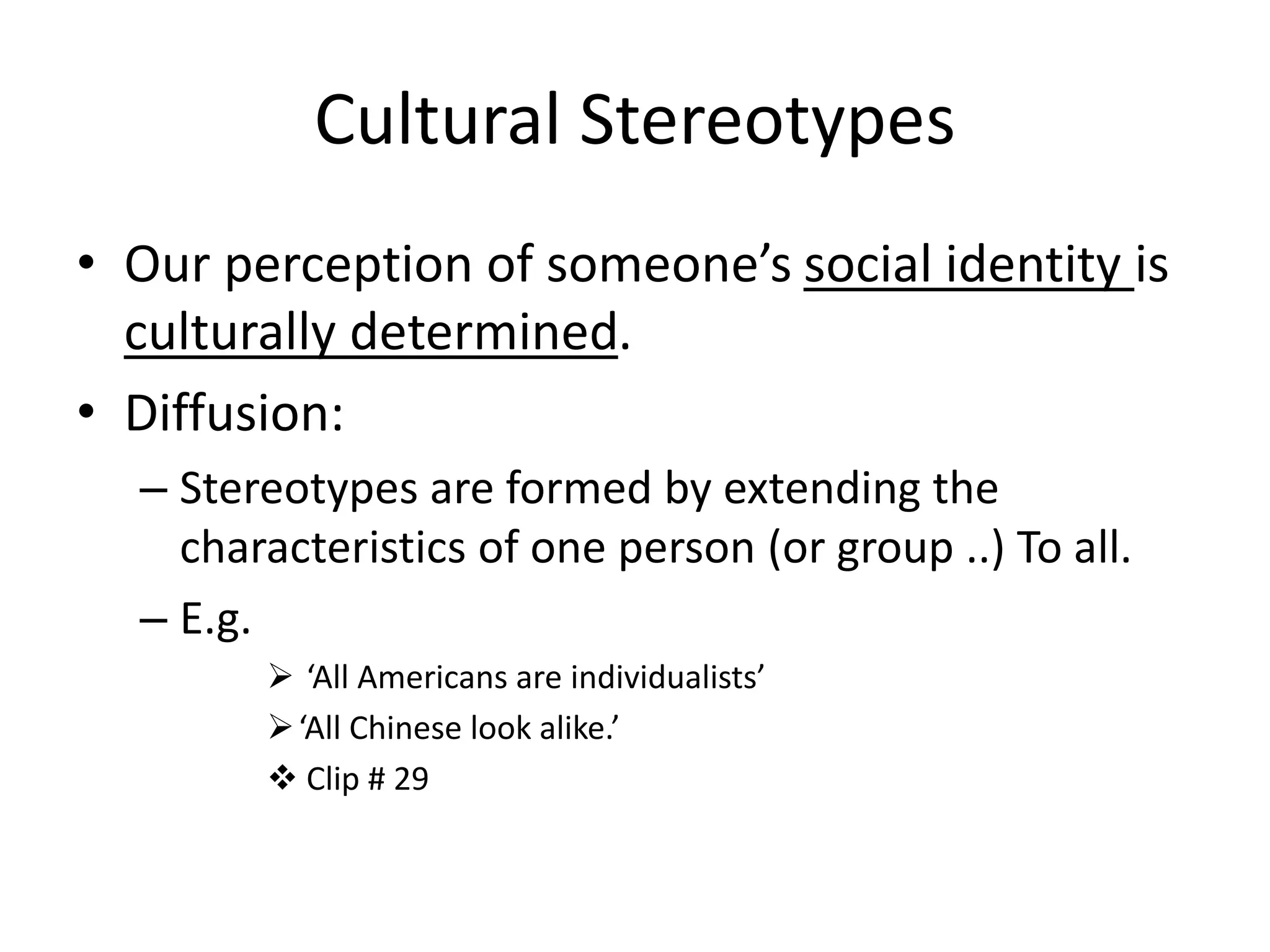
The writings of John Locke and Montesquieu provided the framework for the American experiment. The core tenets of "life, liberty, and the pursuit of happiness," as enshrined in the Declaration of Independence, established a culture that prioritizes the individual's rights over the state's power. This focus on individualism remains perhaps the most distinguishing feature of American culture compared to more collectivist societies in Europe or Asia.
The Frontier Thesis and Self-Reliance
In 1893, historian Frederick Jackson Turner proposed the "Frontier Thesis," arguing that the American identity was forged on the edge of the wilderness. The necessity of surviving in harsh, lawless environments bred a culture of "rugged individualism" and pragmatism. While the physical frontier closed over a century ago, the psychological frontier—expressed today through entrepreneurship, technological innovation, and a "can-do" spirit—remains a central pillar of the national psyche.
The Evolution of the "Melting Pot" vs. the "Salad Bowl"
One of the most enduring debates in American sociology is how the nation integrates its diverse population. The terminology used to describe this process reflects shifting attitudes toward assimilation and multiculturalism.
The Melting Pot Era
For much of the 20th century, the "Melting Pot" was the dominant metaphor. This theory suggested that various immigrant cultures should blend into a single, unified American culture, often modeled after Anglo-Protestant norms. The goal was homogenization—losing the "old world" identity to become something entirely new.
The Salad Bowl and Pluralism
By the late 20th century and continuing into 2026, the "Salad Bowl" metaphor gained prominence. This model of cultural pluralism suggests that different ethnic and cultural groups can maintain their unique traditions and identities while coexisting within the larger American framework. In this view, the "dressing" that holds the salad together consists of shared political values and the English language, even as the individual "ingredients" (heritage, religion, language) remain distinct.
The Impact of the 1965 Immigration Act
The Hart-Celler Act of 1965 was a pivotal moment in redefining American identity. By abolishing the national-origins quota system, it opened the doors to significant immigration from Asia, Africa, and Latin America. This demographic shift has moved the U.S. toward a "minority-majority" future, where no single ethnic group holds a numerical majority, fundamentally altering the cultural and political landscape.
Core Values and the American Dream
At the heart of American identity is the "American Dream," a term coined by James Truslow Adams in 1931. While the definition has shifted from land ownership to social mobility, its core components remain influential.
Meritocracy and Social Mobility
Americans traditionally believe that success is the result of hard work and talent rather than birthright or class. This belief in meritocracy fuels a highly competitive work culture. However, in 2026, there is an ongoing national dialogue regarding the "opportunity gap." Critics argue that systemic barriers—such as unequal access to education and healthcare—challenge the validity of the American Dream for many marginalized groups.
Religious Pluralism and the Secular Shift
While the United States was founded on principles of religious freedom, it remained a predominantly Protestant nation for most of its history. Today, the landscape is far more diverse. According to the Pew Research Center, the rise of the "Nones" (those with no religious affiliation) and the growth of Islam, Buddhism, and Hinduism have shifted the culture away from a singular religious identity toward a more secularized public square that still respects private faith.
| Historical Era | Dominant Philosophy | Key Cultural Symbol | Defining Conflict |
|---|---|---|---|
| Colonial (1607–1776) | Puritanism / Enlightenment | The Mayflower Compact | Religious Freedom vs. Crown Authority |
| Expansionist (1803–1890) | Manifest Destiny | The Covered Wagon | Settler Expansion vs. Indigenous Rights |
| Industrial (1890–1945) | Progressivism / Capitalism | The Assembly Line | Labor Rights vs. Corporate Growth |
| Post-War (1945–1990) | Consumerism / Liberalism | The Suburb / Television | Civil Rights vs. Traditional Social Order |
| Digital/Modern (1990–2026) | Globalism / Individualism | The Smartphone | National Identity vs. Global Connectivity |
The Role of Popular Culture and Global Influence
American cultural identity is not only what Americans believe but also what they export. Through "soft power," the United States has influenced global norms for decades.
Hollywood and the Export of Values
American films, music, and social media platforms are primary drivers of global culture. This "Americanization" often promotes themes of rebellion, romance, and material success. Conversely, the global stage now influences America. In 2026, the popularity of K-pop, British television, and Latin American cinema within the U.S. demonstrates a "reverse cultural flow" that makes the American identity more cosmopolitan.
The Digital Transformation of Identity
The rise of the internet has fragmented American identity into thousands of subcultures. Geographic identity—being a "New Yorker" or a "Texan"—is increasingly supplemented or replaced by digital identities based on shared interests, political ideologies, or niche hobbies. While this allows for greater self-expression, it has also contributed to "echo chambers," where different segments of the population operate with entirely different sets of cultural facts and values.
Regionalism and the American "Nations"
Despite the unifying force of national media, regional differences remain a potent force in American identity. In his influential work, American Nations, author Colin Woodard argues that the U.S. is composed of several distinct regional cultures with their own histories and values.
- Yankeedom: Values education, citizen participation, and government intervention for the common good (largely the Northeast and Upper Midwest).
- The Deep South: Established as a caste system, it historically values tradition and local control.
- The Left Coast: A hybrid of Yankee utopianism and Appalachian self-expression (the Pacific Coast).
- The Midlands: Defined by ethnic diversity and a "middle-of-the-road" political approach (parts of the Midwest and Mid-Atlantic).
These regional identities often explain the political polarization seen in 2026. A resident of rural Wyoming and a resident of downtown Chicago may both identify as "American," but their cultural priorities and lifestyles may differ as much as those of people in two different countries.
Current Challenges to National Cohesion
As of 2026, the primary challenge to American cultural identity is the erosion of a "common narrative." Historically, major events like World War II or the Space Race provided a unifying sense of purpose. Today, the country faces internal pressures that test its social fabric.
Political Polarization
Identity politics—where people's social identities (race, religion, gender) drive their political affiliations—has led to a perception of "Two Americas." The shared cultural vocabulary of the mid-20th century has been replaced by partisan language, making it difficult for citizens to find common ground on national issues.
Economic Inequality
The widening gap between the ultra-wealthy and the working class has created a cultural divide. The "lived experience" of a gig economy worker in a rural town is vastly different from that of a tech executive in Silicon Valley. This disparity challenges the notion of a shared American experience, as different economic classes access entirely different versions of education, healthcare, and leisure.
Frequently Asked Questions
What is the most important value in American culture?
Individualism is widely considered the cornerstone of American culture. It emphasizes personal independence, self-reliance, and the idea that the individual's rights are paramount. This value manifests in everything from the U.S. legal system to the nation’s preference for entrepreneurial capitalism.
How has the concept of the "American Dream" changed?
Originally, the American Dream focused on the opportunity for "life, liberty, and the pursuit of happiness" regardless of social class. In the mid-20th century, it became synonymous with homeownership and a stable middle-class life. In 2026, many define it more in terms of "lifestyle autonomy"—the ability to work remotely, maintain a work-life balance, and achieve personal fulfillment rather than just accumulating material wealth.
Is English the official language of the United States?
The United States has no official language at the federal level, though English is the de facto national language. Many states have passed "English-only" laws, but the cultural reality is one of increasing multilingualism. Spanish is the second most spoken language, and the ability to speak multiple languages is increasingly seen as a cultural asset in the globalized economy of 2026.
Why is American culture so focused on "soft power"?
"Soft power" is the ability to influence others through attraction and persuasion rather than coercion (hard power). By exporting its culture—movies, technology, and values—the United States maintains global influence. This cultural prestige makes other nations more likely to align with American interests and adopt democratic or capitalistic norms.
How does regionalism affect American identity?
Regionalism ensures that there is no single "American" way of life. Cultural norms regarding social etiquette, religious observance, and political leanings vary significantly between regions like New England, the South, and the West. This diversity is a source of cultural richness but can also lead to significant friction in national governance.
Future Outlook for American Identity
As the United States moves further into the 21st century, its cultural identity will likely continue to move away from a "centralized" model toward a more "networked" one. The traditional anchors of identity—national heritage, religion, and geography—are being supplemented by technological and global affiliations.
The resilience of the American identity lies in its ability to reinvent itself. Just as the nation survived the transition from an agrarian society to an industrial powerhouse, it is now navigating the shift to a digital, pluralistic society. The "Unum" (the One) may look different than it did in the 1700s, but the "Pluribus" (the Many) continues to find ways to define themselves within the framework of the American experiment.
Next Action: To gain a deeper understanding of these shifts, explore the National Museum of American History's digital exhibitions on "Many Voices, One Nation," which provide historical context for the demographic and cultural changes currently shaping the country.