As of 2026, American Airlines generally holds a three-star rating from Skytrax and a four-star rating from APEX, reflecting its position as a standard full-service global carrier. While it excels in fleet modernization and network connectivity, its ratings for consistent cabin service and operational reliability often trail behind top-tier international competitors and domestic rivals like Delta Air Lines.
Understanding the Different Rating Systems for American Airlines
To accurately assess American Airlines (AA), one must look at several distinct rating bodies, each evaluating the carrier through a different lens. Ratings are not monolithic; a "high" rating in safety does not necessarily equate to a "high" rating in meal quality or seat comfort. By 2026, the landscape of airline evaluation has become increasingly specialized, focusing on data-driven metrics versus subjective passenger sentiment.
The most recognized authority in the industry is Skytrax, which utilizes a professional auditing system to rank airlines from one to five stars. American Airlines has historically maintained a 3-star rating. This designation implies that the airline's staff service and product standards are considered "average" or "fair," meeting the basic expectations of a full-service carrier but falling short of the "excellent" or "exceptional" benchmarks set by 4-star and 5-star airlines. Skytrax audits cover everything from the cleanliness of the cabin to the efficiency of the check-in process and the quality of the in-flight entertainment (IFE).
In contrast, the Airline Passenger Experience Association (APEX) provides ratings based entirely on verified passenger feedback. In this system, American Airlines often secures a 4-star rating. This discrepancy highlights a common theme in American airline ratings: while professional auditors may find the consistency lacking, the actual passenger base—particularly those utilizing the vast AAdvantage loyalty network—tends to value the airline's reach and modernized fleet more highly.
Finally, safety ratings, such as those provided by AirlineRatings.com, focus on incident history, fleet age, and government audits. American Airlines consistently earns a 7/7 safety rating, the highest possible score. This indicates that the carrier meets the rigorous safety standards set by the International Civil Aviation Organization (ICAO) and the Federal Aviation Administration (FAA).
Safety First: Evaluating American Airlines’ Security and Maintenance Records
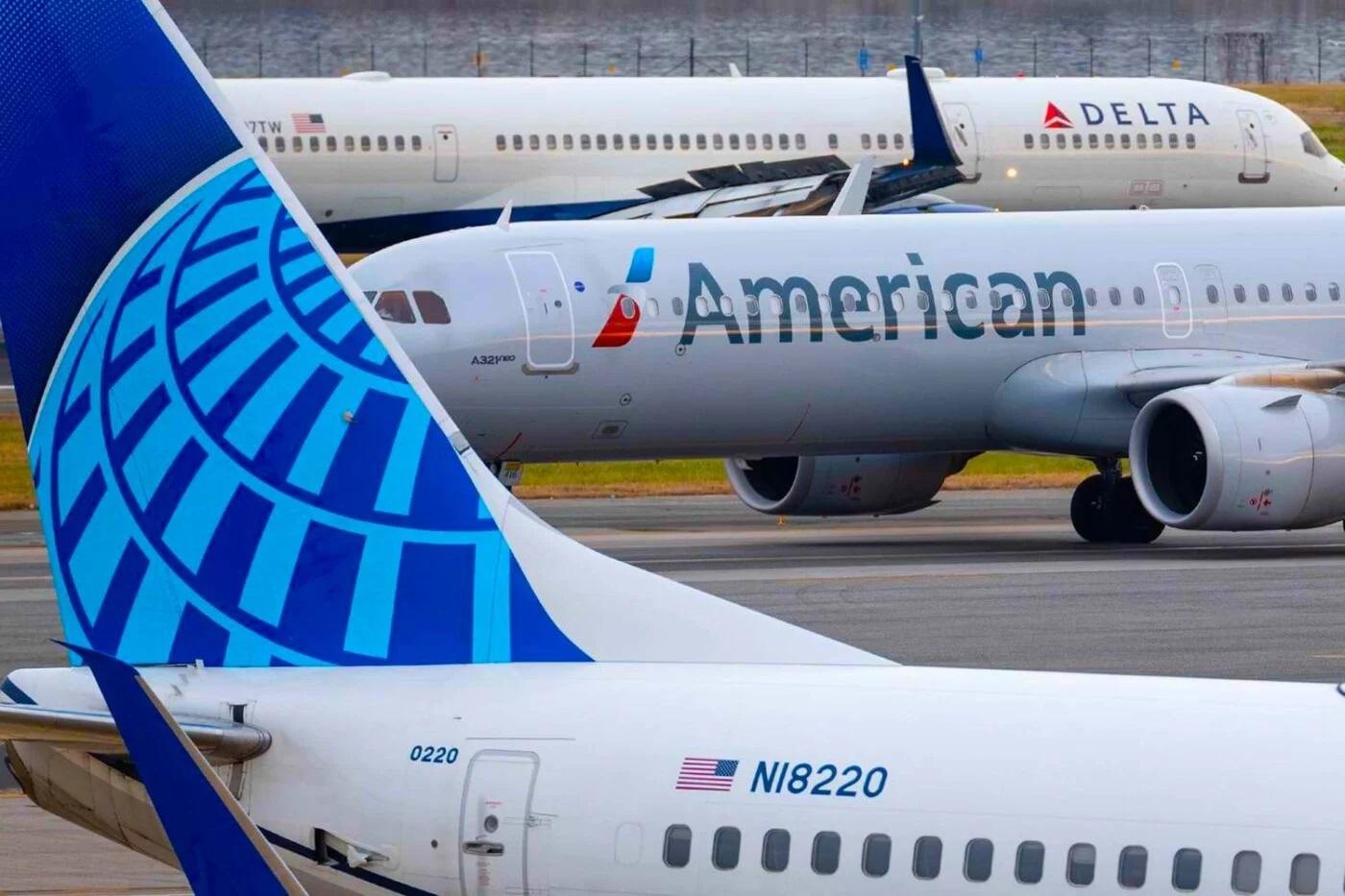
Safety is the non-negotiable foundation of any airline's reputation. For American Airlines, the ratings in this category remain exemplary in 2026. The airline operates one of the largest and youngest fleets among the U.S. "Big Three" carriers (American, Delta, and United), which inherently contributes to a higher safety profile due to the integration of modern avionics and more fuel-efficient, reliable engines.
The 7-star safety rating awarded by AirlineRatings.com is based on several critical criteria:
- IOSA Certification: The IATA Operational Safety Audit (IOSA) is an evaluation system designed to assess the operational management and control systems of an airline. American Airlines maintains a continuous certification, which is a hallmark of global safety standards.
- Fatality-Free Record: Over the past decade, American Airlines has maintained an impressive safety record regarding major hull losses or fatal accidents, particularly when adjusting for the sheer volume of daily departures (thousands of flights per day).
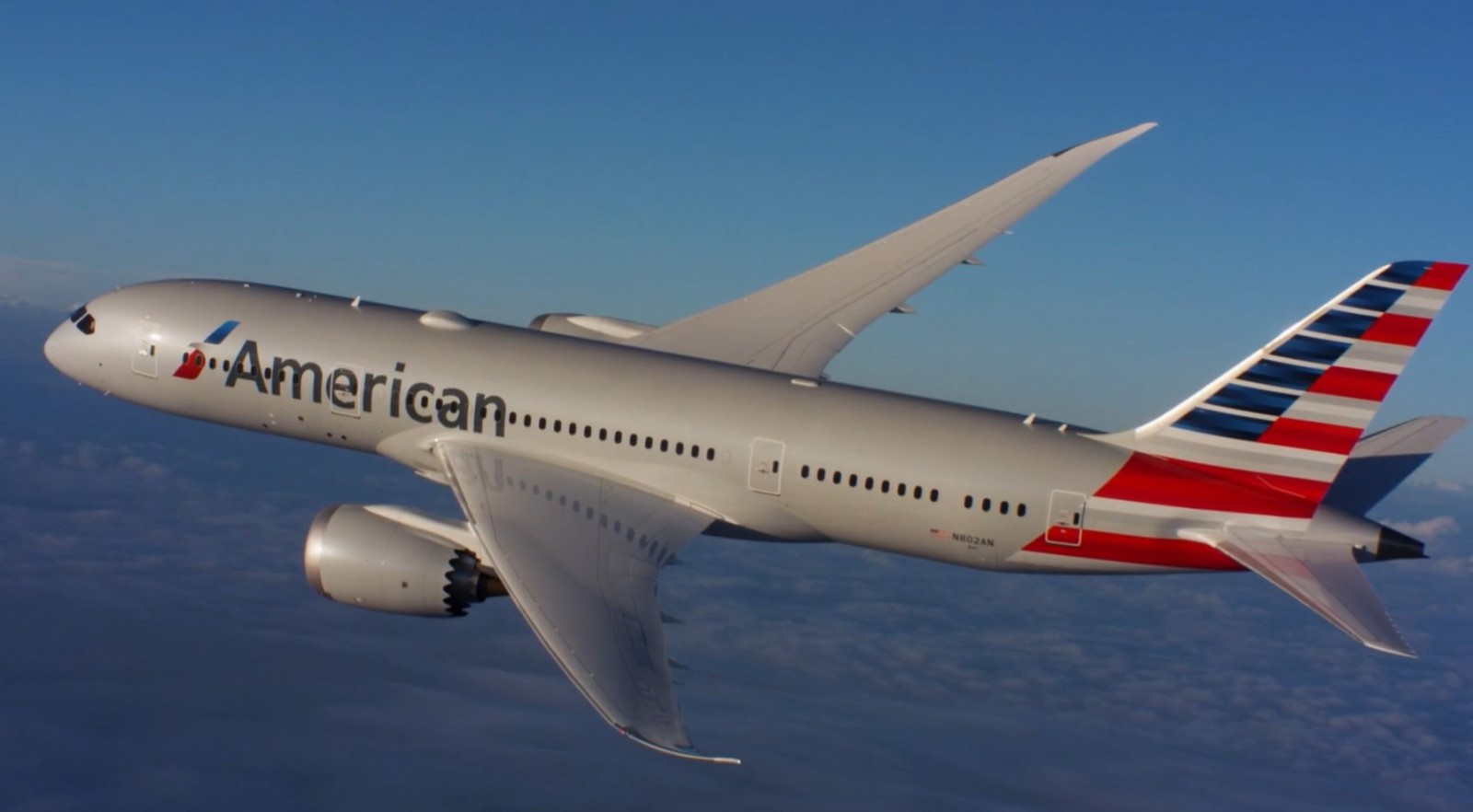
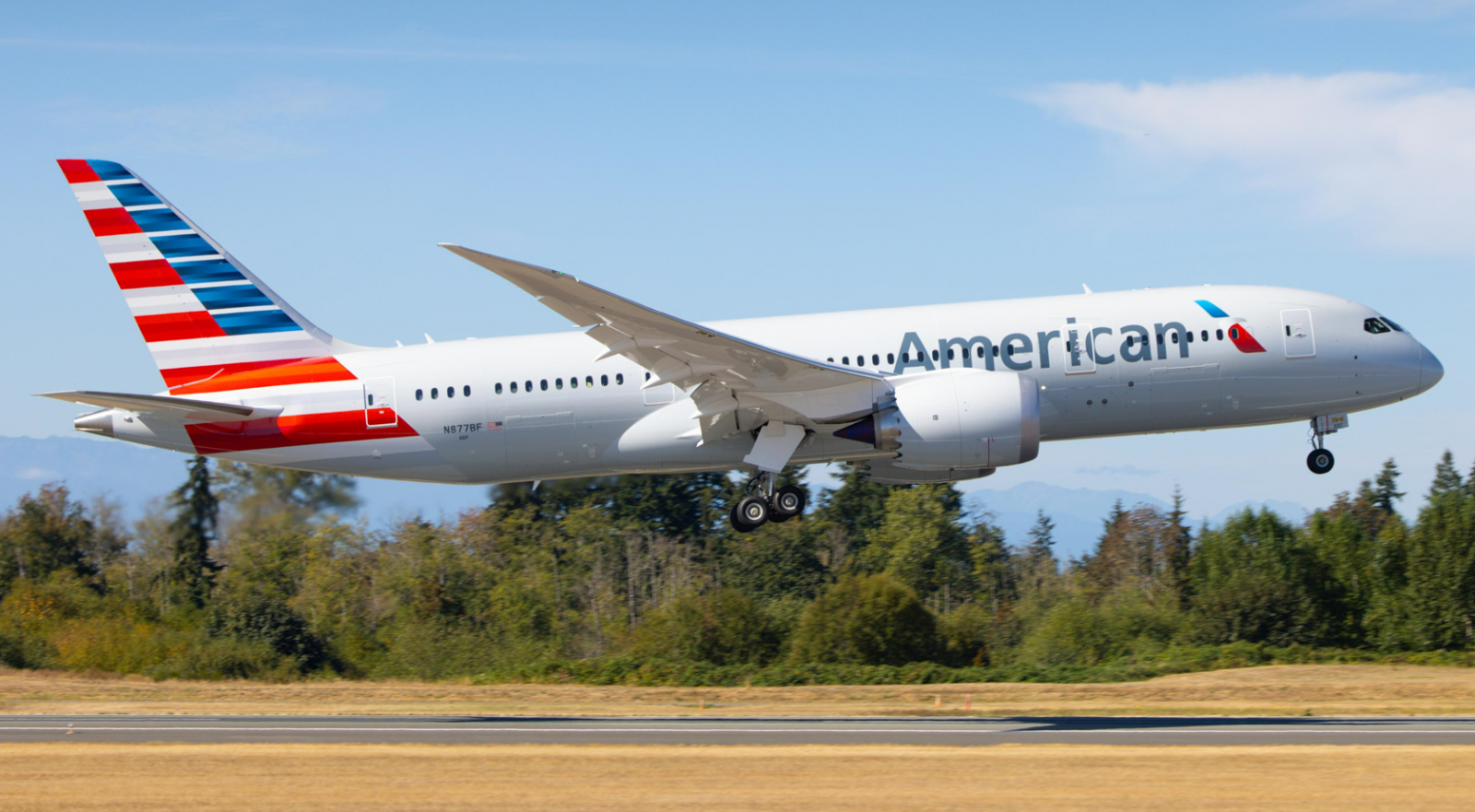
- Fleet Modernization: By 2026, American has largely completed the phase-out of older, less efficient aircraft, replacing them with Boeing 787 Dreamliners and Airbus A321neo aircraft. Newer aircraft are statistically safer and undergo more sophisticated digital monitoring.
However, safety ratings also account for non-fatal incidents and the airline's response to them. American Airlines' pilot training programs and maintenance protocols are among the most robust in the world, often serving as a benchmark for other carriers. While minor mechanical delays are a frequent source of passenger frustration, they are ironically a sign of a high safety rating, as they indicate that the carrier refuses to operate an aircraft until every technical discrepancy is resolved according to FAA Part 121 regulations.
Cabin Comfort and In-Flight Service Ratings
When travelers search for "American airline ratings," they are most often concerned with the experience inside the metal tube. In 2026, the cabin experience on American Airlines is a tale of two very different products: the premium "Flagship" experience and the "Main Cabin" reality.
Premium Experience: Flagship Suite and Business Class
American Airlines has undergone a significant transformation of its long-haul product. With the rollout of the Flagship Suite on the Boeing 787-9 and Airbus A321XLR fleets, the airline has moved toward a more competitive 4-star product. These suites feature privacy doors, direct aisle access, and enhanced storage. Ratings for these cabins are generally high, often rivaling European carriers, though they still struggle to match the "soft product" (food, beverage, and personalized service) of Asian and Middle Eastern airlines.
Economy and Main Cabin Extra
In the "Main Cabin" (Economy), ratings are more polarized. American’s Oasis interior project, which standardized the narrow-body fleet (Boeing 737s and Airbus A321s), led to some negative feedback regarding seat pitch and the removal of seat-back screens in favor of "bring your own device" (BYOD) entertainment. While this allows for faster Wi-Fi and more power outlets, it has capped the Skytrax rating at 3 stars for many domestic routes.
Service ratings in Economy often suffer due to inconsistency. Unlike Delta, which is frequently cited for a more uniform service culture, American’s cabin crew ratings vary significantly depending on the hub and the specific crew. In 2026, the airline continues to invest in "hospitality training," but the sheer size of the workforce makes standardizing the 4-star service level a logistical challenge.
Operational Reliability: On-Time Performance and Baggage Handling
Ratings for operational reliability are derived from the U.S. Department of Transportation (DOT) Air Travel Consumer Reports. These are "hard" ratings based on data, not opinions. For the year 2025 and moving into 2026, American Airlines typically finds itself in the middle of the pack among major U.S. carriers.
On-Time Performance (OTP)
American Airlines usually maintains an on-time arrival rate of approximately 78% to 82%. While this is respectable, it frequently lags behind Delta Air Lines and Alaska Airlines. The primary drag on American's OTP ratings is its heavy presence in weather-prone hubs like Dallas/Fort Worth (DFW), Chicago O’Hare (ORD), and Charlotte (CLT). A thunderstorm in DFW can ripple through the entire network, leading to "controllable" and "uncontrollable" delay ratings that frustrate passengers.
Baggage Handling
Baggage handling ratings have seen an upward trend due to the airline’s investment in RFID tracking technology. In 2026, passengers can track their bags in real-time via the American Airlines mobile app. Despite this, the rate of "mishandled baggage" per 1,000 passengers remains slightly higher than its closest competitors, largely due to the complexity of its massive hub-and-spoke transfer system.
| Metric | American Airlines Rating | Competitor Average (Delta/United) | Source |
|---|---|---|---|
| Safety Rating | 7 / 7 Stars | 7 / 7 Stars | AirlineRatings.com |
| Service Rating | 3 / 5 Stars | 3.5 / 5 Stars | Skytrax |
| On-Time Arrival | ~80% | ~83% | U.S. DOT (2025 Data) |
| Passenger Satisfaction | 4 / 5 Stars | 4 / 5 Stars | APEX |
| Fleet Age | ~11 Years | ~13-14 Years | Airfleets.net |
The AAdvantage Loyalty Program: Rankings and Value
One area where American Airlines consistently dominates the ratings is its loyalty program, AAdvantage. In 2026, AAdvantage is frequently ranked as the top airline loyalty program by publications like U.S. News & World Report and The Points Guy.
The rating for AAdvantage is bolstered by its "Loyalty Points" system, which simplified the path to elite status. By allowing members to earn status through credit card spend, online shopping portals, and hotel stays—not just flying—American has created a highly "sticky" ecosystem.
- Redemption Value: American maintains a relatively high "cent-per-point" value, especially for partner bookings through the oneworld alliance (e.g., Qatar Airways, British Airways, Japan Airlines).
- Elite Benefits: Ratings for Executive Platinum and ConciergeKey status remain high due to high upgrade priority and the quality of Flagship Lounges, which are widely considered some of the best business-class lounges in the United States.
However, the "ratings" of the program for casual travelers have decreased. The shift toward a spend-centric model means that those who fly on cheap tickets without using an AA-branded credit card find it much harder to achieve status, leading to a "split rating" where the program is 5 stars for high-spenders and 2 stars for budget-conscious leisure travelers.
Customer Satisfaction Indices: JD Power and ACSI Performance
Beyond industry audits, broad consumer satisfaction surveys provide a macro-view of American Airline ratings. The JD Power North America Airline Satisfaction Study and the American Customer Satisfaction Index (ACSI) are the two primary benchmarks.
In recent iterations of the JD Power study, American Airlines has hovered in the mid-tier of "Traditional Carriers." It often scores well in the "Aircraft" and "Check-in" categories but falls behind in "Cost and Fees" and "In-Flight Service."
The ACSI ratings for 2026 show that American is locked in a tight battle with United Airlines. Both carriers have seen their scores rise as they recover from the post-pandemic operational hurdles of the early 2020s, but they consistently remain 3 to 5 points (on a 100-point scale) behind Delta. The primary drivers of lower satisfaction ratings for American include:
- Flight Cancellations: While the rate is low, the scale of American's operation means a 1% cancellation rate affects thousands of people, leading to significant negative sentiment in social media "ratings."
- Customer Relations Responsiveness: The rating for the airline’s "chat" and phone support has improved with AI integration in 2026, but wait times during "irregular operations" (weather events) remain a major pain point.
Common Complaints and Troubleshooting the Passenger Experience
To navigate the reality behind the ratings, travelers should be aware of the common issues that lead to lower scores. Understanding these can help set realistic expectations.
- Seat Pitch in Economy: American's 30-inch seat pitch on many domestic aircraft is a frequent complaint. To "troubleshoot" this, look for Main Cabin Extra seats, which offer up to 6 inches of additional legroom and can often be purchased or obtained via status.
- No Seatback IFE: Because American removed many seatback screens, you must ensure your device is charged and you have the American Airlines app installed to access the free library of movies and TV shows.
- Basic Economy Restrictions: A significant portion of negative "ratings" comes from passengers who buy Basic Economy tickets and are surprised by the lack of seat selection and boarding priority. Reading the "fare rules" is the primary way to avoid a poor personal experience.
How to Check Real-Time Ratings Before You Book
Before booking a flight in 2026, travelers should consult real-time data sources:
- Google Flights: Now integrates "emissions" and "legroom" data directly into search results.
- FlightStats: Provides the specific on-time percentage for a particular flight number over the last 60 days.
- SeatGuru/TPG Seat Maps: Helps verify the "rating" of a specific seat to avoid "windowless window seats" or those with limited recline.
FAQ: Frequently Asked Questions About American Airline Ratings
Is American Airlines considered a safe airline?
Yes, American Airlines is considered one of the safest airlines in the world. It consistently holds a 7/7 safety rating from AirlineRatings.com and has not had a major fatal accident involving its mainline fleet in over two decades. Its maintenance protocols are heavily regulated by the FAA, and it operates a modern fleet with the latest safety technology.
Why does Skytrax only give American Airlines 3 stars?
Skytrax’s 3-star rating signifies a "Fair" or "Average" quality. This rating is often attributed to inconsistencies in staff service and the "Oasis" cabin interior, which lacks seatback entertainment on domestic narrow-body planes. To reach 4 stars, an airline usually needs to demonstrate a higher level of consistent "soft product" (service) across all flight segments.
How does American Airlines rank for on-time performance?
American Airlines typically ranks in the middle of the "Big Three" U.S. carriers. While it is generally reliable, its performance is highly susceptible to weather disruptions at its massive DFW and CLT hubs. In 2026, its on-time arrival rate typically fluctuates between 78% and 82%, trailing slightly behind Delta but often performing similarly to United.
Are the "Flagship" ratings different from standard American Airlines ratings?
Yes, "Flagship" is American’s premium brand for long-haul international and transcontinental flights. The ratings for Flagship Business and Flagship Suite are significantly higher (often 4 to 4.5 stars) than the domestic Economy product. These flights offer lie-flat seats, premium dining, and access to exclusive lounges that are not available on standard domestic routes.
Is the AAdvantage program still highly rated in 2026?
Yes, the AAdvantage program remains one of the highest-rated loyalty programs in the travel industry. Its primary strengths are the ease of earning "Loyalty Points" through non-flying activities and the high value of its miles when redeemed for international business class seats on partner airlines like Qatar Airways or Cathay Pacific.
Final Recommendation for Travelers
When evaluating American airline ratings, your decision should depend on your priorities. If safety and network reach are your primary concerns, American Airlines is a top-tier choice with a perfect safety record and more destinations than almost any other carrier. If you prioritize premium service and consistency, you may find that Delta or high-end international carriers offer a superior experience. For the best value, join the AAdvantage program and aim for "Main Cabin Extra" to mitigate the limitations of the standard 3-star economy product.