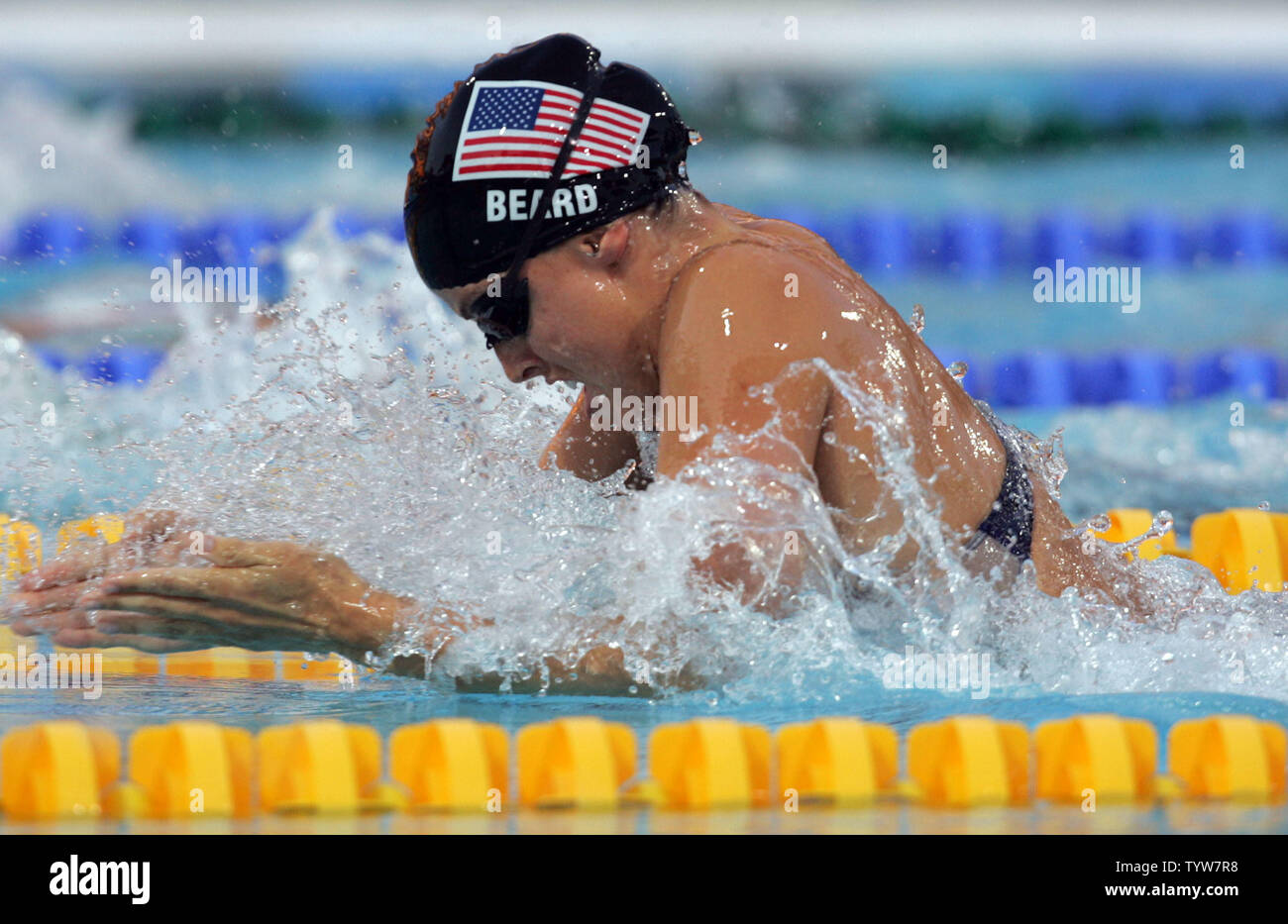
Amanda Weir is a celebrated American competitive swimmer known primarily for her excellence in freestyle sprinting and her contributions to the United States Olympic team. Over the course of her distinguished career, she earned multiple Olympic medals, including silver and bronze, and set significant benchmarks in relay events and individual freestyle competitions at the highest levels of international swimming.
The Early Years and Rise to Prominence
Born on March 11, 1986, in Davenport, Iowa, and raised in Georgia, Amanda Weir’s trajectory into professional swimming was defined by early success in junior competitions and a rapid ascent through the ranks of USA Swimming. Her specialized focus on the 50-meter and 100-meter freestyle events established her as a formidable force on the national stage during the early 2000s.
Her breakthrough moments occurred as she transitioned from high-level club swimming to collegiate and international competition. Weir’s physical profile, characterized by explosive start power and efficient stroke mechanics, made her an ideal candidate for relay teams, where the margin between victory and defeat is often measured in hundredths of a second. Throughout her formative years, she demonstrated the discipline required to maintain peak anaerobic conditioning, a prerequisite for the high-intensity nature of short-distance freestyle racing.
Olympic Achievements and International Milestones
Amanda Weir’s Olympic journey represents the pinnacle of her career, marked by sustained performance across different Olympic cycles. Her inclusion on United States Olympic teams required navigating one of the most competitive national selection processes in the world.
The 2004 Athens Olympic Games
At the 2004 Summer Olympics in Athens, Greece, a young Amanda Weir proved her mettle on the international stage. She was a vital component of the United States relay teams, earning a silver medal as part of the 4×100-meter freestyle relay. This achievement was a testament to her ability to perform under the immense pressure of the Olympic environment, setting the stage for her future consistency as a relay anchor and contributor.
The 2012 and 2016 Olympic Games
Following a period of continued refinement in her training protocols and personal life, Weir returned to the Olympic stage for the 2012 London Games. There, she earned another silver medal in the 4×100-meter freestyle relay, reinforcing her reputation as a reliable and versatile sprinter. Her career trajectory culminated in the 2016 Rio de Janeiro Games, where she added a bronze medal to her collection in the 4×100-meter freestyle relay. This long-standing presence on the podium across multiple Olympiads solidified her status as one of the more durable and consistent athletes of her generation.
Technical Analysis of Sprint Freestyle Performance
The competitive nature of the 50-meter and 100-meter freestyle events necessitates a unique technical approach. Unlike distance events, which prioritize metabolic efficiency and pacing, sprinting is an exercise in power application and resistance management.
Key Technical Pillars
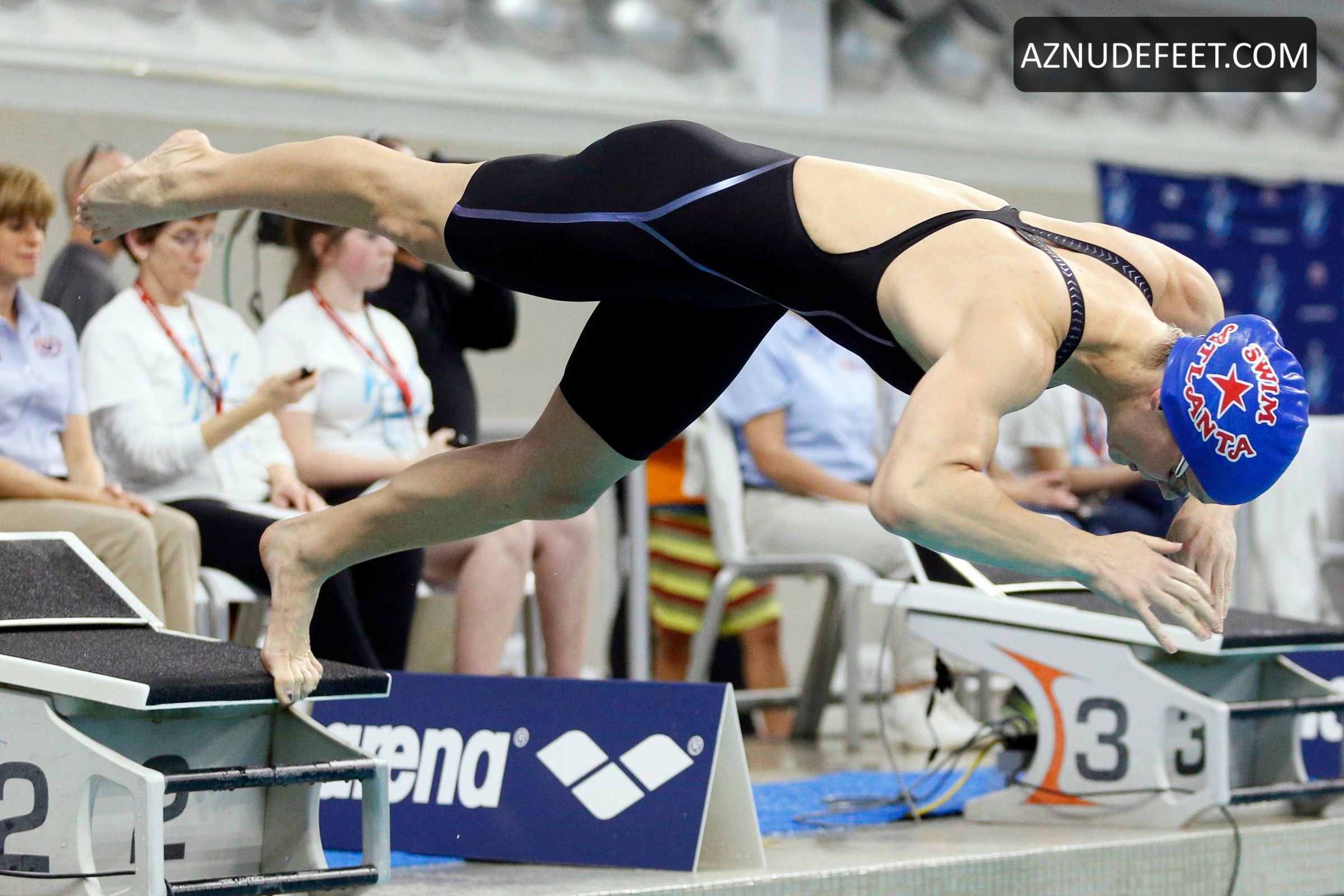
- The Start and Underwater Phase: For sprinters, the reaction time off the blocks and the subsequent underwater dolphin kicking phase are critical. Weir mastered the transition from the dive to the surface, maintaining a streamlined body position to minimize drag.
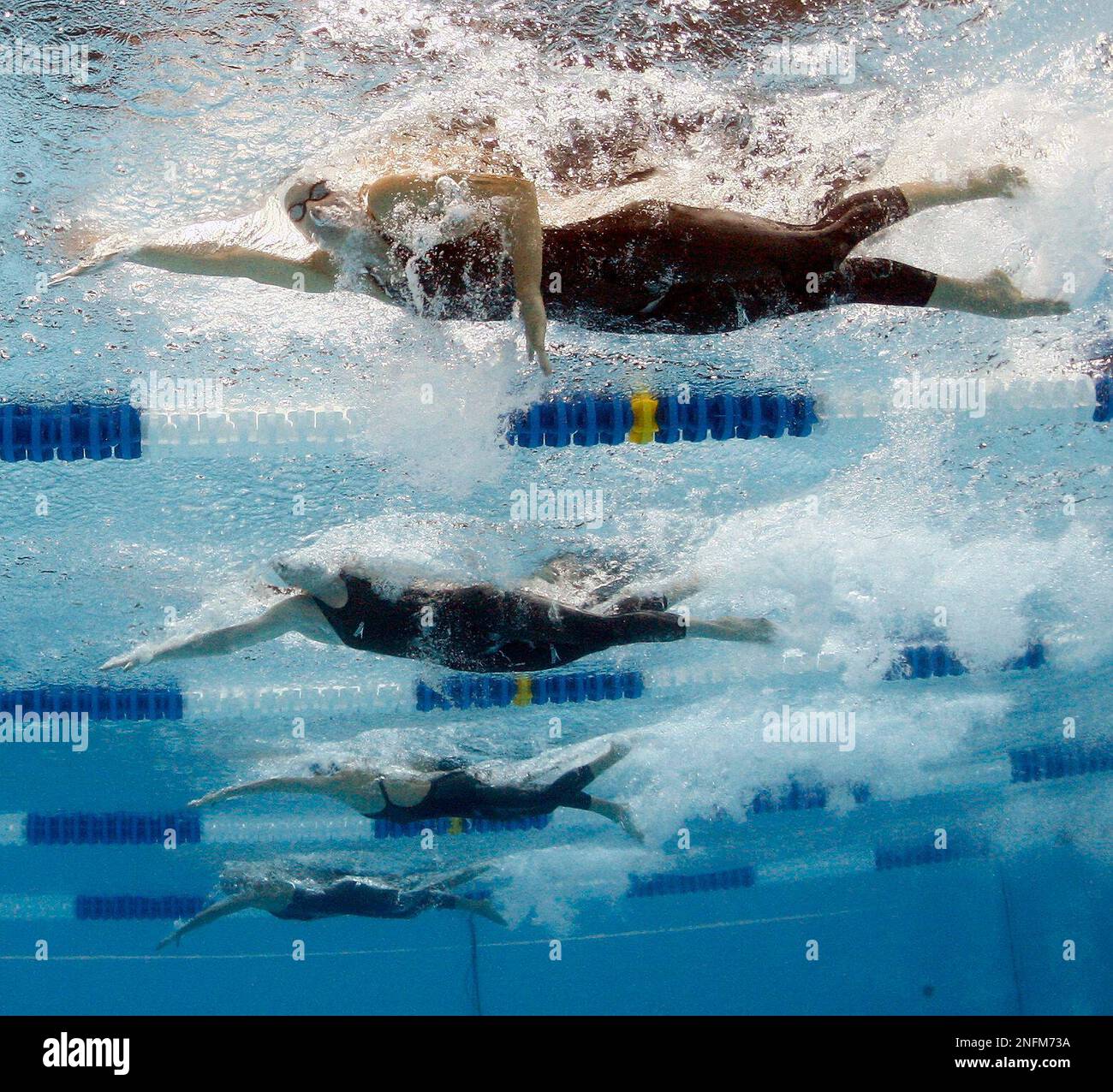
- Stroke Rate vs. Distance Per Stroke: Maintaining a high stroke rate without compromising the catch phase of the stroke is the central tension in 100-meter racing. Weir’s training emphasized the ability to hold a high "tempo" while ensuring each pull moved a maximum volume of water.
- The Finish: In a race where the winner is often determined by a lunging touch on the touchpad, the ability to maintain speed through fatigue in the final five meters is paramount. This requires specific dry-land power training and metabolic tolerance for lactate build-up.
Career Comparison of Olympic Sprint Performance
The following table provides a snapshot of the high-level environments in which Amanda Weir competed, highlighting her consistent impact on U.S. relay success.
| Olympic Year | Location | Event | Medal | Role/Contribution |
|---|---|---|---|---|
| 2004 | Athens | 4×100m Freestyle | Silver | Preliminaries/Finals |
| 2012 | London | 4×100m Freestyle | Silver | Preliminaries/Finals |
| 2016 | Rio de Janeiro | 4×100m Freestyle | Bronze | Preliminaries/Finals |
Training and Preparation Requirements
Professional swimming at the Olympic level involves far more than just time spent in the water. For an athlete like Amanda Weir, the daily routine during her prime involved a rigorous blend of high-intensity interval training, strength conditioning, and recovery protocols.
The Holistic Training Model
- Water Work: Two-a-day sessions focused on aerobic capacity during off-season cycles, transitioning to pure anaerobic speed work as competition dates approached.
- Dry-Land Conditioning: A focus on explosive movements—such as plyometrics and Olympic weightlifting—to increase the power output necessary for the start and turns.
- Nutrition and Recovery: Stringent monitoring of macronutrient intake to support high-intensity training, combined with professional massage, physical therapy, and sleep hygiene to prevent injury and promote tissue repair.
- Mental Preparation: Visualization techniques and psychological conditioning to manage the pre-race anxiety associated with the Olympic environment, where an athlete has only seconds to execute years of preparation.
Navigating the Competitive Landscape
To understand the context of Weir's success, one must consider the extreme depth of the United States national team. In any given Olympic cycle, the U.S. Trials represent a filter system that is often cited as being more difficult than the Olympic final itself. To remain a contender over the span of 12 years (2004–2016) speaks to an exceptional capacity for adaptation.
Athletes in the sprint freestyle category often face a decline in top-end speed in their late 20s. By employing smart training adjustments and shifting focus toward specific relay roles, Weir managed to extend her career far beyond the average duration for a competitive sprinter. This ability to evolve one's training and focus is a hallmark of longevity in elite sports.
Frequently Asked Questions
What was Amanda Weir’s primary event?
Amanda Weir was primarily a sprint freestyle specialist, focusing most of her training and competition on the 50-meter and 100-meter freestyle distances.
How many Olympic medals did Amanda Weir win?
Throughout her Olympic career spanning from 2004 to 2016, Amanda Weir earned three Olympic medals: a silver in 2004, a silver in 2012, and a bronze in 2016, all in the 4×100-meter freestyle relay.
What is the significance of the 4×100m freestyle relay?
The 4×100-meter freestyle relay is a marquee event that showcases a nation's depth in sprint talent. It requires four athletes to perform at peak capacity consecutively, making it a test of both individual speed and team synchronization.
Did Amanda Weir compete in individual events at the Olympics?
While Weir was a standout in relay events, she also competed in individual freestyle events at the national and international levels throughout her career, utilizing these to build the speed necessary for her anchor and lead-off roles on the U.S. relay teams.
How long does an Olympic swimmer typically train for a single race?
While the race itself lasts less than a minute, Olympic sprinters train for years to shave off fractions of a second. A typical cycle includes four years of daily, multi-session training dedicated to technique, power, and metabolic conditioning.
What happens after a professional swimming career?
Many athletes transition into coaching, sports administration, or professional fields that leverage the discipline and leadership skills learned during their competitive years. As of 2026, the legacy of athletes like Weir continues to influence younger generations of swimmers through established clinics, mentorship, and their historical performance records.
Conclusion and Looking Forward
Amanda Weir’s career serves as an excellent case study in persistence and technical mastery within the demanding world of elite swimming. Her ability to remain relevant and competitive across three distinct Olympic cycles demonstrates a commitment to training, adaptation, and mental fortitude. For current and aspiring athletes, her career underscores the importance of focusing on core competencies—the start, the turn, and the finish—while maintaining the flexibility to adjust to the evolving demands of the sport.
As we look at the landscape of international swimming in 2026, the standards set by athletes of the 2000s and 2010s continue to serve as the baseline for success. The rigorous, scientific, and holistic approach to training that defined Weir's path remains the gold standard for those pursuing the podium.