While Neosporin is a staple in human first-aid kits, it is generally not recommended for cats because one of its active ingredients, Polymyxin B, can cause life-threatening anaphylactic reactions in felines. Safe alternatives include sterile saline for cleaning, diluted povidone-iodine (Betadine), and veterinary-specific antimicrobial sprays like Vetericyn Plus, which are non-toxic if licked.
Understanding the Risks of Neosporin in Feline Care
To understand why pet owners search for alternatives, one must first recognize the physiological dangers Neosporin poses to the feline species. Neosporin is a triple-antibiotic ointment containing bacitracin, neomycin, and polymyxin B. While bacitracin and neomycin are typically tolerated in small, topical amounts, Polymyxin B is the primary culprit for adverse reactions in cats.
In 2026, veterinary toxicology reports continue to highlight cases where cats experience systemic anaphylaxis—a severe, whole-body allergic reaction—following the application of products containing Polymyxin B. Symptoms can manifest within minutes and include difficulty breathing, facial swelling, hives, vomiting, and sudden collapse. Furthermore, many versions of Neosporin contain Pramoxine, a topical anesthetic used for pain relief. If a cat licks this substance off their skin, it can lead to neurological issues or severe gastrointestinal distress.
Beyond the immediate allergic risk, the ointment’s petroleum base presents a secondary problem. Cats are compulsive groomers. If they ingest the thick, greasy carrier of the antibiotic, it often leads to diarrhea or vomiting. Furthermore, the occlusive nature of an ointment can sometimes trap bacteria inside a puncture wound, which is particularly dangerous for cats, who are prone to developing deep-seated abscesses.
Top Commercial Alternatives for Cat Wound Care
When a minor scratch or abrasion occurs, several over-the-counter products are specifically formulated for feline physiology. These products avoid the allergens found in human ointments and focus on ingredients that are safe if ingested during grooming.
Vetericyn Plus Feline Wound & Skin Care
Vetericyn is widely considered the gold standard for at-home feline wound management. The active ingredient is hypochlorous acid, a molecule that the animal's own white blood cells produce to fight infection. It is highly effective against bacteria, viruses, and fungi but is completely non-toxic. Unlike Neosporin, it does not sting upon application and does not contain steroids or antibiotics that could trigger an allergic reaction. It is available in spray and hydrogel forms; the gel is often preferred for areas where the product needs to stay in place.
MicrocynAH Wound & Skin Care
Similar to Vetericyn, MicrocynAH utilizes stabilized hypochlorous acid technology. It is designed to clean, debride, and moisturize wounds. This product is particularly useful for cats with sensitive skin or those prone to "hot spots" (feline miliary dermatitis). Because it is pH-balanced, it does not damage healthy tissue while it works to neutralize pathogens.
Silver Honey Rapid Wound Repair
A newer player in the veterinary market that has gained significant traction by 2026 is Silver Honey. This product combines the antimicrobial properties of medical-grade Manuka honey with MicroSilver BG. Manuka honey helps maintain a moist wound environment and has a low pH that inhibits bacterial growth, while the silver ions provide a broad-spectrum barrier against infection. It is specifically formulated to be "lick-safe," though it is always best to prevent a cat from over-grooming a treated area.
Effective At-Home and Natural Alternatives
If you cannot get to a pet store immediately, there are several safe ways to manage a minor wound using common household items or natural substances, provided they are prepared correctly.
Sterile Saline Solution
The most critical step in wound care is not the application of an antibiotic, but the physical removal of debris and bacteria. Sterile saline (0.9% Sodium Chloride) is the safest and most effective liquid for flushing a feline wound. You can purchase pressurized saline "wound wash" at any pharmacy. It matches the salt concentration of the cat's tissues, meaning it won't cause the stinging or cellular damage associated with plain water or hydrogen peroxide.
Diluted Povidone-Iodine (Betadine)
Povidone-iodine is a potent antiseptic that is safe for cats when used correctly. However, it must be diluted before application. Concentrated Betadine can be irritating to feline skin. The standard veterinary recommendation is to dilute it with warm water until it reaches the color of "weak tea." This solution is excellent for dabbing onto minor cuts or using as a paw soak if a cat has a torn nail or a small pad abrasion. Unlike Neosporin, it kills a wider range of pathogens, including fungal spores.
Medical-Grade Manuka Honey
Not all honey is created equal. While grocery store honey is mostly sugar, medical-grade Manuka honey (with a high UMF or MGO rating) has been scientifically proven to have high antibacterial activity. It draws fluid out of the wound (osmotic effect), which helps clear out debris and bacteria. For a cat, a thin layer of Manuka honey can act as a protective barrier. It is safe if licked, though the sticky texture may actually encourage the cat to groom more, so a light bandage or an E-collar may be necessary.
Prescriptive Alternatives from Your Veterinarian
For wounds that are more than superficial, a veterinarian may prescribe targeted medications that are far more effective and safer than any over-the-counter human product.
- Mupirocin Ointment: This is a powerful topical antibiotic often prescribed for feline acne or infected skin folds. It is highly effective against Staphylococcus and Streptococcus species and does not carry the same anaphylaxis risk as Polymyxin B.
- Silver Sulfadiazine (SSD) Cream: Often used for burns or severe skin infections, SSD is a broad-spectrum antimicrobial. It is highly effective but should only be used under veterinary supervision, as excessive ingestion of silver can be problematic over long periods.
- Gentamicin Spray: This is frequently used for "hot spots" or infected dermatitis. It often includes a small amount of betamethasone (a steroid) to reduce inflammation and itching, which helps stop the cat from further damaging the site.
Comparison of Wound Care Products for Cats
The following table compares common wound treatments to help you identify which are safe for feline use and which should be avoided.
| Product Name | Active Ingredient(s) | Safety for Cats | Primary Use |
|---|---|---|---|
| Neosporin | Bacitracin, Neomycin, Polymyxin B | High Risk | Do not use due to anaphylaxis risk. |
| Vetericyn Plus | Hypochlorous Acid | Safe | Cleaning and disinfecting all wounds. |
| Betadine (Diluted) | Povidone-iodine | Safe | Antiseptic wash for minor abrasions. |
| Manuka Honey | Methylglyoxal (MGO) | Safe | Promoting healing in clean wounds. |
| Bactine | Benzalkonium Cl, Lidocaine | Dangerous | Lidocaine is toxic to cats. |
| Hydrogen Peroxide | Hydrogen Peroxide | Not Recommended | Damages healthy cells; delays healing. |
| Mupirocin | Mupirocin | Safe (Prescription) | Bacterial skin infections/Feline acne. |
Why Hydrogen Peroxide and Alcohol Are Not Alternatives
A common mistake owners make when avoiding Neosporin is reaching for hydrogen peroxide or rubbing alcohol. In the context of feline wound care in 2026, these are considered outdated and counterproductive.
Hydrogen peroxide works by releasing oxygen, which creates a foaming action that looks like it is "killing germs." While it does kill some bacteria, it is non-selective. It destroys the fibroblasts—the very cells responsible for repairing the skin. Using peroxide on a cat's wound repeatedly can actually lead to a wound that refuses to close and becomes a chronic ulcer. Similarly, rubbing alcohol is extremely painful for the cat and causes significant tissue dehydration and damage. Stick to saline or hypochlorous acid for cleaning.
How to Safely Treat a Feline Wound at Home
If your cat has a minor injury, follow these steps to ensure safe treatment using one of the alternatives mentioned above.
- Assess the Injury: If the wound is deep, pulsing blood, or a puncture from another animal's tooth, stop and call a vet immediately. Cat bites carry unique bacteria (Pasteurella multocida) that almost always cause deep infections.
- Restrain Gently: Use a "purrito" (wrapping the cat in a towel) to keep them still and prevent scratches.
- Clean the Area: Use a sterile saline wash or a Vetericyn spray to flush the area. If there is fur matted into the wound, you may need to gently clip it away with blunt-nosed scissors, being extremely careful not to nick the skin.
- Apply the Alternative: Dab the area with diluted Betadine or apply a thin layer of Vetericyn Hydrogel or Manuka honey.
- Prevent Licking: This is the most crucial step. A cat's tongue is like sandpaper; it will physically abrade the healing tissue. Use an Elizabethan collar (E-collar) or a "donut" collar for at least 24–48 hours to allow the treatment to work.
When to Seek Veterinary Care
Not all wounds can be managed at home with alternatives to Neosporin. Because cats have very loose skin, a small puncture on the surface can hide a "pocket" underneath where bacteria thrive.
You should seek professional help if:
- The wound is a puncture (especially from another cat or a wild animal).
- The wound is located near the eye, ear, or joints.
- There is a foul odor or green/yellow discharge.
- The area feels abnormally hot or is significantly swollen (signs of an abscess).
- The cat becomes lethargic or stops eating.
According to the American Veterinary Medical Association (AVMA), early intervention for cat wounds can prevent the need for surgical drainage of abscesses and long-term systemic antibiotics.
Frequently Asked Questions
Can I use Polysporin instead of Neosporin on my cat?
Polysporin is slightly safer than Neosporin because it lacks Neomycin, but it usually still contains Polymyxin B. Because Polymyxin B is the ingredient most associated with anaphylaxis in cats, Polysporin should also be avoided. It is better to use a feline-specific antimicrobial spray.
Is Bacitracin-only ointment safe for cats?
Bacitracin-only ointments are generally considered safe for topical use on cats in very small amounts, as they lack the Polymyxin B found in triple-antibiotic versions. However, the greasy base can still cause stomach upset if licked, and it is less effective than products like Vetericyn.
How do I stop my cat from licking off the wound treatment?
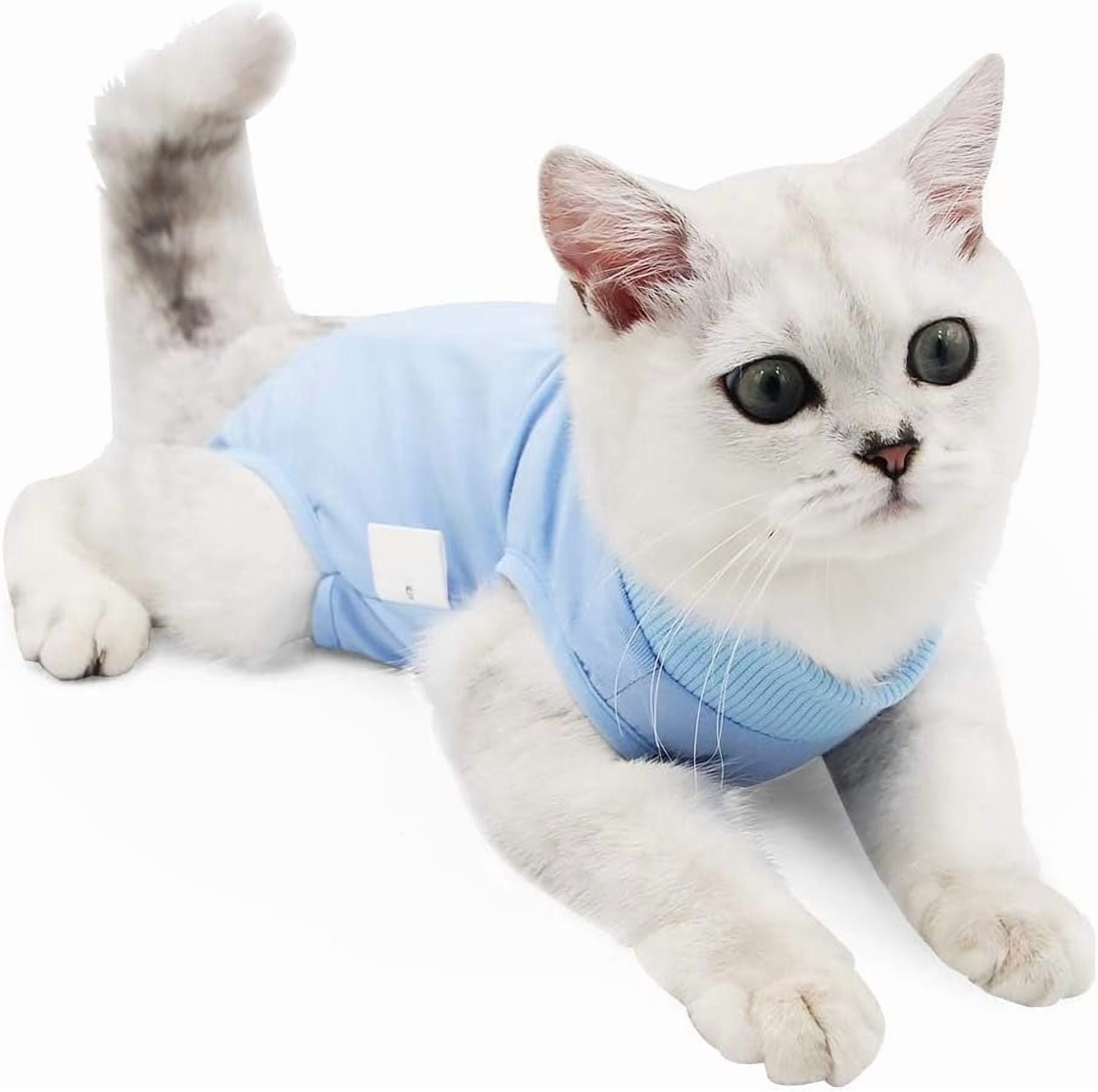
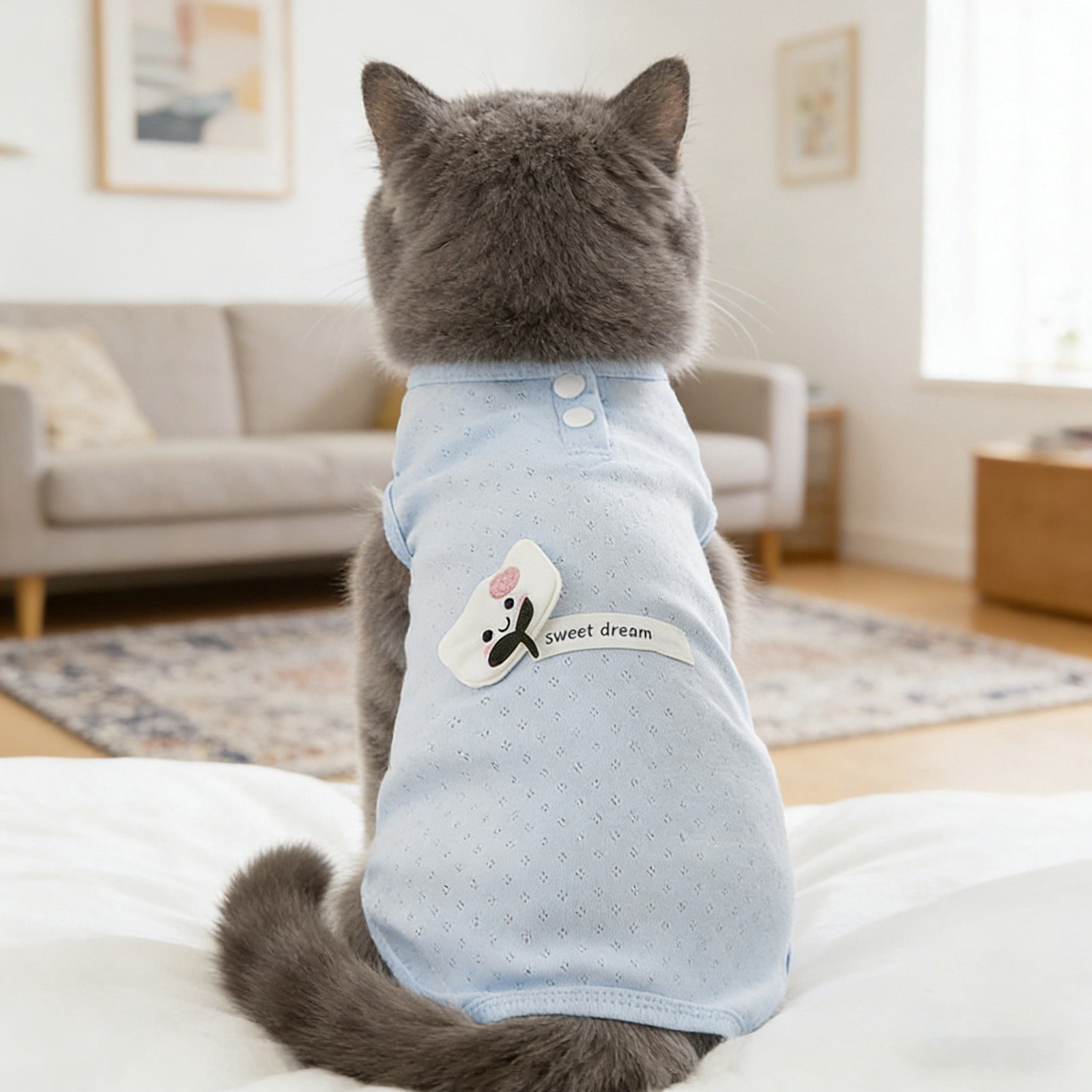
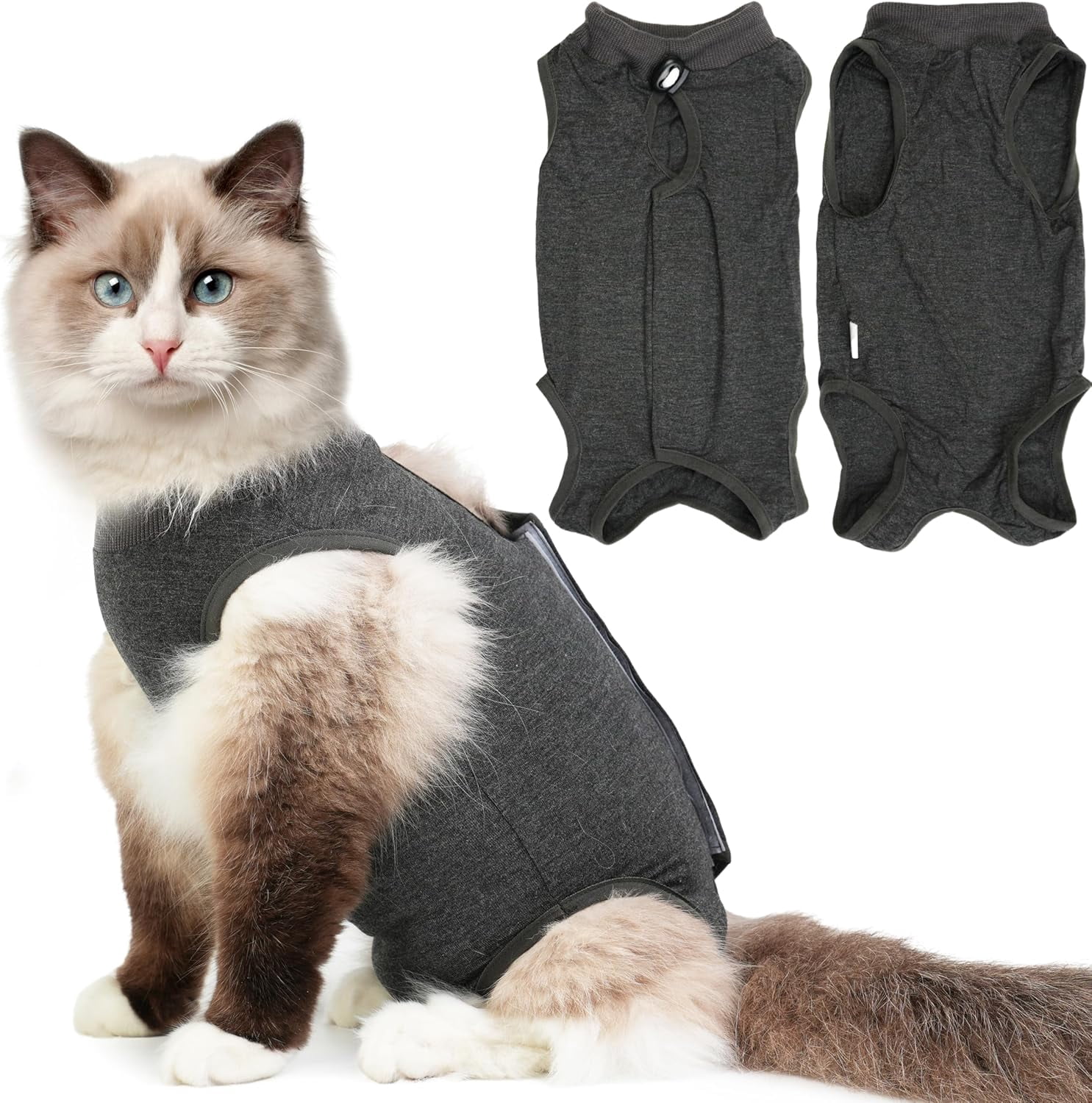
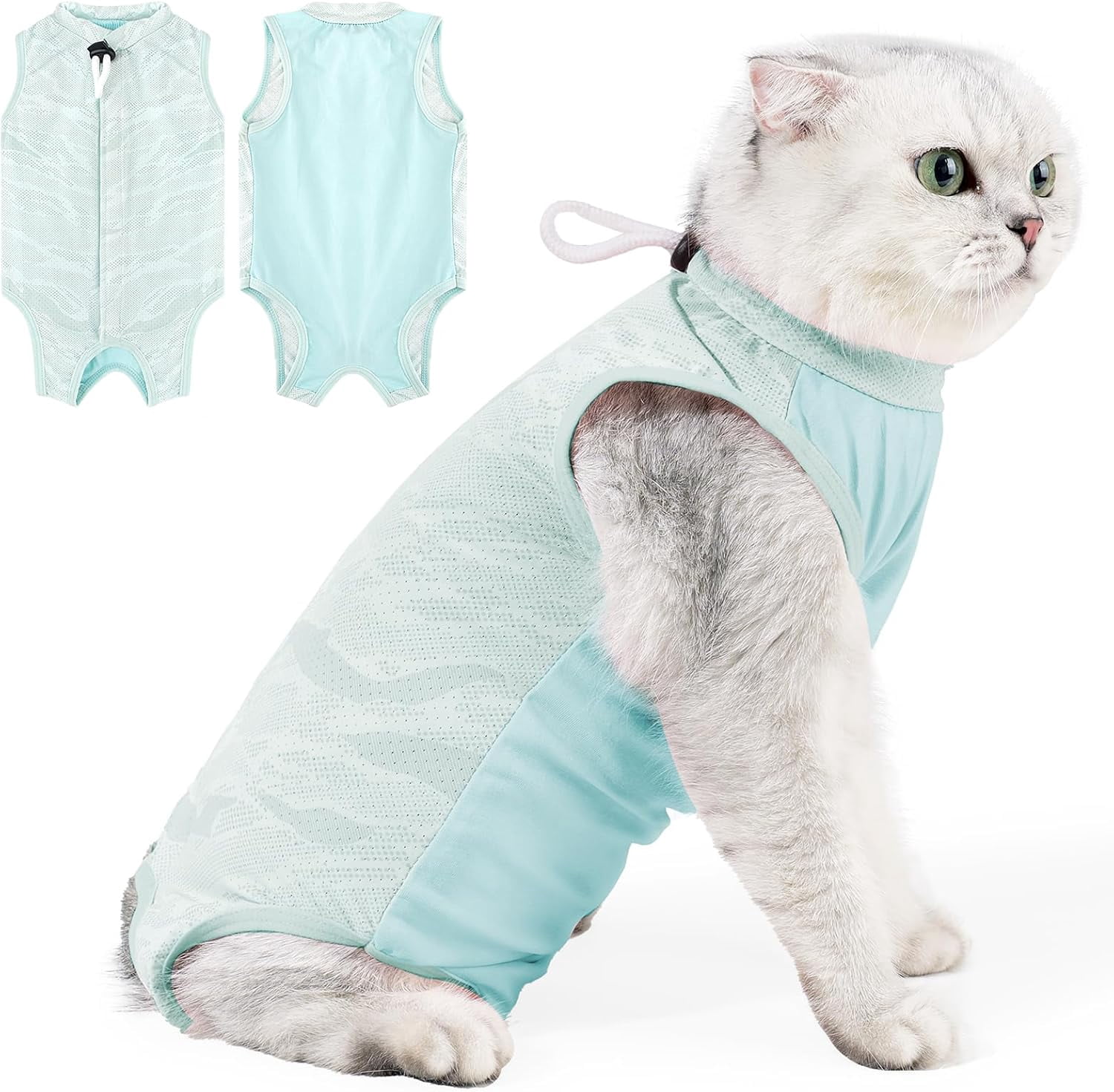
The most effective method is a physical barrier, such as an E-collar. While cats find them annoying, even 20 minutes of licking can ruin hours of healing and introduce mouth bacteria into the wound. Some owners find success with "pet onesies" or soft bandages, but these must be checked frequently to ensure they aren't too tight.
Can I use coconut oil on my cat's scratch?
Coconut oil has mild antimicrobial properties and is generally safe if licked. However, it is not a potent antiseptic. It is best used for moisturizing dry, flaky skin or minor, non-infected "scabs" rather than open or bleeding wounds.
What should I do if my cat accidentally licks Neosporin?
If your cat licks a small amount of standard Neosporin, monitor them closely for the next 4 to 6 hours. Look for signs of an allergic reaction (swelling, drooling, or labored breathing). If you used a version containing "Pain Relief" (Pramoxine), contact your vet or a pet poison control center immediately, as this can be more toxic.
Final Recommendation
When choosing an alternative to Neosporin for your cat, prioritize Vetericyn Plus or a sterile saline wash. These options provide the necessary antimicrobial action and cleansing power without the risk of severe allergic reactions or toxicity from ingestion. For any wound that appears deep or is the result of a bite, bypass home treatment and consult your veterinarian to prevent the formation of a painful abscess.